Can I Cantiaminate Fish Betta
Can you cantiaminate fish betta? This comprehensive guide covers everything betta owners need to know about proper care, compatible tank mates, water quality, diet, and creating the ideal environment for your betta fish to thrive. Whether you are a beginner or experienced aquarist, these tips will help you become a better betta parent.
Key Takeaways
- Betta fish are territorial: Male bettas cannot live together, but some community fish can coexist peacefully with proper planning.
- Water quality is critical: Bettas need warm, clean water between 76-82°F with a pH of 6.5-7.5 to stay healthy.
- Diet matters greatly: Bettas are carnivores and need protein-rich foods, not generic fish flakes or goldfish food.
- Tank size matters: A minimum 5-gallon tank is recommended for a single betta fish to ensure proper swimming space and stable water parameters.
- Compatibility depends on temperament: Some fish species work well with bettas while others will cause stress, fin nipping, or aggression.
- Female bettas can sometimes live in groups: Known as a sorority, but this requires careful planning, a large tank, and close monitoring.
- Research before adding tank mates: Always research each species’ temperament, water requirements, and size before introducing them to a betta tank.
📑 Table of Contents
- Understanding Your Betta Fish: The Foundation of Great Care
- What Does “Cantiaminate Fish Betta” Actually Mean?
- Setting Up the Perfect Betta Tank
- What Fish Can Live With Your Betta?
- Feeding Your Betta for Optimal Health
- Common Betta Health Issues and Prevention
- Advanced Betta Care Tips
- Where to Get Your Betta Fish
- Conclusion
Understanding Your Betta Fish: The Foundation of Great Care
So you have found yourself asking, “Can I cantiaminate fish betta?” Maybe you are wondering about tank mates, water conditions, or how to set up the perfect betta environment. You are in the right place. Betta fish, also known as Siamese fighting fish, are one of the most popular freshwater aquarium fish in the world. Their stunning colors and flowing fins make them a favorite among beginners and experienced fish keepers alike.
But here is the thing. Betta fish are not just pretty decorations. They are living creatures with specific needs, unique personalities, and particular behaviors that you must understand to keep them happy and healthy. Many people make the mistake of treating bettas as low-maintenance pets that can live in tiny bowls. That could not be further from the truth. In fact, proper betta care requires attention to water quality, temperature, diet, tank size, and compatibility with other fish.
In this guide, we are going to walk you through everything you need to know about keeping betta fish. From understanding their territorial nature to choosing the right tank mates and maintaining pristine water conditions, consider this your ultimate resource. By the end, you will know exactly how to create a thriving environment for your betta and answer that question: “Can I cantiaminate fish betta?” with full confidence.
What Does “Cantiaminate Fish Betta” Actually Mean?
The phrase “can I cantiaminate fish betta” might seem unusual, but it likely refers to questions about maintaining, keeping, or cohabitating fish with betta fish. Many new betta owners wonder about the best ways to care for their fish and whether other species can share the same tank. Let us break down the core aspects of betta fish care that every owner should understand.
The Territorial Nature of Bettas
Betta fish are naturally territorial, especially males. In the wild, they defend their space aggressively. This instinct does not disappear in an aquarium. Two male bettas placed together will fight, often to the death. This is why you should never keep more than one male betta in the same tank. It is not just a suggestion. It is a hard rule.
Female bettas can be slightly more tolerant of each other, but even they have limits. A group of female bettas, called a sorority, can work in a large enough tank with plenty of hiding spots. However, this setup is not recommended for beginners. It requires careful planning, a tank of at least 20 gallons, and constant monitoring for signs of aggression.
Understanding Betta Behavior
Bettas are curious, active fish with distinct personalities. Some are bold and interactive, while others are shy and prefer to hide. A happy betta will have vibrant colors, active swimming patterns, and an appetite for food. If your betta is lethargic, losing color, or refusing to eat, something is wrong. You can learn more about recognizing these signs by reading our guide on how can I tell if my betta fish is happy.
Setting Up the Perfect Betta Tank
Before you even think about adding other fish to your betta’s home, you need to get the basics right. A proper tank setup is the foundation of good betta care. Without it, no amount of research on tank mates will matter because your betta will be stressed and unhealthy.
Choosing the Right Tank Size
The minimum tank size for a single betta fish is 5 gallons. Yes, you read that right. Five gallons. Many pet stores sell bettas in tiny cups or bowls, and while they can survive in those conditions temporarily, they will not thrive. A 5-gallon tank gives your betta enough room to swim, explore, and establish territory. If you plan to add tank mates, you will need an even larger tank. A 10-gallon or 20-gallon tank is ideal for a community setup.
Larger tanks also have a practical benefit: they are easier to maintain. Water parameters stay more stable in larger volumes of water. This means fewer sudden changes in temperature, pH, and ammonia levels, all of which can stress or kill your fish.
Water Quality and Temperature
Bettas are tropical fish that need warm water. The ideal temperature range is 76-82°F (24-28°C). You will need a reliable aquarium heater and a thermometer to maintain this range consistently. Fluctuating temperatures can weaken your betta’s immune system and make them susceptible to disease.
Water quality is equally important. Bettas prefer slightly acidic to neutral water with a pH between 6.5 and 7.5. Ammonia and nitrite levels should always be zero, and nitrate levels should stay below 20 ppm. To achieve this, you need a good filtration system and regular water changes. Aim to change 25-50% of the water every week, depending on your tank size and bioload.
Many beginners ask about different water types for bettas. Our articles on can I use tap water for my betta fish and can I use spring water for betta fish provide detailed answers. In short, tap water is fine if you treat it with a water conditioner to remove chlorine and chloramines. Avoid distilled water as it lacks essential minerals that fish need.
Filtration and Aeration
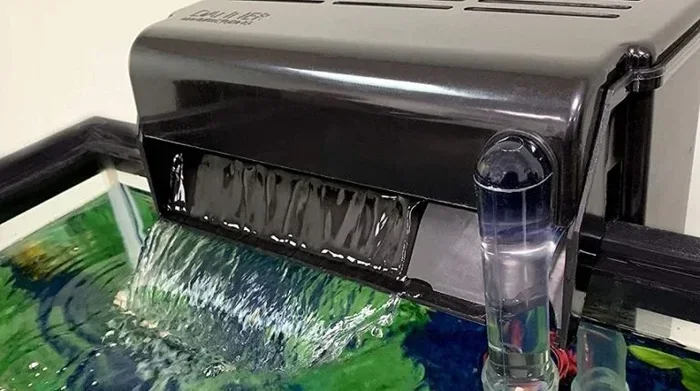
A gentle filter is essential for any betta tank. However, bettas do not like strong water currents because their long, flowing fins make it difficult to swim against heavy flow. Choose a filter with adjustable flow rates or use a sponge filter, which provides gentle filtration and is perfect for betta tanks. The filter beneficial bacteria that break down harmful ammonia and nitrites into less toxic nitrates.
What Fish Can Live With Your Betta?
This is probably the most common question betta owners ask. The answer is not straightforward because it depends on your betta’s individual temperament, the tank size, and the species you are considering. Some bettas are relatively peaceful and can tolerate tank mates. Others are aggressive and will attack anything that moves.
Best Tank Mates for Betta Fish
Here are some of the most commonly recommended tank mates for bettas. Remember, every betta is different, and you should always have a backup plan in case things do not work out.
Corydoras Catfish: These peaceful bottom-dwellers are excellent betta tank mates. They stay small, are non-aggressive, and help clean up leftover food from the substrate. A group of 4-6 corydoras in a 10-gallon or larger tank works beautifully with a single betta.
Neon Tetras: These small, colorful schooling fish can coexist with bettas in a sufficiently large tank. Keep them in groups of at least six to reduce stress and prevent fin nipping. A 15-gallon or larger tank is recommended.
Harlequin Rasboras: Another peaceful schooling fish that does well with bettas. They are active but not aggressive, and their size makes them less likely to be seen as a threat by your betta.
Amano Shrimp or Cherry Shrimp: Invertebrates like shrimp can make great tank mates. They are fascinating to watch and help keep the tank clean. However, some bettas may see small shrimp as food, so monitor the situation carefully.
Snails: Mystery snails or nerite snails are virtually bulletproof tank mates. They are peaceful, hardy, and add an interesting element to the aquarium without provoking your betta.
If you want a more detailed breakdown, check out our guides on what fish can I put with my betta and which fish can I put with a betta.
Fish to Avoid With Bettas
Not every fish makes a good betta roommate. Some species are notorious for fin nipping, aggression, or competing for territory. Avoid these fish at all costs.
Guppies: Despite their small size, male guppies have bright colors and flowing fins that bettas often mistake for rival bettas. This can trigger aggressive behavior.
Other Anabantoids: Gouramis and paradise fish are closely related to bettas and have similar territorial instincts. They will almost certainly clash with your betta.
Fin Nippers: Tiger barbs, serpae tetras, and some species of barbs are known to nip at long fins. A betta’s flowing fins make them an easy target.
Goldfish: Goldfish require much cooler water than bettas and produce enormous amounts of waste. They are completely incompatible. Learn more in our article on can a goldfish live with a betta fish.
Introducing Tank Mates Properly
When you are ready to add tank mates, do not just dump them in. Take your time. Rearrange the tank decorations before adding new fish so the established betta does not feel like its territory is being invaded. Add the new fish after feeding your betta to reduce aggression. Watch closely for the first few hours and be prepared to separate anyone who shows signs of stress or aggression.
Feeding Your Betta for Optimal Health
Diet plays a massive role in your betta’s health, coloration, and longevity. Many new owners make the mistake of feeding their betta generic fish food or the wrong type of diet. Understanding what bettas need nutritionally is essential.
What Do Bettas Eat?
Bettas are carnivores. In the wild, they eat insects, insect larvae, and small crustaceans. Their digestive systems are designed for protein-rich foods. A good betta diet should consist primarily of high-quality betta pellets as the staple food, supplemented with frozen or live treats like bloodworms, brine shrimp, and daphnia.
Look for pellets where the first ingredient is a whole protein source like fish meal, shrimp meal, or insect meal. Avoid products where fillers like wheat or soy are listed first. Feed your betta 2-3 small pellets twice a day. Overfeeding is a common problem that leads to bloating, constipation, and poor water quality.
Foods to Avoid
Never feed your betta goldfish food or generic tropical fish flakes. These do not meet the nutritional needs of a carnivorous betta and can cause digestive problems. For a deeper dive, read our article on can I feed a betta fish goldfish food.
Also avoid freeze-dried foods as a regular diet. While they are fine as occasional treats, they can cause bloating if not soaked in tank water before feeding. Live foods from unreliable sources can carry parasites or diseases, so always purchase from reputable suppliers.
Common Betta Health Issues and Prevention
Even with the best care, bettas can sometimes get sick. Knowing how to recognize and prevent common health issues will help you act quickly and keep your fish healthy.

Visual guide about Can I Cantiaminate Fish Betta
Image source: i.etsystatic.com
Recognizing a Sick Betta
The signs of illness in bettas include clamped fins, loss of color, lethargy, loss of appetite, visible spots or patches, labored swimming, and bloating. If you notice any of these symptoms, act immediately. Early treatment makes a huge difference in recovery outcomes. Our detailed guide on how can I tell if my betta fish is sick covers these warning signs in depth.
Common Diseases
Ich: This is one of the most common freshwater fish diseases. It appears as small white spots on the body and fins, resembling grains of salt. Ich is caused by a parasite and is treatable with medication and slightly raising the water temperature to 82-84°F.
Fin Rot: This bacterial infection causes the fins to appear ragged, discolored, or deteriorating. It is usually caused by poor water quality or stress. Treatment involves improving water conditions and, in severe cases, using antibacterial medication. The good news is that betta fins can regrow if the damage is not too severe. Read more about this in our article on can betta fish fins grow back.
Dropsy: This is a serious condition where the fish’s body swells and scales protrude, resembling a pinecone. Dropsy is often a symptom of internal organ failure and is difficult to treat. Prevention through excellent water quality and a proper diet is your best defense.
Prevention Is Better Than Cure
The best way to keep your betta healthy is to prevent problems before they start. Maintain excellent water quality through regular water changes and proper filtration. Feed a varied, high-quality diet. Avoid overstocking the tank. Quarantine new fish for at least two weeks before adding them to your main tank. These simple steps will dramatically reduce the risk of disease.
Advanced Betta Care Tips
Once you have mastered the basics, you might want to explore some advanced care techniques that can take your betta keeping to the next level.
Creating an Enriched Environment
Bettas are intelligent fish that benefit from environmental enrichment. Add live plants like Java fern, Anubias, and Amazon sword to your tank. These plants provide hiding spots, improve water quality, and make your betta feel more at home. Floating plants like water sprite or frogbit are especially appreciated by bettas because they provide shade and resting spots near the surface.
Avoid sharp or rough decorations that could tear your betta’s delicate fins. Silk plants are a safer alternative to plastic ones. Smooth rocks and driftwood add natural beauty and additional hiding places.
Cycling Your Tank Properly
A properly cycled tank is essential for your betta’s health. The nitrogen cycle establishes beneficial bacteria that convert toxic ammonia from fish waste into less harmful substances. Before adding your betta, cycle your tank for 4-6 weeks using a fishless cycling method. This involves adding ammonia to the tank and monitoring levels until ammonia and nitrite both read zero.
Our guides on when can I put my betta fish in the tank and when can I add betta fish to new tank explain this process in detail so you can set up your tank correctly from day one.
Breeding Betta Fish
Breeding bettas is an advanced topic that requires significant preparation. You will need a separate breeding tank, a compatible male and female pair, and a plan for raising the fry. The male builds a bubble nest, and after spawning, he guards the eggs. The female should be removed after spawning to prevent aggression from the male. Raising betta fry requires infine foods like infusoria and baby brine shrimp.
Breeding is not something to attempt casually. It requires dedication, knowledge, and the ability to care for potentially hundreds of fry. If you are interested, do thorough research before attempting it.
Where to Get Your Betta Fish
Choosing where to get your betta fish matters more than you might think. Healthy fish from good sources have a much better chance of thriving in your care. Local fish stores often have healthier bettas than large chain pet stores because they tend to provide better care and keep them in proper tanks rather than tiny cups.
If you do not have a good local option, ordering betta fish online is another possibility. Reputable online sellers ship fish safely and offer healthy specimens, sometimes in colors and fin types you will not find locally. Just be sure to research the seller carefully and check reviews before purchasing. Check out our comprehensive guides on where can I buy a betta fish near me and where can I order betta fish online for detailed sourcing information.
When selecting a betta, look for active fish with clear eyes, intact fins, and vibrant coloration. Avoid fish that appear lethargic, have visible spots or damage, or are sitting at the bottom of the container. A healthy betta will be curious and responsive to your presence.
Conclusion
So, can you cantiaminate fish betta? The answer is a resounding yes, provided you do your homework. Betta fish are beautiful, fascinating creatures that deserve proper care. From setting up the right tank and maintaining water quality to choosing compatible tank mates and feeding a proper diet, every aspect of betta care matters.
Remember that each betta is an individual with its own personality. What works for one might not work for another. Be patient, observant, and willing to adjust your approach as needed. The reward of a healthy, vibrant betta swimming happily in a well-maintained aquarium is absolutely worth the effort.
Whether you are just starting your betta journey or looking to improve your current setup, the key is continuous learning. Stay curious, ask questions, and never stop refining your care routine. Your betta will thank you with years of beauty and companionship.
Frequently Asked Questions
Can two male betta fish live together?
No, two male betta fish should never be kept in the same tank. They are highly territorial and will fight aggressively, which can result in serious injury or death for one or both fish.
What is the minimum tank size for a betta fish?
The minimum recommended tank size for a single betta fish is 5 gallons. Larger tanks of 10 gallons or more are even better, especially if you plan to add tank mates, as they provide more stable water parameters.
Can betta fish live with goldfish?
No, bettas and goldfish are not compatible. Goldfish require much cooler water temperatures than bettas and produce excessive waste that can quickly foul the water, creating an unhealthy environment for your betta.
How often should I feed my betta fish?
Feed your betta 2-3 small pellets twice a day. Avoid overfeeding, as this can lead to bloating and poor water quality. You can supplement their diet with frozen treats like bloodworms or brine shrimp a few times per week.
Do betta fish need a heater?
Yes, betta fish are tropical fish that require warm water between 76-82°F. An aquarium heater is essential to maintain a consistent temperature, especially in cooler climates or during winter months.
Can female betta fish live together?
Female bettas can sometimes live together in groups called sororities, but this requires a large tank of at least 20 gallons, plenty of hiding spots, and careful monitoring. This setup is not recommended for beginners due to the risk of aggression.