Where Can I Order Betta Fish Online

Ordering a betta fish online opens a world of vibrant colors and fin types beyond your local pet store. However, success hinges on choosing a reputable, health-focused seller over a cheap, mass-market option. You must understand shipping policies, live-arrival guarantees, and proper acclimation to ensure your new aquatic jewel arrives stress-free and thrives in a properly cycled, heated tank.
Key Takeaways
- Prioritize Reputable Specialists: Buy from dedicated betta breeders or high-quality aquarium stores, not large general retailers who often prioritize quantity over fish health.
- Health is the #1 Priority: Look for clear signs of vitality in photos/videos—bright colors, active swimming, intact fins, and no visible fungus or bloating. Read recent customer reviews about fish condition upon arrival.
- Understand Shipping Realities: Ensure the seller ships live animals correctly (breathable bags, heat/cold packs, overnight shipping) and has a clear, fair live-arrival guarantee policy.
- Your Tank Must Be Ready First: Never order a fish before establishing a fully cycled, filtered, and heated aquarium (minimum 5 gallons). A quarantine tank is highly recommended for new arrivals.
- Acclimation is Critical: Follow a slow drip acclimation process for online fish, as they are stressed from shipping. Float the bag first, then slowly add tank water over 1-2 hours.
- Price Often Reflects Quality: Extremely cheap bettas ($5-$10 shipped) are a major red flag. Expect to pay $25-$60+ from a quality breeder for a healthy, show-quality fish.
- Research Before You Click: Join betta fish forums (like r/bettafish) and Facebook groups to get community-vetted recommendations for online sellers before making a purchase.
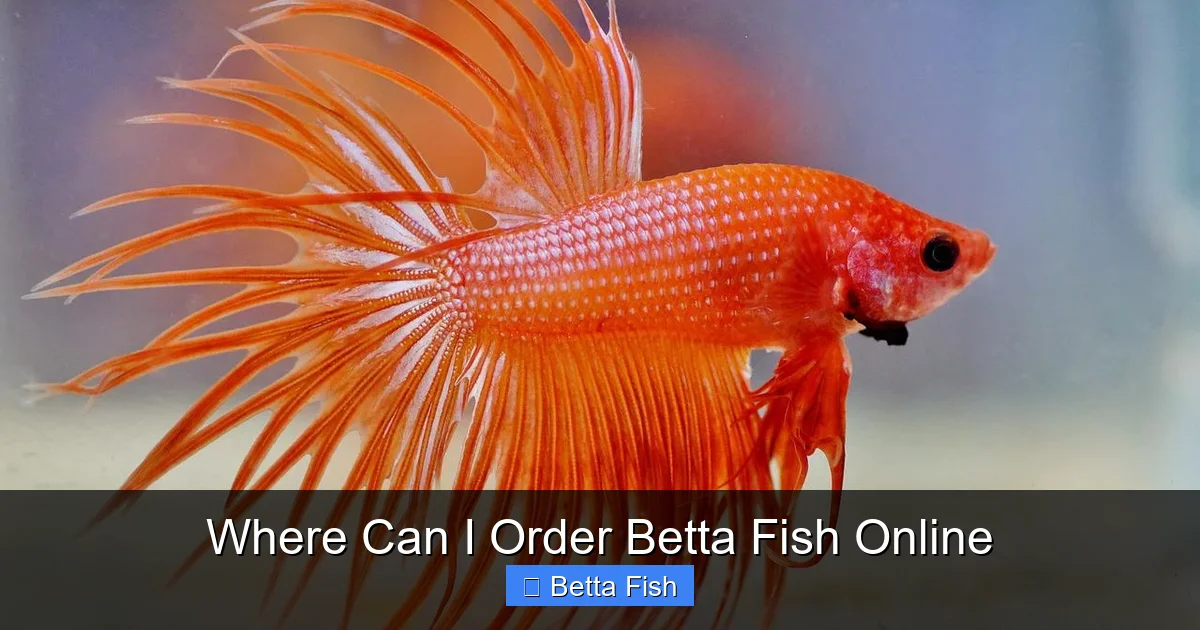
[FEATURED_IMAGE_PLACEHOLDER]
📑 Table of Contents
- Why Order a Betta Fish Online? The Vibrant World Beyond the Pet Store
- The Gold Standard: Where to Find Reputable Betta Sellers Online
- Becoming a Betta Detective: How to Evaluate a Seller & Fish
- The Shipping Marathon: Ensuring a Safe Journey to Your Home
- From Box to Tank: The Critical Acclimation and Quarantine Process
- Setting the Stage for Success: Your Betta’s Forever Home
- Common Pitfalls and How to Avoid Them
- Conclusion: A Journey Worth Taking
Why Order a Betta Fish Online? The Vibrant World Beyond the Pet Store
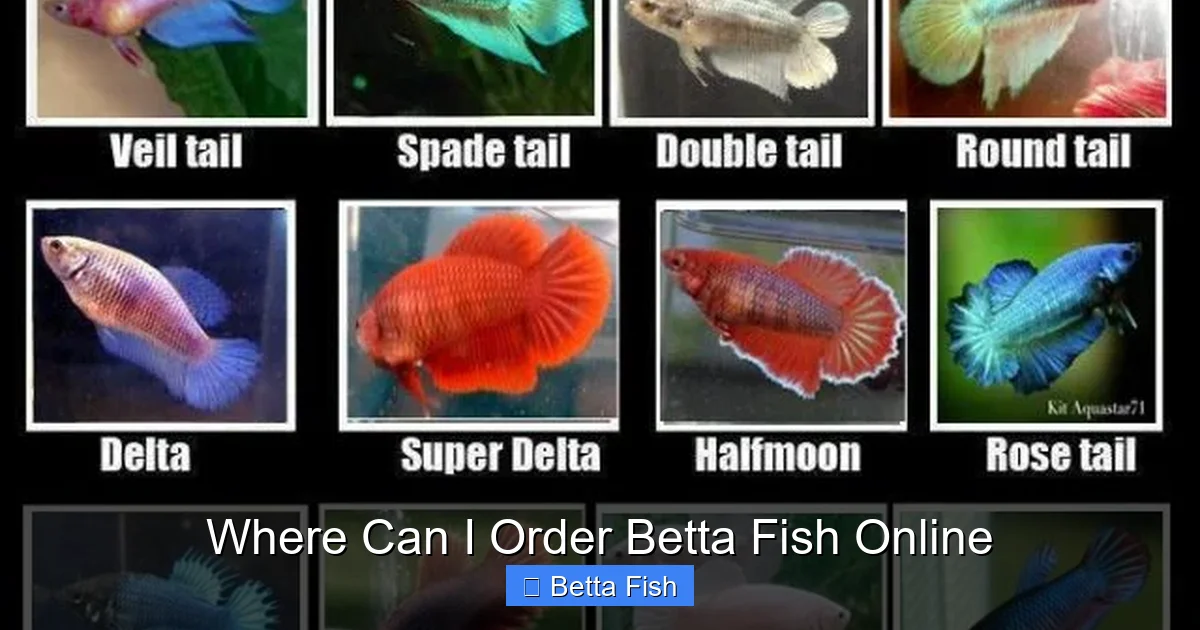
Walk into any big-box pet store, and you’ll see them: rows of tiny cups holding solitary betta fish, their fins often clamped, colors muted. It’s a heartbreaking sight for anyone who knows these intelligent, charismatic fish deserve better. Ordering a betta fish online isn’t just a convenience; it’s a gateway to a whole new level of fishkeeping. It connects you directly with passionate breeders who spend years cultivating specific color strains, fin types like the flowing halfmoon or the regal crowntail, and even personality traits.
Online, you can find a betta that isn’t just a pet, but a centerpiece. Imagine a metallic blue halfmoon with iridescent scales that shimmer like a gemstone, or a fiery red veiltail with fins that trail like silk. These aren’t mass-produced commodities; they are living art. But with this incredible selection comes a great responsibility. The “wild west” of the internet means not all sellers are created equal. A cheap price from an unknown source often means a sick fish, poor shipping practices, and ultimate heartbreak. This guide will navigate you through the process, transforming you from a cautious beginner into a confident, ethical online betta buyer.
The Gold Standard: Where to Find Reputable Betta Sellers Online
The single most important decision you’ll make is where you buy your betta. The source determines 90% of the outcome—a healthy, thriving fish versus a constant battle with disease. Here’s a breakdown of the best types of sellers, from most to least recommended.
Visual guide about Where Can I Order Betta Fish Online
Image source: bettafishonline.com
Specialist Betta Breeders & Small-Scale Hobbyists
This is the holy grail. These are individuals or very small operations whose entire focus is the betta splendens. They often show their fish, breed for specific traits (color, finnage, size), and maintain meticulous water quality. They usually have a limited number of fish available at any time and sell through personal websites, Etsy shops, or dedicated forums.
- How to Find Them: Search for terms like “imported betta breeder USA,” “show quality betta for sale,” or “halfmoon betta breeder.” Look for breeders who showcase their fish in clean, planted tanks in photos/videos. They will often have detailed lineage information.
- Pros: Unmatched quality, health, and beauty. Direct communication with the breeder. Deep knowledge and passion. Often, they will help you with advice long after the sale.
- Cons: Higher prices ($40-$150+). Limited availability, often with waitlists. Shipping may be from a private location, requiring careful coordination.
- Example: A breeder in Florida specializing in solid red halfmoons with copper scaling, who posts daily updates on their fishroom on Instagram and takes individual orders with a 2-week wait.
High-End, Specialty Online Aquarium Stores
These are not your average pet store websites. They are curated boutiques that work directly with top breeders and importers, often bringing in stunning Bettas from Thailand, the heartland of betta breeding. They have professional websites, excellent customer service, and strict health protocols.
- How to Find Them: Look for stores that explicitly state they source from “select Thai breeders” or “US show breeders.” Their product pages will have multiple high-quality photos and videos of the exact fish you’re buying.
- Pros: Professional, reliable shipping. Often have a “what you see is what you get” policy with individual fish photos. Good return/guarantee policies. Wide variety of colors and fin types.
- Cons: Prices are premium ($30-$100). Selection can change rapidly.
- Example: A store like Aquatic Arts or Betta Squad USA (hypothetical examples) that features a “Fish of the Week” with a full video profile, ships via FedEx overnight with heat packs, and offers a 48-hour live arrival guarantee.
Reputable Local Fish Store (LFS) with Online Ordering
Don’t overlook your best local aquarium shop! Many excellent LFS have developed robust online ordering systems, especially post-pandemic. They often have a “community” feel and source fish from the same trusted local breeders or importers as the high-end online stores.
- How to Find Them: Check the websites of the best-reviewed aquarium stores in your state or region. See if they offer live fish shipping or local pickup for online orders.
- Pros: You can often visit the store beforehand to see the parent fish or setup. They offer local support and advice. Shipping might be faster/cheaper if regional. You’re supporting a local business.
- Cons: Selection may be smaller than national specialists. Online photos might not be as comprehensive as dedicated breeders.
- Example: A family-run shop in Denver that partners with a Colorado betta breeder, posts Instagram stories of new arrivals, and allows you to reserve a specific fish from their online catalog for in-store pickup.
What to AVOID: Major Retailers & Auction Sites
This is the cautionary zone. Large general retailers (like big-box pet supply chains and general marketplace platforms) often sell bettas as commodities. The health and welfare of the fish are secondary to volume and low cost.
- Mass-Market Pet Supply Chains: While some have improved, the standard practice of shipping bettas in small, sealed bags without proper heat packs, combined with long transit times in cardboard boxes, is a recipe for disaster. The fish are often sourced from large, industrial farms where disease is common.
- General Auction/Retailer Sites: Be extremely wary of sites that sell everything from phone cases to live animals. The logistics for live animal shipping are complex and expensive. Sellers on these platforms often cut corners on packaging, use unreliable shipping methods (like 3-day USPS), and have no accountability if your fish arrives dead. The “$12 betta with free shipping” is almost always a dead (or soon-to-be-dead) fish.
Becoming a Betta Detective: How to Evaluate a Seller & Fish
You’ve found a potential seller. Now, put on your detective hat. Your due diligence is the difference between joy and regret.
Visual guide about Where Can I Order Betta Fish Online
Image source: aquariadise.com
Reading Between the Lines of Reviews
Don’t just look at the star rating. Read the negative and recent reviews first. What are people complaining about? “Fish arrived dead on arrival (DOA).” “Fins were torn and clamped.” “Seller was unresponsive to my emails.” These are major red flags. A few DOAs can happen with even the best shippers, but a pattern indicates poor packing or shipping practices. Also, look for reviews that mention the fish’s condition weeks or months later. A review saying, “My betta arrived healthy and is now thriving in his 10-gallon tank 3 months later,” is gold.
The “Fish Eye View”: Assessing Photos and Videos
A reputable seller will provide multiple, clear, well-lit photos and, crucially, a short video clip of the exact fish you are purchasing. This is non-negotiable for quality sellers.
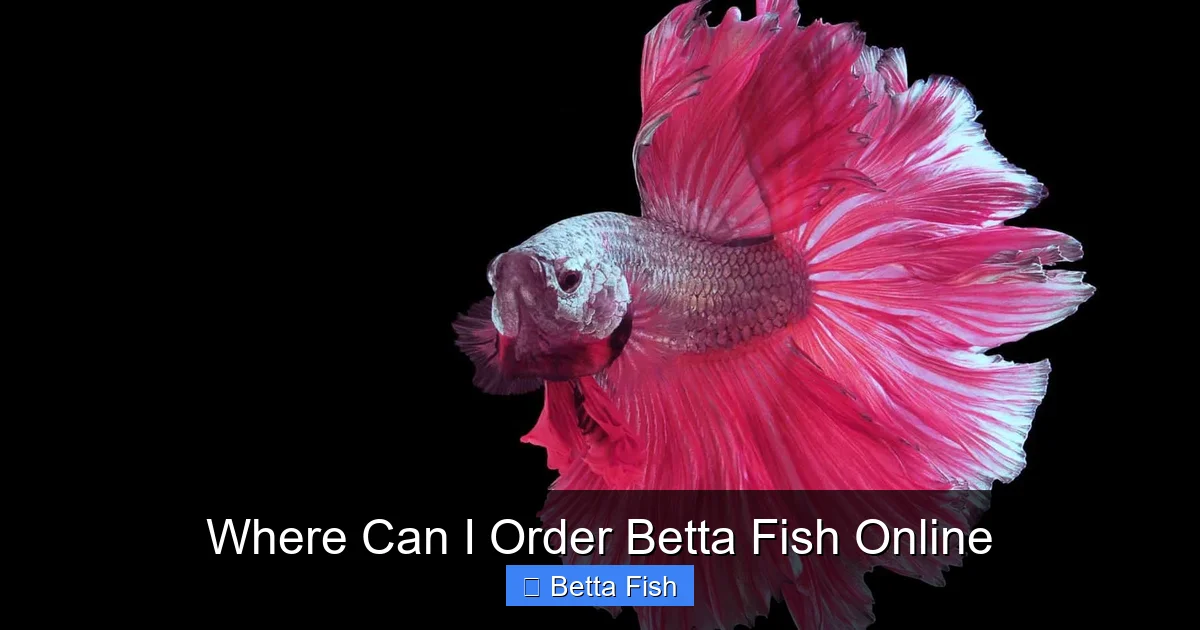
- Look for: The fish actively swimming, not hovering at the top or bottom. Fins should be fully extended (for healthy halfmoons) or at least not visibly clamped or torn. Colors should be vibrant. The body should be torpedo-shaped, not swollen (sign of constipation or dropsy) or emaciated. Eyes should be clear, not cloudy or bulging. No fuzzy white patches (fungus) or red streaks (internal bleeding).
- Red Flags: Only one blurry photo. Fish is in a dirty, chaotic cup. Fish is lethargic or floating upside down in the video. The seller uses the same generic stock photo for multiple fish listings.
Asking the Right Questions Before You Buy
Don’t be shy! A good seller welcomes questions. Email them directly.
- Essential Questions to Ask:
- “Can you provide a video of the specific fish I’m interested in, showing it swimming normally?”
- “What is your exact shipping method? (Should be overnight, e.g., FedEx Priority Overnight or UPS Next Day Air).”
- “What is your packaging process? Do you use heat packs in winter and cold packs in summer?”
- “What is your live-arrival guarantee policy? What proof do you require (photo within 2 hours) and what is the resolution (refund, replacement, store credit)?”
- “Do you recommend a quarantine period for new arrivals?” (Their answer will tell you how experienced they are).
A seller who is vague, defensive, or slow to respond about these basics is not someone you want to trust with a living creature.
The Shipping Marathon: Ensuring a Safe Journey to Your Home
Shipping a live betta is a high-stakes logistical operation. Understanding it helps you prepare and advocate for your fish.
Visual guide about Where Can I Order Betta Fish Online
Image source: japanesefightingfish.org
The Anatomy of a Proper Betta Shipment
A correctly packed betta shipment is a work of art. Here’s what it should include:
- The Bag: A thick, double-layered, oxygen-filled polyethylene bag (often a “kiss” bag). The fish is usually sedated with a mild tranquilizer (like clove oil) to reduce movement and stress during transit. The bag is then sealed and placed inside a second bag.
- Insulation: The bagged fish is placed inside a sturdy, insulated shipping box (like a Styrofoam cooler or a cardboard box with foam inserts).
- Temperature Control: This is critical. In cold weather, one or more heat packs (the 40-hour or 72-hour type) are activated and placed in the box. In hot weather, cold packs are used. The seller should choose the appropriate pack based on the destination’s forecast.
- Cushioning: Packing paper or peanuts fill empty space to prevent the inner bag from moving and being punctured.
- Ventilation & Labeling: The outer box has “Live Animal” and “This Side Up” labels, and sometimes small ventilation holes.
Timing is Everything: The Shipping Schedule
Reputable sellers will ship only on Mondays, Tuesdays, or sometimes Wednesdays for overnight delivery. This ensures the fish is not sitting in a warehouse or delivery truck over a weekend. You should receive a tracking number and an estimated delivery date. You must be home to accept the package immediately. Do not let it sit on your porch. Have your quarantine tank fully set up and ready before the ship date.
Decoding the Live-Arrival Guarantee (LAG)
This is the seller’s promise. Read it carefully.
- Time Window: A good guarantee gives you 2-4 hours from delivery to report a DOA. You must take clear photos/video of the fish in the unopened bag (or immediately after opening if instructed) as proof.
- Resolution: Will they offer a full refund, a replacement fish, or store credit? A replacement is often the best outcome, but be prepared for a wait if they need to breed another.
- Exclusions: Guarantees are typically void if you fail to accept the package promptly, if shipping is delayed by the carrier beyond the seller’s control, or if the fish is not quarantined upon arrival (some sellers require this for health).
From Box to Tank: The Critical Acclimation and Quarantine Process
Your betta has survived the journey. Now, the most delicate phase begins. Rushing this process can kill a perfectly healthy fish.
Step 1: The Float (Temperature Acclimation)
As soon as you accept the box, bring it indoors. Do not open it in a cold garage. Carefully cut open the outer box and remove the inner insulated container. Place the sealed fish bag (still inside its second bag) directly into your quarantine tank. Do not open it yet. Let it float for 15-20 minutes. This equalizes the temperature between the shipping bag water and your tank water.
Step 2: The Drip (Water Parameter Acclimation)
This is the most important step. Using airline tubing and a simple control valve (or even tying a knot in the tubing), set up a very slow drip from your quarantine tank into the floating fish bag. The goal is to slowly replace the shipping water with your clean, treated tank water over a period of 60-90 minutes. This gradual change prevents osmotic shock from differences in pH, hardness, and other parameters.
Step 3: Release and Observation
After the drip, you can carefully net the betta from the bag and gently place it into the quarantine tank. Do not pour the shipping water into your tank. It may contain waste or medication from the breeder. Discard it. For the first hour, keep the lights off and observe. A healthy, stressed betta may hide or be pale initially. This is normal. If it is listing, floating uncontrollably, or showing extreme distress, check your water parameters immediately.
The Non-Negotiable: Quarantine Tank
A separate, bare-bottom quarantine tank (5-10 gallons) with a heater, filter, and hiding spot (like a PVC pipe) is essential. It allows you to:
- Observe the fish for 2-4 weeks for any signs of disease (ich, velvet, fin rot) that may have been incubating during shipping.
- Treat any issues in a controlled environment without exposing your main display tank’s inhabitants.
- Acclimate the fish to your water parameters and diet slowly.
Only after a full, healthy quarantine period should you consider moving the betta to its permanent display tank.
Setting the Stage for Success: Your Betta’s Forever Home
You’ve ordered a stunning betta and brought it home safely. Now, you must provide the environment it deserves. This is where many new owners fail, not because of the fish they bought, but because of the home they built.
Debunking the “Bowl” Myth Once and For All
Let’s be clear: a betta does not belong in a vase, a bowl, or a 1-gallon “desk tank.” This is animal cruelty. Bettas are tropical fish from shallow, but vast, rice paddies and slow-moving streams in Southeast Asia. They need space, clean water, and enrichment.
- The Absolute Minimum: A 5-gallon filtered and heated tank is the absolute smallest acceptable size. This provides stable water parameters and swimming space.
- The Recommended: A 10-gallon tank is the sweet spot for most keepers. It’s easier to maintain water quality, allows for more decor and plants, and gives your betta real room to explore.
The Non-Negotiable Trio: Heater, Filter, and Dechlorinator
- Heater: Bettas need water between 78-80°F (25.5-26.5°C). A reliable, adjustable aquarium heater (25-50 watts depending on tank size) is mandatory. A stick-on thermometer is essential to verify temperature.
- Filter: A filter provides mechanical and biological filtration, keeping the water clean and cycling toxins. Use a filter with a gentle flow (sponge filter is perfect for bettas) or baffle a hang-on-back filter with a sponge to prevent stressing the fish’s long fins.
- Water Conditioner: Never use tap water straight. A dechlorinator (like Seachem Prime) instantly removes chlorine, chloramines, and heavy metals, making tap water safe for fish.
Cycling: The Invisible, Most Important Step
“Cycling” a tank means establishing a colony of beneficial bacteria that consume toxic fish waste (ammonia and nitrite). This process takes 4-6 weeks. You must complete a full nitrogen cycle before adding any fish. Adding a betta to an uncycled tank will expose it to lethal ammonia burns. Use a liquid test kit (like API Freshwater Master Test Kit) to monitor ammonia, nitrite, and nitrate levels. The cycle is complete when you can add a source of ammonia (fish food or pure ammonia) and see it convert to nitrite, then to nitrate, within 24 hours, with zero ammonia or nitrite reading.
Creating a Betta-Friendly Environment
Once cycled, decorate with your betta’s needs in mind.
- Plants: Live plants (like Anubias, Java Fern, Marimo moss balls) are fantastic for water quality and provide gentle resting spots. Silk or live plants are mandatory—plastic plants can tear delicate fins.
- Hiding Spots: Provide caves, driftwood, or large leaf pots. Bettas are curious but also need security.
- Lighting: A standard aquarium light on a 8-10 hour cycle is fine. Avoid overly bright lights if your betta is a plakat (short fin) or seems skittish.
- Tank Mates: The question of “Can I put my betta with other fish?” is complex. A properly cycled, planted 10+ gallon tank with peaceful, fast-moving, non-finning-nipping species (like certain tetras, rasboras, or corydoras catfish) can work. But many bettas are solitary. Always have a backup plan.
Common Pitfalls and How to Avoid Them
Even with the best intentions, new betta owners make mistakes. Here are the most frequent and how to sidestep them.
Mistake 1: The Impulse Buy Without a Tank Ready
“I saw the most beautiful betta online and had to have it! I’ll set up the tank tonight.” This is the #1 cause of failure. The fish arrives to a cold, uncycled bowl and dies within days. The Fix: Order your fish only after your quarantine tank is filled, heated, filtered, and has completed the nitrogen cycle. Have water conditioner, a test kit, and food ready. Patience is a virtue in fishkeeping.
Mistake 2: Overfeeding and Poor Water Quality
“I love my betta, I’ll give him lots of food!” Overfeeding leads to constipation, swim bladder issues, and rapid water pollution from uneaten food. The Fix: Feed a high-quality pellet or frozen food (daphnia, brine shrimp) once or twice a day, only what he can eat in 2-3 minutes. Fast him one day a week. Perform regular 25-50% water changes weekly in a cycled tank, or more frequently in a smaller/quarantine setup.
Mistake 3: Ignoring the Signs of Stress and Illness
New bettas are prone to stress, which compromises their immune system. Common issues include:
- Fin Rot: Fins appear shredded, blackened, or with white edges. Caused by poor water quality.
- Ich (White Spot Disease): Tiny white salt-like grains on the body. Highly contagious.
- Velvet: A gold or rust-colored dusting on the body. Fish will scratch against objects.
The Fix: Observe your fish daily for changes in behavior (hiding, lethargy, loss of appetite) or appearance. At the first sign of illness, increase water quality immediately (water change, test parameters) and research safe treatments (like aquarium salt for fin rot, copper-based medications for ich/velvet—never mix with invertebrates). Quarantine makes treatment easier.
Mistake 4: Underestimating the Commitment
Betta fish, cared for properly, can live 3-5 years, sometimes longer. They are not disposable pets. The Fix: Go into this with the mindset of a long-term companion. Factor in the ongoing costs of food, water conditioner, electricity for heater/filter, and potential medication. Enjoy the daily routine of feeding and observing your fish—it’s incredibly rewarding.
Conclusion: A Journey Worth Taking
Ordering a betta fish online is more than a transaction; it’s the beginning of a relationship with a remarkable creature. By choosing a reputable, ethical breeder or store, you vote with your wallet for better animal welfare. By preparing a proper home in advance and mastering the delicate art of shipping acclimation, you give your new betta the best possible start. The reward is a vibrant, interactive, and long-lived companion that brings a splash of living art and daily fascination to your world. Do your homework, be patient, and get ready to welcome one of the aquarium world’s most charismatic personalities into your life.
Frequently Asked Questions
What is the safest way to ship a betta fish?
The safest method is overnight shipping (FedEx Priority Overnight or UPS Next Day Air) via a seller who uses thick, double-bagged, oxygen-filled bags with proper heat/cold packs depending on the season, all inside an insulated box. Shipping should only occur early in the week to avoid weekend delays.
How long should I acclimate my newly arrived betta fish?
You should perform a slow drip acclimation for at least 60-90 minutes after the initial 15-20 minute temperature float. This gradual process allows the fish to adjust to differences in water chemistry (pH, hardness) between the shipping bag water and your clean quarantine tank water, preventing lethal osmotic shock.
Why is my new betta fish from online losing its color?
Color loss, or “fading,” is extremely common in newly shipped bettas due to immense stress. The change in environment, water parameters, and the journey itself can cause them to become pale and clamp their fins. This is usually temporary. Ensure pristine water quality in your quarantine tank, provide high-quality food (like frozen daphnia), and give it time—vibrant color often returns within 1-2 weeks as the fish calms down.
Can I put my new online betta in my main tank right away?
No, you should never skip quarantine. Always house your new betta in a separate, cycled quarantine tank for a minimum of 2-4 weeks. This allows you to observe for any hidden diseases (like ich or velvet) that shipping stress could trigger, and treat them without risking your entire established aquarium ecosystem.
What should I feed my new betta fish from an online seller?
Start with high-quality betta pellets (soaked briefly) and offer a small portion once a day. After a few days, introduce variety with frozen or freeze-dried foods like daphnia, brine shrimp, or bloodworms (as treats). Avoid overfeeding—a betta’s stomach is the size of its eye. Fast one day a week to aid digestion.
How long do betta fish from online breeders typically live?
With proper care—meaning a cycled, heated tank (5+ gallons), clean water, a balanced diet, and enrichment—betta fish commonly live 3-5 years. Many well-cared-for bettas from quality breeders reach 4-6 years. Their lifespan is directly tied to the environment you provide after they arrive home.