What Causes Tail Rot in Betta Fish
Tail rot in betta fish is caused by bacterial and fungal infections, poor water quality, and stressful tank conditions. Recognizing early signs like frayed or discolored fins can save your fish’s life. This guide covers every cause, symptom, and treatment option you need to know.
Tail rot is one of the most common and serious health problems betta fish owners face. If you have ever noticed your betta’s tail looking ragged, discolored, or slowly disappearing, you may be dealing with this condition. The good news is that understanding what causes tail rot in betta fish puts you in a much better position to prevent and treat it.
Tail rot, also known as fin rot or tail fin decay, happens when bacteria or fungi attack the delicate tissue of your betta’s tail and fins. In many cases, the root cause is something simple, like dirty water or a stressful environment. But if you ignore the early signs, the damage can spread quickly and even become life-threatening. This article breaks down every major cause, the symptoms to watch for, and the steps you can take to keep your betta healthy.
Whether you are a new betta owner or have been keeping fish for years, knowing the causes of tail rot is essential. Let us dive right in and explore what is really going on when your betta’s tail starts to deteriorate.
Key Takeaways
- Poor water quality is the #1 cause of tail rot in betta fish.
- Bacterial and fungal infections thrive in dirty, unfiltered tanks.
- High ammonia and nitrite levels weaken your betta’s immune system.
- Tail rot can be fatal if left untreated, so early detection matters.
- Regular water changes and proper tank maintenance prevent most cases.
- Stress from overcrowding or wrong tank mates increases disease risk.
- Prompt treatment with medication and clean water can reverse tail rot.
📑 Table of Contents
What Is Tail Rot in Betta Fish?
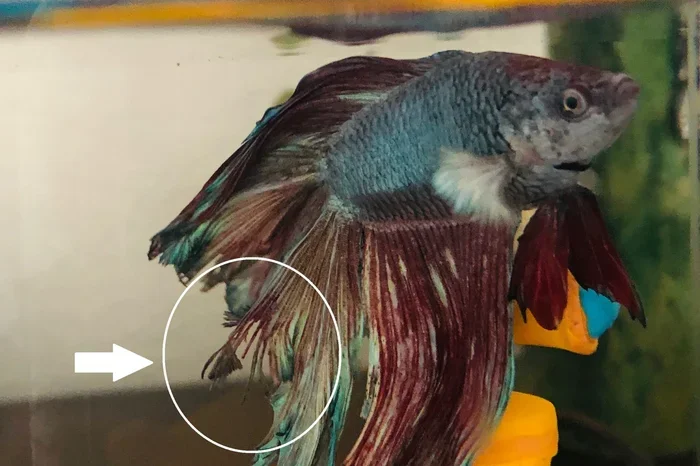
Tail rot is a condition where the tail and fins of a betta fish begin to break down. The edges look ragged or fuzzy, and the fin tissue slowly dissolves. It is not just a cosmetic problem. Tail rot causes real pain and discomfort, and in severe cases, it can be deadly.
Many people confuse tail rot with natural fin wear, but there is a big difference. Normal fin wear looks like small, clean tears. Tail rot looks like the fins are melting away from the edges. The color may change to white, black, or red. And the damage keeps getting worse over time if you do not act.
It is also important to understand that tail rot and fin rot are closely related. They are caused by the same types of organisms and often happen at the same time. The only real difference is the location of the damage. Tail rot specifically targets the tail fin, while fin rot can affect any of the fins.
Top Causes of Tail Rot in Betta Fish
Several factors can trigger tail rot. Most of them are connected to the environment your betta lives in. Let us look at each one in detail.
Poor Water Quality
This is the single biggest cause of tail rot. Betta fish are sensitive creatures, and they need clean, stable water to stay healthy. When the water in the tank becomes dirty, harmful chemicals build up. These chemicals, especially ammonia and nitrite, damage the delicate skin and fins of your betta.
Dirty water also creates the perfect breeding ground for bacteria. The bacteria that cause tail rot are always present in aquarium water, but they usually do not harm healthy fish. When water quality drops, your betta becomes weakened, and the bacteria take advantage.
Common water quality problems include:
- High ammonia levels from fish waste and uneaten food
- Elevated nitrite levels from an uncycled tank
- High nitrate levels from infrequent water changes
- pH swings caused by lack of maintenance
- Dirty substrate that traps waste and releases toxins
Bacterial Infections
Bacteria are the primary culprits behind tail rot. The most common type is Columnaris, a bacterium that thrives in warm, stagnant water. It attacks the fins and tail first, causing them to look ragged and white or gray around the edges.
Bacterial infections often start after a minor injury. If your betta bumps into a sharp decoration or gets nipped by a tank mate, the bacteria can enter through the wound. Once inside, they spread quickly through the fin tissue. This is why even small cuts on the fins should be taken seriously.
Another type of bacteria, Flexibacter, can also cause tail rot. This bacteria is more aggressive and can destroy large sections of the tail in just a few days. Both types of bacterial infections are more likely when water quality is poor or when your betta is stressed.
Fungal Infections
While bacteria cause most cases of tail rot, fungi can also be responsible. Fungal tail rot usually looks different from bacterial rot. Instead of ragged, melting edges, fungal infections often appear as white or gray fluffy patches on the tail and fins.
Fungal infections are less common than bacterial ones, but they are still a real threat. They tend to strike when a fish is already weakened by another illness or poor living conditions. Fungal spores are always floating in the water, waiting for an opportunity to infect a vulnerable fish.
Stress and Weakened Immune System
Stress plays a huge role in tail rot. When a betta fish is stressed, its immune system weakens. A weak immune system cannot fight off the bacteria and fungi that cause tail rot. So even if the water quality is decent, a stressed betta is much more likely to get sick.
Common stressors for betta fish include:
- Overcrowded tanks with too many fish
- Aggressive tank mates that chase or nip at fins
- Incorrect water temperature outside the ideal range
- Lack of hiding spots and enrichment
- Sudden changes in water parameters
- Bright lights or constant noise near the tank
Stress is often the hidden trigger that turns a minor infection into a full-blown case of tail rot. If your betta is constantly hiding or staying at the bottom of the tank, that is a sign something is wrong.
Wrong Tank Setup and Decorations
The way you set up your betta’s tank matters more than most people realize. Sharp or rough decorations can scratch your betta’s fins and tail. These tiny wounds become entry points for bacteria and fungi. Over time, these small injuries can develop into tail rot.
Some decorations to avoid include:
- Plastic plants with sharp edges
- Rough gravel or sharp rocks
- Driftwood with splintered wood
- Metal ornaments that can rust
On the other hand, a well-planted tank with smooth silk plants and soft substrate can actually help prevent tail rot. Live plants also improve water quality by absorbing ammonia and producing oxygen. If you are wondering what can go in with a betta fish, the answer is soft silk plants, smooth rocks, and gentle decorations that will not damage delicate fins.
Inadequate Tank Size and Filtration
The size of your betta’s tank and the quality of your filter directly impact tail rot risk. A tank that is too small accumulates toxins fast. Even with regular water changes, a tiny bowl or vase cannot maintain stable water parameters for long.
Similarly, a filter that is too weak or too strong causes problems. A weak filter does not remove waste effectively, leading to dirty water. A filter with too strong a current can exhaust your betta and damage its fins through constant friction. The ideal setup is a filtered tank with gentle water flow and enough space for your betta to swim comfortably.
Temperature also matters a great deal. If your tank is too cold or too hot, your betta becomes stressed and more susceptible to disease. Keeping the water at the right temperature is one of the simplest ways to prevent tail rot and many other betta fish diseases.
How to Tell if Your Betta Has Tail Rot
Catching tail rot early is the key to saving your betta. The condition gets worse quickly, so you need to check your fish regularly. Here are the main signs to look for:
- Frayed or torn edges on the tail and fins
- White, gray, or black discoloration along the fin edges
- Fins that appear to be melting away from the tips
- Redness or inflammation at the base of the fins
- Clamped fins held close to the body
- Loss of appetite or refusing to eat
- Lethargy and staying at the bottom of the tank
- Rapid breathing or gasping at the water surface
If you notice any of these signs, act fast. The longer you wait, the more damage the infection causes. In severe cases, tail rot can spread to the body and become untreatable. This is why many experienced fish keepers recommend checking your betta’s fins every time you feed it.
Can Tail Rot Kill a Betta Fish?
The honest answer is yes, tail rot can be fatal. When the infection spreads beyond the fins and reaches the body, it can attack internal organs. At that point, the damage is often irreversible. This is what makes early detection and treatment so critical.
Many people underestimate tail rot because it starts as a small tear or discoloration. But within days, it can progress to the point where large portions of the tail are gone. If you are wondering whether a betta can die from tail rot, the answer is absolutely. The bacteria and fungi do not stop at the fins. They keep eating into living tissue, and eventually, the infection becomes systemic.
The good news is that most cases of tail rot are treatable if you catch them early. A fish with a mild case has an excellent chance of full recovery with proper care. This is why every betta owner should learn the signs and act immediately.
Preventing Tail Rot in Your Betta Fish
Prevention is always better than cure, and tail rot is no exception. The steps you take to keep your betta’s environment clean and stress-free will go a long way toward preventing this disease.
Maintain Clean Water
This is the foundation of betta fish care. Perform regular water changes, at least 25 to 30 percent every week. Use a gravel vacuum to remove waste from the substrate. Test your water parameters regularly with a liquid test kit, not just test strips. Keep ammonia and nitrite at zero, and nitrate below 20 ppm.
Also make sure your tank is properly cycled before you add your betta. An uncycled tank will have dangerous spikes in ammonia and nitrite that can cause tail rot and many other diseases. If you are unsure about water quality, consider using conditioned tap water or purified water to avoid introducing chlorine and chloramine into the tank.
Keep the Right Temperature
Betta fish need warm water to stay healthy. The ideal temperature range is between 76 and 82 degrees Fahrenheit (24 to 28 degrees Celsius). A heater is essential for maintaining a stable temperature, especially in cooler rooms. Fluctuating temperatures stress your betta and make it more vulnerable to infections.
Choose Tank Mates Wisely
Not all fish get along with bettas. Aggressive or fin-nipping species can cause injuries that lead to tail rot. If you are thinking about adding companions, choose peaceful, small species that will not bother your betta’s fins. Avoid fish with long, flowing fins that might trigger fin-nipping behavior.
Provide a Stress-Free Environment
Give your betta plenty of hiding spots, gentle lighting, and smooth decorations. A well-planted tank with silk plants and soft substrate reduces stress and prevents fin damage. Keep the tank in a quiet area away from loud noises and direct sunlight. A calm, stable environment helps your betta’s immune system stay strong.
Treating Tail Rot in Betta Fish
If your betta already has tail rot, do not panic. There are effective treatments available, and many fish recover fully with prompt care. The treatment you choose depends on the severity of the infection.
For mild cases, start with a water change and clean the tank thoroughly. Remove any uneaten food and waste. Check your water parameters and adjust as needed. Adding aquarium salt at a low dose can help fight mild bacterial and fungal infections. Mix one teaspoon of aquarium salt per gallon of water and keep your betta in this solution for three to five days.
For moderate to severe cases, you will need medication. Antibacterial treatments specifically designed for fish are very effective against the bacteria that cause tail rot. Look for products that target gram-negative bacteria, as these are the most common cause of fin and tail rot. Follow the dosage instructions carefully and continue treatment for the full recommended duration, even if you start seeing improvement.
If your betta is in a community tank, move it to a quarantine tank during treatment. This protects other fish and makes it easier to monitor your betta’s progress. Also, remove any activated carbon from your filter during treatment, as it can absorb the medication and reduce its effectiveness.
After treatment, continue with regular water changes and maintain excellent water quality. Your betta’s fins should start to regrow within a few weeks if the infection is caught and treated in time. Many people wonder, do betta fish fins grow back after fin rot? The answer is yes, in most cases. Fin regrowth takes time, but with clean water and proper care, your betta can recover beautifully.
Remember that tail rot is not something to take lightly. If you notice any signs of infection, take action immediately. The faster you treat it, the better your betta’s chances of a full recovery. For more information on the risks and outcomes, you can read about whether betta fish can die from tail rot to understand why prompt action matters so much.
Final Thoughts
Tail rot is a serious but preventable condition that affects many betta fish. The main causes, including poor water quality, bacterial and fungal infections, stress, and an improper tank setup, are all within your control. By keeping the water clean, maintaining stable parameters, and reducing stress, you can dramatically lower the risk of tail rot.
If you do notice the signs, do not wait. Early treatment makes all the difference. A few simple steps, like a water change and aquarium salt, can stop a mild case from becoming a deadly one. And for more severe infections, medications are readily available and very effective when used correctly.
Your betta fish depends on you for its health and well-being. Understanding what causes tail rot is the first step toward being a responsible and caring fish owner. With the right knowledge and a little daily attention, you can keep your betta happy, healthy, and free from tail rot for years to come.
Frequently Asked Questions
Can tail rot in betta fish spread to other fish?
Yes, the bacteria that cause tail rot can spread to other fish in the same tank, especially if they are already stressed or have weakened immune systems. This is why quarantining a sick betta is strongly recommended. Keeping water quality high in the main tank also helps prevent the spread of infection to other fish.
How long does it take for tail rot to heal?
Mild cases of tail rot can start improving within three to five days of treatment. Full fin regrowth may take two to four weeks depending on the severity. Severe cases that have spread to the body take longer and may not fully recover. Consistent water changes and proper medication speed up the healing process significantly.
Is tail rot the same as fin rot in betta fish?
Tail rot and fin rot are essentially the same condition, just affecting different parts of the fish. Tail rot specifically targets the tail fin, while fin rot can affect any of the fins. Both are caused by the same bacteria and fungi, and both require the same treatment approach, including clean water and antibacterial medication.
Can I use tap water after treating tail rot in my betta tank?
You can use tap water, but it must be treated with a water conditioner first to remove chlorine and chloramine. These chemicals irritate the fins and slow down healing. Always let tap water sit for 24 hours or use a conditioner before adding it to the tank, especially during the treatment period.
What tank size is best for preventing tail rot in betta fish?
A tank of at least 5 gallons is recommended for a single betta fish. Larger tanks are even better because they provide more stable water parameters. Small bowls and vases accumulate toxins quickly and make it harder to maintain clean water, which increases the risk of tail rot and other diseases.
Does water temperature affect tail rot in betta fish?
Yes, water temperature has a big impact on tail rot. Cold water slows down a betta’s immune system and makes it more vulnerable to infections. Water that is too hot also causes stress. Keeping the temperature between 76 and 82 degrees Fahrenheit creates the ideal environment for a healthy betta that can fight off infections effectively.