Can Betta Fish Fins Grow Back
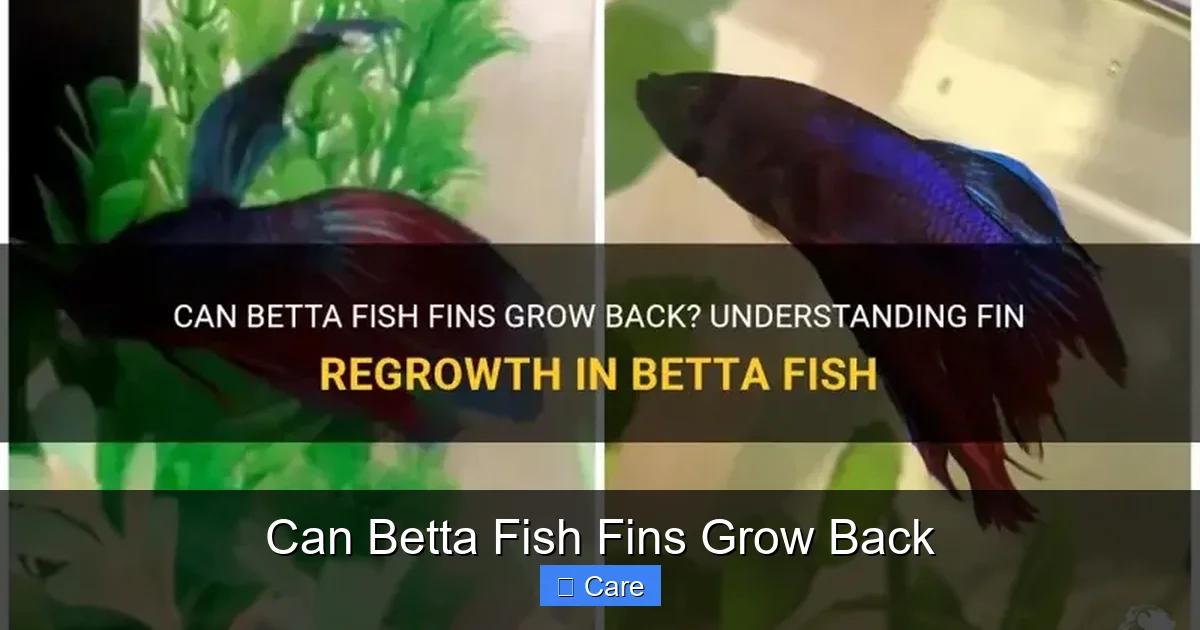
Betta fins can often regrow if you act quickly and provide proper care. Understanding the causes of fin damage, creating ideal water conditions, and using the right treatments are key to a successful recovery.
Key Takeaways
- Understanding can betta fish fins grow back: Provides essential knowledge
📑 Table of Contents
- Introduction: Why Betta Fin Health Is a Big Deal
- Understanding Betta Fin Anatomy
- Common Causes of Fin Damage
- Step‑by‑Step Guide: Helping Your Betta Regrow Its Fins
- Real‑World Example: From Torn Tail to Full Glory
- Preventing Future Fin Damage
- Conclusion: Yes, Betta Fins Can Grow Back—with the Right Care
Introduction: Why Betta Fin Health Is a Big Deal
When you first bring a betta home, you’re drawn to the dazzling colors and flowing fins that look like a tiny sailboat on water. Those fins aren’t just for show; they’re a sign of health, confidence, and overall well‑being. If you ever wondered, can betta fish fins grow back, you’re not alone. Many hobbyists face torn, ragged, or missing fins and worry that their fish will never look the same again.
Good news: bettas are remarkably resilient. With the right environment, nutrition, and a little patience, those shredded edges can knit themselves back together. This guide walks you through everything you need to know—from the science of fin regeneration to step‑by‑step care plans—so you can answer the question, can betta fish fins grow back, with confidence.
Understanding Betta Fin Anatomy
What Are Betta Fins Made Of?
Betta fins are composed of thin, flexible rays called *lepidotrichia* that are covered by a delicate membrane. This structure is similar to a feather: the rays provide support while the membrane supplies the colorful surface we admire. Because the membrane is so thin, it can be easily torn by sharp décor, aggressive tank mates, or even the fish’s own fins during play.
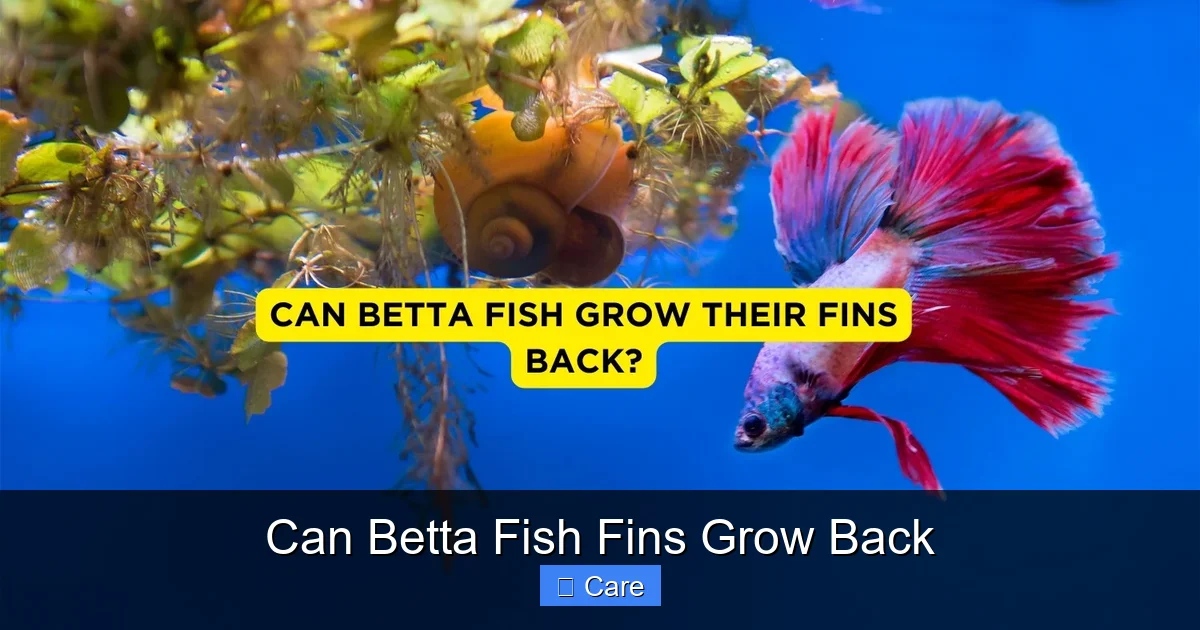
Visual guide about Can Betta Fish Fins Grow Back
Image source: fishtrivia.com
How Regeneration Works
Fish have a natural ability to repair damaged tissue. When a fin is torn, special cells called *blastema* form at the wound edge. These cells multiply and differentiate into new fin rays and skin. The process is slower than mammalian wound healing, but it’s effective—provided the water stays clean and the fish isn’t stressed.
Factors That Influence Regrowth Speed
- Age: Younger bettas heal faster because their cells divide more actively.
- Severity of Damage: Small nicks may close in a week, while large tears can take months.
- Water Quality: High ammonia or nitrite levels can halt regeneration and cause infection.
- Nutrition: Protein‑rich diets supply the building blocks for new tissue.
- Stress Level: Chronic stress releases cortisol, which slows cell growth.
Common Causes of Fin Damage
Aggressive Tank Mates
Even though bettas are often called “fighting fish,” they can coexist peacefully with certain species. However, fin‑nipping fish like guppies, tetras, or barbs may nip at the delicate edges, leading to ragged fins. If you ask, can betta fish fins grow back, the answer depends on removing the aggressor quickly.
Visual guide about Can Betta Fish Fins Grow Back
Image source: aquifarm.com
Physical Injuries
Sharp decorations, broken tank glass, or rough handling during netting can cause tears. A common scenario is a betta jumping out of the water and landing on a hard surface, leaving a split tail.
Diseases and Infections
Fin rot, caused by bacterial or fungal pathogens, often starts as a small edge tear that becomes black, frayed, and eventually rots away. Parasites like Gill Flukes can also damage fins. When disease is the culprit, the question can betta fish fins grow back hinges on treating the infection first.
Water Quality Issues
High nitrate, ammonia, or a fluctuating pH can weaken the fin membrane, making it more prone to tearing. Poor water also encourages opportunistic bacteria that slow or stop regrowth.
Step‑by‑Step Guide: Helping Your Betta Regrow Its Fins
1. Diagnose the Problem
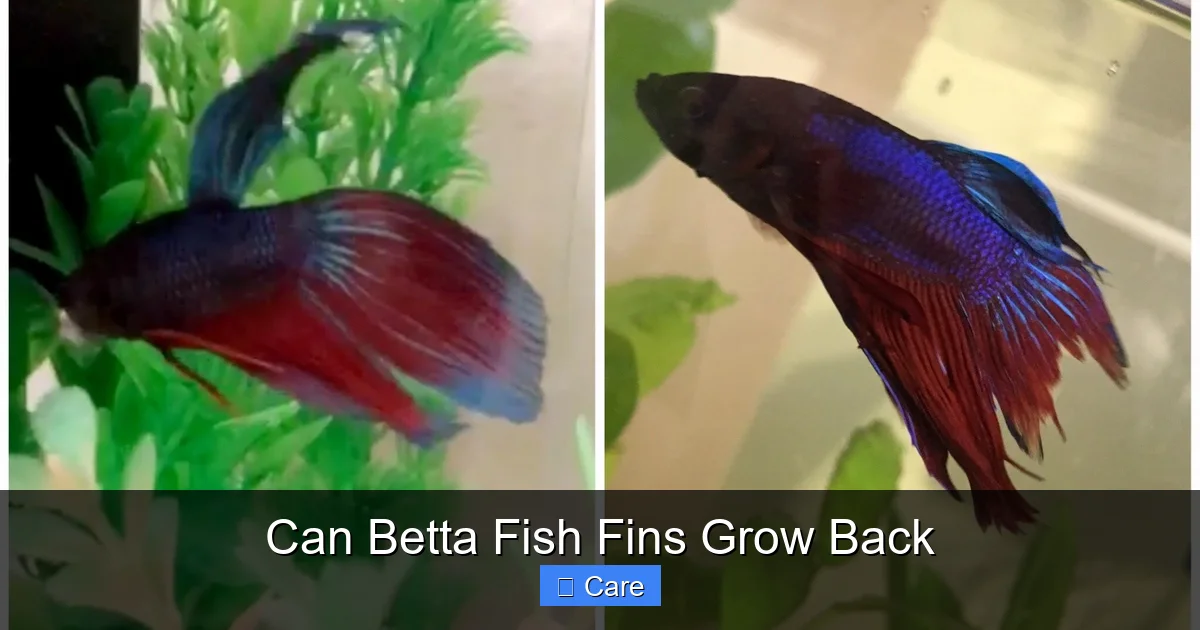
Before you start a treatment plan, look closely at the fin:
Visual guide about Can Betta Fish Fins Grow Back
Image source: bettafishworld.com
- Is the edge clean or ragged?
- Are there black tips, slime, or a foul smell?
- Is the damage isolated or spreading?
If you see signs of infection (black, fuzzy growth), you’ll need medication before focusing on regrowth.
2. Optimize Water Conditions
Clean water is the foundation for any healing process. Follow these steps:
- Cycle the tank: Ensure a fully established nitrogen cycle (ammonia → nitrite → nitrate).
- Test weekly: Keep ammonia at 0 ppm, nitrite at 0 ppm, and nitrates below 20 ppm.
- Partial water changes: Replace 25‑30 % of water every 2‑3 days during regrowth.
- Temperature: Maintain 78‑80°F (25‑27°C) for optimal metabolism.
- pH: Keep between 6.5‑7.5; sudden swings impede healing.
3. Remove Stressors
If aggressive tank mates are the cause, consider a solo setup or a community with proven peace‑keepers like small rasboras or dwarf shrimp. Also, eliminate sharp décor—use smooth rocks, live plants, or silicone‑sealed driftwood.
4. Treat Infections Promptly
When fin rot is present, start a short course of medication:
- Antibacterial: Maracyn 2 (erythromycin) for 5‑7 days.
- Antifungal: Melafix or API Fungus Cure for fungal elements.
- Combination: API General Cure works for mixed infections.
Always follow the label dosage and remove carbon from the filter while treating.
5. Upgrade Nutrition
Protein is the building block for new fin tissue. Offer a varied diet:
- High‑protein pellets: Betta-specific pellets with 40‑45 % protein.
- Live or frozen foods: Daphnia, bloodworms, or brine shrimp 2‑3 times a week.
- Supplements: A pinch of finely crushed fish flakes high in vitamin C and B‑complex supports collagen formation.
6. Use Healing Aids
Several hobbyist‑approved products can speed up regrowth:
- Seaweed extract (e.g., Kordon Seaweed): Provides natural growth hormones.
- Betta-specific fin regrowth gels: Contain aloe vera and herbal extracts that soothe wounds.
- Salt baths: A 1 g / L aquarium salt soak for 15‑20 minutes once a day can reduce bacterial load.
7. Monitor Progress
Take a clear photo every 3‑4 days. Look for:
- New pinkish tissue forming at the edge.
- Reduced black or frayed spots.
- Improved swimming behavior.
If the fin continues to deteriorate after a week of treatment, revisit water parameters and consider a second round of medication.
Real‑World Example: From Torn Tail to Full Glory
Case Study: “Blue‑Lightning” the Betta
Blue‑Lightning, a 6‑month‑old male betta, arrived with a 50 % torn tail that had turned black at the edges. The owner performed a water test and found ammonia at 0.5 ppm and nitrates at 35 ppm. After a 30‑minute salt bath, they started Maracyn 2 and performed 30 % water changes daily.
Within five days, the black tips faded, and new pink tissue began to appear. By day 21, the tail had grown back 80 % of its original length, and the fin was smooth again. The owner kept the tank at 78°F, fed a mix of live daphnia and high‑protein pellets, and avoided any new tank mates.
This story illustrates that when you ask, can betta fish fins grow back, the answer is a confident yes—provided you address water quality, treat infection, and boost nutrition.
Preventing Future Fin Damage
Design a Betta‑Friendly Tank
Use a minimum of 5‑gallon (19 L) space, a gentle filter with low flow, and plenty of hiding spots. Live plants like Anubias or Java moss cushion the fins and reduce stress.
Choose Compatible Tank Mates Wisely
If you want a community, opt for peaceful, non‑nipping species: small rasboras, dwarf corydoras, or shrimp. Avoid fin‑nippers such as Tiger Barbs or larger tetras.
Handle with Care
Never grab the betta by the tail. Use a soft net or gently coax the fish onto a cupped hand. When moving the fish, keep water depth shallow to avoid jumps.
Regular Maintenance Routine
- Weekly water changes of 20‑30 %.
- Monthly substrate vacuum.
- Quarterly filter media replacement.
- Bi‑monthly water parameter testing.
Conclusion: Yes, Betta Fins Can Grow Back—with the Right Care
The short answer to the headline question—can betta fish fins grow back—is a resounding yes. Betta fish possess a natural ability to regenerate fin tissue, but that ability thrives only in clean, stable water, proper nutrition, and a low‑stress environment. By identifying the cause of fin damage, treating infections promptly, and following the step‑by‑step care plan outlined above, you can watch those torn edges smooth out and your betta flaunt a vibrant, full‑sized tail once again.
Remember, patience is key. Regeneration is a gradual process, and rushing it can lead to setbacks. Keep a close eye on water quality, feed a protein‑rich diet, and give your betta the calm, safe space it deserves. In time, you’ll see a beautiful transformation that proves nature’s healing power—and your dedication—are a perfect match.
Frequently Asked Questions
Can betta fish fins fully regrow after a severe tear?
Yes, most bettas can regrow even large tears, but full restoration may take several weeks to months and requires optimal water conditions and nutrition.
What is the fastest way to encourage fin regrowth?
Maintain pristine water, treat any infection immediately, and feed high‑protein foods like live daphnia or specialized betta pellets daily.
Is it safe to use aquarium salt for fin healing?
Yes, a mild salt bath (1 g / L) for 15‑20 minutes can reduce bacterial load and promote healing, but avoid using salt long‑term in a freshwater betta tank.
Can poor diet stop fin regrowth?
Absolutely. Without enough protein and essential vitamins, the fish lacks the building blocks needed to rebuild fin tissue.
Do betta fish need medication for all fin damage?
No. If the fin is clean and the water is stable, you may only need to improve conditions. Medication is necessary only when infection or fin rot is present.
How often should I change the water while my betta’s fins are healing?
During the healing phase, perform 25‑30 % water changes every 2‑3 days to keep ammonia and nitrite at zero and provide fresh, oxygen‑rich water.