Where to Buy Beautiful Betta Fish

Finding a truly beautiful betta fish means sourcing from a reputable seller who prioritizes health and genetics. Avoid big-box stores and prioritize specialized breeders, either local or online, who can provide detailed care histories. Always inspect for signs of vitality like active swimming and undamaged fins before purchasing. A stunning betta starts with a healthy foundation, so your choice of seller is the most critical first step.
So, you’ve fallen under the spell of the betta fish. That flowing silk of a halfmoon tail, the shimmering iridescence of a blue mustard gas, the bold, fiery red of a plakat. They are living jewels, each one a tiny masterpiece. But here’s the crucial first step in your betta journey: knowing where to buy beautiful betta fish. The source doesn’t just determine the price tag; it dictates the fish’s health, temperament, and ultimately, its lifespan and splendor in your care. A stunning betta from a poor source is a heartbreak waiting to happen. A healthy, well-bred betta from a reputable seller will thrive and dazzle for years. This guide will navigate you past the common pitfalls and straight to the sources that celebrate these fish for the incredible creatures they are.
Key Takeaways
- Prioritize Reputable Breeders Over Retailers: Seek out dedicated betta breeders or specialized stores, not general pet shops, for healthier, more vibrantly colored fish with better genetics.
- Health is the Ultimate Beauty: A betta’s true beauty stems from its vitality. Look for clear eyes, intact fins, active swimming, and a healthy appetite before falling for color.
- Online Offers Unmatched Variety: Online breeders and farms provide access to rare color patterns and fin types (like halfmoons and rosetails) you won’t find locally.
- Shipping Requires Extra Care: If buying online, choose sellers with excellent shipping policies (live arrival guarantees, heat/cold packs) and be prepared to acclimate your new betta slowly.
- Ask Questions: A good seller will happily answer questions about the fish’s age, diet, and health history. Evasiveness is a major red flag.
- Quarantine is Non-Negotiable: Always quarantine a new betta for 2-4 weeks in a separate tank to protect your existing aquarium from potential disease.
- Be Patient: Don’t rush. The most beautiful betta for *you* is one that is healthy and fits your experience level. Wait for the right one to appear.
📑 Table of Contents
- What Does “Beautiful” Really Mean in a Betta?
- The Local Option: Visiting Pet Stores and Specialty Shops
- The Online Frontier: Connecting with Dedicated Breeders
- Specialized Betta Farms and Auction Platforms
- The Ultimate Buyer’s Checklist: Separating Gem from Junk
- Bringing Your Beauty Home: The First Steps
- Conclusion: The Reward of a Well-Sourced Betta
What Does “Beautiful” Really Mean in a Betta?
Before we talk about where to buy, we must define what we’re looking for. “Beautiful” is subjective, but in the betta world, it’s a blend of specific genetics and, most importantly, robust health.
The Palette: Color and Pattern
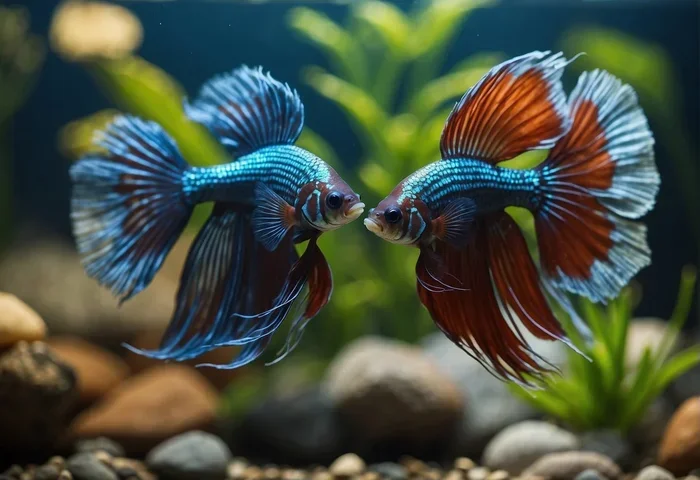
Betta beauty often starts with color. We’re not talking about a simple red or blue. The hobby celebrates incredible varieties:
- Solid: Deep, even coloration across the entire body and fins.
- Butterfly: A solid body color with fins that have a different, usually contrasting, color at the edges, like a butterfly wing.
- Marbled: A changing pattern, often on a lighter base, that can shift over the fish’s lifetime.
- Dragon: Thick, metallic scales that give a armored, scale-like appearance, often in copper or gold.
- Multicolor: A vibrant mix of three or more distinct colors in one fish.
- Koi: Patterned like a Japanese koi fish, with patches of red, white, and black.
True beauty here is the intensity and clarity of the color. Dull, faded, or “washed-out” colors can indicate stress, poor water quality, or simply weak genetics.
The Silhouette: Fin Type and Body
The flow and form are equally important. The most coveted fin type is the Halfmoon (HM), where the tail spreads a full 180 degrees like a semicircle. Variations include:
- Delta: Tail spreads less than 180 degrees, but is still broad and flowing.
- Rosetail/Feathertail: A halfmoon with extra ray branching, creating a lacy, feather-like edge (requires exceptional care).
- Veiltail: Long, flowing single tail that dips at the end. Common but can be very elegant.
- Plakat (PK): Short, stocky fins. prized for their hardiness, active nature, and bold colors. Their beauty is in their muscular, athletic look.
Beyond the tail, look for a clean, streamlined body without kinks or deformities. The dorsal fin should be proportional and graceful.
Health: The Non-Negotiable Foundation
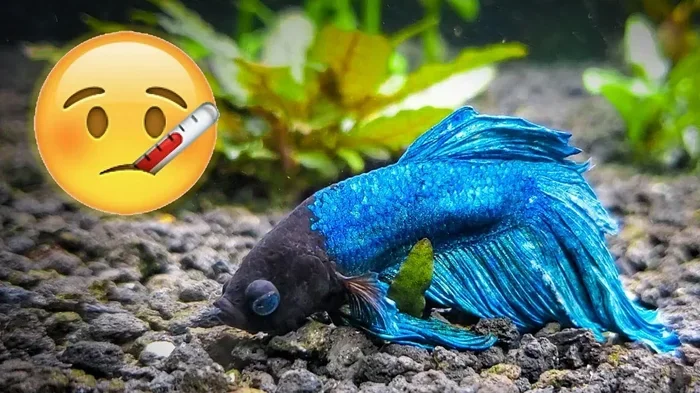
No color pattern or fin type can make up for a sick fish. A beautiful betta is a healthy betta. Signs of health are your first filter:
- Vibrant, clear color (not faded or pale)
- Fins are full, undamaged, and not clamped (held tightly against the body)
- Eyes are clear and protruding (not cloudy or sunken)
- Active and curious swimming, not lethargic or floating uncontrollably
- Healthy appetite (observable at feeding time)
- No visible parasites, fungus, or ulcers
A fish displaying these traits, even with a “simpler” color, is a far better purchase than a “rare” koi that is listless and frayed.
The Local Option: Visiting Pet Stores and Specialty Shops
There’s something wonderful about seeing a betta in person, swimming in its cup, and choosing it with your own eyes. Local shopping can be a fantastic experience—if you know where to look.

Visual guide about Where to Buy Beautiful Betta Fish
Image source: c8.alamy.com
Pros: Seeing is Believing
The biggest advantage is immediate selection and no shipping risk. You can assess the fish’s health and activity level firsthand. You also build a local relationship with a store that can offer ongoing advice and support. Some fantastic, independently owned “ma and pa” pet stores curate their bettas carefully and work with local breeders.
Cons: The Dark Side of the Cup
The vast majority of bettas in large chain pet stores (like big-box retailers) come from commercial breeding mills in Southeast Asia. They are shipped as tiny juveniles, often in poor conditions, and spend weeks or months in tiny, dirty cups at the store. Common issues include:
- Extreme stress and fin rot from poor water and overcrowding.
- Constant temperature shock from being near cold windows or under hot lights.
- Lack of proper nutrition (often only fed ant eggs or nothing at all).
- High mortality rates soon after purchase.
You might find a hidden gem in a cup, but you’re sifting through a lot of suffering to find it.
How to Evaluate a Local Store
If you go local, become a detective:
- Inspect the Habitat: Are the cups clean? Is the water changed regularly? Are there dead fish in other cups? Is the temperature appropriate (tropical, not cold)?
- Observe the Fish: Spend 5-10 minutes watching your potential betta. Does it flare at you or its reflection? Is it active? Are its fins pristine?
- Ask Questions: “Where do you get your bettas?” “How long have they been here?” “What do you feed them?” A knowledgeable, transparent answer is a great sign. A shrug or “we get them from a distributor” is not.
- Look for Specialty Stores: Seek out stores that specialize in fish, not general pet supplies. They often have better stock and more knowledgeable staff.
Supporting a local store that ethically sources and cares for its bettas is an excellent choice. Supporting a chain that treats them as disposable decor is not.
The Online Frontier: Connecting with Dedicated Breeders
This is where the real treasure trove of betta beauty lies. The internet has connected hobbyists worldwide, creating a marketplace for exquisite, selectively bred bettas that you will never see in a local store.

Visual guide about Where to Buy Beautiful Betta Fish
Image source: img.freepik.com
Why Online Breeders Are the Gold Standard
Serious betta breeders are artists and geneticists. They:
- Select for specific traits over generations, producing consistent color and form.
- Raise their fish in optimal conditions from birth—spacious, heated, filtered tanks with high-quality food.
- Health-test their broodstock for diseases like velvet or popeye.
- Provide detailed pedigrees and photos/videos so you know exactly what you’re getting.
- Offer a huge variety—from perfect halfmoons to rare solid blacks and intricate multicolors.
You are buying from an expert who loves the fish, not a commodity from a mill.
Finding a Reputable Online Breeder
This requires research. Start with these trusted avenues:
- Betta Fish Forums & Facebook Groups: Communities like the International Betta Congress (IBC) or specific “Betta For Sale” groups are invaluable. Members share experiences, recommend breeders, and often have fish for sale themselves. This is the best way to get honest reviews.
- Specialized Breeder Websites: Look for professional sites with clear policies, detailed fish profiles with multiple high-quality photos and videos, and information about their breeding philosophy. Avoid sites that look like generic drop-shipping operations.
- IBC & BCA Shows: The International Betta Congress and Betta Club of America hold judged shows. The breeders who consistently win are producing top-tier fish. Many have websites and sell to the public.
Red flags to avoid: Prices that seem too good to be true, no health guarantee, poor communication, no photos of the actual fish for sale (using stock images), and requests for unconventional payment methods (like wire transfers only).
Navigating Shipping and Acclimation
Shipping live fish is a science. A good breeder will:
- Ship early in the week (Mon-Wed) to avoid weekend delays.
- Use proper insulated boxes with heat or cold packs as needed.
- Bag the fish correctly (usually with pure oxygen and a small amount of water).
- Offer a live arrival guarantee (typically requiring you to open the box immediately and notify them with photo proof within a set time, e.g., 2 hours).
Your Role on Arrival: The day the fish arrives, do NOT pour him into your tank. Float the sealed bag in your aquarium for 15-20 minutes to equalize temperature. Then, slowly add small amounts of your tank water to the bag over the next 30-60 minutes (drip acclimation is even better). Finally, net the betta and gently place him in your tank, discarding the bag water. This slow process prevents shock from differences in water chemistry and temperature.
Specialized Betta Farms and Auction Platforms
For the true enthusiast, there’s another level: the large-scale betta farm and the live auction.
The Farm Experience
Places like Thailand’s famous betta farms (many now sell internationally) are the source of the global betta trade. While some are commercial mills, others are world-class operations breeding show-quality fish. Buying directly from a farm can be an adventure, but it involves navigating international shipping, regulations, and potentially high costs. For most hobbyists, purchasing from a US-based or EU-based reseller who imports from these top farms is a more practical way to access their stock.
The Thrill of the Auction
Websites like Aquabid.com host live online auctions for fish, including bettas. Here, you can bid on fish from breeders across the country (and world). It’s a fantastic way to get a specific, high-quality fish, but it’s competitive and can drive prices up. The process is secure: you pay the auction site, the seller ships to you. Always check the seller’s feedback meticulously before bidding. Auctions also have a “Buy It Now” section for fixed-price purchases from vetted sellers.
The Ultimate Buyer’s Checklist: Separating Gem from Junk
Whether you’re clicking “add to cart” online or pointing at a cup, this checklist is your defense against a bad purchase.

Visual guide about Where to Buy Beautiful Betta Fish
Image source: thumbs.dreamstime.com
Physical Health Inspection (The Non-Negotiables)
- Fins: Full, flowing, no tears, splits, or black/white edges (signs of fin rot). No “clamping.”
- Body: Smooth, no lumps, bumps, or sunk-in areas (signs of internal issues). Scales should lie flat.
- Eyes: Clear, bright, and protruding normally. No cloudiness.
- Gills: Bright red or pink, moving steadily. Not constantly flared (stress) or covered in white fuzz (fungus).
- Behavior: Active, curious, swimming with purpose. Should react to your presence. Avoid fish that are listless, floating at the top or bottom, or constantly hiding.
Seller Vetting: Your Due Diligence
- Transparency: Does the seller provide clear, recent photos/videos of the *exact* fish you’re buying? Can they answer questions about its age, diet, and parentage?
- Policies: Is there a clear live arrival guarantee? What is their policy on DOA (Dead On Arrival) claims? It should be reasonable (e.g., notification with photo within 2-4 hours).
- Reviews: Search for the seller’s name + “review” or “feedback.” Check forums. Consistently positive feedback is key.
- Communication: Do they respond promptly and professionally to your inquiries?
Red Flags to Run From
- Extremely low prices for “rare” colors (e.g., a $20 koi halfmoon). You get what you pay for.
- Stock photos only. No real images of the individual fish.
- No health guarantees or vague, unreasonable policies.
- Sellers who also sell dozens of other exotic species (like discus, stingrays) alongside hundreds of bettas. They are likely a wholesale distributor, not a dedicated breeder.
- Vague answers about the fish’s origin or health.
Bringing Your Beauty Home: The First Steps
You’ve found your stunner and placed your order. The work isn’t done. How you receive and house your new betta sets the stage for its long-term health and beauty.
Quarantine: The Essential Buffer
Never, ever put a new betta directly into your display tank. Even the healthiest-looking fish can be carrying pathogens that will devastate your established ecosystem. Set up a simple quarantine tank—a 5-10 gallon filtered, heated tank with a heater, a sponge filter (gentle flow), and some hiding places. Observe your new betta in this separate system for 2-4 weeks. Treat for common ailments prophylactically if you wish (many use a mild salt dip or a general antibiotic like Maracyn 2). Only after this period, with no signs of disease, should you consider moving it to its permanent home.
The Perfect Home: Tank Setup
Forget the myth of the “bowl.” A beautiful betta needs a beautiful, healthy home to shine.
- Tank Size: Minimum 5 gallons, but 10+ is ideal. More space = more stable water, more room to explore.
- Heater: Absolutely essential. Maintain a stable 78-80°F (25.5-26.5°C). Use a reliable heater with a thermostat.
- Filter: A gentle filter is a must for clean water. Sponge filters are perfect for bettas, providing bio-filtration without a strong current that can damage their long fins.
- Substrate & Décor: Soft, sand or fine-gravel substrate. Provide plenty of plants (live or silk) and hiding spots (caves, pipes). Avoid sharp decorations that can tear fins. A well-planted tank with a dark substrate often makes colors pop most dramatically.
- Water Care: Perform regular water changes (25-50% weekly) and use a water conditioner to remove chlorine. Test water parameters regularly (ammonia and nitrite should be 0).
Nutrition for Radiance
A high-quality diet is part of the beauty regimen. Feed a variety:
- Pellets: A high-quality betta-specific pellet as a staple.
- Frozen Foods: Brine shrimp, daphnia, bloodworms (treats, not staples). Great for conditioning and enhancing color.
- Live Foods: Occasional microworms or grindal worms are excellent.
- Feed sparingly: Only what they can eat in 2-3 minutes, once or twice a day. Overfeeding pollutes the water.
Proper nutrition leads to stronger fins, more vibrant colors, and a more active, engaging fish.
Conclusion: The Reward of a Well-Sourced Betta
The journey to where to buy beautiful betta fish is more than a transaction; it’s the first act of responsible ownership. By choosing to buy from a dedicated breeder or a conscientious local store, you are voting with your dollars for ethical treatment and genetic health. You are investing in a companion that, with proper care, will reward you with years of mesmerizing displays—flaring at its reflection, building bubble nests, and gliding through its planted sanctuary like a piece of living art. Resist the impulse buy at the big-box store. Do your research, use the checklist, and be patient. The perfect, healthy, breathtakingly beautiful betta is out there. Find it from a source that cares as much as you will.
Frequently Asked Questions
Is shipping stressful or dangerous for betta fish?
Shipping inherently causes stress, but reputable breeders have it down to a fine art. They use proper insulation, temperature control, and oxygenated bags to ensure safe transit. The key is choosing a seller with a proven shipping track record and a clear live arrival guarantee. The short-term stress of shipping is far outweighed by the long-term health of a fish from a good breeder versus one that has been languishing in a cup for months.
Should I buy my betta online or from a local store?
For the widest selection of high-quality, healthy bettas, online dedicated breeders are superior. You access genetics and colors unavailable locally. However, local specialty fish stores that curate their stock carefully can be excellent, offering the advantage of seeing the fish before you buy. Avoid general pet stores for bettas. Your best choice depends on your priorities: maximum variety and quality (online) vs. immediate selection and no shipping (local specialty).
How much should I expect to pay for a “beautiful” betta?
Prices vary wildly. A common, healthy betta from a good local store might cost $10-$25. From a reputable online breeder, you’re looking at $30-$100+ for show-quality halfmoons, koi, or dragon scales with proven genetics. Truly exceptional, award-winning specimens can cost several hundred dollars. A very low price is a major red flag for poor health and mass-production origins.
How can I verify if an online betta seller is legitimate?
Verify through community feedback. Search for the seller’s name on betta forums (like IBC) and Facebook groups. Look for consistent, detailed positive reviews over time. A legitimate breeder will have a professional website with clear policies, multiple high-quality photos/videos of each fish for sale, and be transparent about their breeding operation. They will also be active in the community, not just a sales site.
Can I put my new beautiful betta in a community tank?
It’s possible, but requires extreme caution. Male bettas are famously aggressive toward other males and often toward fish with long, flowing fins (like guppies). A heavily planted, spacious tank (20+ gallons) with peaceful, short-finned tankmates like neon tetras (in a large school), corydoras catfish, or Kuhli loaches can work. Always have a backup plan and a separate quarantine tank. Never house two male bettas together.
What is the single most important tip for a first-time betta buyer?
Prioritize health over all else, especially color. A plain, active, healthy plakat will outlive and out-perform a stunning but frail halfmoon. Use the health inspection checklist rigorously. A healthy fish is a beautiful fish, and it gives you the foundation to enjoy it for 3-5 years or more. Start with a hardy, healthy individual, master the basic care (warm, clean water, good food), and the beauty will shine through naturally.