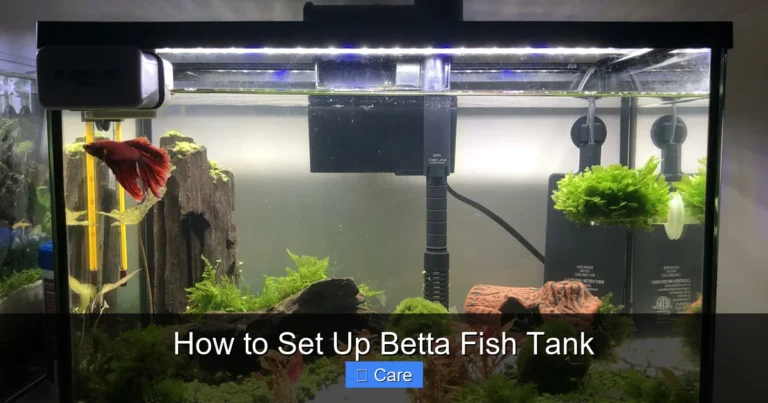
Where Can I Buy a Betta Fish Near Me
Looking for a betta fish nearby? Discover the best places to buy healthy bettas, from local pet stores to reputable online breeders. Learn how to spot quality fish and what to ask before you bring one home.
Key Takeaways
- Local pet stores are convenient: They often have a rotating stock and allow you to see the fish in person.
- Specialty betta breeders offer healthier fish: Breeders focus on genetics, coloration, and temperament.
- Online marketplaces can be reliable: Look for sellers with positive reviews, live‑stream guarantees, and proper packaging.
- Check water quality before buying: Clear water, no strong odor, and active swimming are signs of a healthy betta.
- Ask about quarantine and return policies: Reputable sellers stand behind their fish and will replace sick ones.
- Consider the right tank setup: A proper home is essential; you’ll need a 2‑5 gallon tank, heater, and filter.
- Know local regulations: Some areas restrict certain fish species; verify that bettas are legal where you live.
📑 Table of Contents
- Introduction: Why Finding the Right Source Matters
- 1. Local Pet Stores: Convenience Meets Variety
- 2. Specialty Betta Breeders: Quality Over Quantity
- 3. Online Marketplaces: Buying From Afar
- 4. Community Resources: Libraries, Schools, and Hobby Clubs
- 5. Preparing for Your Betta: The Essentials Before You Buy
- 6. Legal and Ethical Considerations
- Conclusion: Choose Wisely, Care Consistently
Introduction: Why Finding the Right Source Matters
Buying a betta fish is exciting, but where you get it can make the difference between a vibrant, thriving pet and a sad, sickly one. Betta fish, also called Siamese fighting fish, are known for their dazzling colors and bold personalities. Because they are so popular, they appear in many places—from big‑box pet chains to tiny backyard breeders. Each source has its own pros and cons, and knowing what to look for will help you start your betta’s life on the right foot.
In this guide we’ll walk you through the best places to buy a betta fish near you, what questions to ask, and how to spot a healthy fish. We’ll also cover online options, local regulations, and the essential gear you’ll need once you bring your new friend home. By the end, you’ll feel confident choosing a source that matches your budget, location, and commitment to your pet’s wellbeing.
1. Local Pet Stores: Convenience Meets Variety
What to Expect
Most neighborhoods have at least one pet store that carries betta fish. These stores usually keep a small selection of colors and tail types, rotating stock weekly. The biggest advantage is that you can see the fish in person, check the water quality, and ask staff questions on the spot.
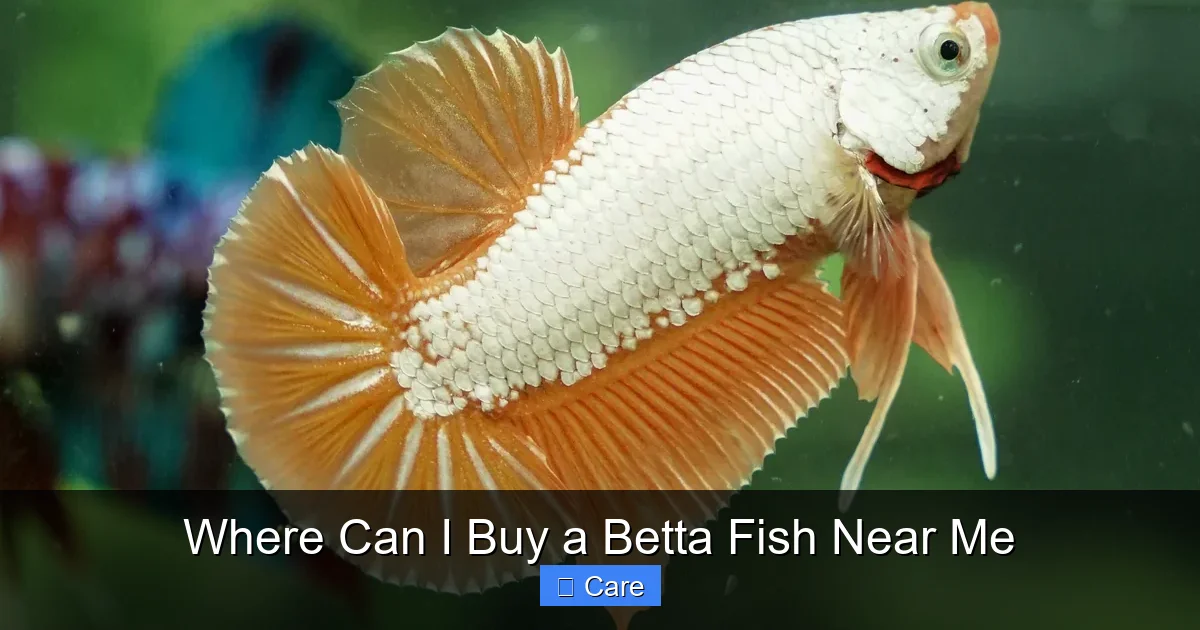
Visual guide about Where Can I Buy a Betta Fish Near Me
Image source: cdn.shopify.com
How to Choose a Good Store
- Clean tanks: Water should be clear, not cloudy, with no strong odor.
- Active fish: Healthy bettas swim up and down, flare their fins, and respond to movement.
- Knowledgeable staff: Employees should know basic betta care—tank size, temperature, and feeding.
- Return policy: A store that offers a short guarantee (usually 24‑48 hours) shows confidence in their stock.
Tips for a Successful Purchase
Ask the staff how long the fish have been in the store. A betta that’s been there for weeks may be stressed. Also, request a water test kit if you can; a pH around 6.5‑7.5 and ammonia at 0 ppm are ideal.
2. Specialty Betta Breeders: Quality Over Quantity
Why Breeders Can Be Better
Dedicated betta breeders focus on genetics, health, and unique color patterns. They often raise fish in smaller, well‑filtered tanks and can provide detailed lineage information. This means you’re more likely to get a vibrant, hardy betta that will thrive.
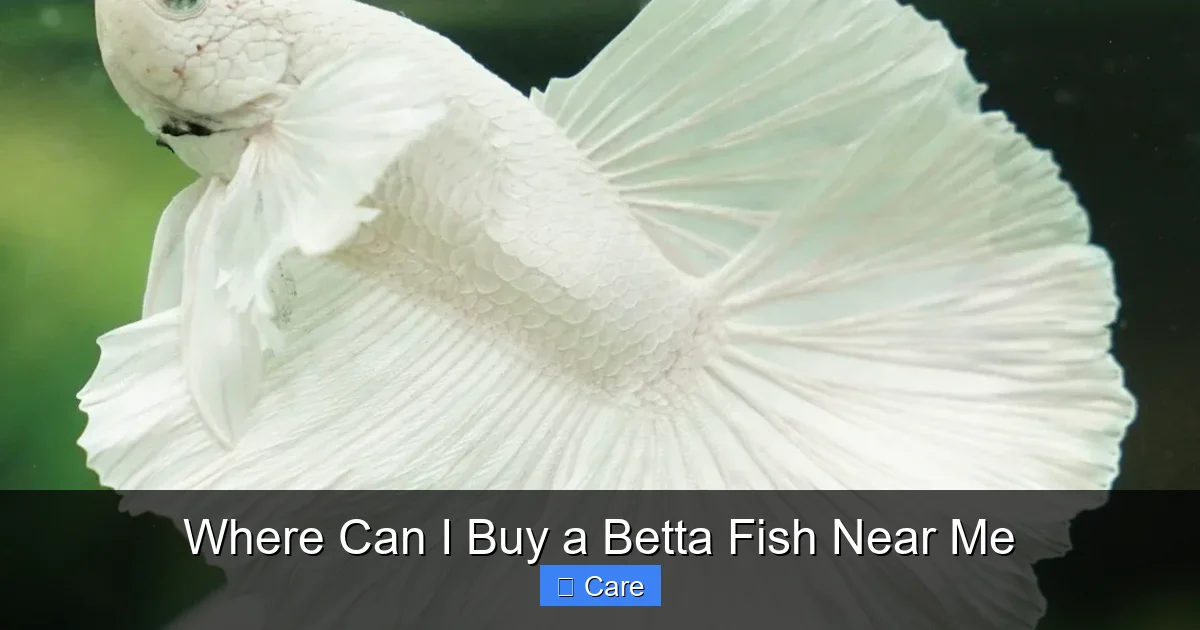
Visual guide about Where Can I Buy a Betta Fish Near Me
Image source: cdn.shopify.com
Finding a Reputable Breeder Near You
- Local fish clubs: Join a regional aquarium society; members often know reputable breeders.
- Social media groups: Facebook and Instagram have many betta‑focused communities where breeders showcase their stock.
- Word of mouth: Ask other hobbyists at local stores for recommendations.
Questions to Ask a Breeder
- What is the fish’s age?
- What water parameters are you maintaining?
- Do you quarantine new arrivals?
- Can you provide a health guarantee?
What to Look For in the Fish
Healthy breeders will ship or hand‑carry fish in water that matches the tank’s temperature (around 78‑80 °F). Look for bright coloration, intact fins, and steady swimming. Any torn or ragged fins could indicate poor water conditions or disease.
3. Online Marketplaces: Buying From Afar
Popular Platforms
Websites like LiveAquaria, BettaFish.com, and even Etsy have sellers offering bettas shipped directly to your door. These platforms can give you access to rare varieties not found locally.
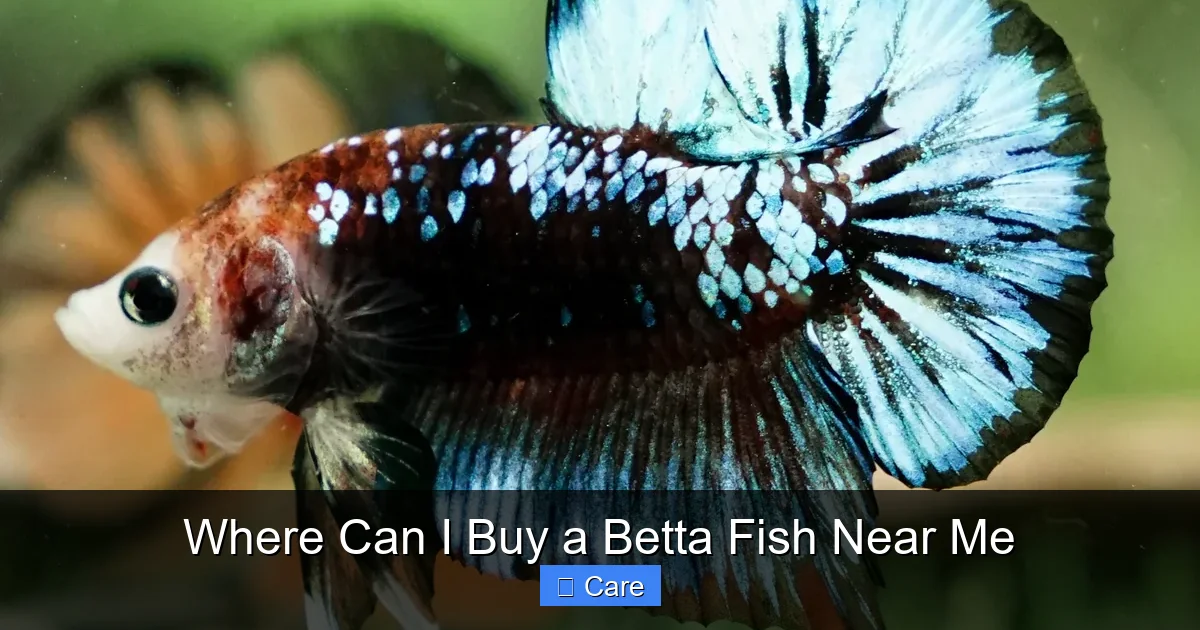
Visual guide about Where Can I Buy a Betta Fish Near Me
Image source: cdn.shopify.com
Ensuring a Safe Transaction
- Check reviews: Look for sellers with at least 4‑star ratings and recent positive feedback.
- Live‑stream guarantees: Some sites let you watch the fish in a live video before purchase.
- Packaging details: Fish should be shipped in a temperature‑controlled bag with oxygen packets.
- Return policy: A clear, written guarantee protects you if the fish arrives sick.
Step‑by‑Step Shipping Checklist
- Confirm the seller ships to your zip code.
- Ask for a water test report from the seller.
- Prepare a quarantine tank before the fish arrives.
- Acclimate the betta slowly by floating the bag in your tank for 15‑20 minutes.
4. Community Resources: Libraries, Schools, and Hobby Clubs
Unexpected Sources
Sometimes community centers, schools, or local libraries run small aquarium programs and may have bettas for adoption. These programs often focus on education and may provide fish at a lower cost.
How to Locate These Opportunities
- Visit your town’s website and search “aquarium program” or “fish adoption.”
- Check bulletin boards at community colleges or high schools with biology clubs.
- Ask at the local library; they sometimes host “Pet of the Month” events.
Pros and Cons
Pros include lower price and a supportive community. Cons can be limited selection and less control over the fish’s prior care. Always inspect the fish and ask about its history before adopting.
5. Preparing for Your Betta: The Essentials Before You Buy
Tank Requirements
A betta needs at least a 2‑gallon tank, though 5 gallons is ideal. Larger water volume means more stable temperature and less frequent water changes.
Equipment Checklist
- Heater: Maintain 78‑80 °F (26‑27 °C).
- Filter (optional but recommended): Gentle sponge filter to keep water clear.
- Cover: Betta’s love to jump; a lid prevents escapes.
- Substrate & décor: Soft sand or fine gravel, plus plants (real or silk) for hiding.
- Water test kit: Monitor pH, ammonia, nitrite, and nitrate.
First‑Day Care Tips
When you bring your betta home, let the bag float in the tank for 15‑20 minutes to equalize temperature. Then gently release the fish using a net—avoid pouring water from the bag, as it may contain harmful chemicals.
6. Legal and Ethical Considerations
Local Regulations
Most U.S. states allow bettas, but a few municipalities have restrictions on ornamental fish. Check your city or county website for “exotic pet” regulations.
Ethical Buying Practices
- Buy from sources that practice humane handling.
- Avoid “wild‑caught” bettas; they are often stressed and carry parasites.
- Support breeders who prioritize health over profit.
Responsible Ownership
Commit to a minimum of two years of care. Provide proper nutrition (betta pellets, occasional frozen or live foods) and maintain clean water. A healthy betta can live 3‑5 years with good care.
Conclusion: Choose Wisely, Care Consistently
Finding a betta fish near you is easier than you think—you have pet stores, specialty breeders, online marketplaces, and community programs all within reach. The key is to prioritize fish health, ask the right questions, and be prepared with a proper tank before you bring your new companion home. By taking the time to research and select a reputable source, you set the stage for a colorful, lively betta that will bring joy for years to come.
Frequently Asked Questions
What should I look for to know a betta is healthy?
Healthy bettas have bright colors, intact fins, and swim actively. The water should be clear, odorless, and at the correct temperature (78‑80 °F).
Can I buy a betta fish from a big‑box store?
Yes, big‑box stores often carry bettas, but quality can vary. Check the tank conditions, ask staff about the fish’s age, and look for a return guarantee.
Are online‑shipped bettas safe?
When ordered from reputable sellers with live‑stream guarantees, proper packaging, and a health warranty, shipped bettas can arrive healthy. Always acclimate them slowly.
Do I need a filter for a betta tank?
A gentle sponge filter is recommended to keep water clean, but a small tank can work without one if you perform regular water changes (25‑30% weekly).
How often should I change the water?
In a 5‑gallon tank, change 25‑30% of the water weekly. For smaller tanks, change the same proportion every 2‑3 days to maintain stable parameters.
What is the best diet for a betta?
High‑quality betta pellets are the staple. Supplement with frozen or live foods like bloodworms or daphnia 1‑2 times a week for optimal color and health.