Can a Goldfish Live with a Betta Fish
Wondering if a goldfish can live with a betta fish? The short answer is usually no, but there are exceptions. This article breaks down the reasons, explains what to watch for, and offers practical steps if you still want to try a mixed tank.
Key Takeaways
- Temperament clash: Betta fish are territorial and may attack goldfish.
- Temperature needs differ: Goldfish thrive in cooler water; bettas need warm water.
- Water quality demands: Both species produce a lot of waste, so filtration is critical.
- Tank size matters: A large, well‑planted tank can reduce aggression.
- Never force companionship: If signs of stress appear, separate them immediately.
- Alternative options: Consider a species‑only tank or a community of compatible tropical fish.
- Monitoring is key: Daily observation will tell you if the pairing is working.
📑 Table of Contents
Introduction: The Curious Question
Many beginners ask, “can a goldfish live with a betta fish?” The idea sounds fun. Both fish are popular, colorful, and relatively inexpensive. A mixed tank could save space and money. But the reality is more complicated.
In this guide we’ll explore the biology of each fish, the water conditions they need, and the social dynamics that decide whether they can share a home. We’ll also give you step‑by‑step advice if you still want to try a community tank.
Understanding the Species
Goldfish Basics
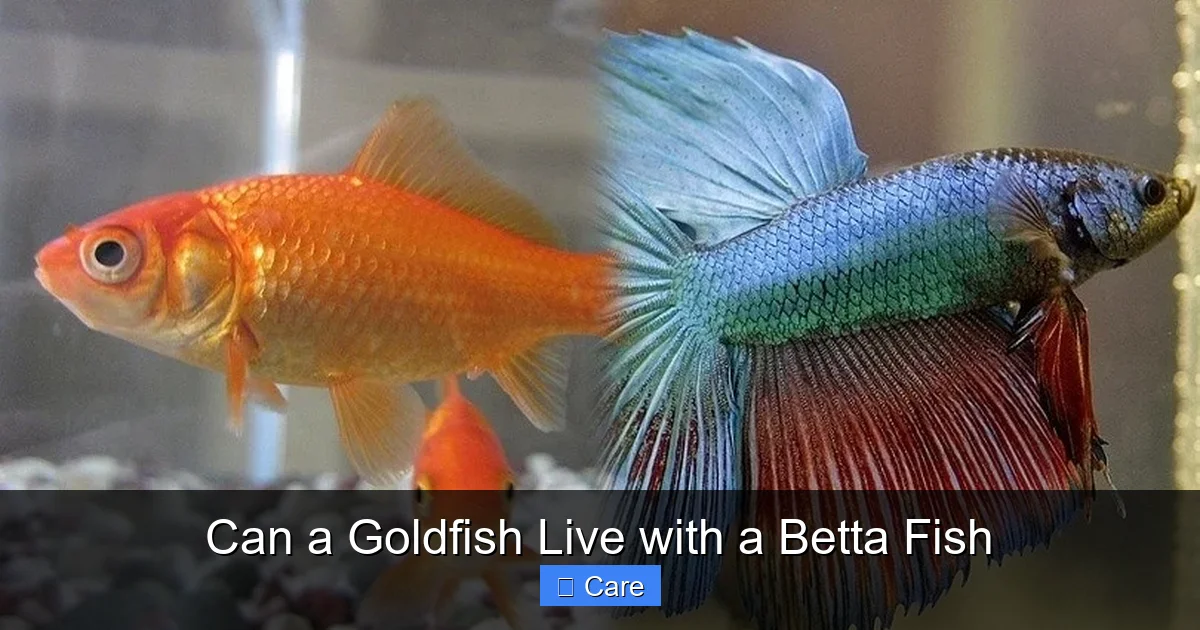
Goldfish (Carassius auratus) are cold‑water fish. They prefer water between 65°F and 75°F (18‑24°C). They grow fast and can become very large—some varieties reach 12 inches or more. Goldfish produce a lot of waste, so they need strong filtration.
Visual guide about Can a Goldfish Live with a Betta Fish
Image source: hepper.com
Betta Basics
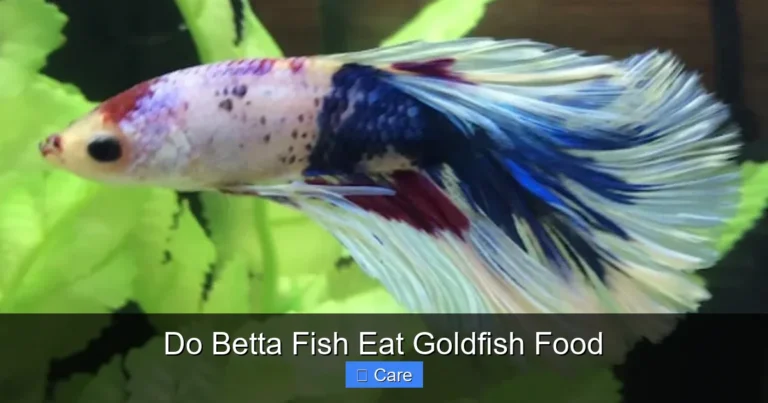
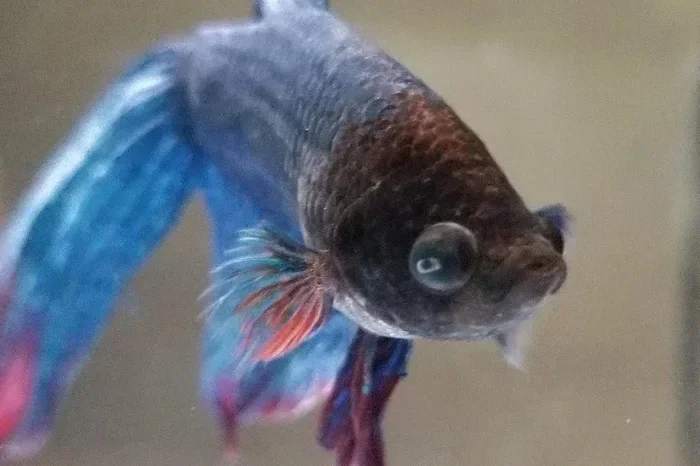
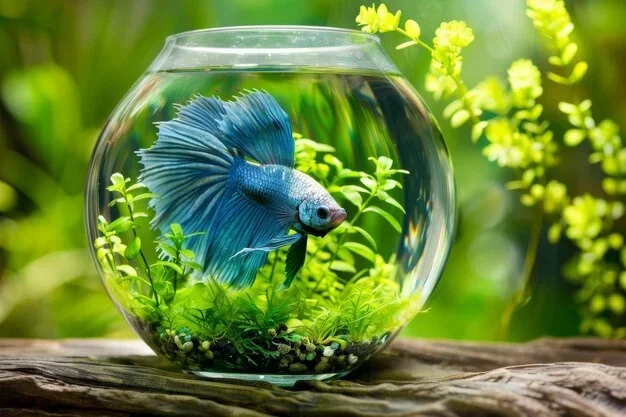
Betta splendens, often called Siamese fighting fish, are tropical. Their ideal range is 78°F‑80°F (25‑27°C). They are labyrinth fish, meaning they can breathe air from the surface. Betta males are especially territorial and will flare at perceived rivals.
Key Differences at a Glance
- Temperature: Goldfish – cool; Betta – warm.
- Size: Goldfish – up to 12″+; Betta – 2‑3″.
- Activity: Goldfish – active swimmers; Betta – slower, often rest near the surface.
- Behavior: Goldfish – schooling; Betta – solitary and aggressive.
Why the Idea Is Tempting
Space Savings
Many first‑time owners have only a 10‑gallon tank. Combining two popular fish seems like a clever way to use that space.

Visual guide about Can a Goldfish Live with a Betta Fish
Image source: japanesefightingfish.org
Visual Appeal
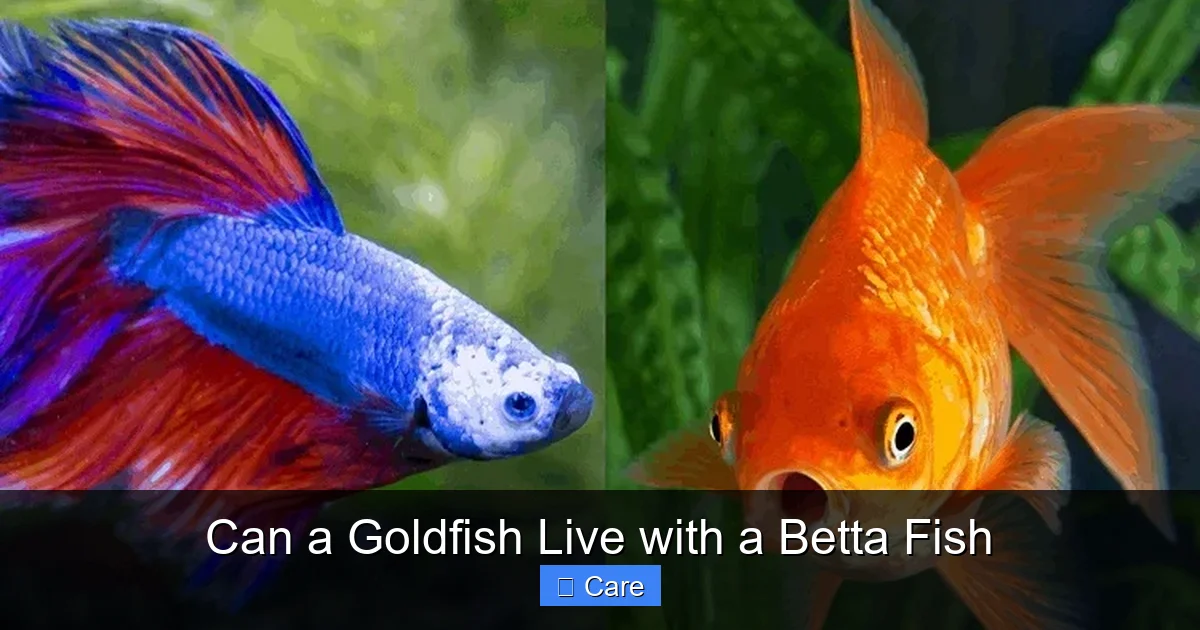
Imagine a bright orange goldfish swimming alongside a vivid blue betta. The contrast looks great in photos.
Cost Considerations
Buying one tank, one filter, and one heater (if needed) can be cheaper than setting up two separate systems.
The Core Challenges
Temperature Mismatch
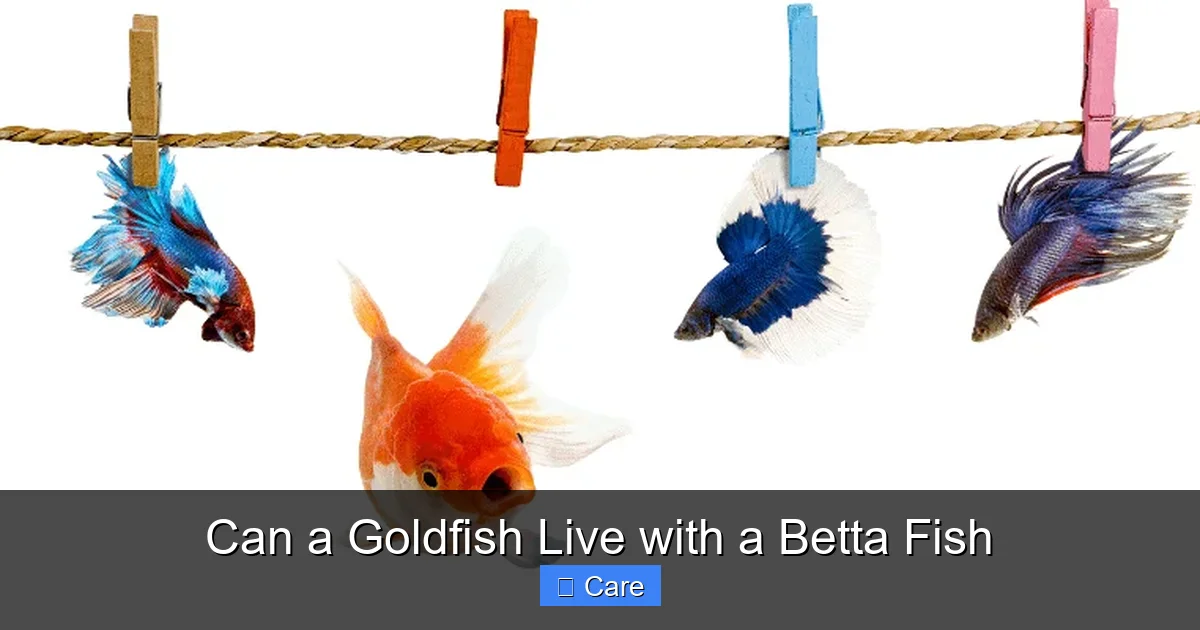
Goldfish are comfortable in cooler water. Betta fish become sluggish and may develop disease below 78°F. Raising the tank temperature to suit the betta can stress the goldfish, slow its metabolism, and increase susceptibility to illness.
Visual guide about Can a Goldfish Live with a Betta Fish
Image source: aquariumsphere.com
Water Quality and Filtration
Both fish produce a lot of ammonia. A goldfish alone can quickly foul a small tank. Adding a betta means even more waste. Without a powerful filter and frequent water changes, toxic spikes will occur.
Temperament and Aggression
Betta males view any fin that looks like a rival as a threat. Goldfish have long, flowing fins that can trigger a betta’s flare response. The betta may bite, leading to fin rot for the goldfish.
Size Disparity
Goldfish can outgrow a small tank very quickly. A betta’s small size makes it easy for a larger goldfish to accidentally injure it during feeding or play.
When Can They Coexist?
Large, Heavily Planted Tanks
If you have a 30‑gallon (or larger) tank, you can create distinct zones. Use plenty of live plants, driftwood, and rocks to break line of sight. This reduces the betta’s urge to attack.
Temperature Compromise
Set the heater to the lower end of the betta’s range, around 78°F. Some goldfish, especially hardy varieties like comet or shubunkin, can tolerate this temperature for short periods. Monitor the goldfish closely for signs of stress (lethargy, loss of appetite).
Choosing the Right Betta
Female bettas are generally less aggressive than males. A calm, non‑flaring betta may be more tolerant of a goldfish’s presence.
Introducing the Fish Properly
- Quarantine both fish for at least two weeks before the mix.
- Use a “cup‑and‑siphon” method to transfer water and acclimate slowly.
- Observe for 15‑20 minutes before fully releasing the betta.
Signs to Watch For
If you see the betta flaring, chasing, or the goldfish showing torn fins, it’s time to separate them. Also watch water parameters daily: ammonia >0.5 ppm, nitrite >0 ppm, or nitrate >20 ppm indicates filtration is overwhelmed.
Step‑by‑Step Guide to Setting Up a Mixed Tank
Step 1: Choose the Right Tank
Minimum 30 gallons. Wider than tall to give goldfish room to swim horizontally. A sturdy stand is essential.
Step 2: Install Filtration
Use a canister filter rated for at least double the tank volume. Add a sponge pre‑filter to catch goldfish waste.
Step 3: Set Temperature
Install a reliable heater. Set to 78°F. Use a thermometer to verify stability.
Step 4: Add Substrate and Plants
Fine gravel or sand works. Plant dense foreground and mid‑ground species like java moss, anubias, and java fern. Plants create visual barriers.
Step 5: Cycle the Tank
Run the filter for 4‑6 weeks. Test for 0 ppm ammonia, 0 ppm nitrite, and low nitrate before adding fish.
Step 6: Introduce the Goldfish First
Acclimate slowly using the drip method. Let the goldfish settle for a week before adding the betta.
Step 7: Add the Betta
Use a small container inside the tank to let the betta see the environment before release. Release gently near a plant to give immediate cover.
Step 8: Ongoing Care
- Perform 25‑30% water changes twice a week.
- Feed goldfish high‑quality pellets once daily; betta gets a few tiny bites twice daily.
- Check temperature and filter flow daily.
- Observe behavior for the first two weeks closely.
Alternatives to a Mixed Tank
Separate Species‑Only Tanks
Keeping each fish in its own ideal environment is the safest route. A 20‑gallon tank for goldfish and a 5‑gallon heated tank for betta covers all needs.
Other Community Fish
If you love a community tank, consider tropical fish that share the betta’s temperature, such as neon tetras, rasboras, or corydoras. Pair them with a betta that is known to be peaceful.
Goldfish‑Only Community
Goldfish do well with other cool‑water species like white cloud minnows or other goldfish varieties. No temperature conflict, and they are all hardy.
Conclusion: Make an Informed Decision
So, can a goldfish live with a betta fish? The answer is: it’s possible, but only under very specific conditions—large tank, stable warm temperature, excellent filtration, and careful monitoring. For most hobbyists, the risks outweigh the benefits.
If you have the space, equipment, and willingness to watch the fish closely, you can try a mixed setup. Otherwise, give each fish its own perfect home and enjoy both species without stress.
Frequently Asked Questions
Can a goldfish and betta share a 10‑gallon tank?
No. The tank is too small for a goldfish’s growth and cannot maintain the temperature range both species need.
Do bettas attack goldfish because of their fins?
Yes. Betta males often see the long, flowing fins of goldfish as a rival and may bite, causing fin damage.
What temperature is safest for both fish?
78°F is the lowest safe temperature for bettas and can be tolerated short‑term by hardy goldfish, but constant monitoring is required.
How often should I change the water in a mixed goldfish‑betta tank?
Change 25‑30% of the water twice a week to keep ammonia and nitrate levels low.
Is a female betta less aggressive with goldfish?
Generally, female bettas are less territorial than males, making them a better candidate for a mixed tank.
What are the signs that the fish are not getting along?
Look for flaring, chasing, torn fins, loss of appetite, or any fish staying hidden all the time. Separate them immediately if these appear.