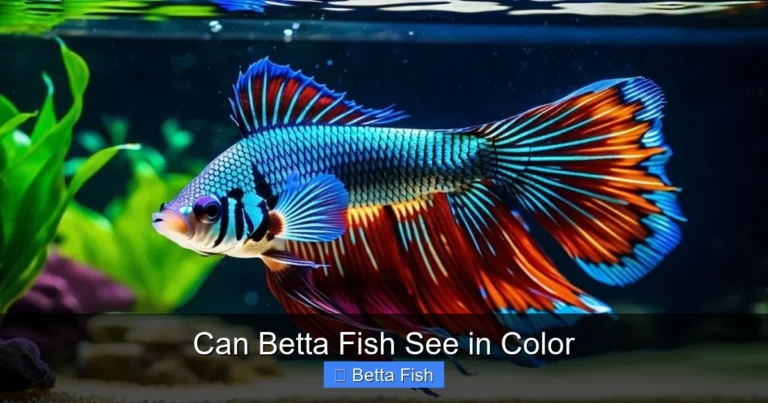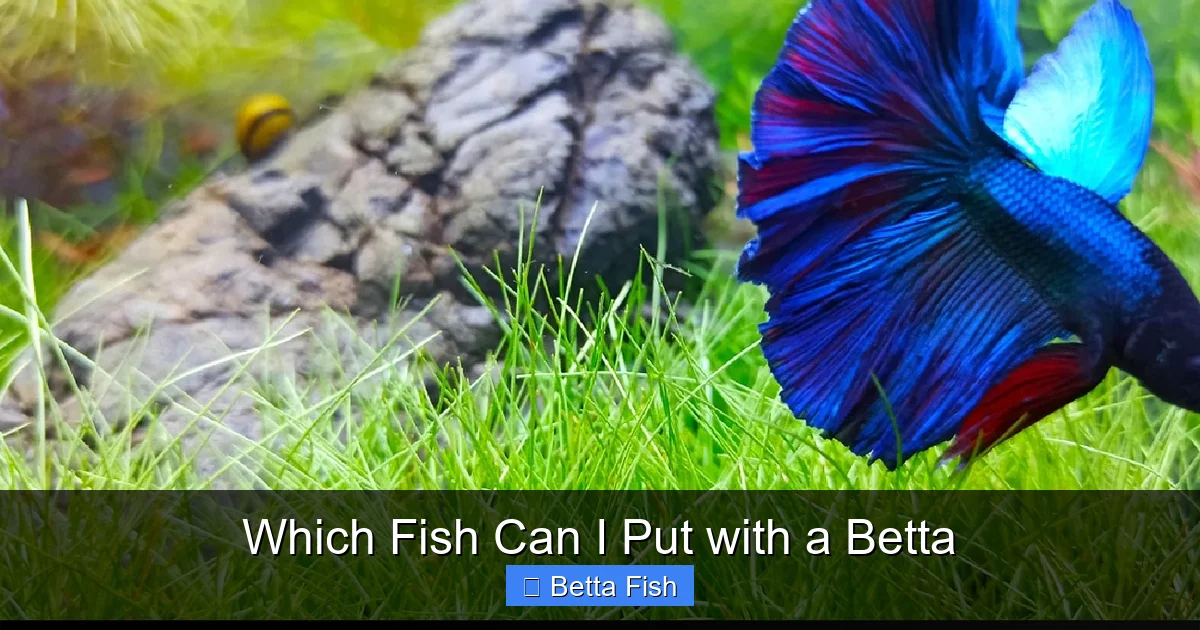
Which Fish Can I Put with a Betta
Betta fish, or Siamese fighting fish, are famously territorial and aggressive, especially males. Successfully housing them with other fish is absolutely possible but requires careful species selection, a properly sized and decorated tank, and a slow introduction process. The best tank mates are peaceful, fast-moving, and inhabit different tank levels, while long-finned or brightly colored fish are typically poor choices. Always prioritize a minimum 20-gallon heavily planted tank to provide ample space and visual barriers to reduce stress and aggression.
Key Takeaways
- Betta Temperament is Key: A betta’s personality varies. Observe your individual fish for signs of extreme aggression before considering tank mates.
- Tank Size is Non-Negotiable: The absolute minimum for a community tank with a betta is 20 gallons. Smaller tanks drastically increase aggression and stress.
- Choose Peaceful, Fast Swimmers: Ideal mates are active, hardy, schooling fish like certain tetras or rasboras that can quickly evade a curious betta.
- Avoid Fins and Flashy Colors: Never house bettas with long-finned fish (guppies, fancy guppies) or other brilliantly colored fish that resemble rival bettas.
- Vertical Space Matters: Select fish that occupy the mid and upper levels (like hatchetfish) or the bottom (like corydoras) to avoid competing for the betta’s preferred territory.
- The Right Aquascape is Crucial: Use dense planting (live or silk), driftwood, and rocks to create sight lines and break up the betta’s line of sight, reducing stress for all inhabitants.
- Introduce the Betta Last: Establish the community tank with other fish first, then add the betta. This makes the entire tank its territory, not just a spot claimed from existing residents.
📑 Table of Contents
- Understanding Your Betta: The First Step to a Community Tank
- The Golden Rules: Tank Setup for Success
- Top Contenders: The Best Betta Tank Mates
- Species to Avoid: The Danger List
- The Introduction Process: Patience is Everything
- Troubleshooting and What to Do If It Goes Wrong
- Conclusion: The Rewards of a Successful Community
Understanding Your Betta: The First Step to a Community Tank
So, you’ve fallen in love with the flowing fins and vibrant personality of a betta fish. You’ve set up a beautiful tank just for them. But then you look at that empty space and think: “Which fish can I put with a betta?” It’s a common and excellent question. The iconic image of a betta in a tiny, isolated vase is a myth we’re working hard to dispel. With the right setup and companions, a betta can thrive in a peaceful community aquarium. However, the journey starts not with shopping for other fish, but with truly understanding your betta.
The Myth of the Solitary Fighter
The name “Siamese fighting fish” comes from their historical use in brutal betting matches. This reputation for aggression is real, but it’s often misunderstood. In the wild, bettas are not solitary bullies. They are solitary territorial fish. They claim a small patch of reeds or leaf litter, but they don’t patrol vast areas. Their aggression is primarily directed at other male bettas (and sometimes females during breeding) or fish that look like them—long fins, bright colors. They are generally curious about other, dissimilar fish that don’t invade their personal space. This distinction is the foundation of successful tank mate selection.
Reading Betta Body Language
Before you even consider a tank mate, you must learn to read your betta. Is it flaring its gills, puffing up its body, and chasing its reflection? That’s a sign of a highly aggressive individual. Is it calmly exploring, occasionally checking out new objects? That’s a more relaxed personality. You need to assess your specific betta’s trigger threshold. A betta that constantly flares at its own reflection is a poor candidate for community life. A betta that is curious but not instantly hostile to a finger tapping on the glass has a much better chance of success. Spend a week or two just observing your betta in its own tank before introducing anyone else.
The Golden Rules: Tank Setup for Success
You could have the most peaceful betta in the world, but if you put it in a 5-gallon tank with a neon tetra, disaster is likely. The environment is 50% of the equation. A proper setup acts as a stress-reducer and a physical barrier, giving all fish room to establish their own territories.

Visual guide about Which Fish Can I Put with a Betta
Image source: petshun.com
Tank Size: Do Not Compromise
Let’s be absolutely clear: a 5-gallon tank is for a single betta. A 10-gallon is still very cramped for a community. The absolute minimum for housing a betta with other fish is a 20-gallon long tank. Why? Space. In a larger tank, a betta’s territory becomes a small portion of the whole. If a tank mate swims into “the betta’s area,” the betta can chase it off, and the other fish has ample room to escape. In a small tank, there is no escape. The chase is constant, leading to exhaustion, stress, and eventually death for the pursued fish. A 20-gallon provides horizontal swimming space, which is far more important than height for most community fish.
The Art of Aquascaping: Creating a Maze
Your tank must look like a lush underwater forest, not an empty arena. The goal is to break the line of sight. Use:
- Live Plants: The gold standard. Plants like Anubias, Java Fern, Cryptocoryne, and floating plants like Duckweed or Salvinia create dense thickets. They absorb nitrates and provide hiding spots.
- Driftwood & Rocks: Create caves, overhangs, and tunnels. A betta will often claim a specific log or rock cave as its home base.
- Silk or Live Plants Only: Avoid plastic plants. Their sharp edges can damage a betta’s delicate fins.
A well-decorated 20-gallon tank with a betta, a school of neon tetras, and a corydoras catfish will feel like three separate worlds to the fish, minimizing interactions.
Top Contenders: The Best Betta Tank Mates
Now for the fun part! These fish have proven track records as compatible betta companions when the rules above are followed. Remember, this is a guideline, not a guarantee. Always have a backup plan (a separate hospital tank) and be prepared to rehome a fish if aggression occurs.
Visual guide about Which Fish Can I Put with a Betta
Image source: aquariumpub.com
The Peaceful Schoolers: Tetras and Rasboras
These are the most popular and often most successful choices. They are active, fast, and school together, which diffuses individual attention from a betta.
- Neon & Cardinal Tetras: Classic choices. Their speed and shimmering blue/red stripe (not solid red like a betta) make them less likely to be seen as a rival. Keep in groups of 10+.
- Harlequin Rasboras: Slightly larger and hardier than neons. Their orange and black markings are dissimilar to a betta. A beautiful, active school.
- Ember Tetras: Tiny, fiery orange fish. Their small size and constant, twitchy movement in a tight school make them poor targets for a betta’s attention.
- Black Skirt Tetras: Very hardy and active. Their long, flowing black fins are NOT similar to a male betta’s (they are vertical, not horizontal, and black). They are bold and can hold their own.
Tip: Avoid Serpae Tetras. They are notorious fin-nippers and can be aggressive themselves.
The Bottom Dwellers: Corydoras Catfish
These are arguably the perfect betta tank mate. They occupy a completely different niche.
- What they are: Small, peaceful, armored catfish that live in groups (minimum 6) on the substrate, sifting through sand for food.
- Why they work: They are on the floor, bettas are in the water column. They are dull-colored (brown, black, albino) and have a completely different body shape. They are nocturnal and shy, so interactions are minimal. They also help clean the tank.
- Species: Corydoras pygmaeus (Pygmy Cory), Corydoras habrosus (Salt and Pepper Cory), Corydoras paleatus (Peppered Cory). Pygmies are ideal for the bottom of a 20-gallon.
The Algae Eaters & Oddballs
These aren’t schoolers but are excellent singular or paired additions.
- Bristlenose Pleco (Ancistrus sp.): A small, armored pleco (4-5 inches max). It’s a nocturnal, algae-eating oddity with a suckermouth and tentacles on its nose. Its bizarre appearance and bottom-feeding habits make it uninteresting to bettas. A single in a 20+ gallon is a fantastic janitor.
- Kuhli Loach: An eel-like, peaceful loach that burrows and hides. It’s all black or orange with brown bands, spends its time in the substrate or hiding in decorations, and is completely uninterested in betta drama.
- African Dwarf Frog: A fully aquatic frog that can coexist with bettas. They are slow, blind, and rely on smell. You must feed them separately as they cannot compete for food. Their tank must be secure (they can escape) and have easy access to the surface to breathe.
Species to Avoid: The Danger List
Just as important as knowing who to add is knowing who to absolutely avoid. These combinations are recipes for disaster, stress, and funeral fish.
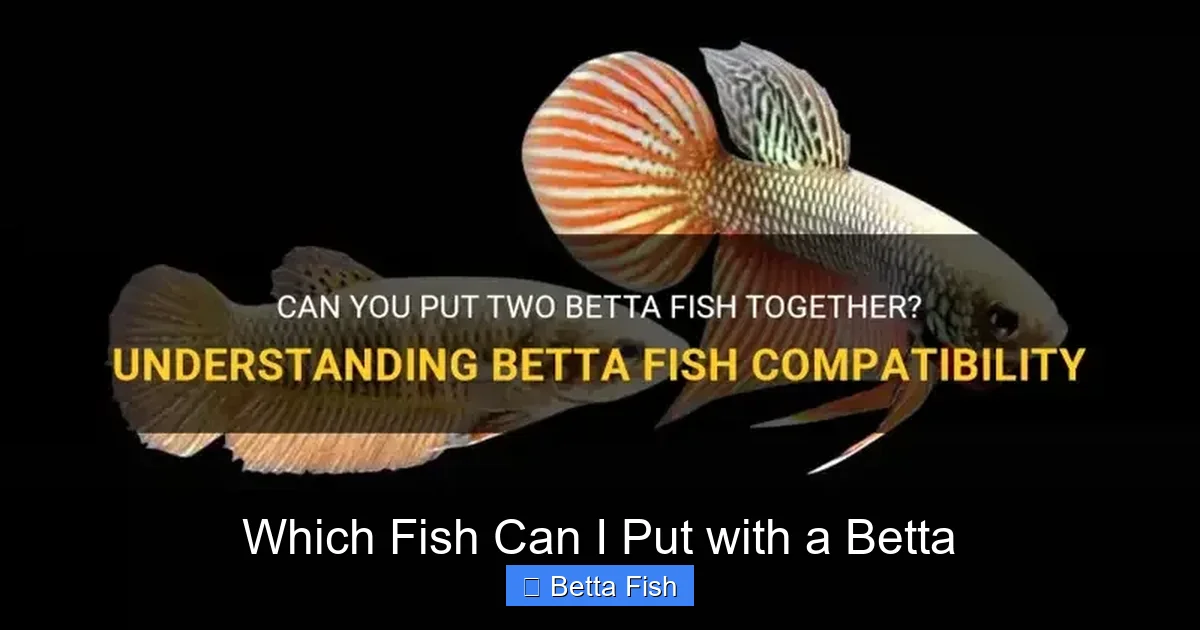
Visual guide about Which Fish Can I Put with a Betta
Image source: petshun.com
Long-Finned, Fancy Fish: A Betta’s Mirror
This is the cardinal rule. Betta aggression is triggered by the sight of another male betta—a fish with large, flowing, horizontal fins. Guppies, especially fancy guppies with huge, colorful tails, are the #1 mistake. A male betta will see a male guppy and think it’s a rival male betta. It will relentlessly chase, bite, and tear the guppy’s fins, leading to fin rot and death. The same goes for:
- Fancy Goldfish (slow, long-finned)
- Siamese Algae Eaters (when young, they have a similar profile)
- Some male swordtails
- Any other fish with large, flowing, horizontal fins.
Even a female betta with very long fins can trigger aggression. It’s not about the other fish’s temperament; it’s about the betta’s perception.
Brightly Colored, Aggressive Fish
Fish that are red, blue, or have bright patterns can be seen as a rival.
- Other Gouramis: Dwarf Gouramis (like the Powder Blue or Honey Gourami) are in the same family (Osphronemidae) and have a similar body shape and labyrinth organ. They can be territorial and are often targets. Avoid.
- Aggressive Tetras: As mentioned, Serpae Tetras and some other larger tetras can be nippy and may nip a betta’s long fins in return, starting a fight.
- Male Paradise Fish: Another gourami relative, even more aggressive than a betta. Absolute no.
Slow, Long-Finned, or Shy Fish
Even if a fish isn’t flashy, if it’s slow and cannot escape, it will be harassed.
- Fancy Goldfish: Slow, messy, and cold-water. They are incompatible in every way (temperature, water parameters, temperament).
- Angelfish: Can be aggressive, slow, and will see a betta as a snack or a nuisance. Size mismatch is dangerous.
- Some “Fancy” Barbs: Like the Tiger Barb. They are active fin-nippers and will relentlessly harass a betta.
The rule of thumb: if the fish is slow, delicate, or has long fins that wave in the water like a betta’s, it’s a risk.
The Introduction Process: Patience is Everything
You have your 20-gallon, heavily planted tank. You’ve chosen a school of ember tetras and a group of pygmy corys. You’ve cycled the tank for 4-6 weeks and the water parameters are perfect. Now what? Rushing this is the #2 cause of failure (after wrong tank size).
The “Other Fish First” Method (Highly Recommended)
This is the safest approach.
- Establish the Community: Add your school of tetras/rasboras and your group of corydoras first. Let them settle for 2-3 weeks. They will establish their own territories and pecking order.
- Add the Betta Last: When you bring your betta home, float the bag in the tank for temperature acclimation. Then, use a drip acclimation method for 30-60 minutes to equalize water parameters.
- The First View: Gently net the betta (do not pour bag water in) and release it into the tank. Observe from a distance for 30 minutes. Look for immediate, violent chasing and fin-nipping. Some initial curiosity (betta following, slight flaring) is normal. Constant, relentless chasing is not.
- The 48-Hour Watch: For the next two days, watch the tank frequently, especially during feeding. Ensure the betta is not preventing the other fish from eating. The other fish should be swimming freely, not hiding constantly.
By adding the betta last, the entire 20-gallon becomes its territory from the start. It doesn’t feel like it’s invading someone else’s home, which reduces its instinct to defend.
Using a Tank Divider (The Safe, Slow Method)
If you’re nervous or have a known aggressive betta, use a clear acrylic or mesh divider in your 20-gallon.
- House the betta on one side and the community on the other for 1-2 weeks.
- This lets them see each other and establish a “visual territory” without physical contact.
- Often, after this period, the betta will lose interest. You can then remove the divider and monitor closely.
- If aggression flares, you can quickly re-install the divider. This method gives you a huge safety net.
Troubleshooting and What to Do If It Goes Wrong
Despite your best efforts, sometimes it doesn’t work. Your betta might be a “betta.” Here’s how to handle problems.
Signs of a Failing Community
- The Betta: Constant patrolling, flaring gills at a specific fish, relentless chasing that doesn’t stop after 24 hours, biting chunks out of other fish’s fins.
- The Tank Mates: Hiding 24/7, not eating, frayed or torn fins, lethargy, pale color, death.
If you see these signs, you must act. The stress will kill the community fish, and the betta’s stress will weaken its immune system.
Your Emergency Action Plan
- Have a Hospital Tank Ready: This is a 5-10 gallon cycled, heated, filtered tank with plants and hides. This is your safety net.
- Remove the Victim: If a specific fish is being targeted (e.g., one tetra from the school), remove it immediately to the hospital tank.
- Remove the Aggressor: If the betta is targeting multiple fish or the entire school is terrified, the betta is the problem. You have two choices: A) Move the betta to the hospital tank and try to rehome it as a single fish. B) Return the betta to the store (if possible) and try a different, more relaxed individual. Do not punish the betta; it’s acting on instinct.
- Rehome the Community: If you cannot keep the betta separate, you may need to find a new home for the community fish and keep your betta solo. A peaceful, decorated single-species tank is far better than a stressful war zone.
Conclusion: The Rewards of a Successful Community
Creating a thriving community tank with a betta is one of the most rewarding challenges in the aquarium hobby. It moves you from simply keeping a fish to becoming an ecosystem manager. You learn to read behavior, design environments, and appreciate the subtle hierarchies of aquatic life. The sight of a curious betta peacefully investigating a school of darting tetras, or resting near a cluster of corydoras, is a testament to your patience and skill.
Remember the pillars: large, planted tank, peaceful & fast mates, and a slow introduction. Start with the hardy, bottom-dwelling corydoras and a school of ember tetras in a 20-gallon long. Add your betta last. Watch, learn, and enjoy the dynamic, peaceful world you’ve built. If it doesn’t work, don’t be discouraged. Some bettas are simply too feisty for community life, and that’s okay. A beautifully aquascaped single-species tank for your betta is still a wonderful, ethical home. But when you get it right, you’ll have a vibrant, living piece of art that showcases the betta not as a solitary fighter, but as a fascinating member of a complex underwater community.
Frequently Asked Questions
Can I put a female betta with other fish?
Yes, female bettas are generally less aggressive than males and can often be kept in sororities (groups of 4-6 females in a 20+ gallon heavily planted tank) or with the same peaceful tank mates listed for males. However, individual personalities vary, and some females can be just as territorial as males. The same rules of tank size and decor apply.
What about shrimp and snails? Can they be with a betta?
Shrimp and snails are excellent “first tank mates” for a betta in a well-planted tank. Ghost shrimp, Amano shrimp, and Cherry shrimp are good choices, but be aware a curious betta may eat a small shrimp or two, especially young cherry shrimp. Snails like Nerite snails, Mystery snails, and Ramshorn snails are almost always safe, as they are too slow to be seen as a threat and have hard shells. They also help clean the tank.
Can I put two male bettas together?
No. Two male bettas in the same tank will fight to the death. This is where their common name originates. The only exception is using a solid, non-breakable divider to create two separate compartments in one tank, but they cannot share the same water space.
Can I put a male and female betta together?
Not permanently. A male and female will breed, but the male can become aggressive toward the female after spawning, sometimes fatally. They should only be temporarily housed together in a breeding tank under close supervision and with plenty of plants for the female to escape. For a permanent community, do not house a male and female betta together.
My betta flares at everything! Can it still have tank mates?
Probably not. A betta that is constantly flaring at its reflection, your hand, or any movement in the tank is highly stressed and aggressive. Introducing tank mates will likely lead to constant chasing and death for the other fish. For this betta, a single-species tank with plenty of plants and enrichment is the kindest and safest option.
What should I do if my betta starts attacking a new tank mate?
Act immediately. Have a hospital tank ready. If only one specific fish is being targeted, remove that fish to safety. If the betta is terrorizing the entire school, the betta is the problem. You must either move the betta to a separate tank permanently or rehome it. Do not expect the betta to “calm down” over time; the stress will escalate, leading to injury or death for the community fish.