Can I Feed a Betta Fish Goldfish Food
No, you should not regularly feed a betta fish goldfish food. Betta fish are strict carnivores with specific nutritional needs for high-protein, low-fiber diets, while goldfish food is formulated for omnivorous goldfish and is packed with plant matter and fillers. Regularly feeding goldfish food to a betta can lead to serious health problems like swim bladder disorder, constipation, malnutrition, and a shortened lifespan. The solution is to provide a varied diet of high-quality betta-specific pellets, frozen or live foods like brine shrimp and daphnia, and occasional treats. Always research and choose foods tailored to your betta’s biological needs for a healthy, vibrant companion.
So you’ve got a beautiful, flowing-finned betta fish, a stunning centerpiece for your desk or aquarium. You reach for the convenient tub of goldfish flakes you already have on hand, thinking, “How different can it be? They’re all just fish, right?” It’s a common and understandable mistake, but the answer is a firm and important no. Feeding a betta fish goldfish food is like feeding a lion a salad every day—it might eat it, but it’s not what their body is built for, and serious health consequences will follow. This comprehensive guide will dive deep into the biological reasons behind this, the specific dangers of an improper diet, and exactly what you should be feeding your aquatic companion to ensure a long, healthy, and vibrant life. Let’s unravel the mystery of betta nutrition together.
Key Takeaways
- Betta fish are obligate carnivores: Their digestive systems are designed to process and derive essential nutrients primarily from animal protein, not plant material.
- Goldfish food is nutritionally inappropriate: It is high in carbohydrates, fiber, and plant-based proteins, which bettas cannot digest properly and which lack key nutrients like taurine.
- Feeding goldfish food causes specific health risks: The most common issues are swim bladder disease and severe constipation, both of which are painful and can be fatal if untreated.
- A proper betta diet is simple and species-specific: Base their diet on high-quality betta pellets, and supplement with frozen or live protein-rich foods 2-3 times per week.
- Variety and moderation are crucial: A mono-diet of any single food, even betta pellets, can lead to nutritional deficiencies. Rotate between 2-3 staple foods.
- Observe your fish’s response: Watch for signs of digestive distress (bloating, stringy feces) or lethargy after feeding, which indicate a dietary problem.
- In an emergency, a single feeding is low-risk: If you run out of betta food, one meal of goldfish flakes is unlikely to cause immediate harm, but it must never become a habit.
📑 Table of Contents
- The Fundamental Difference: Carnivore vs. Omnivore
- Nutritional Breakdown: What’s Missing and What’s in Excess?
- The Domino Effect: Health Consequences of an Improper Diet
- The Right Diet: What to Actually Feed Your Betta
- Feeding Best Practices: More Than Just Food Choice
- Emergency Situations: What to Do If You Run Out
- Conclusion: Respecting the Betta’s True Nature
The Fundamental Difference: Carnivore vs. Omnivore
To understand why goldfish food is so unsuitable, we must first look at the evolutionary and biological design of the betta fish. Betta splendens, native to the shallow, warm rice paddies and slow-moving streams of Southeast Asia, are what scientists call obligate carnivores. In the wild, their diet consists almost exclusively of insects, insect larvae (like mosquitos), tiny crustaceans, and zooplankton that fall into the water or they hunt at the surface. Their short, upward-facing mouths are perfect for grabbing prey from above, not for grazing on algae or plant matter on the substrate.
Goldfish: The Opportunistic Omnivores
Goldfish (Carassius auratus), on the other hand, are true omnivores. In their natural pond and river habitats, they root through the silt and muck, consuming a mix of plant material, algae, small invertebrates, and detritus. Their digestive systems are long and complex, designed to ferment and break down fibrous plant matter. Consequently, commercial goldfish food is formulated with this in mind. It typically contains a high percentage of plant-based ingredients like wheat germ, soybean meal, spirulina, and various algae, alongside a smaller amount of animal protein. This creates a food that is high in carbohydrates and fiber.
Betta Anatomy: Built for Meat
The betta’s digestive tract is short and simple, similar to that of a predatory bird or cat. It is optimized for a high-protein, high-fat, low-carbohydrate, and extremely low-fiber diet. Their stomach is acidic and designed to quickly break down chitin (insect exoskeletons) and muscle tissue. A key nutrient they require from animal sources is taurine, an amino sulfonic acid critical for cardiovascular health, digestion, and proper development. Taurine is abundant in insects and crustaceans but is virtually nonexistent in plant-based foods. A betta’s metabolism simply cannot process large amounts of carbohydrates and fiber efficiently. When you feed them goldfish food, you are essentially forcing their system to process a food it was never designed to handle, leading to a cascade of problems.
Nutritional Breakdown: What’s Missing and What’s in Excess?
Let’s put the two foods side-by-side, not just by brand, but by core nutritional composition. This isn’t about one brand being “bad” and another “good”; it’s about fundamental formulation for a different species.

Visual guide about Can I Feed a Betta Fish Goldfish Food
Image source: petshun.com
The Protein Problem
High-quality betta pellets or frozen foods should have a crude protein content of 40-50% or higher on a dry matter basis. This protein must come from animal sources—krill, brine shrimp, squid, fish meal. Goldfish flakes, even premium ones, typically max out at 30-35% protein, and a significant portion of that is often from plant proteins like soy or pea protein. Plant proteins are incomplete for bettas; they lack the full spectrum of essential amino acids, including that vital taurine. A betta on a low-protein diet will slowly starve, losing color, fin quality, and immune function, even if they appear to be eating.
The Fiber and Carbohydrate Crisis
This is the most immediate and dangerous difference. Bettas have almost no physiological mechanism to digest fiber. Goldfish food is loaded with it—from spirulina, algae, and vegetable matter. When a betta consumes this indigestible material, it sits in their short gut, fermenting and absorbing water. This leads directly to severe constipation. You’ll see symptoms like a swollen, pinecone-like abdomen (not to be confused with a healthy, gravid female), lethargy, and stringy, pale feces. More critically, this digestive impaction and gas buildup places direct physical pressure on the swim bladder, a gas-filled organ that helps the fish control its buoyancy. This results in swim bladder disorder (SBD), where the betta may float uncontrollably, sink and struggle to rise, swim upside down, or be unable to maintain depth. SBD is extremely stressful, painful, and often leads to secondary infections or starvation if the fish cannot reach the surface to eat.
Fat Content and Fillers
Bettas need healthy fats for energy and vibrant coloration, typically from sources like krill oil or brine shrimp. Goldfish food often uses cheaper vegetable oils. Furthermore, goldfish food contains “fillers”—binders, wheat, and other carbohydrates—to make the flakes hold together and sink slowly. These fillers are pure empty calories for a betta, contributing to the constipation cycle without providing any usable nutrition.
The Domino Effect: Health Consequences of an Improper Diet
Feeding goldfish food isn’t just a minor dietary lapse; it initiates a domino effect of declining health. The issues start with digestion but quickly impact the entire fish.

Visual guide about Can I Feed a Betta Fish Goldfish Food
Image source: dsflyfishing.com
Swim Bladder Disorder (SBD) and Constipation
As detailed above, this is the most common and visible outcome. The pressure from a clogged intestine physically displaces or compresses the swim bladder. Treatment for SBD caused by diet involves fasting for 2-3 days, then feeding a cooked, skinned pea (a natural laxative for humans, but its effectiveness for fish is debated and it’s still plant-based), and most importantly, immediately switching to a proper, low-fiber diet. Severe cases may require gentle massage or even euthanasia to prevent suffering.
Malnutrition and Systemic Decline
Even if a betta doesn’t show acute SBD, a long-term diet of goldfish food leads to chronic malnutrition. They are not getting sufficient bioavailable protein, essential fatty acids, vitamins (like A and D from animal sources), and minerals. This manifests as:
- Faded Color: Red, blue, and metallic pigments require specific amino acids and carotenoids from animal prey to stay vibrant.
- Fin Rot and Damage: Fins become ragged, torn, and slow to regenerate due to lack of protein for tissue repair.
- Weakened Immune System: The betta becomes susceptible to common diseases like velvet, ich, and fin rot, which can prove fatal.
- Lethargy and Loss of Appetite: The fish has no energy, hangs at the bottom, and may stop eating entirely.
- Stunted Growth: Young bettas (fry) will not develop properly.
Shortened Lifespan
The ultimate consequence. A well-cared-for betta, with a proper diet and clean water, can live 3-5 years, sometimes longer. A betta subsisting on goldfish food may barely scrape past a year, living a life of quiet discomfort and illness. It’s a profound disservice to a creature you’ve committed to caring for.
The Right Diet: What to Actually Feed Your Betta
Now for the positive, actionable part! Building a proper betta diet is straightforward and doesn’t have to be expensive. The key is variety and species-appropriateness.
Visual guide about Can I Feed a Betta Fish Goldfish Food
Image source: i.ytimg.com
The Staple: High-Quality Betta Pellets
This should be the foundation of your betta’s diet, making up about 60-70% of their weekly intake. Look for pellets specifically labeled for Bettas or “Carnivorous Fish.” Check the ingredient list: the first 2-3 ingredients should be whole, named animal proteins (e.g., “krill meal,” “squid,” “brine shrimp,” “fish meal”). Avoid pellets where “wheat flour,” “soybean meal,” or “brewer’s yeast” are the first ingredients. Reputable brands like Hikari Betta Bio-Gold, New Life Spectrum Betta, or Fluval Bug Bites are excellent starting points. Feed only what your betta can consume in 2-3 minutes, once or twice a day. Overfeeding is the #1 cause of water quality issues and digestive problems.
The Essential Supplements: Frozen & Live Foods
Feed these 2-4 times per week, replacing a pellet meal. They provide essential moisture, enzymes, and high-quality protein that pellets can lack.
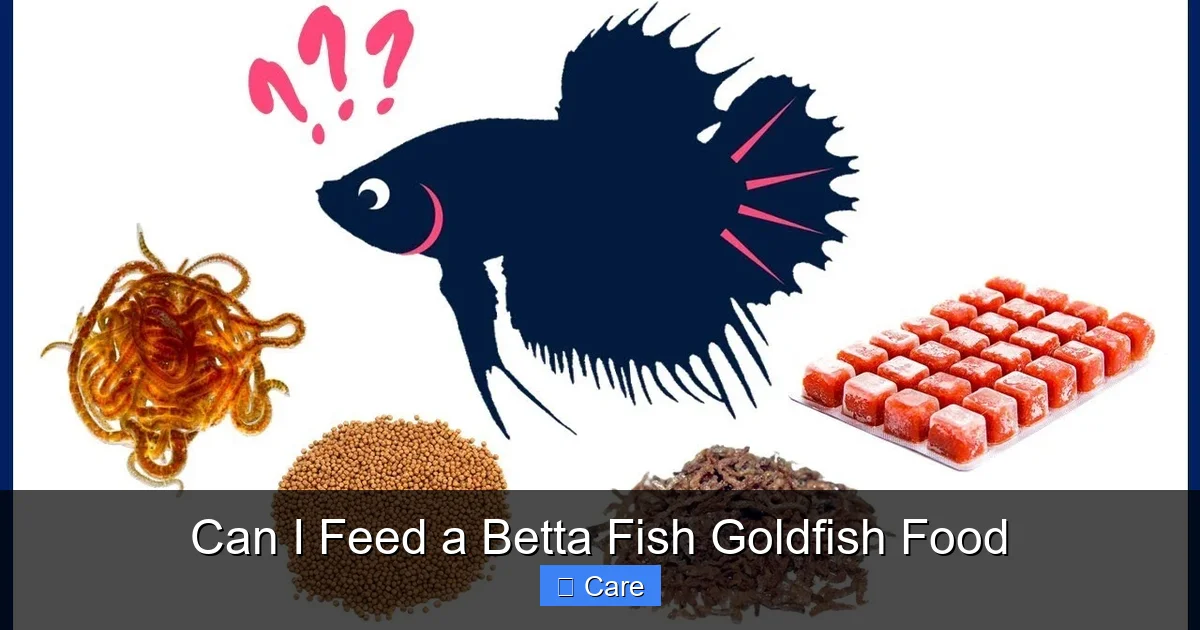
- Frozen Brine Shrimp (Artemia): The gold standard. Rich in protein and carotenoids for color. Thaw a small cube in a cup of tank water and feed a small spoonful.
- Frozen Bloodworms: Another excellent, protein-packed treat. Rinse before feeding.
- Frozen Daphnia: Often called “water fleas.” They are fantastic for aiding digestion due to their chitinous exoskeleton, which acts as a natural roughage. This is the one “fiber” that is beneficial for bettas.
- Live Foods (with caution): Microworms, vinegar eels, or small live brine shrimp are great for stimulating a picky eater. Only source from a trusted, parasite-free culture. Never feed wild-caught insects.
Occasional Treats and What to Avoid
As an occasional treat (once a month), you can offer a tiny piece of cooked, unseasoned shrimp or a blanched, skinned pea (only if dealing with constipation, not as a regular food). AVOID: Any “goldfish food,” “tropical fish flakes” (usually too plant-heavy), “turtle pellets,” or human food (bread, crackers, etc.). These are all recipes for disaster.
Feeding Best Practices: More Than Just Food Choice
How you feed is as important as what you feed. Proper technique prevents overfeeding and maximizes health.
Portion Control is Non-Negotiable
A betta’s stomach is roughly the size of its eye. Overfeeding fills their system, pollutes the water with ammonia from uneaten food, and directly causes constipation. A good rule: feed 2-3 pellets (or equivalent) per day for a small betta, 3-4 for a large one. For frozen foods, a small pinch is enough. When in doubt, underfeed. Bettas can easily go a few days without food and will be healthier for it.
Fasting for Health
It is highly beneficial to fast your betta one full day per week. This gives their digestive system a complete rest, helps clear any minor blockages, and mimics the irregular feeding patterns they would experience in the wild. It will not harm them; in fact, it promotes health.
Water Quality is Part of Nutrition
No diet can compensate for poor water. Uneaten food and fish waste decay into toxic ammonia and nitrite. A betta with a weakened immune system from poor diet is even more vulnerable to these toxins. Perform weekly water changes of 25-50%, use a gravel vacuum to remove debris, and ensure your filtration is appropriate (sponge filters are ideal for bettas with their long fins). Clean water allows their body to focus on growth and health, not constant detoxification.
Emergency Situations: What to Do If You Run Out
Life happens. You might be traveling or simply forget to buy more betta pellets. Here’s how to handle it without panic.
The One-Time “Oops” Meal
If your betta accidentally gets a few goldfish flakes, or you have no other option for a single meal, do not stress. A single, small feeding is unlikely to cause immediate, irreversible damage. The key is to ensure it remains a true one-time event. Do not make a habit of it. Resume the correct diet at the next scheduled feeding.
Long-Term Solutions and Planning
Always keep a small emergency stash of betta pellets in a sealed container. They have a long shelf life. If you know you’ll be away, use an automatic fish feeder programmed for a single daily pellet portion, or ask a friend to feed strictly according to your instructions (emphasize the tiny portion!). Never use a “weekend feeder” block, as these are designed for community tanks and dissolve too slowly, fouling the water. For longer absences (over a week), a reliable pet sitter is the only safe option.
If Your Betta Shows Symptoms
If you’ve already been feeding goldfish food and your betta is now bloated, floating awkwardly, or lethargic, immediately switch to a fasting period of 2-3 days. Then, offer a very small amount of high-quality betta pellets or a Daphnia treat. Ensure the water is impeccably clean with daily 25% water changes. Monitor closely. If SBD symptoms persist beyond a week of correct diet and clean water, consult a veterinarian specializing in fish. Early intervention is critical.
Conclusion: Respecting the Betta’s True Nature
The question “Can I feed a betta fish goldfish food?” is more than a simple dietary query; it’s about understanding and respecting the specific needs of the animal in your care. Your betta is not a generic “fish.” It is a specialized, surface-dwelling predator with a physiology honed over millennia to eat insects and crustaceans. Goldfish food is a cheap, convenient, but fundamentally mismatched product. Using it is a slow act of neglect that compromises your betta’s health, beauty, and lifespan.
The path to a thriving betta is clear: invest in a high-quality, protein-rich betta pellet as a staple, supplement regularly with frozen or live protein foods, practice strict portion control, and maintain pristine water conditions. This simple, evidence-based regimen will reward you with a fish that displays its magnificent fins, radiant colors, and active, curious personality for years to come. You have the power to provide the diet your betta’s body demands. Choose wisely, and enjoy the vibrant life you’ve helped create.
Frequently Asked Questions
Can I feed my betta goldfish food just once in an emergency?
A single, small feeding of goldfish flakes in a true emergency is unlikely to cause immediate, severe harm. The danger lies in making it a habit. The high fiber and plant content can still cause minor digestive upset. The absolute priority is to resume a proper betta diet at the very next feeding and ensure no leftover flakes pollute the tank.
My betta already ate goldfish food for a week and is now bloated. What should I do?
Immediately stop feeding for 2-3 days to allow the digestive system to clear. Perform a 25% water change to ensure optimal water quality. After the fast, offer a tiny amount of high-quality betta pellets or, better yet, a few frozen daphnia to help stimulate digestion. Resume a normal, correct feeding schedule with proper foods. If bloating and lethargy persist beyond a few days of this regimen, seek advice from an aquatic veterinarian.
Are all betta pellets the same? What should I look for on the label?
No, they vary significantly. Always read the ingredient list. The first three ingredients should be specific, named animal proteins like “krill meal,” “squid,” “brine shrimp,” or “fish meal.” Avoid pellets where grains, wheat, soy, or potatoes are the primary ingredients. The guaranteed analysis should show crude protein of 40% or higher and crude fat of 5% or higher. Fiber content should be low (under 5%).
Can I make homemade betta food to avoid this problem?
While possible, homemade diets are complex to balance correctly and risk nutritional deficiencies if not formulated by an expert. A safer approach is to stick with high-quality commercial betta pellets and frozen foods, which are scientifically formulated and nutritionally complete. If you wish to supplement, blanched, skinned peas are only for constipation relief, not a staple, and tiny pieces of cooked shrimp or beef heart can be occasional treats.
Why do pet stores sometimes sell “betta food” that looks like generic flakes?
Many large pet stores carry products aimed at the mass market, not species-specific needs. “Betta flakes” often have the same high-plant-content formulation as generic tropical flakes. The key is the ingredient list, not the marketing label. Always scrutinize the ingredients as described above. If a flake food’s first ingredient is a plant product, it is unsuitable.
Is there any type of goldfish food that would be okay for a betta?
No. All standard goldfish foods—flakes, pellets, and sticks—are formulated for the omnivorous, high-fiber diet of goldfish. Their core ingredient profile is wrong for a betta’s carnivorous system. There is no “safe” version of goldfish food for a betta. The only exception might be a specialized, high-protein “sinking carnivore pellet” meant for cichlids or other carnivores, but even then, it must be sized appropriately for a betta’s small mouth and its ingredients verified. It’s always safest to use a product explicitly labeled for bettas.