Going on a getaway? Your betta won’t miss a meal if you plan ahead. This guide walks you through simple DIY feeding tricks, reliable automatic feeders, and smart backup options so your fish stays healthy and happy while you’re away.
Key Takeaways
- Plan ahead: Set a feeding schedule and test it before you leave.
- Automatic feeders work: Quality feeders can deliver the right amount of food for 7‑10 days.
- Backup food sources: Frozen or freeze‑dried meals are safe for short trips.
- Ask a friend: A trusted pet‑sitter can double‑check water quality and feed manually.
- Water stability is key: Perform a water change and check parameters before departure.
- Monitor health: Know the signs of stress or illness before you go.
- Test everything: Run a trial run of any feeding method to avoid surprises.
📑 Table of Contents
- Introduction: Why Feeding Your Betta Matters When You’re Away
- 1. Preparing Your Tank Before You Go
- 2. DIY Feeding Solutions You Can Make at Home
- 3. Automatic Feeders: The Hands‑Free Hero
- 4. Enlisting a Trusted Pet‑Sitter or Neighbor
- 5. Short‑Term Vacation Hacks (3 Days or Less)
- 6. Long‑Term Vacation Strategies (More Than 7 Days)
- 7. Spotting Trouble: When to Worry While You’re Away
- Conclusion: Peace of Mind for You and Your Betta
Introduction: Why Feeding Your Betta Matters When You’re Away
Betta fish are small, but they have big personalities. They love to explore their tank, show off their fins, and, most importantly, eat the right amount of food each day. When you book a vacation, the last thing you want to worry about is whether your finned friend is getting enough nutrition.
Leaving your betta unattended doesn’t have to be a nightmare. With a little preparation, you can enjoy the beach, the mountains, or a city break knowing your fish is safe, fed, and stress‑free. This article covers every practical option—from do‑it‑yourself feeding tricks to reliable automatic feeders—so you can pick the method that fits your schedule and budget.
1. Preparing Your Tank Before You Go
Do a Full Water Change
Start with pristine water. Perform a 25‑30% water change 24 hours before you leave. This reduces waste buildup and keeps ammonia and nitrite levels low while you’re away.

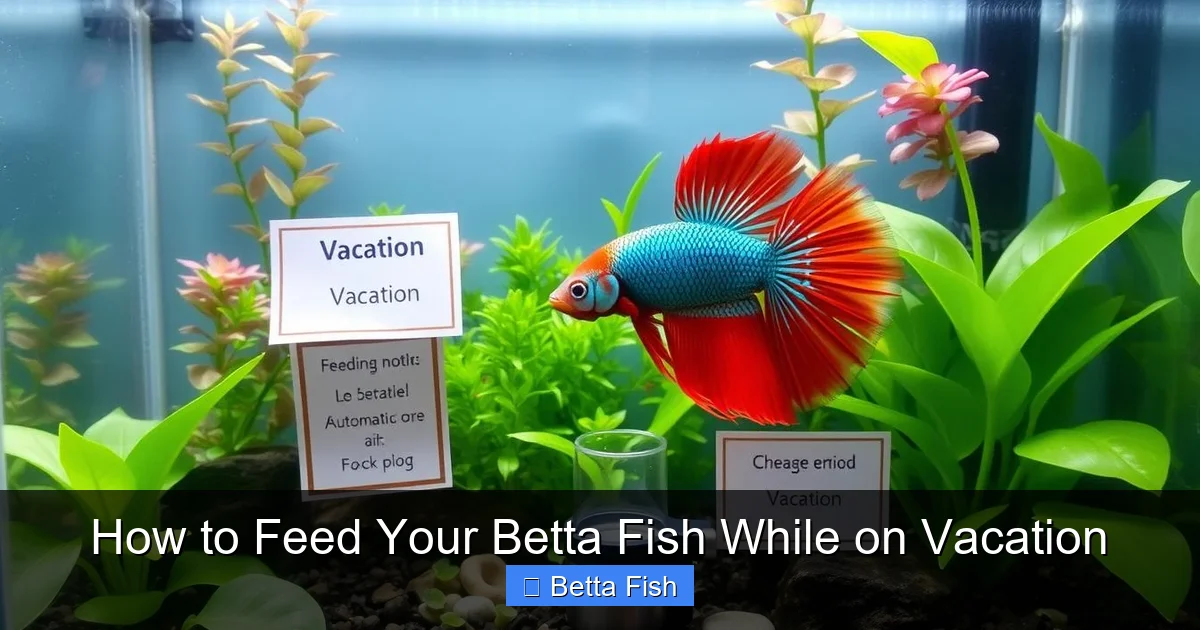
Visual guide about How to Feed Your Betta Fish While on Vacation
Image source: wallpaper.forfun.com
Check Temperature and Filtration
Betta fish thrive at 76‑82°F (24‑28°C). Make sure your heater is set correctly and test it with a thermometer. If you use a filter, ensure the flow is gentle—bettas prefer calm water.
Remove Excess Food
Any uneaten pellets or flakes left in the tank can pollute the water. Clean out the feeding area and discard old food. This also prevents your betta from over‑eating once you start a feeding plan.
Set Up a Observation Spot
If you have a window or a clear lid, place a small mirror or a piece of white paper nearby. This helps a pet‑sitter quickly spot any unusual behavior without disturbing the fish.
2. DIY Feeding Solutions You Can Make at Home
The “Feeder Cup” Method
Take a clean, small plastic cup (like a 2‑oz medicine cup). Fill it with the exact amount of dry pellets your betta eats in a day—usually 2‑3 pellets. Seal the cup with a piece of breathable mesh (a coffee filter works well) and tape it over the water surface. The betta will peck at the food as it drifts down.
Visual guide about How to Feed Your Betta Fish While on Vacation
Image source: koibettafish.com
Test this setup for 2‑3 days before you leave. Make sure the cup doesn’t sink and that the food doesn’t dissolve too quickly.
Freeze‑Dried Food Blocks
Freeze‑dried bloodworms or brine shrimp can be placed in a small mesh bag. The bag slowly releases tiny pieces as the water moves. This method is great for trips up to 5 days because the food stays fresh and won’t spoil.
Using a Simple Timer
If you have a basic aquarium light with a timer, you can attach a small feeder to the light’s power source. When the light turns on, a small motor releases a measured amount of food. This DIY hack works best with dry pellets that don’t clump.
Pros and Cons of DIY Methods
- Pros: Low cost, no need to buy new equipment, easy to customize.
- Cons: Requires testing, may not work for longer trips, risk of over‑ or under‑feeding.
3. Automatic Feeders: The Hands‑Free Hero
How Automatic Feeders Work
Automatic feeders are small devices that sit on the tank rim and dispense a set amount of food at programmed intervals. Most models have a digital timer, a battery backup, and a clear food compartment.

Visual guide about How to Feed Your Betta Fish While on Vacation
Image source: img.redocn.com
Choosing the Right Feeder
When selecting a feeder, look for these features:
- Adjustable portion size: Betta fish need only a few pellets per feeding.
- Battery life: At least 10 days of operation.
- Water‑resistant design: Prevents moisture from damaging the electronics.
- Easy cleaning: Food can spoil if it sticks to the inner walls.
Top Recommended Models (as of 2026)
- Hagen Marina 300: Simple dial, 3‑day capacity, reliable battery.
- Tetra EasyFeed: Digital timer, 5‑day programmable schedule.
- Fluval Automatic Fish Feeder: Premium build, 7‑day power backup.
Setting Up Your Feeder
- Read the manual and assemble the feeder.
- Fill the compartment with the exact amount of pellets your betta eats per day (usually 2‑3).
- Program the feeder to dispense food once daily, preferably in the morning.
- Test for 48 hours to ensure the feeder releases food correctly and doesn’t jam.
Maintenance While You’re Away
Even the best feeder can jam if moisture gets in. Place a small piece of dry paper towel under the feeder to catch any drips. If you have a trusted friend, ask them to give the feeder a quick glance after a couple of days.
4. Enlisting a Trusted Pet‑Sitter or Neighbor
Why Human Backup Is Still Valuable
Technology can fail, and food can clump. A responsible pet‑sitter can check water temperature, remove uneaten food, and give your betta a quick visual health check.
How to Prepare Your Sitter
- Written instructions: Include feeding amount, schedule, and how to operate any feeder.
- Emergency contacts: Vet phone number and your own mobile.
- Demo session: Show them how to turn the heater on/off and how to check water parameters.
Sample Feeding Sheet
Print a simple sheet that says:
Betta Feeding Sheet
- Food: 2 pellets (dry) each morning
- Time: 8:00 AM
- Check heater: 78°F
- Remove any uneaten food after 30 mins
- Note any strange behavior
Finding a Sitter
You can ask a neighbor, a friend, or use a local pet‑sitting service. Many communities have Facebook groups where members volunteer to check fish tanks.
5. Short‑Term Vacation Hacks (3 Days or Less)
Use a “Slow‑Release” Food Cube
Purchase a slow‑release food block designed for tropical fish. These cubes dissolve gradually, providing a steady supply of nutrition for up to 3 days.
Leave the Light On
Betta fish are more active in low light, but a dim night light can encourage them to eat the slow‑release food evenly throughout the day.
Combine Methods for Extra Safety
For a 2‑day trip, you might use a feeder cup plus a small amount of frozen bloodworms placed in a mesh bag. This gives variety and ensures your betta gets both dry and protein‑rich food.
6. Long‑Term Vacation Strategies (More Than 7 Days)
Professional Aquarium Care Services
Some pet stores offer “tank‑care” packages that include water changes, filter cleaning, and feeding. This is the safest option for trips longer than a week.
Full Tank Preparation
Perform a deep water change, clean the substrate, and add a water conditioner that stabilizes pH for up to 14 days. This reduces the need for frequent water checks.
Backup Power Solutions
If you live in an area with unreliable electricity, consider a small UPS (uninterruptible power supply) for the heater and feeder. A 12‑hour UPS can keep the tank stable during short outages.
7. Spotting Trouble: When to Worry While You’re Away
Behavioral Signs
Betta fish that are not fed properly may become lethargic, hide at the bottom, or display faded colors. If you notice these signs, increase feeding frequency or contact a vet.
Water Quality Red Flags
Cloudy water, strong ammonia smell, or excessive algae growth indicate that the tank’s bio‑balance is off. A pet‑sitter should perform a partial water change if any of these appear.
When to Call a Vet
If your betta shows rapid gill movement, frayed fins, or refuses to eat for more than two days, it may be ill. Have a local exotic‑pet vet’s number handy.
Conclusion: Peace of Mind for You and Your Betta
Going on vacation doesn’t have to mean neglecting your betta fish. By preparing the tank, choosing the right feeding method, and having a backup plan, you can travel confidently. Whether you opt for a budget‑friendly DIY feeder cup, invest in a reliable automatic feeder, or enlist a trusted friend, the key is testing everything before you leave.
Remember, a healthy betta is a happy betta. A quick water check, a proper feeding schedule, and a little extra love before you go will keep your finned companion thriving until you return.
Frequently Asked Questions
Can I leave my betta fish alone for a week?
Yes, if you use a reliable automatic feeder, perform a thorough water change, and ensure the heater is stable, a betta can safely stay alone for up to 7‑10 days.
What is the safest food for a vacation feeder?
Dry pellets designed for bettas are the safest because they don’t spoil quickly. Freeze‑dried or frozen bloodworms are good for short trips but should be stored in a sealed bag.
How often should I change the water before a long trip?
Do a 25‑30% water change 24 hours before you leave and a full change if you’ll be away for more than 10 days, or arrange for a sitter to do a partial change mid‑vacation.
Do automatic feeders work with frozen or live food?
Most automatic feeders are built for dry pellets only. For frozen or live foods, you’ll need a manual feeder or a pet‑sitter to handle the feeding.
What if the feeder jams while I’m away?
Place a small piece of dry paper towel under the feeder to catch any moisture, and ask a sitter to check the feeder after a couple of days. A quick tap can often free a jam.
How can I tell if my betta is stressed after I return?
Look for faded colors, clamped fins, or erratic swimming. If you notice any of these signs, observe feeding behavior and water parameters, and consider a short fast‑track health check.

