What Causes Marbling in Betta Fish
Marbling in betta fish is caused by a genetic mutation known as the marble gene, which disrupts normal pigment distribution in their skin cells. This unique pattern creates unpredictable, swirling color changes that make each marble betta truly one of a kind. Environmental factors like stress, water temperature, and tank conditions can also influence how the marbling develops and changes over time. Understanding the causes helps you provide better care and appreciate the beauty of your marble betta.
What causes marbling in betta fish is a fascinating topic that every betta lover should understand. The short answer is genetics, but the full story is much more interesting. When you look at a marble betta, you are seeing the result of a special genetic mutation that creates stunning, ever-changing patterns. In this article, we will explore exactly why marbling happens, what triggers it, and how you can keep your marble betta looking its best.
Marbling in betta fish is not just a color pattern. It is a complex biological process that involves pigment cells, genetic instructions, and even environmental factors. Whether you are a new betta owner or a seasoned hobbyist, understanding marbling helps you connect with your fish on a deeper level. It also helps you provide the right care for these beautiful creatures.
## What Is Marbling in Betta Fish?
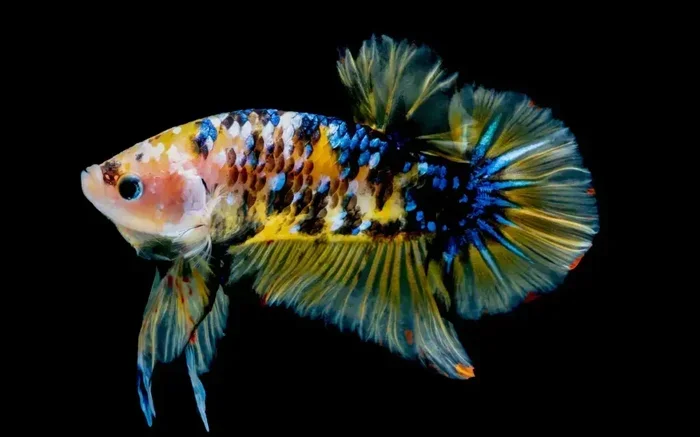
Marbling in betta fish refers to a unique color pattern where bold, irregular splashes of color appear across the body and fins. Unlike standard betta colors that stay fixed, marble patterns shift and change over time. You might notice that your betta looks different from one week to the next. New colors may appear, old colors may fade, and the overall pattern can completely transform.
The marble gene affects the way pigment cells, called chromatophores, distribute themselves in the fish’s skin. In a normal betta, pigment cells stay in one place and create a stable color. In a marble betta, these cells move around unpredictably, creating the signature swirling pattern. This movement is what makes marble bettas so captivating to watch.
Marbling in betta fish can appear in many colors. Black, red, blue, and even white patches can show up on a single fish. The combinations are virtually endless. Some marble bettas start out looking like solid-colored fish and then develop their pattern weeks or months later. This delayed expression is one of the reasons marbling is so intriguing.
### How the Marble Gene Works
The marble gene is a transposon, which is a type of genetic element that can move around within the DNA. Think of it like a sentence that keeps changing its position within a paragraph. When the marble gene moves, it disrupts the instructions for pigment placement, causing the irregular patterns we see.
This gene is dominant, which means it only needs to come from one parent to appear in offspring. If one parent carries the marble gene, there is a good chance some of the babies will show marbling. Breeders use this knowledge to produce marble bettas intentionally.
## Environmental Factors That Trigger Marbling
While genetics set the foundation, environmental factors play a big role in how marbling develops. Your betta fish tank conditions can influence how intense and widespread the marbling becomes. Let us look at the key environmental triggers.
### Water Temperature and Marbling
Water temperature has a direct impact on your betta’s coloration. Bettas are tropical fish that thrive in warm water. When the temperature drops too low, it can stress your fish and cause color changes. Marbling in betta fish may become more pronounced in cooler water because the fish’s metabolism slows down, affecting how pigment cells behave.
On the other hand, extremely high temperatures can also cause stress. The ideal range for a betta tank is between 76 and 82 degrees Fahrenheit. Keeping the temperature stable within this range helps your betta display its best colors. You can check out what temperature a betta fish tank should be in Celsius for more specific guidance on maintaining the perfect water conditions.
### Stress and Its Effect on Color Patterns
Stress is one of the biggest enemies of color in betta fish. When a betta feels threatened or uncomfortable, its body releases stress hormones. These hormones can cause the pigment cells to react, sometimes intensifying marbling and sometimes causing the fish to fade.
Common stressors include:
- Too small of a tank
- Aggressive tank mates
- Sudden changes in water parameters
- Bright lights or loud noises near the tank
- Lack of hiding spots
To reduce stress, make sure your betta has a comfortable environment. Providing plants, caves, and gentle lighting goes a long way. You can learn more about what betta fish like in their tanks to create the perfect habitat for your colorful companion.
### Water Quality and Its Role
Poor water quality can worsen marbling and cause overall health problems. Ammonia and nitrite spikes are especially harmful. When these toxins build up in the tank, they stress the fish and can trigger unexpected color changes.
Regular water changes and proper filtration are essential. Test your water parameters frequently, and keep ammonia and nitrite levels at zero. A clean tank promotes vibrant colors and healthy pigment cell function.
## How Marbling Affects Your Betta Fish
One of the most common questions owners ask is whether marbling affects their betta’s health. The good news is that marbling itself is purely cosmetic. It does not cause pain or illness. Your marble betta can live a long, healthy life just like any other betta.
### Does Marbling Affect Vision?
Some owners wonder if marbling affects their betta’s ability to see. The answer is no. The marbling pattern exists in the skin and scales, not in the eyes. However, it is worth noting that bettas have interesting vision capabilities. They can detect light and movement, though their color perception differs from humans. If you are curious about this topic, check out whether betta fish can see in the dark for a deeper dive into betta vision.
### Color Changes Over Time
Marble bettas are famous for their ever-changing appearance. A fish that looks mostly blue today might develop red and black patches next month. This is completely normal and is actually one of the most exciting things about owning a marble betta.
The color changes happen because the transposon gene continues to move throughout the fish’s life. Each time it moves, it disrupts pigment cells in a new area, creating a fresh pattern. Some owners say their marble bettas never look the same twice, and that is part of the charm.
### Is Marbling Linked to Other Health Issues?
While marbling itself is harmless, some owners notice that sudden or extreme color changes can sometimes signal stress or illness. If your betta’s marbling changes rapidly and is accompanied by other symptoms like lethargy, loss of appetite, or clamped fins, it is worth investigating the water quality and overall tank conditions.
Marbling in betta fish should always be viewed as a natural genetic trait, not a disease symptom. However, being observant of your fish’s overall behavior is always a good practice.
## Can Marbling Be Prevented or Reversed?
Since marbling is genetic, you cannot prevent it if your betta carries the marble gene. However, you can influence how the pattern develops through careful tank management.
### Managing Environmental Triggers
The best way to support healthy marbling is to maintain stable, clean tank conditions. Here are some practical tips:
- Keep the water temperature between 76 and 82 degrees Fahrenheit
- Perform weekly water changes of 20 to 30 percent
- Use a gentle filter to maintain water flow
- Avoid sudden changes in lighting
- Provide plenty of hiding spots to reduce stress
- Feed a balanced diet of high-quality betta pellets and occasional treats
These steps will not change your betta’s genetics, but they will create the ideal environment for vibrant color expression.
### Can You Reverse Marbling?
No, you cannot reverse marbling once the gene is present. The pattern will continue to shift and change throughout your betta’s life. Some owners hope that their marble betta will eventually return to a solid color, but this rarely happens. The beauty of a marble betta lies in its ever-evolving appearance.
## Caring for a Marble Betta Fish
Caring for a marble betta is the same as caring for any other betta fish. The marbling pattern does not require special treatment. However, there are a few things that can help your fish thrive and show off its best colors.
### Tank Size and Setup
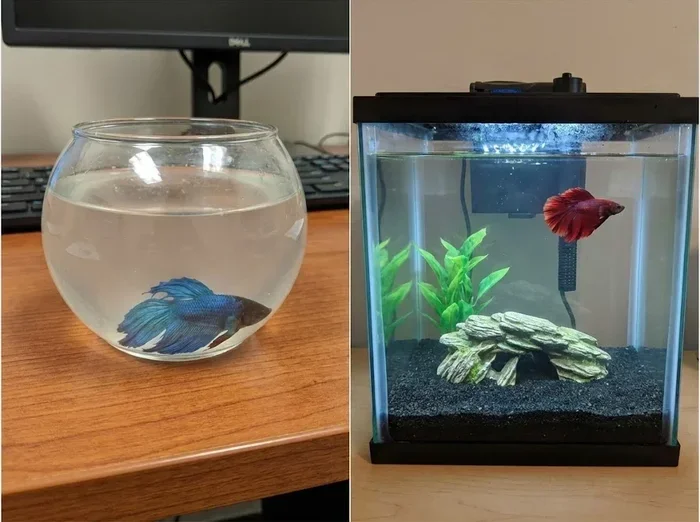
A minimum tank size of five gallons is recommended for a single betta. Larger tanks provide more stable water parameters and more swimming space. Avoid tiny bowls or vases, as they limit your betta’s quality of life.
Add live or silk plants, smooth substrate, and a few hiding spots. Avoid sharp decorations that could damage your betta’s delicate fins. A well-set-up tank reduces stress and promotes healthy coloration.
### Diet and Nutrition
A healthy diet supports vibrant colors and overall well-being. Feed your betta high-quality pellets as a staple, and supplement with frozen or live foods like brine shrimp and bloodworms a few times a week. Avoid overfeeding, as this can pollute the water and cause health problems.
### Tank Mates and Compatibility
Marble bettas can be kept with certain peaceful tank mates, but caution is always needed. Bettas can be territorial, and adding the wrong fish can cause stress. If you are considering companions for your betta, research carefully. Learn more about what fish you can put in your betta tank to make informed decisions about tank companions.
### Monitoring Health and Color Changes
Keep a close eye on your marble betta’s behavior and appearance. Take photos regularly to track how the marbling pattern evolves. This is not only fun but also helps you spot any potential health issues early. If you notice sudden changes in behavior along with color shifts, test your water parameters and check for signs of illness.
## Breeding Marble Betta Fish
Breeding marble bettas is both exciting and challenging. Because the marble gene is dominant, there is a high chance that offspring will inherit the pattern. However, the exact marbling expression in each fish is unpredictable, even for experienced breeders.
When breeding marble bettas, it is important to maintain excellent water quality and provide optimal nutrition to the breeding pair. The fry may start showing marbling within a few weeks of hatching, and the patterns will continue to develop as they grow.
Some breeders cross marble bettas with solid-colored bettas to create new and unique patterns. This selective breeding has produced some of the most stunning marble varieties available in the hobby today.
## Common Misconceptions About Marbling
There are several myths surrounding marbling in betta fish that deserve clarification. Let us address a few of the most common ones.
Myth 1: Marbling means your fish is sick. This is not true. Marbling is a natural genetic trait and does not indicate any health problem.
Myth 2: Marble bettas do not live as long as other bettas. Marble bettas live just as long as any other betta, typically three to five years with proper care.
Myth 3: The marbling pattern stops changing after a certain age. The transposon gene remains active throughout a betta’s life, so the pattern can continue changing at any age.
Myth 4: Only certain colors can marble. Any betta color can carry the marble gene. Marble patterns can appear in every color variety, from solid blue to multi-colored dragons.
## Key Takeaways
Marbling in betta fish is primarily caused by a genetic mutation known as the marble gene, which creates a transposon that disrupts normal pigment cell distribution. This gene is dominant and can be passed from parent to offspring. Environmental factors like water temperature, stress, and water quality can influence how the marbling pattern develops and how vibrant it appears. Marble bettas are healthy fish that simply display a unique and beautiful color pattern. With proper tank care, a balanced diet, and stable water conditions, your marble betta will thrive and continue to surprise you with its ever-changing colors.
Owning a marble betta is a rewarding experience. These fish bring color, movement, and visual interest to any aquarium. By understanding what causes their marbling, you become a better caretaker and a more informed fish owner.
If you are new to the world of betta fish, take your time learning about their needs. Start with a properly sized tank, maintain clean water, and feed a quality diet. Your marble betta will reward you with years of beauty and companionship.
Remember that every marble betta is different. The patterns, colors, and changes you see are part of what makes this variety so special. Enjoy watching your fish transform, and take pride in providing a home where it can flourish.
Key Takeaways
- Genetic Mutation: The marble gene is the primary cause of marbling in betta fish, affecting how pigment cells develop and spread across their body.
- Unpredictable Patterns: Marble bettas display ever-changing color patterns that can shift throughout their lives, making each fish unique.
- Environmental Triggers: Stress, water quality, and temperature changes can intensify or alter marbling patterns in betta fish.
- Not a Health Problem: Marbling itself is harmless and does not indicate illness or pain in your betta fish.
- Proper Care Matters: Maintaining stable tank conditions helps your marble betta display its most vibrant and beautiful patterns.
- Breeding Connection: The marble gene can be passed to offspring, which is why breeders carefully select marble bettas for breeding programs.
Frequently Asked Questions
Is marbling in betta fish a sign of illness?
No, marbling is a natural genetic trait and not a sign of illness. The marble gene causes pigment cells to move unpredictably, creating unique patterns. However, if color changes are sudden and accompanied by other symptoms like lethargy or loss of appetite, check your water quality and overall tank conditions.
Can marble bettas change color permanently?
Yes, marble bettas can change color permanently as they age. The transposon gene continues to move throughout the fish’s life, disrupting pigment cells in new areas. Some color changes are gradual, while others can happen surprisingly fast. Each change is unique to the individual fish.
Does marbling affect the lifespan of a betta fish?
No, marbling does not affect lifespan. Marble bettas live just as long as other bettas, typically three to five years. The marbling pattern is purely cosmetic and has no impact on the fish’s overall health or longevity.
Can you breed two marble bettas together?
Yes, you can breed two marble bettas together. Since the marble gene is dominant, most offspring will inherit the marbling pattern. However, the exact patterns in each fry are unpredictable, which makes breeding marble bettas an exciting and creative endeavor for hobbyists.
What causes marbling to appear more intense in some bettas?
Environmental factors like stress, water temperature changes, and poor water quality can cause marbling to appear more intense. When a betta is stressed, its pigment cells react, which can make the marble pattern more vivid. Maintaining stable tank conditions helps keep the marbling balanced and beautiful.
Are there different types of marble patterns in betta fish?
Yes, there are several types of marble patterns. Some bettas show bold, large patches of color, while others have fine, intricate swirls. Common variations include full marble, partial marble, and dragon scale marble. Each type creates a distinct and stunning visual effect on the fish’s body and fins.