Betta fish make wonderful first pets for children because they are low‑maintenance, visually captivating, and teach responsibility. With the right tank setup, regular feeding, and simple health checks, kids can enjoy a thriving aquatic companion for years.
Key Takeaways
- Easy care: Betta fish need modest space, regular water changes, and a stable temperature, making them manageable for beginners.
- Teaching tool: Caring for a betta introduces kids to biology, water chemistry, and the importance of routine.
- Safety first: Proper tank covers and supervision prevent accidents and protect the fish.
- Longevity: With good care, bettas live 3‑5 years, offering a lasting pet experience.
- Cost‑effective: Initial setup is affordable; ongoing expenses are low.
- Interaction: Bettas respond to gentle hand‑feeding and can be trained to perform simple tricks.
- Customization: Live plants and décor let kids personalize their aquarium while improving water quality.
📑 Table of Contents
Introduction: Why Kids Love Betta Fish
Imagine a tiny, rainbow‑colored swimmer flashing its fins at the edge of a clear tank. That’s the everyday magic a betta fish brings to a child’s room. Unlike noisy dogs or high‑maintenance reptiles, bettas are quiet, beautiful, and fit comfortably on a bedside table or a low shelf.
Parents often wonder if a fish can teach a child responsibility without adding stress. The answer is a resounding “yes,” especially when the fish in question is the humble betta. In this guide we’ll explore how bettas match a child’s learning curve, what equipment you really need, and how to keep the pet safe and healthy for years.
1. Understanding Betta Fish Basics
What Makes a Betta Unique?
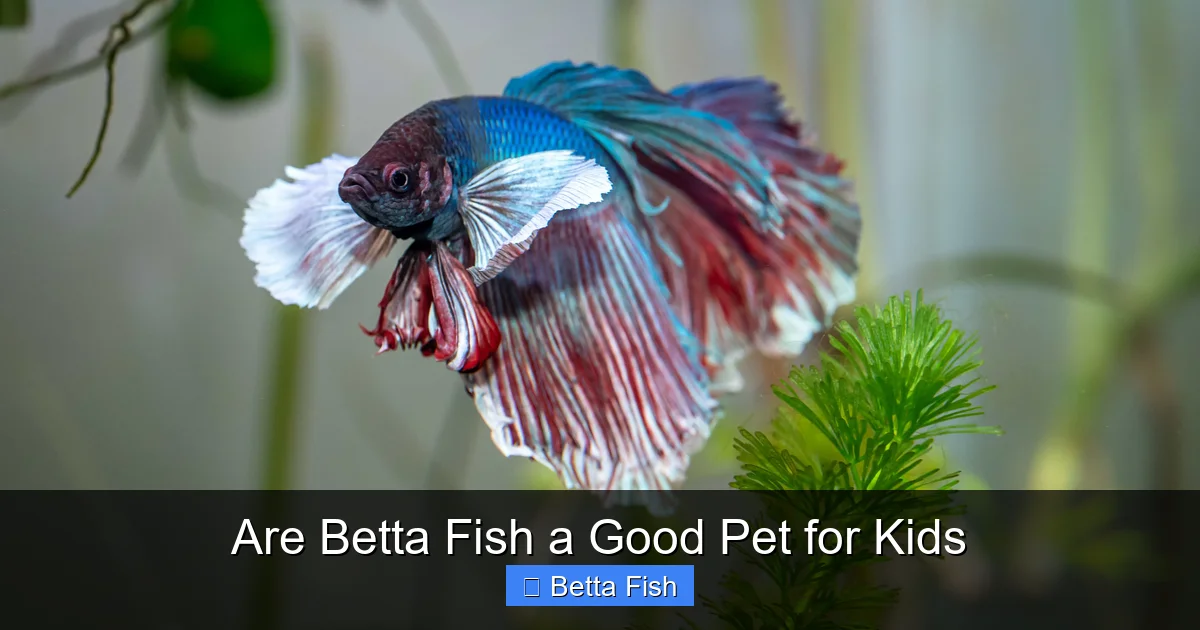
Betta fish, also called Siamese fighting fish, are native to Southeast Asia. They are known for their vivid colors and flowing fins. Unlike many other aquarium fish, bettas can breathe air directly from the surface thanks to a specialized organ called the labyrinth.
Visual guide about Are Betta Fish a Good Pet for Kids
Image source: worldanimalprotection.us
Temperament and Personality
Male bettas are territorial, especially toward other males, but they are generally calm around humans. They recognize their owner’s presence and often flare their fins when they see you approach—a rewarding interaction for kids.
Life Expectancy
With proper care, a betta can live 3‑5 years, sometimes longer. This lifespan gives children a medium‑term commitment that is long enough to feel meaningful but not overwhelming.
2. Setting Up the Perfect Home
Choosing the Right Tank Size
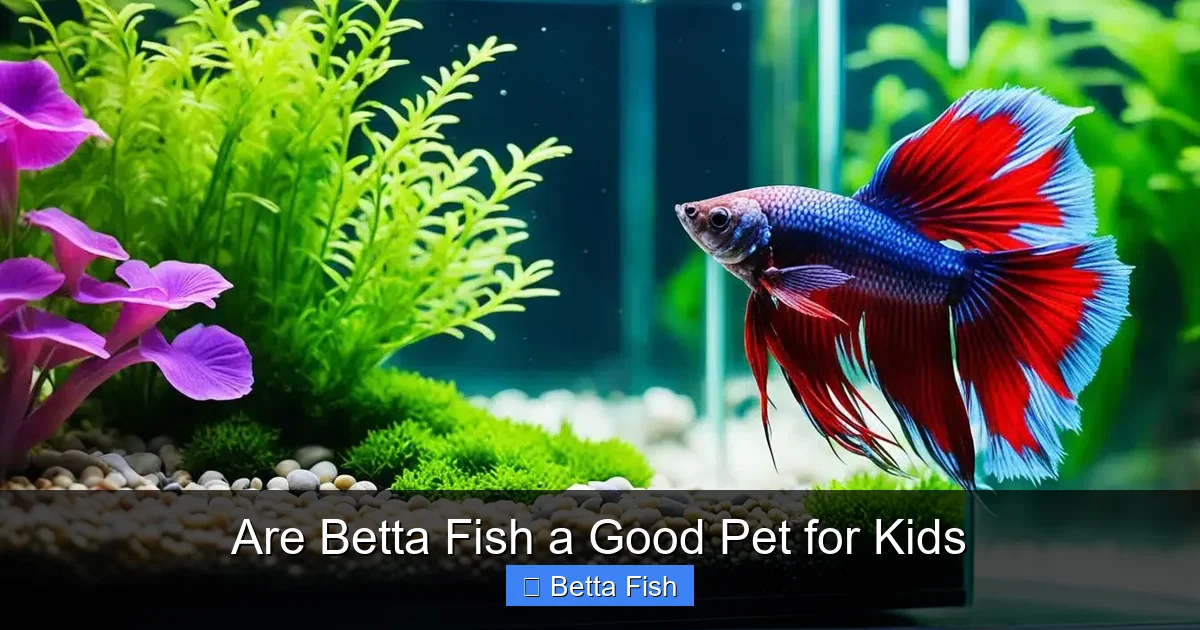
While the old “bowl” myth persists, a 5‑gallon tank is the sweet spot for a single betta. It provides enough swimming space, dilutes waste, and keeps water parameters stable. Learn more about tank size in our article What Is A Good Size Tank For A Betta Fish.
Visual guide about Are Betta Fish a Good Pet for Kids
Image source: lapetfair.com
Essential Equipment
- Heater: Bettas are tropical and need water kept between 76‑82°F (24‑28°C). A small submersible heater does the job.
- Filter: A gentle sponge filter keeps water clear without creating strong currents that stress the fish.
- Cover: A tight‑fitting lid prevents jumps and accidental spills.
- Lighting: Soft LED lights highlight colors and support any live plants you add.
Live Plants and Décor
Adding live plants not only looks great, it also improves water quality. Good choices include Java fern, Anubias, and Marimo moss balls. See our guide Which Live Plants Are Good For Betta Fish for a full list.
3. Daily Care Made Simple
Feeding Routine
Bettas are carnivores. Feed them a high‑quality betta pellet or frozen bloodworm once or twice a day. Offer only what they can eat in two minutes to avoid overfeeding.
Visual guide about Are Betta Fish a Good Pet for Kids
Image source: i.ytimg.com
Water Changes
Change 25‑30% of the water weekly. Use a water conditioner to remove chlorine and chloramines. For step‑by‑step instructions, read How To Do A Water Change For Betta Fish.
Temperature Checks
Use a reliable aquarium thermometer. If the water drifts below 76°F, the heater may need adjustment.
4. Teaching Responsibility to Kids
Creating a Care Chart
Turn daily tasks into a simple chart: feed at 8 am, check temperature at 5 pm, and help with weekly water changes on Saturday. Let your child tick off each task—this visual reward builds habit.
Observation Skills
Encourage kids to watch for signs of stress: faded colors, clamped fins, or labored breathing at the surface. Early detection prevents illness.
Safety Measures
- Always supervise water changes.
- Keep the tank out of reach of very young children to avoid accidental tipping.
- Teach kids never to tap on the glass, which can stress the fish.
5. Common Concerns Parents Have
Are Betta Fish Easy To Care For?
Yes. Their labyrinth organ lets them survive short periods without filtration, but a filtered tank still offers the healthiest environment. For a deeper dive, see Are Betta Fish Easy To Care For.
What About Temperature Fluctuations?
Room temperature swings can affect water warmth. A reliable heater with an auto‑off feature mitigates this risk.
Can Bettas Live With Other Fish?
Generally, bettas prefer solitude. If you want a community tank, choose peaceful, bottom‑dwelling species and keep the betta in a divider. Our article What Fish Is Compatible With A Betta Fish explains safe options.
6. Long‑Term Happiness: Keeping Your Betta Thriving
Health Monitoring
Look for white spots (Ich), torn fins, or lethargy. Early treatment with appropriate medication can save the fish.
Enrichment Activities
Introduce a small mirror for a few minutes a day; the betta will flare its fins, providing mental stimulation. You can also train it to follow a finger using a rewarding feed.
When to Upgrade the Tank
If your child wants more space or you plan to add plants, moving to a 10‑gallon tank is easy. The larger volume offers greater stability and room for growth.
Conclusion
Betta fish are an excellent introductory pet for children. Their modest space requirements, striking appearance, and straightforward care routine make them accessible while still teaching valuable life lessons. By setting up a proper tank, establishing a simple daily routine, and involving kids in observation and maintenance, families can enjoy a vibrant, living companion for many years. With a little attention to temperature, water quality, and safety, the betta will reward your child with colorful displays and a sense of accomplishment that lasts far beyond the first feed.
Frequently Asked Questions
Are betta fish suitable for children under 5?
Yes, as long as an adult supervises tank setup and water changes. The fish itself is low‑maintenance, but younger kids need help with handling and cleaning.
How often should I feed my betta?
Feed high‑quality pellets once or twice daily, offering only what the fish can eat in two minutes. Overfeeding can cloud the water.
Do betta fish need a heater?
Absolutely. Bettas are tropical and thrive at 76‑82°F. A small aquarium heater keeps the water within this safe range.
Can I keep a betta in a bowl?
While bettas can survive in small bowls, a filtered tank of at least 5 gallons provides a healthier, more stable environment.
What are the signs of a sick betta?
Look for faded colors, clamped fins, loss of appetite, or visible spots. Prompt water changes and, if needed, medication can help.
How long does a betta fish live?
With proper care, bettas typically live 3‑5 years, giving children a medium‑term commitment that’s rewarding and manageable.

