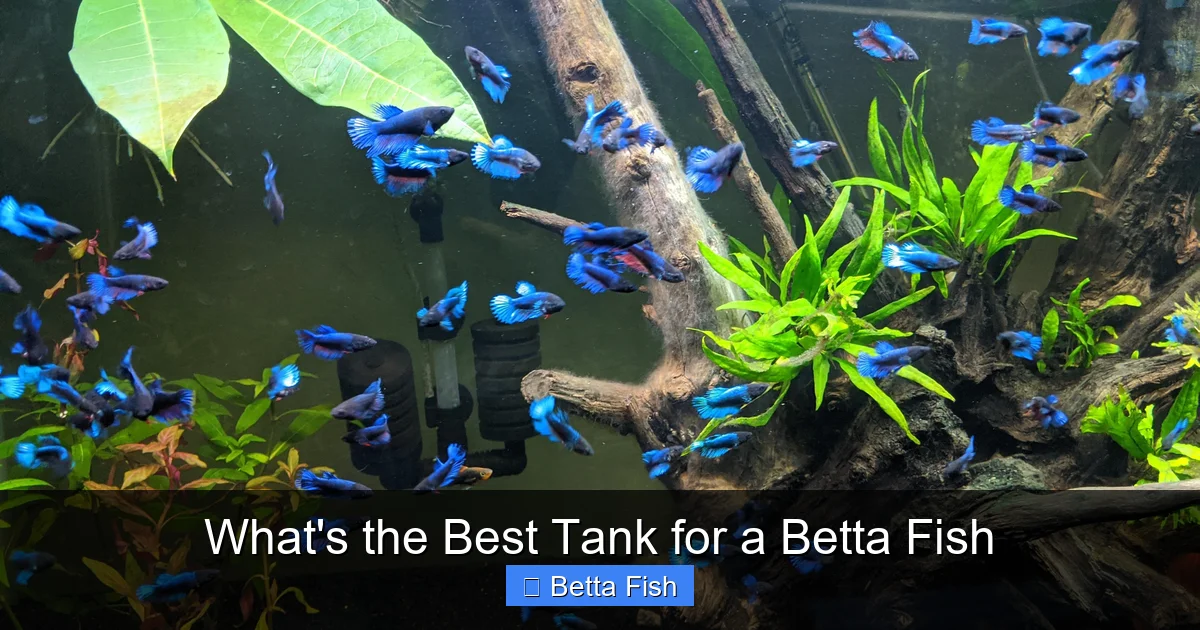
What’s the Best Tank for a Betta Fish
The best tank for a betta fish is a minimum of 5 gallons, equipped with a gentle filter and a reliable heater set to 78-80°F. It must be cycled to establish beneficial bacteria and decorated with live or silk plants and hiding spots to reduce stress. This setup mimics their natural habitat, preventing disease and allowing their full personality to shine.
You’ve seen them, haven’t you? Those tiny, colorful betta fish swimming sadly in small plastic cups or glass bowls on a store shelf. Their flowing fins look like silk, their colors like living jewels. It’s easy to think, “How much space could that little fish really need?” This is the most common and dangerous myth about betta fish. The truth about finding the best tank for a betta fish is a story of moving from a myth of convenience to a reality of compassion and vibrant health. It’s about understanding where this brilliant fish truly comes from and giving it a home that allows its personality to explode with life. Let’s throw out the old ideas and build the perfect aquatic world for your new friend.
Key Takeaways
- Tank Size is Critical: The absolute minimum is 5 gallons, but a 10-gallon tank or larger is vastly superior for water stability and swimming space.
- Filtration is Non-Negotiable: A gentle sponge filter or adjustable flow filter is essential to clean the water without harming a betta’s delicate fins.
- Heating is Mandatory: Bettas are tropical fish requiring a stable water temperature between 78-80°F, provided by an aquarium heater with a thermostat.
- Enrichment Prevents Stress: Provide plants (live or silk), caves, and other decor to create hiding spots and mimic a natural riverbank environment.
- The Nitrogen Cycle Must Be Completed: Never add a betta to an uncycled tank. The cycle establishes beneficial bacteria that process toxic fish waste.
- Water Quality Trumps Tank Size: A well-maintained 5-gallon tank is infinitely better than a neglected 20-gallon tank. Regular testing and water changes are key.
- Bettas are Intelligent: They recognize their keepers, can be trained, and need mental stimulation from a properly enriched environment to thrive.
📑 Table of Contents
- Why the “Bowl Myth” is Dangerous for Betta Fish
- The Ideal Tank Size: Why Bigger Really is Better
- Filtration: The Lifeline of Your Betta’s Home
- Heating and Temperature: Replicating the Tropical Climate
- Creating a Stimulating Environment: Decor and Enrichment
- The Nitrogen Cycle: The Foundation of a Healthy Tank
- Long-Term Care: Maintenance for a Thriving Betta
- Conclusion: Building a Legacy of Care
Why the “Bowl Myth” is Dangerous for Betta Fish
The image of a betta in a small, standalone bowl is pervasive. It’s sold as a “low-maintenance” pet for a dorm room or desk. This idea is not just wrong; it’s a recipe for a short, stressed, and sickly life for the fish. To understand why, we must first look at the origins of this myth and then contrast it with the biological reality of the betta.
The Origins of the Misconception
The “betta in a bowl” idea likely stems from two places. First, from their scientific name, Betta splendens, which are “fighting fish” from the rice paddies of Thailand. These shallow, warm, and vegetated waters can be small in volume but are part of a vast, interconnected ecosystem with constant water flow and plant cover. Second, retailers love the bowl because it’s cheap, small, and easy to sell as an impulse buy. It makes the betta seem like a simple, decorative object rather than a complex living creature. This marketing has caused immense suffering.
The Reality of a Betta’s Natural Habitat
In the wild, a betta’s home is not a sterile, isolated puddle. It’s the shallow, slow-moving edges of rice paddies, ditches, and warm, stagnant floodplains. These areas are choked with dense vegetation—floating plants, overhanging leaves, and rooted plants. The water is warm, often above 80°F, and has a soft, slightly acidic quality. Crucially, while the water may be shallow in depth, the betta has an immense amount of horizontal space to explore, hunt for insects, and build bubble nests among the plants. It’s a world of complexity, not emptiness.
Health Consequences of Inadequate Housing
Putting a betta in a small bowl or vase is a direct attack on its physiology. The small water volume means toxins like ammonia from its waste build up almost instantly, poisoning the fish and burning its gills. Without a filter, there’s no mechanical or biological way to remove these toxins. The temperature fluctuates wildly with room air, stressing the fish’s immune system. The lack of plants and hiding spots causes chronic stress, leading to a suppressed immune system, faded colors, torn fins (from bumping into the glass), and lethargy. Diseases like fin rot and velvet, which opportunistic pathogens cause, become almost inevitable. A bowl is not a home; it’s a slow death sentence.
The Ideal Tank Size: Why Bigger Really is Better
Now that we’ve shattered the bowl myth, let’s talk numbers. What is the best tank for a betta fish? The single most important factor is water volume. More water means greater stability. It dilutes toxins, buffers temperature changes, and provides a more consistent environment. It’s not just about the fish’s swimming ability (though they love to explore!), but about the fundamental chemistry of the water.
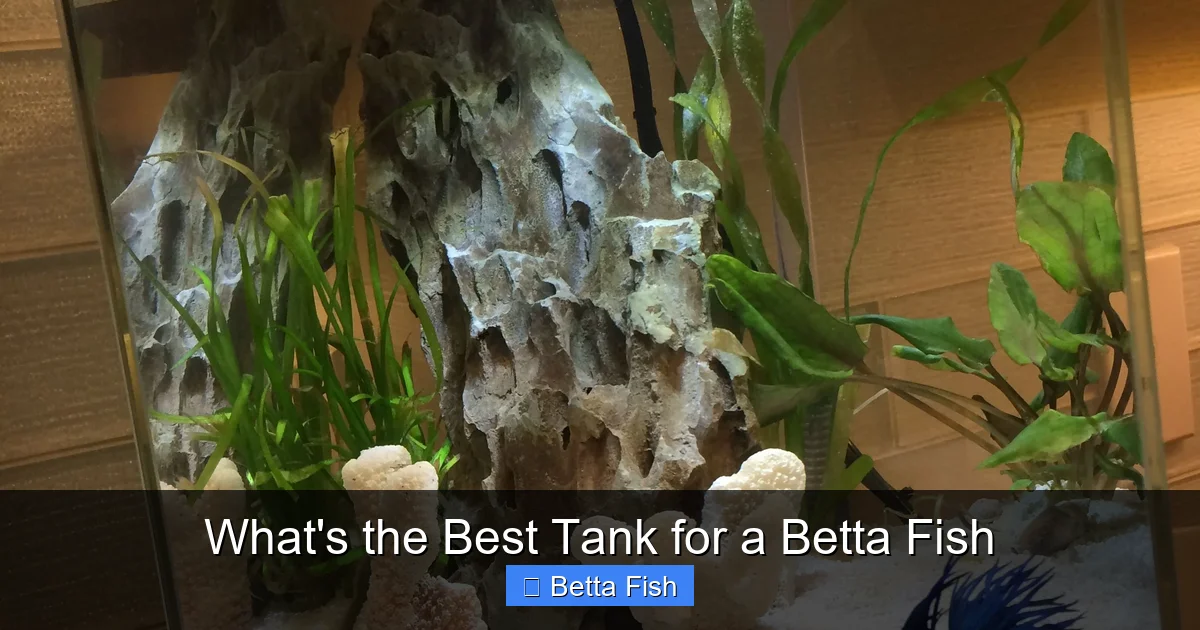
Visual guide about What’s the Best Tank for a Betta Fish
Image source: i.pinimg.com
The Absolute Minimum: 5 Gallons
Let’s be clear: 5 gallons is the absolute, rock-bottom minimum. A 5-gallon tank (often sold as a “long” or “breeder” tank, which is better than a tall, narrow one) can be set up successfully. It allows for a proper filter, heater, and a few plants or decorations. It gives the betta enough room to swim a few lengths and establish a territory. However, it is a baseline. Water parameters can still swing more dramatically than in a larger tank, requiring more vigilant maintenance. If you can only manage a 5-gallon, you must be diligent with weekly water changes and testing.
The Sweet Spot: 10 Gallons and Beyond
For anyone asking “what’s the best tank for a betta fish?”, the honest answer is: as big as you can reasonably manage and afford. A 10-gallon tank is the true “sweet spot” for a single betta. The water is so much more stable that maintenance becomes easier, not harder. The betta has genuine space to swim, explore, and display natural behaviors like flaring at its reflection or “patrolling” its territory. A 10-gallon also opens up possibilities for carefully selected, peaceful tank mates (like a small school of neon tetras or a few corydoras catfish—but this is an advanced topic requiring careful research). Tanks of 20 gallons or more are even better, creating a stunning community centerpiece with the betta as the star.
Tank Shape and Dimensions Matter
Don’t just look at the gallon number. Shape is crucial. Bettas are labyrinth fish that need to gulp air from the surface. A tall, narrow tank (like a “column” tank) reduces the surface area relative to the water volume, making gas exchange harder. A long, wide tank is always preferable. It provides more horizontal swimming space, a larger surface area for oxygen absorption, and makes aquascaping and viewing easier. Always prioritize a tank with a large footprint over a tall, skinny one of the same volume.
Filtration: The Lifeline of Your Betta’s Home
You might have heard that bettas can live in still water because they come from rice paddies. This is a half-truth that leads to a fatal error. In nature, those paddies have a constant, slow influx of fresh water and are filled with plants that absorb waste. Your closed aquarium has no such natural cleansing. A filter is 100% required for a healthy betta tank, regardless of size. The key is choosing the right one.
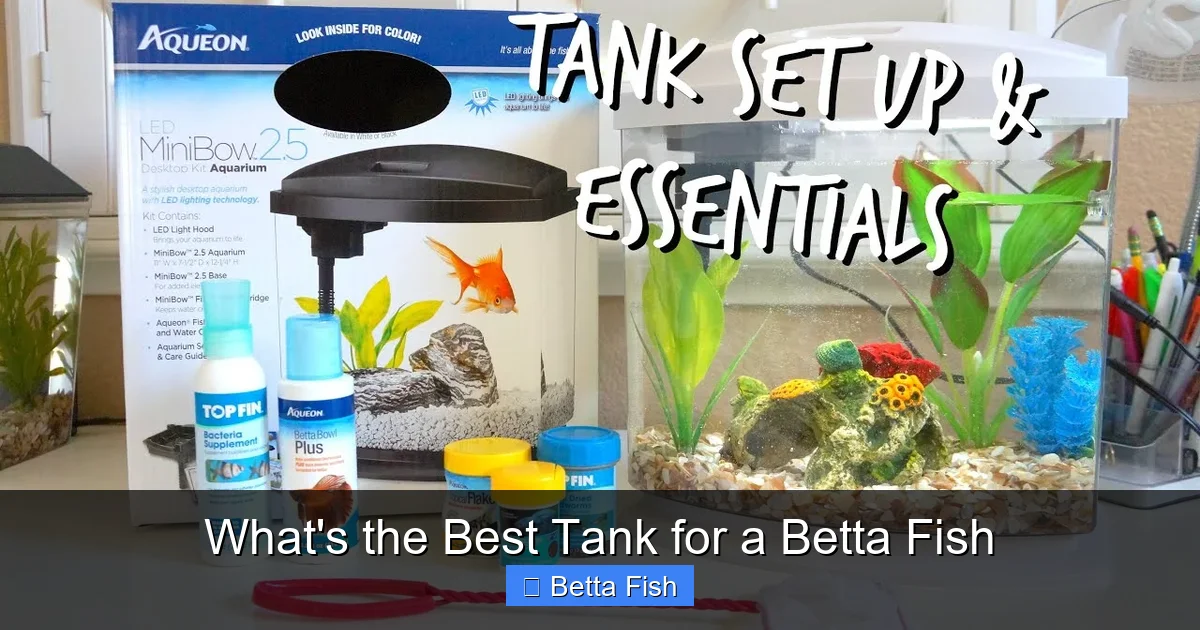
Visual guide about What’s the Best Tank for a Betta Fish
Image source: i.ytimg.com
Why a Filter is Non-Negotiable
Filters do three vital jobs: mechanical filtration (removing physical debris like uneaten food and feces), chemical filtration (using media like activated carbon to remove odors and tannins), and—most importantly—biological filtration. This is the process where beneficial bacteria colonize the filter media and convert toxic fish waste (ammonia) into less harmful nitrite and then into nitrate. Without this bacterial colony, ammonia will spike and kill your fish within days. A filter houses this essential bacteria colony.
Choosing a Betta-Safe Filter: Sponge Filters are King
For a betta, the gold standard is a simple air-driven sponge filter. It’s cheap, quiet, and provides excellent biological filtration. The sponge’s large pores are perfect for beneficial bacteria. Most importantly, it creates a gentle flow of bubbles and water that won’t stress a betta’s long, delicate fins. Bettas are weak swimmers and hate strong currents. Hang-on-back (HOB) or canister filters can work, but you must choose one with an adjustable flow setting and always turn it down to the lowest possible setting. You may also need to add a pre-filter sponge over the intake to protect the betta’s fins from being sucked in.
Adjusting Flow and Preventing Suction Injuries
Even with a sponge filter, you need to position it carefully. Place it in a corner or behind a large decoration so the current is broken up. If using a HOB filter, point the outflow towards the tank wall or a plant to diffuse the flow. You can also use a spray bar attachment. Always observe your betta after adding the filter. Is it struggling to swim? Is its fins being blown back constantly? If yes, the flow is too strong. Reduce it or switch filter types. A calm betta resting on a plant leaf or the bottom is a sign of a good flow.
Heating and Temperature: Replicating the Tropical Climate
Bettas are tropical fish, native to the warm waters of Southeast Asia. Their immune system, metabolism, and overall health are completely dependent on a stable, warm environment. Room temperature is almost always too cold and fluctuates too much. A reliable aquarium heater is not an optional accessory; it is as essential as the water itself.
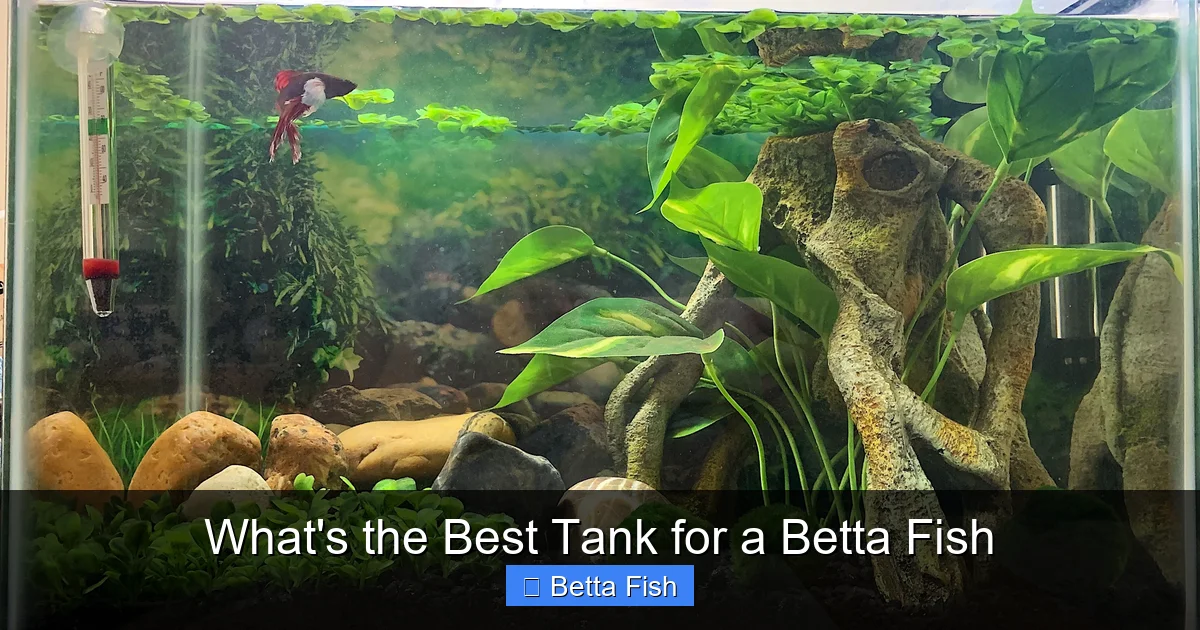
Visual guide about What’s the Best Tank for a Betta Fish
Image source: i.pinimg.com
The Critical Role of an Aquarium Heater
Water temperature affects everything for a betta. If it’s too cold (below 76°F), their metabolism slows, they become lethargic, their immune system shuts down, and they are prone to diseases like dropsy. If it’s too hot (above 82°F) for extended periods, it can accelerate their metabolism unsustainably and reduce oxygen levels in the water. The ideal range is a steady 78-80°F (25.5-26.5°C). A good heater with an accurate thermostat maintains this range automatically, regardless of room temperature swings.
Selecting the Right Heater Wattage and Type
Heater wattage is based on tank size. A general rule is 5 watts per gallon. For a 5-gallon tank, a 25-watt heater is sufficient. For a 10-gallon, a 50-watt heater is standard. Always buy a heater with a built-in thermostat and an automatic shut-off. Submersible heaters are the easiest to use. Place it near the water flow (like the filter output) to ensure even heat distribution, but not so close that it can overheat when the flow stops. Use a thermometer—a cheap, stick-on external thermometer or a digital one—to constantly verify the heater’s accuracy. Never trust the heater’s dial alone.
Using a Reliable Thermometer
This is a critical piece of equipment. Place the thermometer on the opposite side of the tank from the heater to get a true reading of the water temperature. Check it daily. If the temperature is consistently off, your heater may be failing. Temperature fluctuations of more than 1-2 degrees in a day are stressful. A stable temperature is a cornerstone of a healthy best tank for a betta fish.
Creating a Stimulating Environment: Decor and Enrichment
Now we get to the fun part: designing your betta’s home. A bare tank with just a heater and filter is a prison. Bettas are intelligent, curious, and territorial fish. They need an environment that stimulates their natural behaviors—exploring, hiding, building nests, and observing their domain. This is where aquascaping comes in.
The Importance of Hiding Spots and Plants
In the wild, bettas hide under leaves and among dense plants to feel safe from predators and to hunt. Your tank must replicate this. Provide at least 2-3 distinct hiding spots using items like ceramic caves, PVC pipes (clean and safe), or densely planted areas. Plants are the single best decor you can add. Live plants are fantastic for water quality and provide the most natural texture, but they require light and sometimes CO2. For beginners, high-quality silk plants are a perfect, zero-maintenance alternative. They look realistic and have soft leaves that won’t tear a betta’s fins. Avoid plastic plants with stiff, sharp edges—they are a common cause of fin damage.
Choosing Safe Substrate
For a betta-only tank, substrate choice is mostly about aesthetics and plant needs. Smooth gravel or sand is ideal. Avoid sharp, jagged gravel that can injure the betta as it rests on the bottom. If you want live plants, you’ll need a nutrient-rich substrate or root tabs. For silk plants and bettas only, any smooth, rinsed gravel or sand is fine. A dark-colored substrate often makes betta colors pop more vividly.
Lighting: Finding the Balance
Lighting serves two purposes: it lets you see your beautiful betta and it supports live plants. However, too much bright light can cause algae blooms and stress the fish. Bettas prefer subdued lighting that mimics the dappled shade of their natural habitat under overhanging vegetation. If you have live plants, choose a full-spectrum LED light on a timer (8-10 hours a day). If you only have silk plants, a simple, low-intensity aquarium light or even ambient room light is sufficient. Always provide shaded areas under plant leaves where the betta can retreat from the light.
The Nitrogen Cycle: The Foundation of a Healthy Tank
This is the most technical but most important step in setting up the best tank for a betta fish. You cannot skip this. The nitrogen cycle is the process of establishing a colony of beneficial bacteria that will eat your betta’s toxic waste. Adding a betta to an uncycled tank is like pouring poison into its home.
What is Cycling and Why It’s Essential
Fish produce ammonia as waste, which is lethally toxic. In a cycled tank, a bacteria called Nitrosomonas converts ammonia into nitrite (also toxic). Then another bacteria, Nitrospira, converts nitrite into nitrate, which is much less toxic and can be removed by water changes. This bacterial colony lives primarily in your filter media and on surfaces in the tank. “Cycling” is the 4-6 week process of growing this bacteria to a level that can handle the waste from your betta.
Step-by-Step Guide to Cycling a Betta Tank
1. Set up the tank: Add substrate, decor, plants, fill with dechlorinated water, and install the filter and heater.
2. Add an ammonia source: You can use a few drops of pure ammonia, a piece of shrimp, or (most reliably) a commercial bacterial starter like Fritz Turbo Start or API Quick Start. These products contain live bacteria that jump-start the cycle.
3. Test the water: Use a liquid test kit (like the API Freshwater Master Test Kit). You are looking for ammonia to spike, then drop to zero as nitrite rises and then falls, leaving only nitrate.
4. Be patient: This takes 4-6 weeks. Do not add your fish until ammonia and nitrite are both at 0 ppm, and nitrate is present (even at 20-40 ppm).
5. Add your betta: Once the cycle is complete, you can add your betta. The established bacteria will now safely process its waste from day one.
Understanding Water Parameters (Ammonia, Nitrite, Nitrate)
During the cycle, you will see these numbers change. After the cycle, in a healthy tank with a betta, you should always have: Ammonia = 0 ppm, Nitrite = 0 ppm, Nitrate < 20 ppm. Nitrate is the end product. While less toxic, high nitrate (above 40 ppm) still stresses fish and promotes algae. This is controlled by regular water changes. A test kit is your best friend. Test weekly once the betta is in the tank.
Long-Term Care: Maintenance for a Thriving Betta
Setting up the perfect tank is only half the battle. The best tank for a betta fish is the one that is consistently well-maintained. A cycled, properly equipped tank will run smoothly with a simple, predictable routine.
Establishing a Water Change Routine
This is the single most important maintenance task. In a cycled 5-10 gallon tank with one betta, a 25% water change once a week is usually sufficient. Use a gravel vacuum to suck debris from the substrate during the change. Always replace the water with dechlorinated water that is temperature-matched to the tank (within 1-2 degrees). Never change more than 50% at once, as this can shock the beneficial bacteria and the fish. In a larger, well-planted tank, you might get away with a 15% change weekly. The nitrate test will tell you when it’s time.
Testing Water Quality Regularly
Even with water changes, test your water at least once a week, especially after the first few months. A quick test for ammonia, nitrite, and nitrate takes minutes. This is your early warning system. If ammonia or nitrite spikes above 0, something is wrong—perhaps the filter was cleaned incorrectly (never rinse filter media in tap water!), or you overfed. Catching problems early saves your betta’s life.
Observing Your Betta: The Best Health Indicator
Your betta itself is the most important diagnostic tool. Spend a few minutes each day watching it. A healthy betta is alert, with vibrant colors, erect and flowing fins, and a healthy appetite. It will explore its tank, flare at its reflection (a normal, if amusing, behavior), and rest on a plant leaf or the bottom (this is normal, not a sign of illness). Signs of stress or illness include: faded or clamped fins, lethargy (hiding constantly, not moving), loss of appetite, rapid gill movement, spots (velvet), white cotton-like growth (fungus), or torn/faded fins (fin rot). Early intervention based on observation is key.
Conclusion: Building a Legacy of Care
The journey to finding the best tank for a betta fish is a journey from seeing a disposable decoration to welcoming a sentient companion. It starts with rejecting the bowl myth and embracing the facts: a betta needs a minimum 5-gallon, but ideally 10-gallon or larger, heated, filtered, and cycled aquarium. It needs an environment rich with plants and hiding spots to feel secure. It needs stable water parameters maintained through a simple routine of weekly water changes and testing.
This setup is not “high-maintenance.” It is right-maintenance. The initial investment in a proper tank, heater, filter, and test kit pays off in a vibrant, interactive pet that will recognize you, perform for you, and live a long, healthy life—often 3-5 years or more, compared to just a few months in a bowl. You are not just buying a fish; you are creating a miniature ecosystem and providing a sanctuary. That betta, with its glorious fins and curious eyes, will reward you with a display of personality and beauty that a tiny bowl could never contain. Start with the right tank, and watch your betta truly flourish.
Frequently Asked Questions
Can a betta fish live in a vase or bowl?
No. A vase or small bowl is a death sentence for a betta. The water volume is too small to maintain stable temperature or dilute toxins like ammonia. The lack of filtration and heating causes immense stress and rapid health decline. A proper tank is essential for survival.
What is the smallest tank I can use for a single betta?
The absolute minimum is a 5-gallon tank. This allows for a heater, a gentle filter, and some decor. However, a 10-gallon tank is strongly recommended as it provides much greater water stability, more swimming space, and makes maintenance easier.
Do betta fish absolutely need a heater?
Yes. Bettas are tropical fish from waters consistently around 80°F. Room temperature is almost always too cold and fluctuates, suppressing their immune system. A small, adjustable aquarium heater set to 78-80°F is mandatory for long-term health.
Can I use a regular fish tank filter for my betta?
You can, but it must have an adjustable flow setting. Bettas cannot handle strong currents. A sponge filter (air-driven) is the safest and most recommended option. If using a hang-on-back filter, set it to the lowest flow and protect the intake with a sponge pre-filter.
What kind of substrate (gravel) is best for a betta?
Any smooth, rinsed gravel or sand is fine. Avoid sharp, jagged gravel that can tear fins. Dark-colored substrate often makes betta colors appear more vibrant. If you want live plants, choose a substrate designed for planted tanks or use root tabs.
How often should I do water changes in my betta tank?
In a properly cycled 5-10 gallon tank with one betta, a 25% water change once a week is standard. Always use a gravel vacuum to clean the substrate and replace the water with dechlorinated water at the same temperature. Test your nitrate levels to confirm this schedule is adequate.