What Fish Is Compatible with a Betta Fish
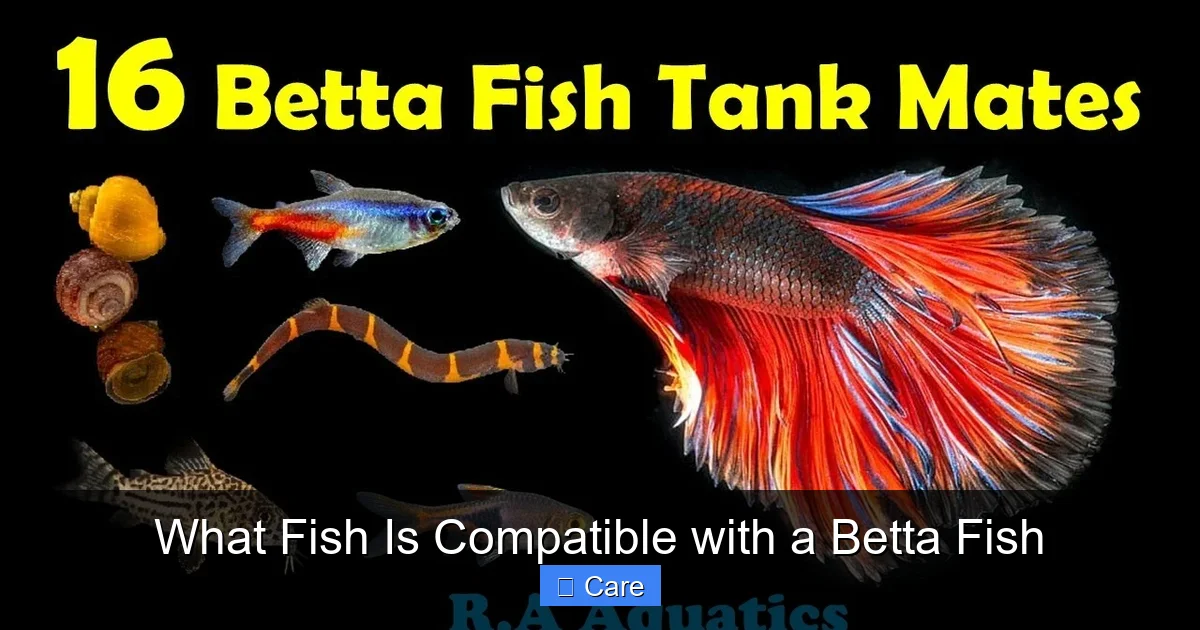
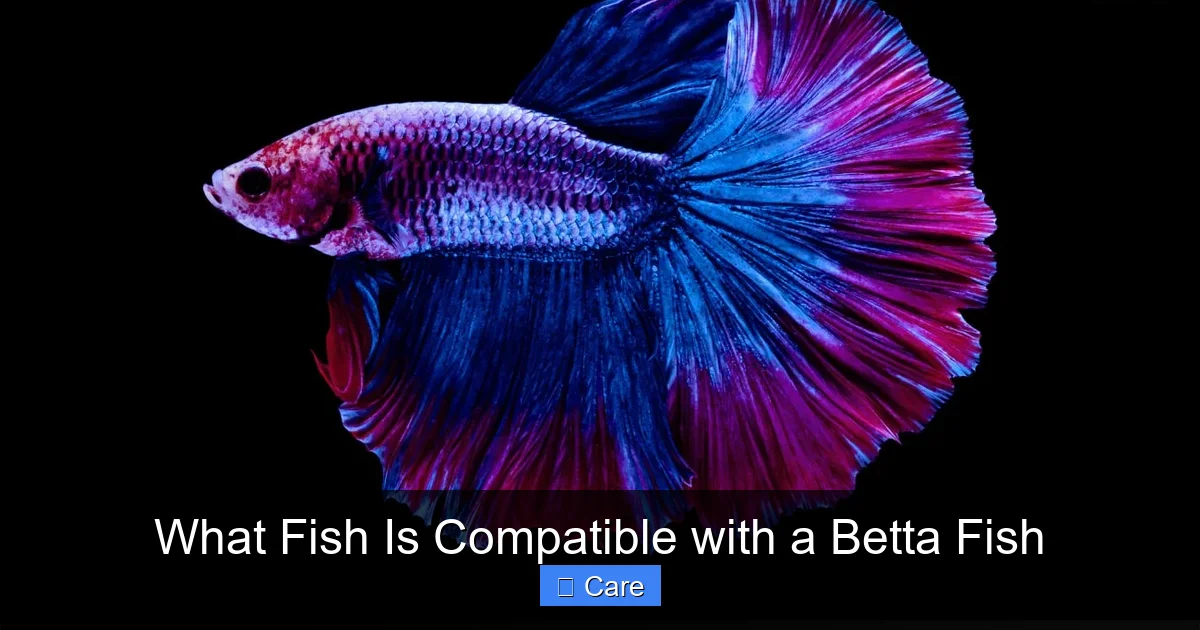
Betta fish can share a tank, but only with the right partners. Choose peaceful, similarly sized species, keep water conditions stable, and provide plenty of hiding spots. Follow these guidelines to create a happy, harmonious aquarium for your betta and its new friends.
Key Takeaways
- Temperament matters: Only calm, non‑aggressive fish should live with a betta.
- Size compatibility: Tank mates should be similar in size or larger to avoid being seen as food.
- Water parameters: Match species that thrive in the same temperature and pH range.
- Plenty of hiding spots: Plants, caves, and decorations reduce stress for all inhabitants.
- Monitor behavior: Watch for signs of fin‑nipping or stress during the first weeks.
- Start small: Introduce one species at a time to gauge compatibility.
- Community tank basics: A minimum of 10‑gal tank is recommended for most betta pairings.
📑 Table of Contents
- Introduction: Why You Might Want Tank Mates for Your Betta
- Understanding Betta Behavior and Needs
- Top Fish Species That Get Along With Betta Fish
- Fish to Avoid: Common Incompatibilities
- Setting Up a Community Tank for Betta and Friends
- Monitoring Health and Behavior
- Conclusion: Building a Peaceful Betta Community
Introduction: Why You Might Want Tank Mates for Your Betta
Betta fish, also known as Siamese fighting fish, are famous for their vivid colors and flamboyant fins. Many new owners think of them as solitary showpieces, but a well‑planned community tank can be just as rewarding. Adding compatible fish can:
- Make the aquarium look more dynamic.
- Provide mental stimulation for the betta.
- Help maintain water quality by sharing the bioload.
However, the wrong companions can lead to fin‑nipping, stress, or even death. This guide walks you through everything you need to know to pick the perfect fish friends for your betta.
Understanding Betta Behavior and Needs
Territorial instincts
Male bettas are naturally territorial. In the wild they defend a small stretch of water surface. In a tank, they often see bright colors or long fins as rivals. That’s why it’s crucial to choose fish that won’t trigger these instincts.
Visual guide about What Fish Is Compatible with a Betta Fish
Image source: aquariumreference.com
Water requirements
Betta fish thrive in warm water (78‑82°F / 25‑28°C), slightly acidic to neutral pH (6.5‑7.5), and soft to medium hardness. Any tank mate must be comfortable within this range. A stable temperature also prevents stress‑related disease.
Social preferences
While male bettas are aggressive toward each other, they can coexist peacefully with certain species that are either too small to bother them or too busy to notice them. Female bettas are generally less aggressive, but they still need careful selection of companions.
Top Fish Species That Get Along With Betta Fish
1. Neon Tetras
Neon tetras are small, colorful, and fast‑moving. Their size (about 1.5‑2 inches) keeps them out of the betta’s “food” radar, and their schooling behavior distracts the betta from focusing on any single fish.
Visual guide about What Fish Is Compatible with a Betta Fish
Image source: buildyouraquarium.com
- Tank size: Minimum 10 gallons.
- Water temp: 72‑78°F (70‑78°F works if you keep the betta at the higher end).
- Compatibility tip: Keep a school of at least six to reduce stress.
2. Corydoras Catfish
These bottom‑dwelling “clean‑up crew” are peaceful and love to sift through the substrate. Their armored plates protect them from accidental nips, and they stay far from the betta’s surface territory.
- Size: 2‑3 inches.
- Tank size: 10‑20 gallons.
- Ideal group: 3‑6 individuals.
3. Harlequin Rasboras
Harlequin rasboras are striking, laterally‑striped fish that thrive in groups. Their slightly larger size (about 2 inches) and calm demeanor make them good companions.
- Temperature: 75‑80°F.
- pH: 6.0‑7.5.
- Group size: Minimum of six.
4. Otocinclus Catfish
Often called “Otos,” these tiny algae eaters are gentle and rarely interact with bettas. They’re excellent for keeping glass clean without adding competition for food.
- Size: 1‑1.5 inches.
- Tank size: 10 gallons.
- Note: They need well‑established bio‑filters and plenty of algae or supplemental veggie wafers.
5. Kuhli Loaches
Kuhli loaches are eel‑like, shy bottom dwellers that love to burrow. Their cryptic nature keeps them out of the betta’s line of sight, reducing aggression.
- Size: 4‑6 inches (grow longer).
- Tank size: 20 gallons minimum.
- Group: 3‑5 for social comfort.
6. Small Livebearers (e.g., Endler’s Guppies)
Endler’s guppies are tiny (about 1‑1.2 inches) and have a less flowing tail than fancy guppies, which reduces the chance of a betta seeing them as a rival.
- Temperature: 78‑82°F.
- Note: Keep only a few males to avoid constant chasing.
Fish to Avoid: Common Incompatibilities
Fin‑nippers
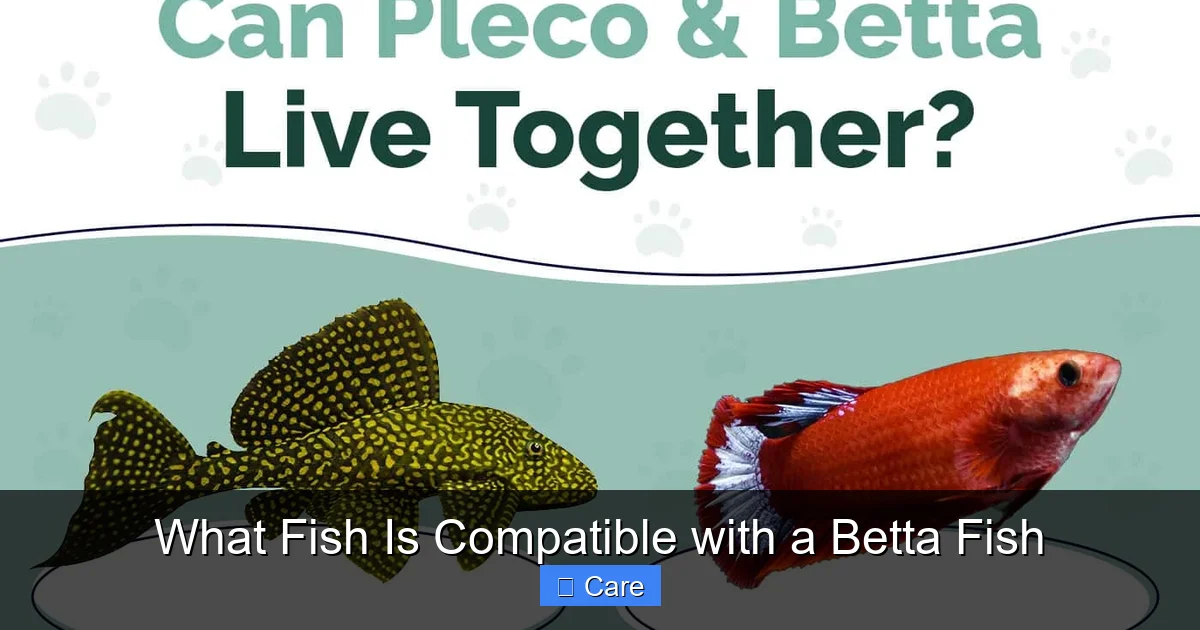
Species like tiger barbs, loaches with sharp teeth, and larger cichlids will see the betta’s long fins as a snack. Avoid them at all costs.
Visual guide about What Fish Is Compatible with a Betta Fish
Image source: articles.hepper.com
Brightly colored, long‑fin fish
Betas can mistake vivid guppies, fancy goldfish, or other bettas for rivals. This often leads to aggressive displays and injury.
Very small fry
Baby fish smaller than ½ inch may be swallowed whole. If you want a community tank, start with juveniles that are already near adult size.
Slow‑moving or bottom‑only fish in a small tank
In cramped spaces, the betta may dominate every level of the aquarium, leaving no refuge for shy species.
Setting Up a Community Tank for Betta and Friends
Choosing the right tank size
While a single betta can live in a 5‑gallon bowl, a community setup needs at least 10 gallons. More space means fewer territorial disputes and better water stability.
Creating zones
Divide the tank into three vertical zones:
- Surface zone: Keep the betta’s favorite spot, add floating plants for cover.
- Mid‑water zone: Place schooling fish like neon tetras or rasboras here.
- Bottom zone: Add caves, driftwood, and soft substrate for catfish and loaches.
Plants and décor
Live plants such as Java fern, Anubias, and Amazon swords provide natural hiding places and improve water quality. If live plants aren’t an option, use silk plants and smooth‑sided rocks to avoid tearing fins.
Filtration and heating
A gentle, low‑flow filter (sponge or hang‑on‑back) prevents the betta from being swept away. Keep the heater set within the betta’s preferred range; a stable temperature is key for all species.
Acclimation process
Introduce new fish slowly:
- Float the sealed bag in the tank for 15‑20 minutes to equalize temperature.
- Gradually add ¼ cup tank water to the bag every 5 minutes for 30 minutes.
- Release the fish using a net, never dump the bag water into the aquarium.
Observe the betta for a few days before adding additional species.
Monitoring Health and Behavior
Signs of stress
Watch for faded colors, clamped fins, rapid gill movement, or hiding all the time. Stress can lead to disease, so act quickly.
Dealing with aggression
If the betta shows flaring, chasing, or fin‑nipping, try these steps:
- Re‑arrange décor to break line‑of‑sight.
- Increase hiding spots.
- Consider moving the aggressor to a separate tank.
Routine maintenance
Perform 20‑30% water changes weekly, vacuum the substrate, and test parameters (ammonia, nitrite, nitrate, pH) regularly. Clean filters but retain beneficial bacteria.
Conclusion: Building a Peaceful Betta Community
Choosing the right fish companions for a betta isn’t magic—it’s about matching temperament, size, and water needs. By selecting peaceful, appropriately sized species, providing ample hiding places, and maintaining stable water conditions, you can create a vibrant, stress‑free aquarium where a betta and its friends thrive together. Start with a modest community, observe closely, and enjoy the colorful, lively display that results from thoughtful planning.
Frequently Asked Questions
Can I keep a male betta with another male betta?
No. Male bettas are highly territorial and will fight aggressively, often resulting in serious injury or death.
Are female bettas safe to keep with other fish?
Female bettas are less aggressive than males, but they can still be territorial. Choose peaceful tank mates and provide plenty of space.
How many gallons do I need for a betta community tank?
A minimum of 10 gallons is recommended when adding compatible fish. Larger tanks (20+ gallons) provide more stability and reduce aggression.
What should I do if my betta starts fin‑nipping?
Immediately increase hiding spots, rearrange décor to break sight lines, and consider removing the aggressive fish to a separate tank.
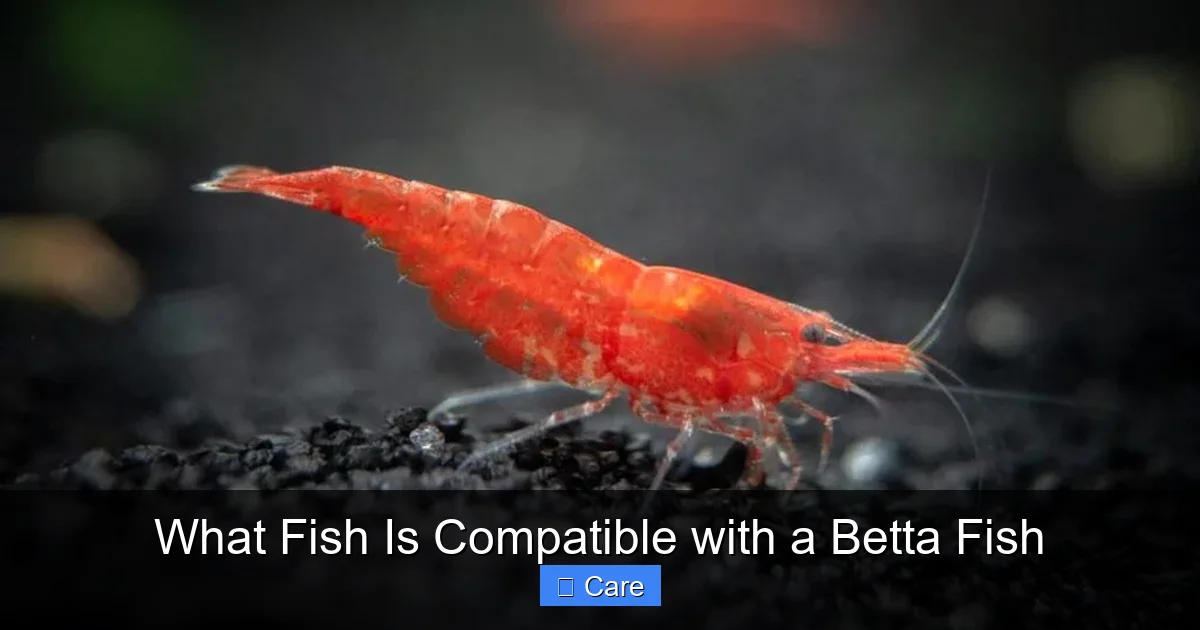
Can I keep shrimp with a betta?
Yes, larger shrimp like Amano or ghost shrimp often coexist well, but small, delicate shrimp may become prey.
Do bettas need a heater if they share a tank with tropical fish?
Yes. Betta fish require a stable temperature of 78‑82°F, which aligns with most tropical community fish, so a reliable heater is essential.