Are Betta Fish a Type of Arapaima
Betta fish are not a type of arapaima; they belong to a completely different family and have distinct size, habitat, and care needs. This article breaks down the science, compares the two species, and offers practical advice for anyone curious about these popular fish.
Key Takeaways
- Understanding are betta fish a type of arapaima: Provides essential knowledge
📑 Table of Contents
- Introduction: The Curious Question
- 1. Taxonomy: Where Do Betta Fish and Arapaimas Belong?
- 2. Size and Physical Appearance
- 3. Habitat and Environmental Needs
- 4. Behavior and Social Structure
- 5. Conservation and Legal Status
- 6. Frequently Asked Questions About Betta vs. Arapaima
- Conclusion: Clearing Up the Confusion
Introduction: The Curious Question
When you stroll through a pet store and see a dazzling betta flaunting its flowing fins, it’s easy to wonder how it fits into the grand scheme of fish families. A question that pops up now and then is, are betta fish a type of arapaima? At first glance, the answer might seem obvious, but the world of ichthyology loves to surprise us. In this friendly, conversational guide we’ll explore the science behind the names, compare the two species side‑by‑side, and clear up any lingering confusion.
Think of it like meeting two cousins at a family reunion—one is a tiny, colorful child who loves to show off, and the other is a towering adult who commands attention. Both share a family name, but their lives couldn’t be more different. Let’s dive in!
1. Taxonomy: Where Do Betta Fish and Arapaimas Belong?
1.1. The Betta Family Tree
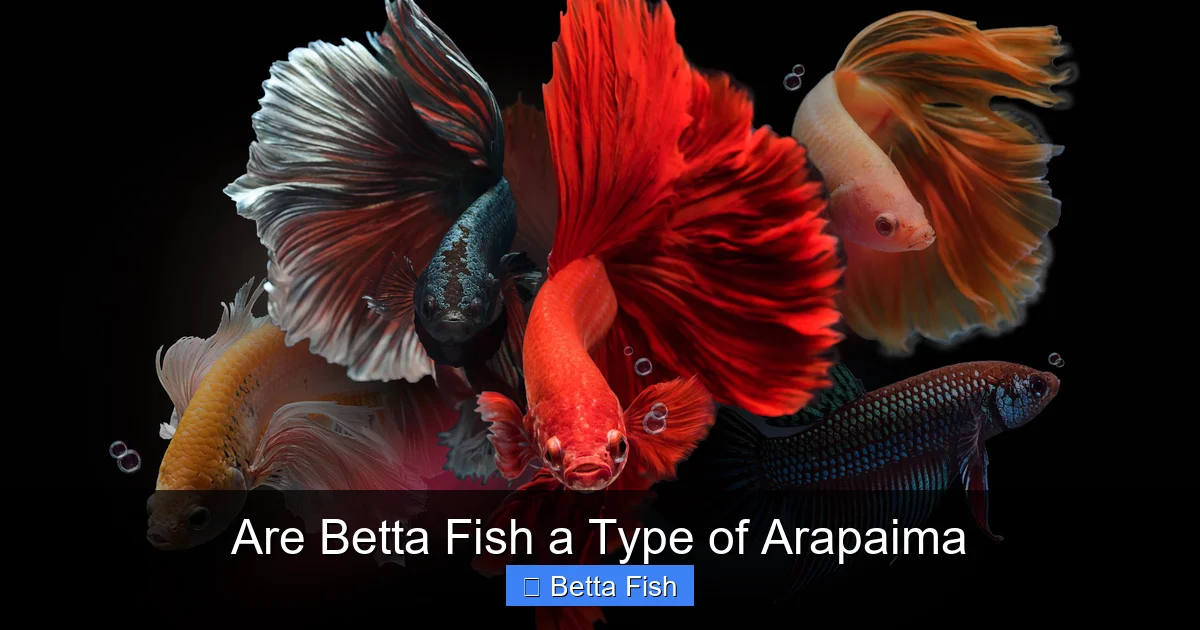
Betta fish belong to the family Osphronemidae, commonly called the gourami or labyrinth fish family. Their scientific name, Betta splendens, places them squarely among small, tropical freshwater species that have a special organ allowing them to gulp air from the surface.
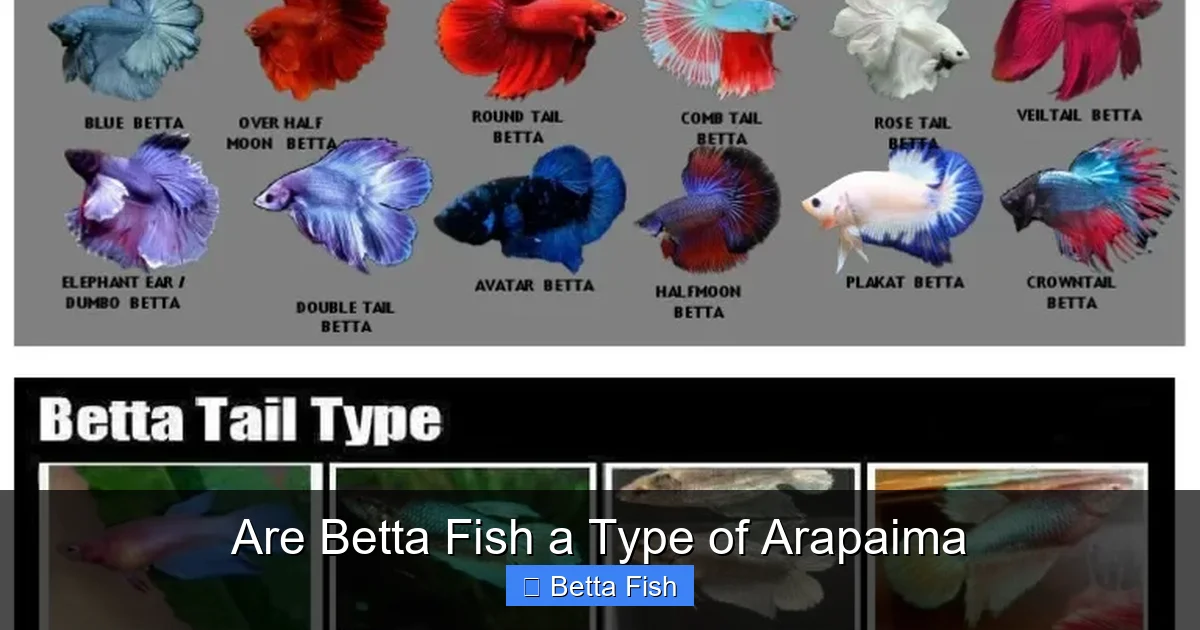
Visual guide about Are Betta Fish a Type of Arapaima
Image source: imgv2-2-f.scribdassets.com
1.2. The Arapaima Lineage
Arapaimas, on the other hand, are members of the family Arapaimidae. The most well‑known species, Arapaima gigas, is a giant native to the Amazon basin. They are not labyrinth fish; instead, they have a fully functional swim bladder that doubles as a lung, letting them surface for air, but they are far larger and belong to a completely different order.
1.3. Why the Confusion Happens
Both groups can survive in low‑oxygen water, which leads some hobbyists to lump them together. However, the scientific classification (family, genus, species) is clear: bettas are not arapaimas. This distinction matters for everything from tank size to legal regulations.
2. Size and Physical Appearance
2.1. Betta Dimensions
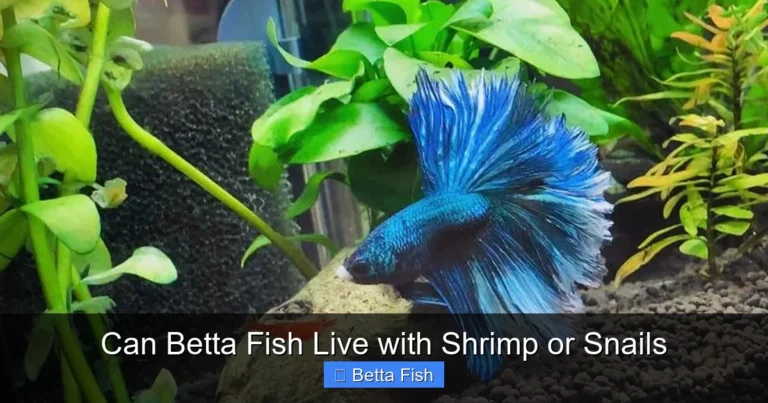
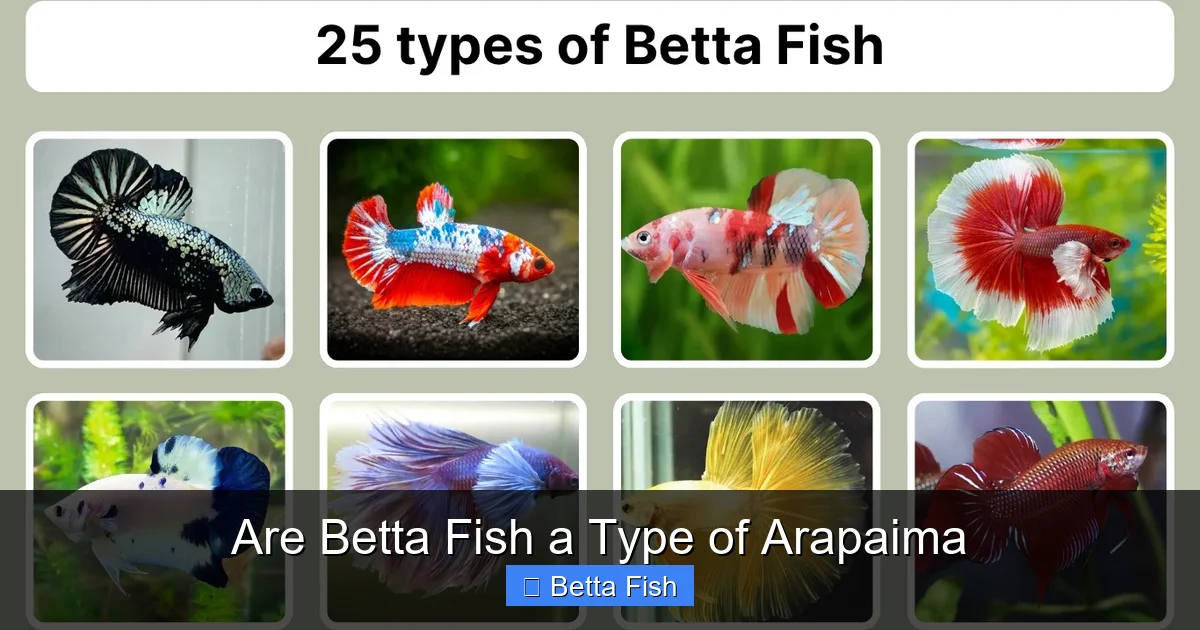
Adult bettas usually measure 2–4 inches in length, with males often displaying larger, more elaborate fins. Their bodies are laterally compressed, and they boast a kaleidoscope of colors—from electric blues to fiery reds.
Visual guide about Are Betta Fish a Type of Arapaima
Image source: andeangreattreks.com
2.2. Arapaima Gigantic Scale
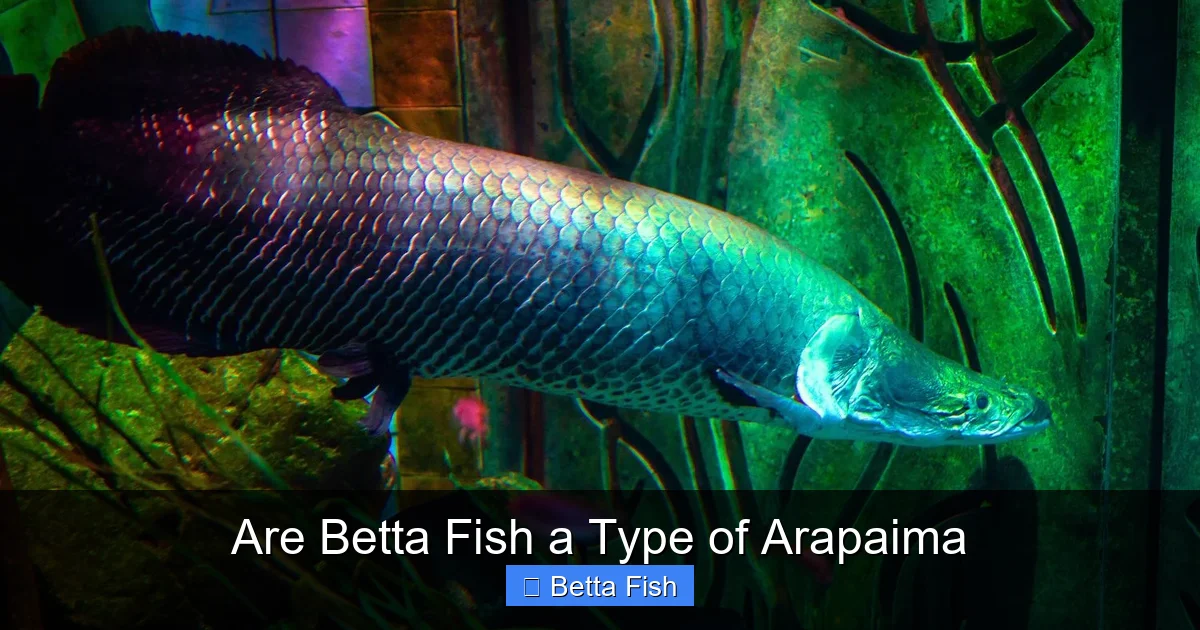
Arapaimas are true giants. They can grow up to 10–15 feet and weigh over 400 pounds. Their bodies are torpedo‑shaped, built for powerful bursts in deep river currents. Their coloration is generally a muted silver‑gray with speckled patterns, nothing like the flamboyant betta.
2.3. Practical Example: Tank vs. Pond
If you tried to keep an arapaima in a typical betta tank (5‑gallon), the fish would quickly outgrow the space, leading to stress and death. Conversely, a betta would be lost in a massive pond, unable to establish territory.
3. Habitat and Environmental Needs
3.1. Natural Homes
Bettas originate from the shallow, stagnant rice paddies and slow‑moving streams of Southeast Asia. These waters are warm (78‑80 °F), acidic to neutral, and often low in dissolved oxygen—perfect for a fish with a labyrinth organ.
Visual guide about Are Betta Fish a Type of Arapaima
Image source: facts.net
Arapaimas inhabit the deep, fast‑flowing rivers of the Amazon basin, preferring clear, oxygen‑rich water with temperatures around 75‑82 °F.
3.2. Aquarium Requirements
Because bettas are surface breathers, they can live in smaller setups, but a well‑filtered 5‑gallon tank with a heater is ideal. They also need plants or hiding spots to reduce stress.
Arapaimas demand huge, outdoor ponds with strong filtration and aeration systems. The sheer volume of water needed makes them unsuitable for most home aquarists.
3.3. Water Quality Tips
- Maintain a stable temperature for bettas; sudden drops can cause disease.
- Regularly test pH and ammonia levels—brittle bettas are sensitive.
- For large fish like arapaimas, ensure proper water turnover (at least 10% per hour).
4. Behavior and Social Structure
4.1. Betta Temperament
Male bettas are famously territorial and will flare their fins at their reflection. They are best kept solitary or with carefully chosen tank mates that won’t trigger aggression.
4.2. Arapaima Conduct
Arapaimas are generally peaceful but become highly predatory when hungry. In the wild, they are solitary hunters, but in captivity they can tolerate other large, non‑predatory fish if the space is ample.
4.3. Compatibility Check
If you’re wondering whether a betta can share a tank with a tiny fish, the answer is usually no—betta aggression can be lethal. For arapaimas, the rule of thumb is “bigger is better,” and any companion must be similarly sized.
5. Conservation and Legal Status
5.1. Betta Conservation
Most bettas sold in pet stores are captive‑bred, reducing pressure on wild populations. However, habitat loss in Southeast Asia still threatens wild bettas.
5.2. Arapaima Protection
Arapaimas are listed as “Near Threatened” in many regions due to overfishing and habitat degradation. Several South American countries have strict regulations on their capture and trade.
5.3. What This Means for Hobbyists
Keeping a betta is generally legal worldwide, but owning an arapaima may require permits, and many jurisdictions outright ban them for private aquarists. Always check local wildlife regulations before acquiring exotic species.
6. Frequently Asked Questions About Betta vs. Arapaima
Can a betta fish grow as large as an arapaima?
No. Betta fish max out at about 4 inches, while arapaimas can exceed 10 feet.
Do both species have a labyrinth organ?
Only bettas have a true labyrinth organ. Arapaimas have a modified swim bladder that functions like a lung.
Is it legal to keep an arapaima in a home aquarium?
In most places it is not, due to size and conservation laws. Betta fish are legal and widely available.
Which species needs more water filtration?
Arapaimas require massive, industrial‑grade filtration; bettas need a modest filter to keep water clean and stable.
Do bettas and arapaimas share any common predators?
In the wild, large predatory birds and mammals may target both, but in captivity they have no natural predators.
Can I keep a betta with small community fish?
It’s risky. Betta males often chase or nip at tank mates. If you try, choose peaceful, fast‑moving species and provide plenty of hiding places.
Conclusion: Clearing Up the Confusion
Answering the headline question—are betta fish a type of arapaima?—is a simple “no.” They belong to different families, differ dramatically in size, habitat, and care needs, and are subject to distinct conservation rules. Understanding these differences not only satisfies curiosity but also helps you provide the best possible environment for the fish you choose to keep.
Whether you’re a beginner setting up a cozy betta tank or a seasoned aquarist dreaming of a massive Amazon‑style pond, knowing the facts ensures happy, healthy fish and a rewarding hobby. If you’re just starting out with bettas, check out our guide on how to take care of a betta fish for beginners and learn what type of water they need in what type of water does a betta fish need. Happy fish‑keeping!
Frequently Asked Questions
Are betta fish related to arapaimas?
No. Betta fish belong to the Osphronemidae family, while arapaimas belong to the Arapaimidae family.
What is the biggest betta fish can get?
Most bettas stay under 4 inches, though exceptionally large specimens may reach just over 5 inches.
Can I keep an arapaima in a home aquarium?
It is rarely legal or practical because arapaimas need a pond‑size environment and often require permits.
Do bettas need heated water?
Yes. Betta fish thrive in temperatures between 78‑80 °F, mimicking their tropical origins.
How often should I feed a betta?
Feed small amounts two to three times daily, removing any uneaten food after a few minutes.
What should I do if my betta looks sick?
Check water parameters, look for signs of disease, and consider consulting a specialist or reputable aquarium forum.