Can Betta Fish Eat Mosquitoes
Betta fish are natural hunters and will often snap at tiny, moving prey like mosquito larvae. While they can eat adult mosquitoes, it’s not a reliable or safe food source, so supplementing with proper betta diet is essential for long‑term health.
Key Takeaways
- Betta are opportunistic predators: They will chase and eat mosquito larvae and, occasionally, adult mosquitoes.
- Nutrition is limited: Mosquitoes lack the balanced nutrients bettas need, so they shouldn’t replace formulated foods.
- Safety first: Wild mosquitoes may carry parasites or chemicals that can harm your fish.
- Live food alternatives: Brine shrimp, daphnia, and bloodworms are safer, more nutritious options.
- Tank hygiene matters: Reducing mosquito breeding sites around the aquarium helps keep water quality high.
- Observation is key: Watch your betta’s reaction; some fish ignore mosquitoes altogether.
- Use reputable sources: When offering any live food, purchase from a trusted supplier to avoid disease.
Quick Answers to Common Questions
Can bettas eat mosquito larvae?
Yes, bettas naturally hunt and eat mosquito larvae in the wild, and they will often snap at them in a home aquarium.
Are adult mosquitoes a good food source?
Adult mosquitoes can be eaten, but they are not nutritionally complete and should only be an occasional treat.
Will feeding mosquitoes harm my betta?
Only if the mosquitoes carry parasites, bacteria, or pesticide residues. Using a clean, pesticide‑free source minimizes risk.
What is a safer alternative to mosquitoes?
Live foods like brine shrimp, daphnia, and frozen bloodworms provide balanced nutrition and are widely available.
How can I prevent mosquitoes from breeding near my tank?
Cover the tank with a fine mesh lid, eliminate standing water around the aquarium, and perform regular water changes.
📑 Table of Contents
- Introduction: The Curious Case of Betta Fish and Mosquitoes
- 1. Betta Fish Feeding Habits in the Wild
- 2. Can Betta Fish Eat Adult Mosquitoes?
- 3. Safety Concerns: Parasites, Pesticides, and Water Quality
- 4. Practical Feeding Tips: When and How to Offer Mosquitoes
- 5. Managing Mosquito Populations Around Your Aquarium
- Conclusion: A Balanced Approach to Mosquito Feeding
Introduction: The Curious Case of Betta Fish and Mosquitoes
Imagine you’re sitting by the window, a lone mosquito buzzes near the water surface of your betta’s tank. Your betta flares its fins, darts forward, and—snap!—the tiny insect disappears. It’s a dramatic scene that many betta owners have witnessed, and it raises a simple yet important question: Can betta fish eat mosquitoes?
Betta fish (Betta splendens) are native to the shallow, slow‑moving waters of Thailand and Cambodia. In the wild they feast on small crustaceans, insect larvae, and the occasional tiny adult insect. Mosquitoes, especially their larvae, fit right into that natural menu. However, keeping a betta at home comes with responsibilities—ensuring they get balanced nutrition, staying free of disease, and maintaining a clean environment.
In this article we’ll dive deep into the biology of bettas, explore how they interact with mosquitoes, weigh the pros and cons of offering mosquitoes as food, and give you practical tips for safe feeding. By the end, you’ll know exactly what to do when a mosquito lands near your fish.
1. Betta Fish Feeding Habits in the Wild
What a Betta Eats Naturally
In their native habitats, bettas are opportunistic carnivores. Their diet consists mainly of:
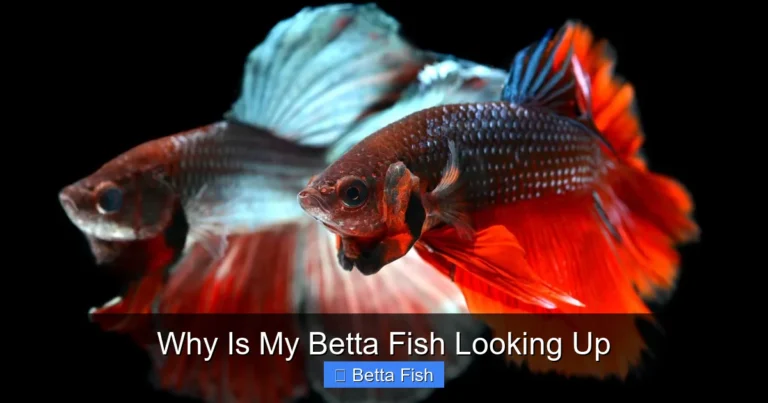
Visual guide about Can Betta Fish Eat Mosquitoes
Image source: media.tenor.com
- Insect larvae (mosquito, midge, and fly larvae)
- Small crustaceans such as daphnia and copepods
- Worms and tiny aquatic snails
- Occasional surface insects that fall into the water
This varied diet provides the protein, lipids, and micronutrients bettas need for vibrant colors and strong fins. Because the wild diet is so diverse, captive bettas often thrive on high‑protein pellets, frozen or live foods, and occasional treats.
Why Mosquito Larvae Are a Natural Fit
Mosquito larvae live in the same stagnant, warm water that bettas love. They are soft‑bodied, easy to swallow, and packed with protein. In the wild, a betta’s instinct to chase moving objects makes mosquito larvae an easy target. That same instinct shows up in home aquariums when larvae drift near the surface.
2. Can Betta Fish Eat Adult Mosquitoes?
The Mechanics of the Hunt
Adult mosquitoes are larger and have harder exoskeletons than larvae, but they are still lightweight enough for a betta to snap up. The betta’s upturned mouth and rapid strike allow it to capture surface‑dwelling insects. However, success depends on:
Visual guide about Can Betta Fish Eat Mosquitoes
Image source: i.imgflip.com
- Size of the mosquito (larger species are harder to swallow)
- Betta’s hunger level
- Water temperature (warmer water makes bettas more active)
Most bettas will take a quick bite if the mosquito lands near the surface, but they may also spit it out if it’s too big.
Nutrition and Digestibility
While an occasional mosquito won’t hurt, it doesn’t provide a balanced diet. Mosquitoes lack essential fatty acids and vitamins that bettas need for optimal health. Relying on mosquitoes as a primary food source can lead to:
- Deficiency in essential nutrients
- Stunted growth or faded colors
- Potential digestive issues if the exoskeleton isn’t fully broken down
For a complete diet, see our guide on what can betta fish eat.
3. Safety Concerns: Parasites, Pesticides, and Water Quality
Hidden Risks in Wild Mosquitoes
Wild mosquitoes can carry:

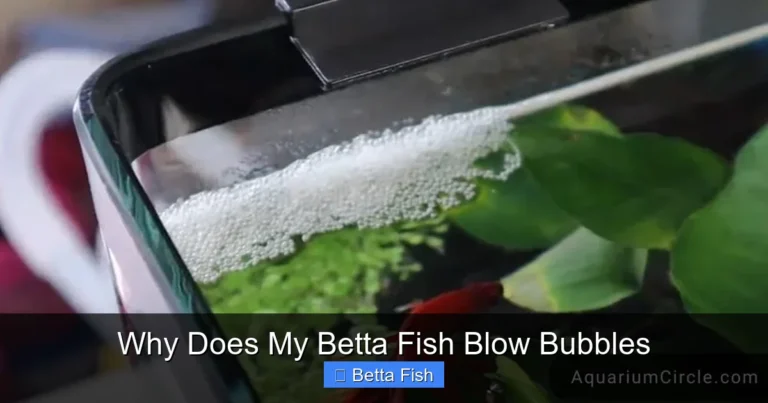
Visual guide about Can Betta Fish Eat Mosquitoes
Image source: khangthanh.com
- Protozoan parasites (e.g., Ichthyophthirius)
- Bacterial infections
- Residual pesticides from nearby spray zones
Introducing these pathogens into a closed aquarium can quickly turn a healthy betta sick. Even a single infected mosquito can spark an outbreak.
Preventing Contamination
If you still want to offer mosquitoes, follow these safety steps:
- Collect from a pesticide‑free area. Avoid stagnant pools near gardens that have been recently treated.
- Rinse thoroughly. Gently rinse the mosquito in dechlorinated water before offering.
- Observe your betta. If the fish shows signs of stress, stop feeding mosquitoes immediately.
In most cases, it’s easier and safer to stick with commercially available live foods like brine shrimp or daphnia.
4. Practical Feeding Tips: When and How to Offer Mosquitoes
Best Scenarios for Using Mosquitoes
Consider offering mosquitoes only when:
- You have a controlled source (e.g., a small, pesticide‑free breeding container).
- Your betta is a picky eater and refuses other live foods.
- You’re supplementing, not replacing, a balanced diet.
Step‑by‑Step Feeding Guide
- Capture safely. Use a fine net or a small cup to scoop the mosquito from the water surface.
- Rinse. Place the mosquito in a bowl of dechlorinated water for a few seconds.
- Introduce. Gently drop the mosquito near the water surface where your betta is swimming.
- Watch. If the betta snaps it up, remove any leftovers after a minute to keep the tank clean.
- Record. Note how often you feed mosquitoes and any changes in the fish’s appearance or behavior.
Alternative Live Foods
If you’re looking for safer, nutritionally richer options, try:
- Fresh or frozen shrimp
- Brine shrimp (nauplii)
- Daphnia (water fleas)
- Bloodworms (freeze‑dried or live)
These foods are widely available, easy to store, and formulated to meet a betta’s dietary needs.
5. Managing Mosquito Populations Around Your Aquarium
Why Reducing Mosquito Breeding Matters
Beyond feeding, uncontrolled mosquito populations can affect tank water quality. Dead mosquitoes decompose, releasing ammonia and nitrites that spike the nitrogen cycle. This can stress your betta and promote algae growth.
Simple Prevention Steps
- Cover the tank. Use a fine mesh lid to block insects from entering.
- Eliminate standing water. Remove any saucers, plant trays, or buckets that hold rainwater.
- Use natural repellents. Plant mosquito‑repelling herbs like citronella near the tank (but not directly in the water).
- Change water regularly. A weekly partial water change helps keep ammonia low.
Conclusion: A Balanced Approach to Mosquito Feeding
So, can betta fish eat mosquitoes? Yes, they can and often will, especially when larvae or small adults drift near the surface. However, mosquitoes should never become the mainstay of a betta’s diet. They lack essential nutrients and can bring hidden health risks. Use them sparingly, only from a clean source, and always pair them with high‑quality betta foods.
By understanding your betta’s natural hunting instincts and providing a varied, nutritious menu, you’ll keep your fish vibrant, active, and healthy for years to come. Remember: a happy betta is a well‑fed betta—whether the meal is a tiny mosquito or a premium pellet.
Frequently Asked Questions
Do betta fish need live food?
Live food is not required, but it can stimulate natural hunting behavior and provide high protein. Many bettas thrive on high‑quality pellets supplemented with occasional live treats.
Can I feed my betta frozen mosquito larvae?
Frozen larvae are safer than wild-caught ones because they are processed to remove pathogens. Thaw them before offering.
How often should I feed my betta?
Betas do best with two small feedings per day, totaling no more than 2–3% of their body weight.
Is it okay to let my betta eat insects that fall into the tank?
Occasional insects are fine, but be sure they are not contaminated with chemicals or parasites.
Can I keep other fish with a betta that eats mosquitoes?
Yes, peaceful, non‑aggressive species such as small rasboras or neon tetras can coexist, but always monitor for aggression.
What signs indicate my betta is not getting enough nutrition?
Look for faded colors, slowed growth, frayed fins, or lethargy—these may signal a dietary deficiency.