Are Betta Fish Easy to Care For
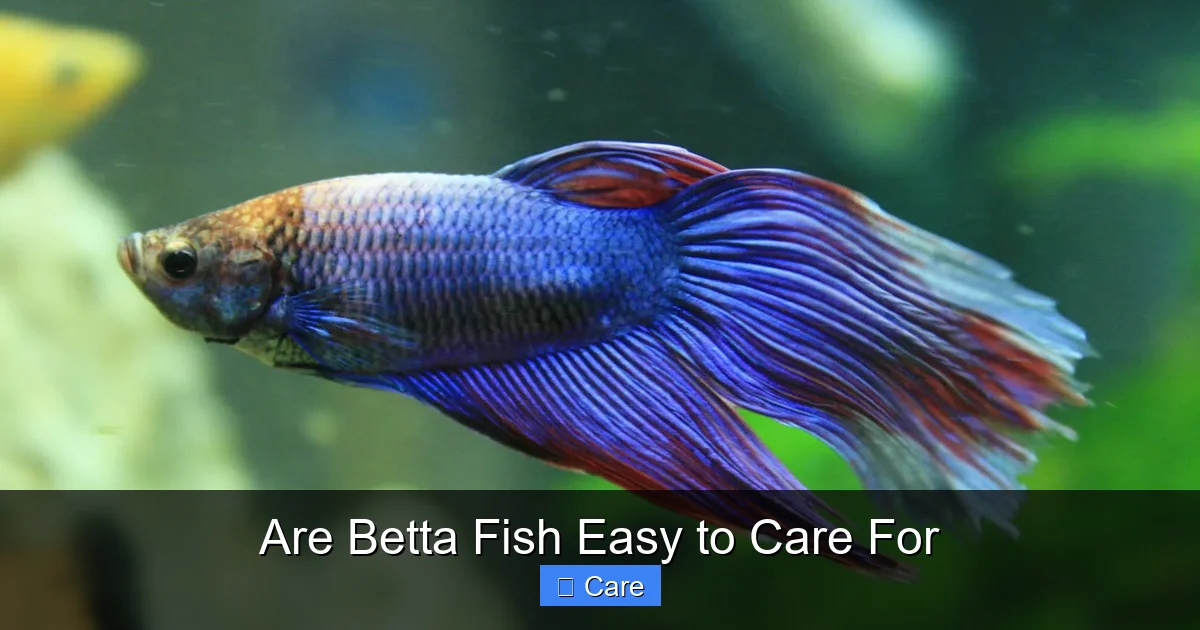
Betta fish can be a great starter pet, but they aren’t automatically “set‑and‑forget.” With the right tank, diet, and routine care, they thrive; skip the shortcuts and you’ll enjoy a vibrant, healthy companion for years.
Key Takeaways
- Proper tank size matters: A minimum of 5 gallons gives bettas room to swim and stay healthy.
- Water quality is king: Regular water changes and stable temperature prevent stress and disease.
- Balanced diet prevents problems: High‑quality pellets plus occasional live or frozen foods keep colors bright.
- Know the temperament: Males are territorial; never house two together in the same tank.
- Simple equipment, big impact: A gentle filter, heater, and cover are the core tools for success.
- Observe daily: Quick spot checks catch issues before they become emergencies.
- Education beats myth: Understanding the species dispels the “betta = low‑maintenance” myth.
📑 Table of Contents
- Introduction: Why the Question Keeps Coming Up
- 1. The Basics of Betta Biology
- 2. Setting Up the Perfect Home
- 3. Feeding: More Than Just Pellets
- 4. Daily and Weekly Care Routines
- 5. Health, Disease Prevention, and Common Problems
- 6. Frequently Overlooked Tips for Long‑Term Success
- Conclusion: Answering the Core Question
Introduction: Why the Question Keeps Coming Up
When someone first hears about the dazzling fins of a betta, the first thought is usually, “Are betta fish easy to care for?” The answer is both yes and no. Yes, bettas are more forgiving than many tropical fish. No, they still need attention, proper equipment, and a bit of knowledge.
In this guide we’ll walk through everything you need to know to answer that question confidently. By the end you’ll see that caring for a betta is less about “set‑and‑forget” and more about creating a stable mini‑ecosystem where the fish can shine.
1. The Basics of Betta Biology
1.1 Natural habitat and behavior
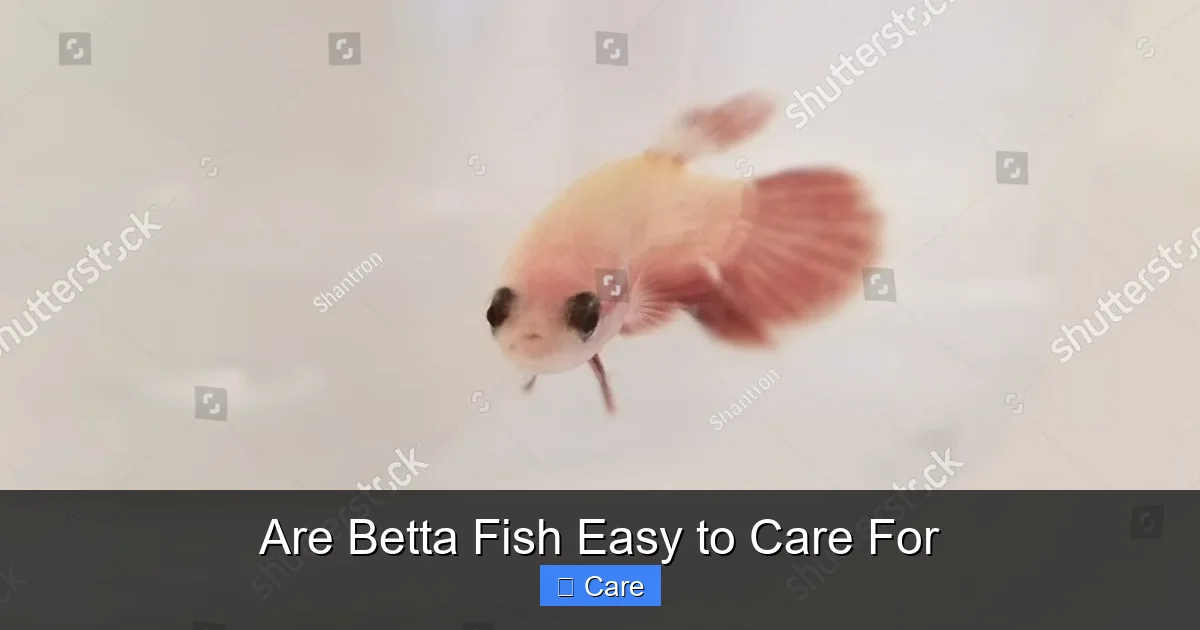
Betta splendens originate from shallow rice paddies and slow‑moving streams in Thailand. The water there is warm (around 78‑82 °F), soft, and slightly acidic. In the wild they live in dense vegetation, which provides cover and a place to hide.
Visual guide about Are Betta Fish Easy to Care For
Image source: shutterstock.com
Male bettas are famous for their aggressive territorial nature. They build bubble nests and flare their fins to impress females and warn rivals. Female bettas are less flamboyant but can still be feisty, especially when kept in groups.
1.2 What makes them different from other fish?
Betta fish possess a special organ called the labyrinth, which lets them gulp air from the surface. This adaptation means they can survive in low‑oxygen water, but it doesn’t make them immune to poor water quality. It also explains why a lid is essential – they love to jump.
2. Setting Up the Perfect Home
2.1 Tank size – the biggest myth busted
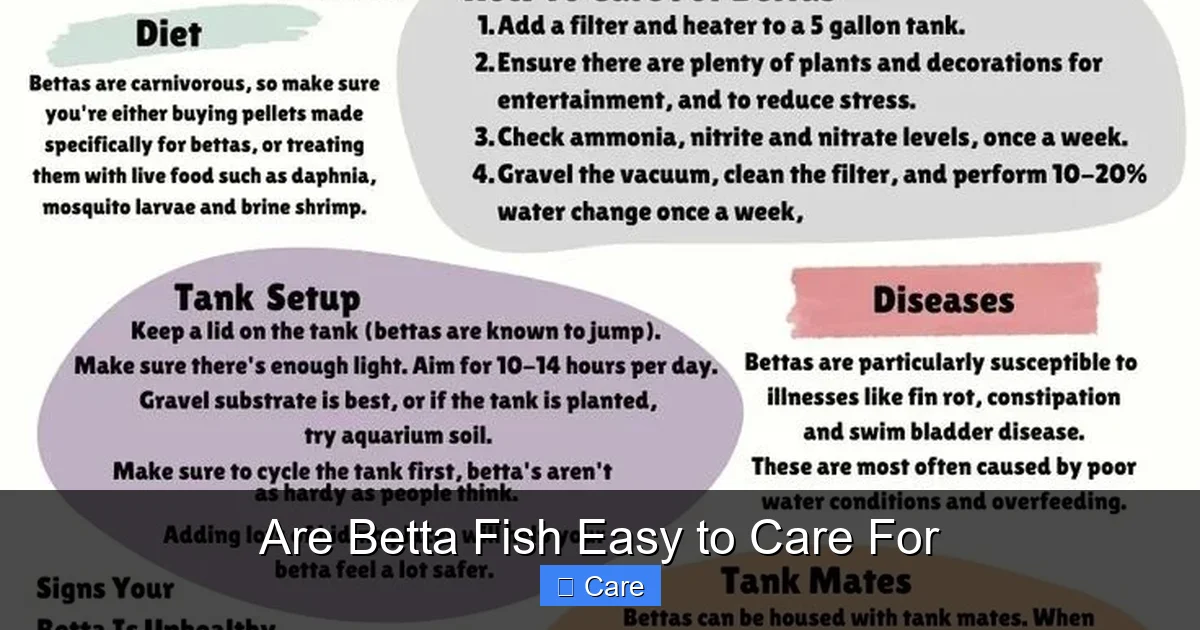
Many beginners think a tiny 1‑gallon bowl is enough. The reality is that a 5‑gallon (or larger) tank provides space for swimming, stable water parameters, and room for equipment. A larger volume of water changes temperature more slowly, reducing stress.
Visual guide about Are Betta Fish Easy to Care For
Image source: i.pinimg.com
2.2 Essential equipment
- Heater: Keep the water steady at 78‑80 °F. A 50‑watt submersible heater works well for a 5‑gallon tank.
- Filter: Choose a gentle sponge or low‑flow hang‑on‑back filter. Strong currents can frighten bettas.
- Lid or cover: Prevents jumps and maintains humidity.
- Lighting: A 10‑hour day/night cycle mimics natural conditions.
2.3 Substrate and décor
Fine sand or smooth gravel works, but it’s not required. Adding live or silk plants gives the fish places to rest and reduces stress. Avoid sharp decorations that could tear delicate fins.
2.4 Water parameters – the checklist
- Temperature: 78‑80 °F (25‑27 °C)
- pH: 6.5‑7.5
- Hardness: 3‑4 dGH (soft to moderately soft)
- Ammonia/Nitrite: 0 ppm
- Nitrate: < 20 ppm, with regular water changes
Testing kits are cheap and worth the investment. Test weekly until you’re comfortable with stable readings.
3. Feeding: More Than Just Pellets
3.1 What a balanced diet looks like
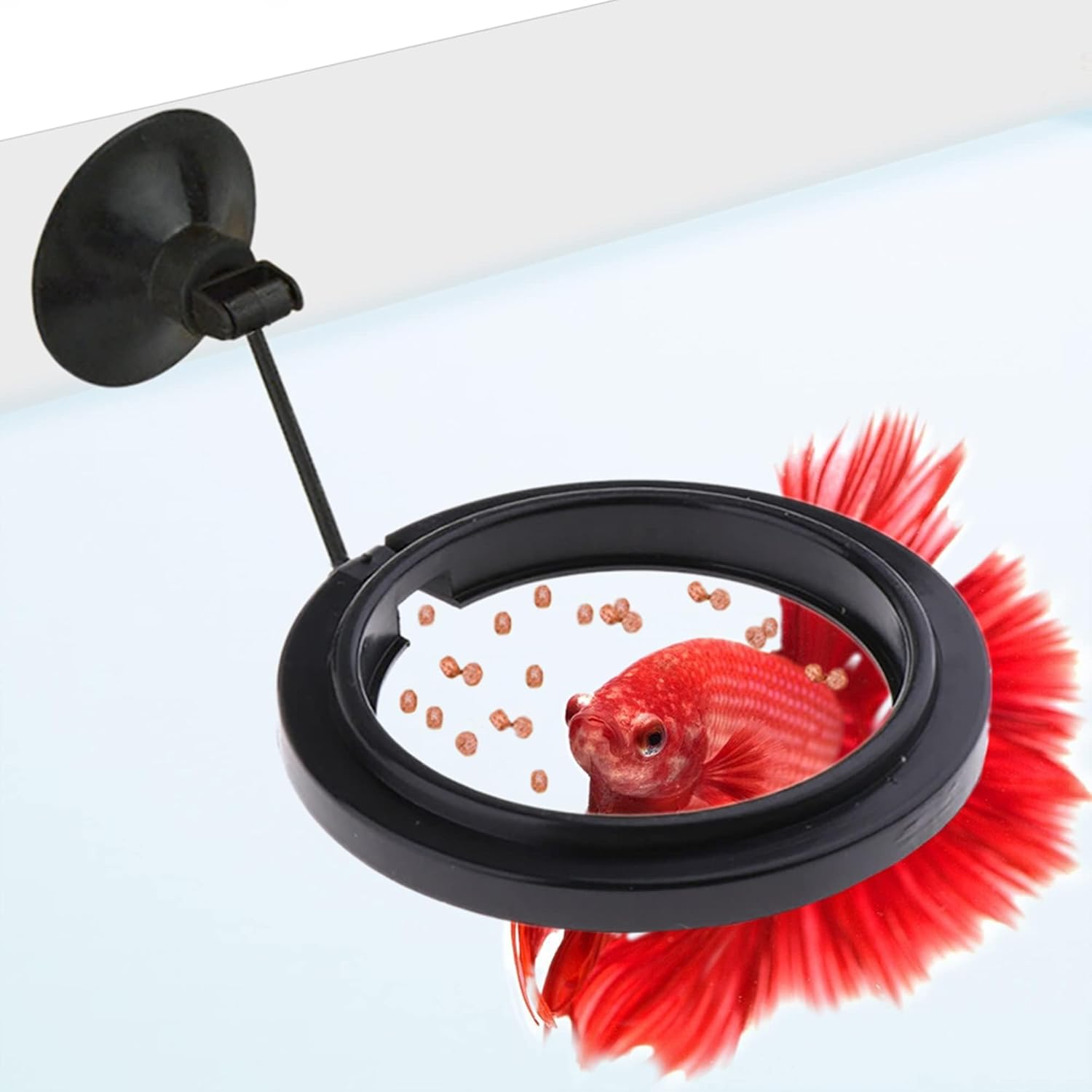
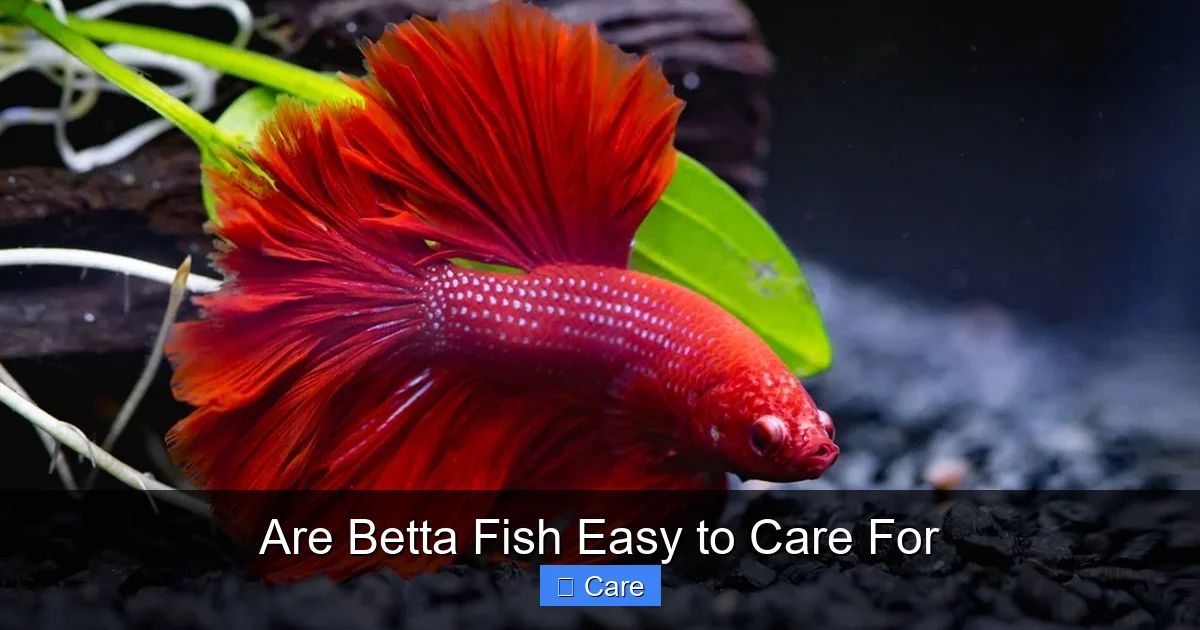
High‑quality betta pellets should form the staple – they’re formulated with protein, vitamins, and essential fatty acids. Aim for 2‑3 pellets twice a day, only as much as the fish can eat in 2 minutes.
Visual guide about Are Betta Fish Easy to Care For
Image source: buildyouraquarium.com
3.2 Adding variety
Live or frozen foods such as brine shrimp, daphnia, or bloodworms boost color and stimulate natural hunting behavior. Offer these treats 1‑2 times per week.
3.3 Common feeding mistakes
- Overfeeding leads to cloudy water and obesity.
- Feeding only flakes or bread causes nutritional deficiencies.
- Skipping meals for several days stresses the fish.
4. Daily and Weekly Care Routines
4.1 The quick daily check
Spend a minute each day looking for:
- Active swimming
- Clear eyes and intact fins
- No excess waste floating on the surface
If anything looks off, note it and investigate further.
4.2 Weekly maintenance
- Partial water change (20‑30 % of tank volume).
- Gravel vacuum to remove debris.
- Check heater and filter operation.
- Test water parameters.
4.3 Monthly deep clean
Every 4‑6 weeks, clean the filter media in old tank water (never tap water) to preserve beneficial bacteria. Replace any worn décor and prune plants.
5. Health, Disease Prevention, and Common Problems
5.1 Spotting early signs of illness
Early warning signs include loss of appetite, faded colors, frayed fins, clamped fins (held close to the body), or erratic swimming. Quick action often saves the fish.
5.2 Common ailments
- Fin rot: Bacterial infection; treat with aquarium‑safe antibiotics and improve water quality.
- Ich (white spot disease): Parasite; raise temperature to 82 °F and use a copper‑based medication.
- Velvet: Protozoan; raise temperature and treat with malachite green or formalin.
- Swim bladder issues: Often caused by overfeeding or constipation; fast‑acting foods like boiled peas help.
5.3 Preventive measures
Maintain stable water parameters, avoid overfeeding, and quarantine new plants or décor for a week before adding them to the tank. A healthy environment is the best medicine.
6. Frequently Overlooked Tips for Long‑Term Success
6.1 Keep the tank covered
Betta fish love to explore the surface, and a loose lid can lead to jumps and accidental escapes.
6.2 Avoid strong lighting
Excessive light can stress the fish and encourage algae growth. Use a timer to provide consistent day/night cycles.
6.3 Understand that “low‑maintenance” doesn’t mean “no‑maintenance”
Even the hardiest betta requires regular water changes and parameter checks. Treat it like any other pet – a little routine goes a long way.
6.4 Respect male aggression
If you ever consider a community tank, keep the male betta isolated or use a divider. Mixing males often ends in fin damage or death.
6.5 Use a water conditioner
Tap water contains chlorine and chloramines that are toxic to fish. A few drops of conditioner neutralize these chemicals instantly.
Conclusion: Answering the Core Question
So, are betta fish easy to care for? The short answer is yes—if you provide the basics: a proper tank, clean water, balanced diet, and regular observation. The longer answer is that they require consistent, informed care, just like any other pet. By following the steps outlined above, you’ll give your betta a thriving environment and enjoy its brilliant colors and quirky personality for years to come.
Frequently Asked Questions
What is the minimum tank size for a betta?
A 5‑gallon tank is the recommended minimum. Smaller bowls can lead to poor water quality and stress.
Do bettas need a filter?
Yes. A gentle filter helps keep the water clear and reduces the frequency of full water changes.
How often should I change the water?
Replace 20‑30 % of the water weekly and perform a larger change every 4‑6 weeks.
Can I keep two male bettas together?
No. Male bettas are highly territorial and will fight, often resulting in severe injuries or death.
What should I feed my betta?
High‑quality betta pellets twice daily, plus occasional live or frozen foods like brine shrimp for variety.
How do I know if my betta is sick?
Watch for loss of appetite, faded colors, frayed or clamped fins, and abnormal swimming patterns. Early detection is key.