Why Is My Betta Fish Going to the Surface
Betta fish often surface for a reason—whether it’s a sign of low oxygen, temperature issues, or hidden health problems. This guide explains the most common causes, how to spot red‑flags, and simple steps you can take today to bring your betta back to a comfortable depth.
Key Takeaways
- Surface swimming isn’t always normal: It can signal water quality, temperature, or health concerns.
- Check oxygen levels first: Stagnant water or a lack of surface agitation often drives bettas upward.
- Temperature matters: Too cold or too warm water makes bettas seek the surface for comfort.
- Watch for disease symptoms: Labored breathing, white spots, or loss of appetite may accompany surface‑seeking behavior.
- Maintenance fixes are quick: A simple water change, heater adjustment, or filter upgrade can solve most problems.
- Observe behavior patterns: Frequent surfacing combined with other odd habits (e.g., hiding, floating sideways) warrants a deeper health check.
- Preventive care pays off: Regular testing and a balanced diet keep your betta thriving and less likely to surface out of distress.
📑 Table of Contents
- Introduction: When Your Betta Pops Up, It’s a Call for Attention
- 1. Water Quality: The Foundation of a Happy Betta
- 2. Temperature Troubles: Finding the Sweet Spot
- 3. Health Concerns That Push Betta to the Surface
- 4. Behavioral Reasons: Curiosity, Exploration, and the Bubble Nest
- 5. Practical Steps to Stop Unwanted Surfacing
- Conclusion: Turning Surface Trips into Peace of Mind
Introduction: When Your Betta Pops Up, It’s a Call for Attention
Betta fish are famous for their dazzling colors and bold personalities. Most owners picture them gliding lazily near the bottom of a calm tank, flaring their fins like tiny royalty. So when you notice your betta repeatedly swimming to the surface, you might wonder, “why is my betta fish going to the surface?” The answer isn’t always simple, but it’s almost always a clue about the environment or the fish’s health.
In this article we’ll walk through the most common reasons bettas head upward, how to differentiate normal curiosity from a warning sign, and what you can do right now to keep your pet comfortable. By the end, you’ll feel confident that you’re not just watching a cute quirk—you’re actively safeguarding your betta’s wellbeing.
1. Water Quality: The Foundation of a Happy Betta
1.1 Oxygen Levels and Surface Breathing
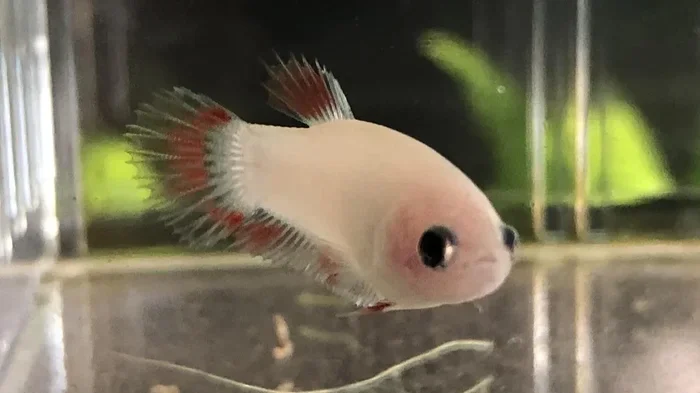
Betta fish are labyrinth fish, meaning they can gulp air from the surface thanks to a special organ called the labyrinth. However, frequent trips to the top often mean the water below isn’t providing enough dissolved oxygen. Stagnant water, a clogged filter, or a tank that’s too small can create low‑oxygen conditions.

Visual guide about Why Is My Betta Fish Going to the Surface
Image source: carblogindia.com
**Quick test:** Place a finger lightly on the water surface for a few seconds. If you feel a strong current, oxygen is likely sufficient. If the water feels still, consider adding a gentle air stone or increasing filter flow.
1.2 Ammonia, Nitrite, and pH Swings
Even a small spike in ammonia or nitrite can make a betta gasp at the surface. Use a liquid test kit weekly and keep ammonia and nitrite at 0 ppm, nitrate below 20 ppm, and pH between 6.5–7.5.
If you spot a sudden change, perform a 25‑30 % water change and clean the substrate. For persistent issues, review your cycling process—new tanks often suffer from “new‑tank syndrome.”
1.3 Internal Link Example
For a deeper look at how water quality affects behavior, see our guide on why is my betta fish water cloudy.
2. Temperature Troubles: Finding the Sweet Spot
2.1 Too Cold, Too Warm
Betta fish are tropical and thrive at 76–82 °F (24–28 °C). If the water is below 75 °F, the fish may surface to find warmer pockets near the heater’s heat vent. Conversely, water that’s too hot can cause them to seek cooler surface layers.

Visual guide about Why Is My Betta Fish Going to the Surface
Image source: slidechef.net
2.2 How to Test and Adjust
Use a reliable aquarium thermometer. If you need to raise the temperature, increase the heater setting by 1 °F and give the tank 12‑hour acclimation. To cool a tank, consider a fan blowing across the surface or a partial water change with slightly cooler water.
2.3 Seasonal Shifts
Room temperature changes with the seasons can affect tank temperature. In winter, keep the heater away from cold drafts; in summer, protect the tank from direct sunlight to avoid overheating.
3. Health Concerns That Push Betta to the Surface
3.1 Respiratory Infections
Fin rot, columnaris, or internal parasites can make breathing harder, prompting the fish to surface for more air. Look for ragged fins, white patches, or mucus. If you notice these signs, treat promptly with a broad‑spectrum antibacterial medication.

Visual guide about Why Is My Betta Fish Going to the Surface
Image source: avatars.mds.yandex.net
3.2 Swim Bladder Problems
A compromised swim bladder can cause a betta to float erratically or hover near the top. Overfeeding, especially with dry pellets, is a common culprit. Offer a small amount of boiled peas (shelled) to help clear excess gas.
3.3 Stress and Shock
New tank setups, sudden moves, or aggressive tank mates (if you keep more than one fish) can stress a betta. Stress hormones can alter breathing patterns, leading to surface trips.
3.4 Internal Link Example
Learn how to spot other warning signs in how to tell if my betta fish is sick.
4. Behavioral Reasons: Curiosity, Exploration, and the Bubble Nest
4.1 Natural Curiosity
Sometimes a betta simply wants to explore. Young or newly acquired fish may test the water column. As long as the surface trips are occasional and the fish eats well, there’s usually no cause for alarm.
4.2 Bubble Nest Building
Male bettas build bubble nests at the water’s surface when they’re ready to breed. If you see a cluster of bubbles and a male hovering near the top, it’s a good sign of hormonal health.
However, if the fish is doing this without a mate and appears stressed, check for other issues like water quality or temperature.
4.3 Interaction with Tank Décor
Plants, driftwood, or a surface‑level hiding spot can attract a betta upward. Ensure décor is stable and does not trap the fish at the top, where it may become exhausted.
5. Practical Steps to Stop Unwanted Surfacing
5.1 Perform a Routine Water Change
Change 20‑30 % of the water weekly using dechlorinated, temperature‑matched water. This reduces ammonia, nitrite, and improves oxygen levels.
5.2 Upgrade Filtration and Aeration
Even a small sponge filter adds surface agitation. Pair it with a gentle air stone for continuous oxygen flow without stressing the betta.
5.3 Optimize Heater Placement
Place the heater near the middle of the tank, not at the bottom or directly against the glass. This creates an even temperature gradient and prevents hot spots that drive the fish upward.
5.4 Adjust Feeding Practices
Feed small portions 2‑3 times a day, removing any uneaten food after five minutes. Overfeeding leads to waste, which depletes oxygen and can cause swim bladder issues.
5.5 Monitor for Illness
Keep a daily log of behavior: surface trips, appetite, fin condition, and any color changes. Early detection makes treatment more successful.
5.6 When to Seek Professional Help
If surface swimming persists despite clean water, proper temperature, and no visible disease, consider consulting a vet or an experienced aquarist. Persistent surfacing can be a sign of an internal organ problem that requires medication.
Conclusion: Turning Surface Trips into Peace of Mind
Seeing your betta fish regularly rise to the top is a clear invitation to check the tank’s environment and your pet’s health. By maintaining stable water parameters, providing adequate oxygen, and watching for signs of disease, you can often eliminate the need for your betta to surface in distress. Remember, a healthy betta will still occasionally explore the surface out of curiosity—but it will do so confidently, without gasping or appearing lethargic.
Take the steps outlined above, keep a close eye on any accompanying symptoms, and you’ll create a thriving home where your betta can flaunt its colors, build bubble nests, and enjoy a comfortable depth—just the way nature intended.
Frequently Asked Questions
Why is my betta fish constantly at the top of the tank?
Frequent surface swimming usually points to low oxygen, temperature extremes, or a health issue like a respiratory infection. Check water parameters and temperature first.
Can a betta build a bubble nest at the surface?
Yes, male bettas create bubble nests when they are ready to breed. A cluster of bubbles with a male hovering nearby is normal behavior.
Is it normal for a betta to surface after feeding?
Occasional surface trips after meals are often just curiosity. If the fish gulps air aggressively or seems stressed, investigate water quality.
What water temperature should I keep for my betta?
Maintain a stable temperature between 76–82 °F (24–28 °C). Use a reliable aquarium heater and monitor it daily.
How often should I change the water to prevent surface swimming?
A 20‑30 % water change each week helps keep ammonia and nitrite low, providing better oxygen levels and reducing stress.
My betta is also hiding and not eating. What should I do?
These are additional warning signs. Test water quality, check for disease, and consider a quarantine tank with a mild antibacterial treatment while you monitor recovery.