What Is a Good Size Tank for a Betta Fish
The absolute minimum tank size for a betta fish is 5 gallons, but a 10-gallon tank is the true sweet spot for most keepers. Despite popular myth, bettas are not suited for tiny bowls or vases. They are active, intelligent fish that require stable water conditions, space to explore, and proper heating and filtration—all of which are nearly impossible in containers smaller than 5 gallons. A larger tank provides a healthier environment, reduces stress, and makes maintenance easier, directly contributing to a longer, more vibrant life for your betta.
You’ve seen them, haven’t you? Those tiny, ornate vases or small bowls with a single, brilliantly colored betta fish floating listlessly. For decades, this has been the iconic image of the betta, often sold as a “low-maintenance” or “desk pet.” But here’s the thing: that image is one of the most pervasive and harmful myths in the aquarium hobby. The question of what is a good size tank for a betta fish isn’t just about preference; it’s about biology, ethics, and providing a life that goes beyond mere survival. This guide will dismantle the bowl myth, dive into the science of betta care, and give you a clear, actionable answer on tank size, complete with setup tips to help your new finned friend truly thrive.
Let’s be clear from the start: a betta fish, also known as a Siamese fighting fish, is not a decoration. It’s a living, breathing creature with specific needs evolved from the shallow, warm, and spacious rice paddies and slow-moving streams of Southeast Asia. Those tiny containers? They are the opposite of that natural world. They lack stable temperatures, have no water filtration, and poison the fish with its own waste in a matter of days. Choosing the right tank size is the single most important decision you will make for your betta’s welfare. It’s the foundation upon than all other aspects of care—heating, filtration, cycling, and enrichment—are built. So, let’s start from the very beginning and understand who we’re caring for.
Key Takeaways
- Minimum is 5 Gallons: Anything smaller than 5 gallons is considered inhumane by modern aquatic standards and leads to poor health and a shortened lifespan.
- 10 Gallons is the Ideal Standard: A 10-gallon tank offers the best balance of space, stability, and ease of maintenance for a single betta, allowing for proper heating and filtration.
- Bigger is Almost Always Better: Tanks of 20 gallons or more provide exceptional stability, allow for carefully chosen tank mates, and create a more engaging environment for both you and the fish.
- Heater and Filter are Non-Negotiable: A good size tank for a betta fish must include a gentle, adjustable heater (78-80°F) and a filter with a low flow rate to protect its delicate fins.
- Tank Shape Matters: Prioritize tanks with a larger horizontal footprint (length and width) over tall, narrow ones, as bettas are surface-dwelling fish that need room at the top to breathe and flare.
- Water Volume = Water Stability: Larger volumes of water dilute toxins (like ammonia) more effectively, creating a safer, more stable environment that is less prone to dangerous parameter swings.
- It’s About the Ecosystem, Not Just the Fish: The right tank size allows you to build a complete, planted micro-ecosystem that supports the betta’s natural behaviors and improves overall water quality.
📑 Table of Contents
- The Betta Fish: More Than Just a Pretty Face
- The Great Myth Debunked: Why the “Betta in a Bowl” Idea is Wrong
- The Ideal Tank Size: From Minimum to Dream Setup
- Setting Up Your Good Size Tank: Essential Equipment
- The Nitrogen Cycle: The Invisible Lifeline
- Maintenance: Keeping Your Good Size Tank Thriving
- Conclusion: A True Commitment to a Living Creature
The Betta Fish: More Than Just a Pretty Face
To understand why tank size matters, we need to look at the betta’s natural biology and behavior. These are not sedentary creatures. In the wild, a male betta might guard a territory of several square feet, flaring at rivals and hunting insects that land on the water’s surface. They are curious, intelligent, and possess a labyrinth organ that allows them to breathe atmospheric air—a trait that often gets misinterpreted as meaning they don’t need clean, oxygenated water. They do.
Active, Intelligent, and Curious
A common misconception is that bettas are lazy because they sometimes rest on plants or the substrate. This is a natural behavior called “resting,” where they sleep or relax. But between these rest periods, a healthy betta is an active explorer. In a properly sized tank, you’ll see it patrol its territory, investigate new decorations, chase after food, and even watch your movements outside the glass. In a tiny bowl, there is literally nothing to do but swim in endless, stressful circles. This lack of mental and physical stimulation leads to boredom, depression (yes, fish can experience it), and a weakened immune system.
The Need for Stable Water Conditions
Fish live in and breathe their environment. Their gills are in constant contact with the water, absorbing oxygen and expelling carbon dioxide. They also absorb everything else dissolved in that water—good and bad. The primary enemy in any aquarium is ammonia, a toxic waste product excreted by the fish through its gills and waste. In a small volume of water, ammonia builds up rapidly and can burn a betta’s gills, causing respiratory distress and death. A larger tank provides a critical dilution effect. More water means ammonia concentrations rise much more slowly, giving beneficial bacteria (the “cycle”) a chance to process it into less harmful substances. Stability is key; tiny tanks experience violent swings in temperature and pH that can shock and kill a sensitive betta.
The Great Myth Debunked: Why the “Betta in a Bowl” Idea is Wrong
This myth is stubborn. It’s sold in pet stores, depicted in movies, and passed down as “the way it’s always been done.” But it’s animal cruelty, plain and simple. Let’s break down exactly why a bowl or vase is a death sentence for a betta.
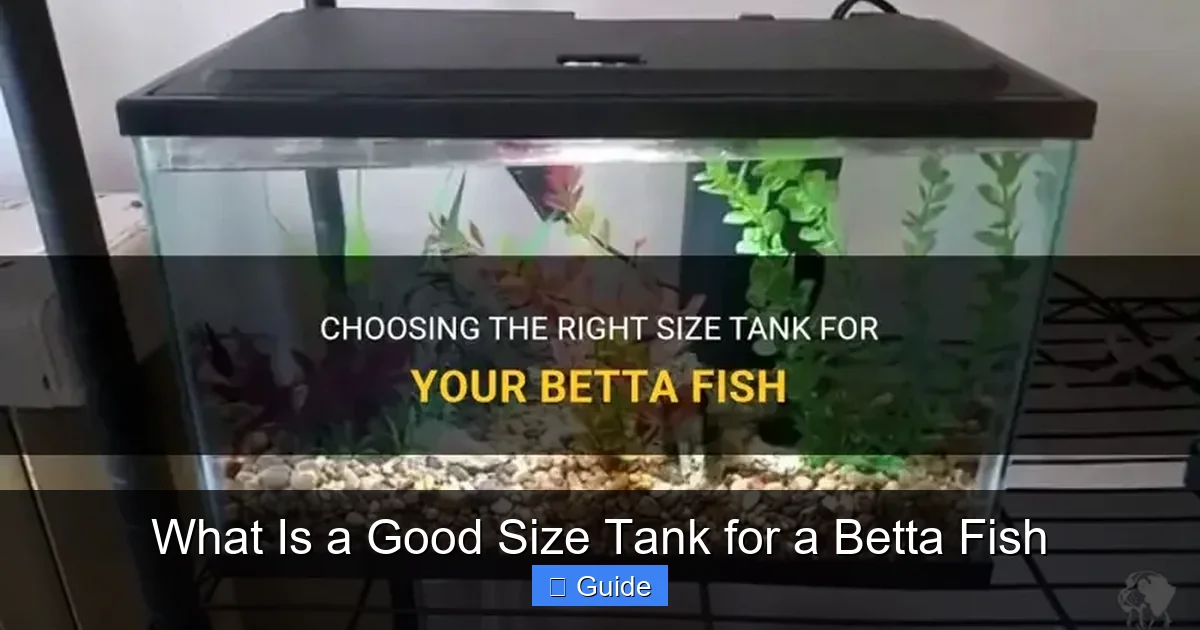
Visual guide about What Is a Good Size Tank for a Betta Fish
Image source: petshun.com
No Filtration, No Hope
Water movement in a tiny bowl is virtually non-existent. Without a filter, there is no mechanical removal of solid waste (uneaten food, feces) and no biological filtration to process ammonia and nitrite. The only “filtration” is the surface of the water, which is insufficient. You might do frequent water changes, but in a 1-quart vase, a 50% water change still leaves half the concentrated toxins behind, and the shock of changing temperature and chemistry can be fatal. A filter in a properly sized tank runs constantly, establishing a colony of beneficial bacteria that work 24/7 to detoxify the water.
Temperature Terror: The Heater Dilemma
Betttas are tropical fish. They require a consistent water temperature between 78°F and 80°F (25.5°C – 26.5°C). In a small glass bowl, it’s nearly impossible to maintain this. Room temperature is rarely stable or warm enough. A submersible heater, which is essential, cannot be safely used in a tiny container—it can overheat the entire volume of water in minutes, cooking the fish. There’s also no room for a thermometer to even check the temperature. A good size tank for a betta fish provides enough thermal mass for a small heater to work efficiently and safely, maintaining a stable temperature that is vital for metabolism and immune function.
Oxygen and the Labyrinth Organ
Yes, bettas have a labyrinth organ to breathe air. This is an adaptation for surviving in warm, stagnant, oxygen-poor water. It does NOT mean they prefer dirty, low-oxygen conditions. They still rely heavily on oxygen from the water through their gills. A still, unfiltered surface in a small bowl limits gas exchange. A gentle filter creates surface agitation, which is the primary way atmospheric oxygen dissolves into the water. Without it, your betta is literally gasping for air at the surface, a sign of severe stress.
The Ideal Tank Size: From Minimum to Dream Setup
So, we’ve established bowls are bad. But what is the actual, evidence-based number? Let’s walk through the tiers of tank sizes, from the bare minimum you should ever consider to the spacious setups that allow for true enrichment.
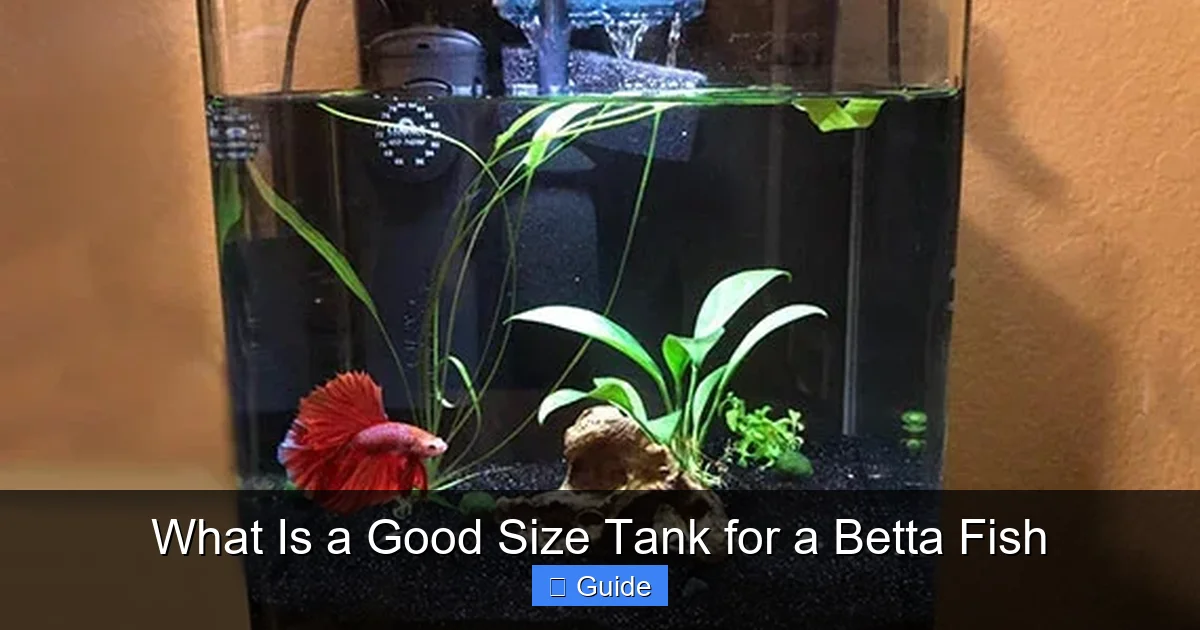
Visual guide about What Is a Good Size Tank for a Betta Fish
Image source: fishlab.com
The Absolute Minimum: 5 Gallons (19 Liters)
This is the line in the sand. A 5-gallon tank is the smallest volume that can realistically support a stable, cycled ecosystem for a single betta. It allows for:
- Essential Equipment: You can fit a small, adjustable heater (25-50 watts) and a gentle hang-on-back (HOB) or sponge filter without creating a torrent that damages fins.
- Basic Cycling: The water volume is large enough to dilute initial ammonia spikes and establish a stable biofilter.
- Minimal Decor: You can include a few plants (live or silk), a cave or log for hiding, and open swimming space.
- Acceptable Stability: Water parameters change more slowly than in a 1-gallon tank, making maintenance less frantic.
However, a 5-gallon tank is still a compromise. It offers limited horizontal space, making it difficult to create strong currents or complex layouts. It’s also very sensitive to overstocking—you cannot add any tank mates. It’s a suitable “starter” or space-constrained option, but not the ideal long-term home.
The Sweet Spot: 10 Gallons (38 Liters)
This is the size we strongly recommend for 99% of betta keepers. A 10-gallon tank is the gold standard for a reason:
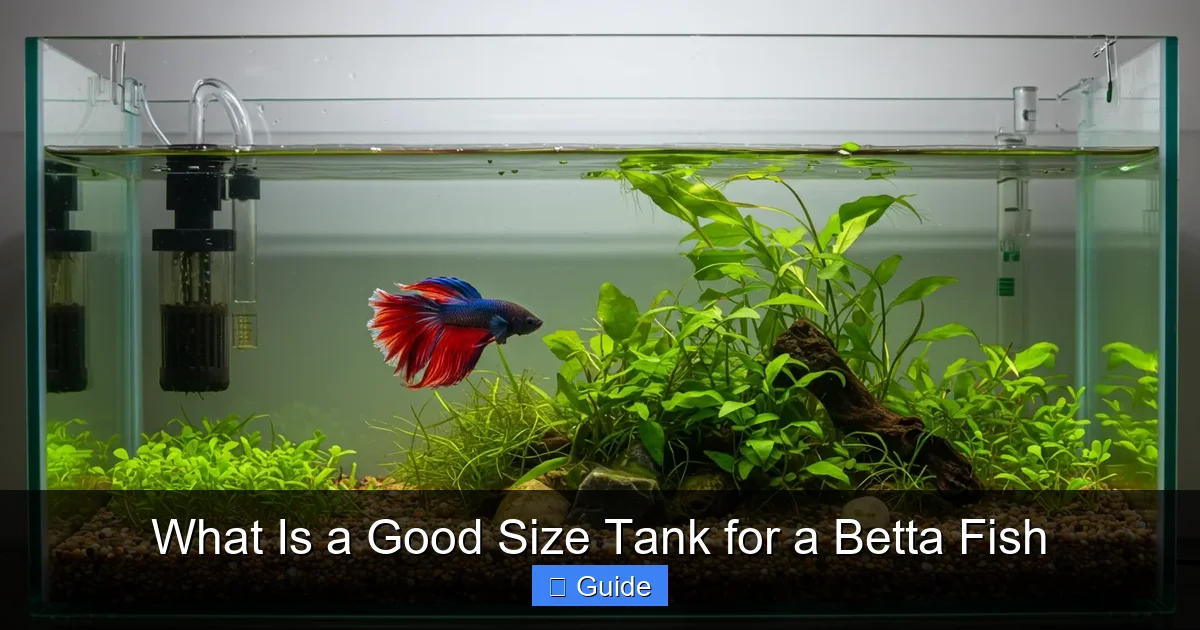
- Perfect Footprint: Standard 10-gallon tanks (20” x 10” x 12”) offer a generous horizontal footprint. This gives your betta a true territory to patrol, with ample room at the surface for its labyrinth organ and flaring displays.
- Unmatched Stability: The water volume is double that of a 5-gallon, making the entire ecosystem incredibly resilient to minor mistakes in feeding or maintenance. Ammonia spikes are rarer and less severe.
- Equipment Flexibility: You can use a wider range of heaters and filters. Sponge filters are excellent, but you can also use a small, adjustable HOB filter with a flow diffuser. You have room for a reliable aquarium thermometer and a back-up heater if needed.
- Enrichment and Scaping: You can create a truly beautiful, planted aquascape. Live plants like Anubias, Java Fern, and Cryptocoryne can be attached to driftwood and rock, providing natural hiding spots, improving water quality, and mimicking the betta’s wild habitat.
- Potential for Tank Mates: While bettas are famously territorial, a 10-gallon provides enough space to carefully research and introduce a few peaceful, fast-moving tank mates like a small school of neon tetras (in a heavily planted tank) or a single snail (Nerite, Ramshorn). This is not guaranteed and requires careful observation, but the space makes it a possibility.
The spacious luxury: 20+ Gallons (75+ Liters)
If you have the space and budget, a 20-gallon long (30” x 12” x 12”) or larger is a phenomenal choice. The benefits are exponential:
- Extreme Parameter Stability: Water chemistry becomes almost bulletproof. This is the best defense against disease.
- True Biotope Potential: You can recreate a stunning slice of a Southeast Asian stream with a diverse array of plants, leaf litter, and soft, acidic water.
- Guaranteed Tank Mate Success: With careful selection, a betta can often coexist peacefully with a proper community of 5-6 small, fast, non-aggressive fish in a 20-gallon. The space allows the betta to establish a territory and the other fish to escape if needed.
- Easier Maintenance: Larger volumes mean less frequent water changes are needed to maintain quality, and each change is less stressful on the fish.
- Future-Proofing: If you ever want to upgrade to a pair of female bettas (a sorority, which requires a minimum of 20 gallons) or add more complexity, you’re already set.
Setting Up Your Good Size Tank: Essential Equipment
You’ve chosen your tank. Now, let’s talk about the non-negotiable gear that turns an empty glass box into a thriving home. Remember, the tank size is the foundation; this equipment is the structure that makes it livable.
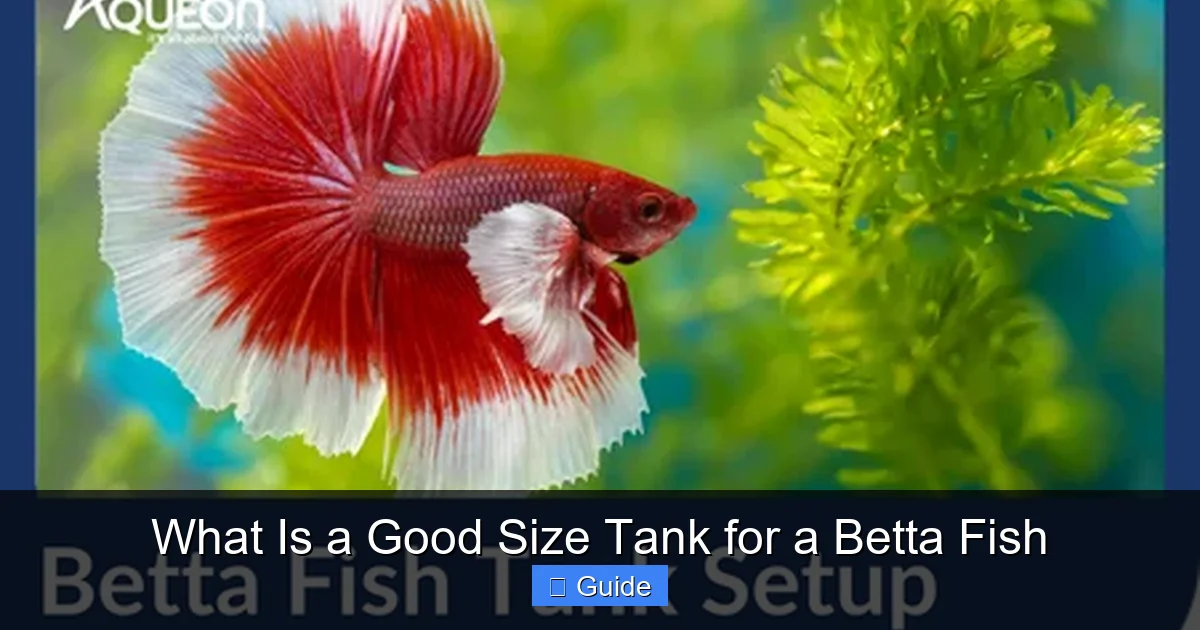
Visual guide about What Is a Good Size Tank for a Betta Fish
Image source: aqueon.com
The Heater: A Tropical Necessity
Do not skip this. A reliable, fully submersible aquarium heater with an adjustable thermostat is mandatory. For a 5-gallon, a 25-watt heater is usually sufficient. For a 10-gallon, a 50-watt heater is standard. Always use a separate, stick-on aquarium thermometer to verify the heater’s accuracy. Set it to 78-80°F and let it run for 24 hours before adding your betta to ensure the temperature is stable. A heater guard is a wise addition to prevent the betta from burning itself on the heating element.
The Filter: Gentle but Effective
This is where betta keepers often panic. Bettas have long, flowing fins that can be damaged by strong currents. The solution is not “no filter,” but a “gentle filter.”
- Sponge Filters: The gold standard. They provide excellent biological filtration and create a gentle current. Air-driven and quiet. Perfect for all tank sizes.
- Hang-On-Back (HOB) Filters: Choose a model designed for a tank slightly larger than yours (e.g., a filter rated for 10-20 gallons on a 10-gallon tank). Use the flow control to turn it down low, and add a sponge pre-filter or a plastic bottle baffle to diffuse the outflow.
- Internal Power Filters: Can work if they have an adjustable flow and you can direct the nozzle towards the tank wall or a plant to break the current.
The goal is a barely noticeable ripple on the water’s surface. You should see your betta swim calmly without struggling or hiding behind objects to avoid the flow.
Substrate, Plants, and Hiding Spots
While not “equipment” in the traditional sense, these are critical for the betta’s psychological well-being.
- Substrate: Sand or fine gravel is ideal. Avoid sharp, jagged gravel that can tear fins.
- Plants: Live plants are highly recommended. They absorb nitrates, provide natural cover, and reduce stress. Easy, low-light plants like Anubias, Java Fern, and Marimo Moss Balls are perfect. If using silk or plastic plants, ensure they are soft and have no sharp edges.
- Hiding Spots: Every betta needs at least one secure cave, PVC pipe, or dense cluster of plants to retreat to when it feels threatened or wants to sleep. This reduces stress significantly.
The Nitrogen Cycle: The Invisible Lifeline
Setting up a good size tank for a betta fish is not just about filling it with water and adding the fish. The single most important process you must understand and complete is the nitrogen cycle. This is the establishment of beneficial bacteria that convert toxic fish waste into safer compounds. Adding a betta to an uncycled tank is like dumping poison into its drinking water—it will likely die from ammonia poisoning within days or weeks.
How the Cycle Works (The Simple Version)
1. Ammonia (NH3/NH4+): Fish waste and uneaten food release ammonia. It is highly toxic.
2. Nitrite (NO2-): One type of bacteria (Nitrosomonas) eats ammonia and converts it to nitrite, which is also highly toxic.
3. Nitrate (NO3-): A second type of bacteria (Nitrospira) eats nitrite and converts it to nitrate, which is much less toxic and is removed by water changes or absorbed by plants.
Cycling Your Tank Before Adding the Betta
This process takes 4-6 weeks. You must do it before adding your fish. Here’s the basic method:
- Set up your fully equipped tank (tank, filter, heater, substrate, plants).
- Fill with dechlorinated water. Use a water conditioner to remove chlorine/chloramines.
- Add an ammonia source. The best way is to add a small amount of pure ammonia (no surfactants) to reach 2-4 ppm, or use a hardy “cycle starter” fish like a few zebra danios (though this is less ethical). Many use fish food, but it’s less precise.
- Test the water daily with a liquid test kit (API Freshwater Master Test Kit is the industry standard). You will see ammonia spike, then drop as nitrite rises, then nitrite drops as nitrate appears.
- Once you see 0ppm ammonia and 0ppm nitrite, and a steady reading of nitrate (e.g., 20-40ppm), your tank is cycled and safe for your betta. Perform a final large water change to lower nitrate before introducing the fish.
Pro-Tip: You can “seed” your filter with used filter media from a friend’s healthy, cycled aquarium to jump-start the process, potentially cutting the cycle time in half.
Maintenance: Keeping Your Good Size Tank Thriving
A cycled tank is not a “set it and forget it” system. Consistent, simple maintenance is what keeps the ecosystem balanced and your betta healthy for years.
The Weekly Water Change Routine
This is the most critical maintenance task. It dilutes nitrates, removes any solid waste the filter missed, and replenishes trace minerals.
- Frequency & Volume: For a 10-gallon tank with one betta, change 25-30% of the water weekly. For a 5-gallon, change 30-40% weekly. For a 20-gallon, 20-25% is sufficient.
- How-To: Use a gravel vacuum to siphon debris from the substrate while removing the old water. Never remove more than 50% at once. Replace with dechlorinated water that is within 1-2°F of the tank temperature. Never wash filter media in tap water (it kills the bacteria)—just rinse it gently in the bucket of old tank water you just removed during the change.
Filter Maintenance & Water Testing
Clean your filter media monthly, or when you notice a significant reduction in flow. Again, rinse in old tank water. Test your water parameters (Ammonia, Nitrite, Nitrate, pH) weekly for the first few months, then monthly once stable. You should always see 0ppm ammonia and nitrite. Nitrate should be kept below 20-40ppm via water changes.
Conclusion: A True Commitment to a Living Creature
So, what is a good size tank for a betta fish? The answer is clear and backed by biology and ethics. Start with a 5-gallon tank if you must, but strive for a 10-gallon tank as the true, responsible minimum. If you have the means and space, a 20-gallon long opens up a world of possibilities for enrichment and community. This isn’t about spending more money on a bigger box; it’s about investing in the health, happiness, and longevity of an animal that will share your space for three to five years (or more with proper care).
By providing a properly sized, cycled, heated, and filtered tank, you move from being a passive owner to an active caretaker. You’ll witness natural behaviors—bubble nest building, curious exploration, vibrant color displays—that are impossible in a sterile bowl. You’ll have a living piece of art that is both beautiful and a testament to responsible pet ownership. Ditch the myth. Choose the right tank. Your betta’s life depends on it.
Frequently Asked Questions
Can I keep a betta in a vase or bowl without a filter?
No. A vase or bowl cannot support a stable nitrogen cycle, maintain a consistent tropical temperature, or provide adequate oxygenation. This environment leads to rapid toxin buildup, temperature stress, and a severely shortened lifespan. It is considered inhumane by modern aquarium science.
Is a 2.5-gallon or 3-gallon “betta tank” acceptable?
While a step up from a bowl, a 2.5-3 gallon tank is still far too small. It is extremely difficult to cycle, maintain stable temperatures, or dilute toxins effectively in such a small volume. It is not a “good size” and will require near-daily, stressful water changes to keep the fish alive, not thriving.
Can I put a betta in a 10-gallon tank with other fish?
Yes, but with extreme caution and careful research. A 10-gallon is the absolute minimum for any tank mates. You must choose peaceful, fast-moving, non-colorful fish that won’t nip fins (like a small school of neon tetras or harlequin rasboras) and have plenty of plants and hiding spots to break lines of sight. Always have a backup plan to separate fish if aggression occurs.
Do I need a heater for a betta if my room is warm?
Almost certainly yes. Room temperature fluctuates significantly between day and night and can drop below the 78°F minimum bettas require, especially in winter. A consistent, stable temperature is crucial for digestion and immune health. A small, reliable heater with a thermostat is non-negotiable for a good size tank.
Can I use live plants in my betta tank instead of a filter?
Live plants do help consume nitrates and improve water quality, but they cannot replace a filter. They do not provide the mechanical removal of solid waste or the massive biological filtration capacity of a established filter media bed. A filter is essential; plants are a wonderful supplement.
How often should I do water changes in my 10-gallon betta tank?
For a properly cycled 10-gallon tank with a single betta and a filter, a 25-30% water change once a week is the standard recommendation. This helps control nitrates and removes any detritus. If your nitrate levels are rising quickly (above 40ppm), increase the change volume or frequency slightly.