Is More Fish Oil Better
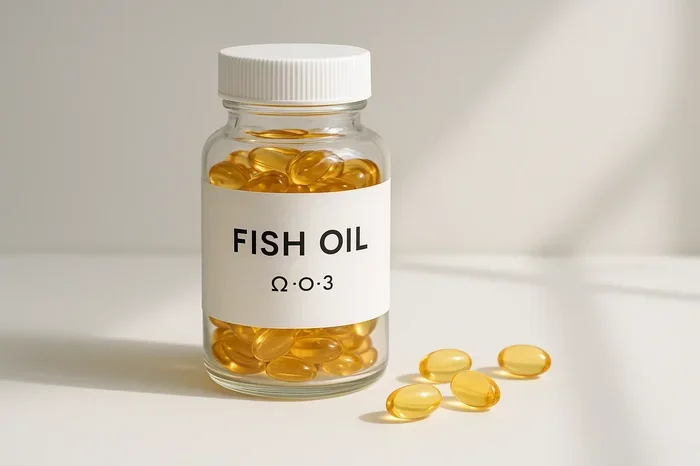
More fish oil is not always better for betta fish. While fish oil provides essential omega-3 fatty acids that support betta fish health, too much can cause serious problems. This guide covers the right dosage, benefits, risks, and expert tips to keep your betta fish thriving.
Many betta fish owners wonder if adding more fish oil to their betta fish diet is always a good idea. The truth is that is more fish oil better is a question that deserves a careful answer. Fish oil offers real benefits for betta fish, but too much can cause problems. In this guide, we will explore the right amount of fish oil for your betta fish, the benefits it provides, and the risks of overdoing it. By the end, you will know exactly how to use fish oil to support your betta fish health.
Betta fish need proper nutrition to stay healthy and vibrant. A balanced betta fish diet includes proteins, fats, and essential nutrients. Fish oil is one supplement that many owners consider. It provides omega-3 fatty acids that are hard to get from regular betta fish food alone. But the question remains: is more fish oil better, or is there a sweet spot? Let us dive into the details.
Key Takeaways
- More is not always better: Excess fish oil can harm your betta fish
- Omega-3 fatty acids are essential: They support betta fish health in many ways
- Proper dosage matters: Follow guidelines to avoid over-supplementation
- Watch for side effects: Know the signs of too much fish oil
- Quality counts: Choose high-grade fish oil for your betta fish
- Balance is key: Combine fish oil with a healthy betta fish diet
📑 Table of Contents
Why Betta Fish Need Fish Oil
Fish oil plays an important role in betta fish health. It is not just a nice-to-have supplement. It is a source of essential fatty acids that betta fish cannot produce on their own. These fatty acids support many bodily functions and keep your fish looking and feeling their best.
What Makes Fish Oil Important for Betta Fish
Fish oil contains two key omega-3 fatty acids: EPA and DHA. These nutrients help build cell membranes, reduce inflammation, and support brain function. Without enough omega-3 fatty acids, betta fish can face health issues. Their colors may fade, their immune system can weaken, and their fins may not grow properly.
Most commercial betta fish food contains some fish oil, but the amount varies widely. Low-quality foods may not provide enough. This is why many owners turn to supplements. Adding a high-quality fish oil supplement can fill the gap and boost your betta fish nutrition.
The Role of Omega-3 Fatty Acids
Omega-3 fatty acids are the real heroes in fish oil. They do more than just keep your betta fish looking pretty. These essential fats support heart health, improve digestion, and help with wound healing. They also play a role in reducing stress and promoting a healthy appetite.
When comparing omega-3 vs fish oil, it is important to understand that fish oil is one of the best sources of these fatty acids for betta fish. Other sources like flaxseed oil or plant-based oils do not provide EPA and DHA in the same way. This makes fish oil a top choice for betta fish care and overall betta fish health.
Is More Fish Oil Better for Betta Fish?
The short answer is no. Is more fish oil better? Not necessarily. While fish oil is beneficial, more does not mean better. Betta fish need a balanced amount of dietary fats, and exceeding that amount can lead to serious health problems. Understanding the right dosage is key to keeping your fish healthy.
Understanding the Right Fish Oil Dosage
The proper fish oil dosage depends on several factors. These include the size of your betta fish tank, the type of food you feed, and the overall health of your fish. As a general rule, a few drops of fish oil added to food once or twice a week is enough. More than that can overwhelm your betta fish system.
Over-supplementation is a real concern. When you give your betta fish too much fish oil, the excess fats can build up in the water. This can degrade water quality and stress your fish. Always follow recommended guidelines and resist the urge to add more just because you think it will help faster. Quality beats quantity every time with fish oil supplements.
What Happens When You Overdo It
Too much fish oil can cause a range of problems. The most common issue is oily residue on the surface of the water. This film can reduce oxygen exchange and make it harder for your betta fish to breathe. In severe cases, it can lead to gasping at the surface, which is a clear sign of distress.
Excess fish oil can also cause digestive issues. Your betta fish may become constipated or develop bloating. These symptoms are not only uncomfortable but can become serious if left untreated. The key is to keep fish oil supplementation moderate and consistent. Less really is more when it comes to aquatic supplements.
Benefits of Fish Oil for Betta Fish
When used correctly, fish oil provides many benefits for betta fish. It is not just about adding fats to the diet. It is about providing the right kind of fats in the right amount. Here are the main benefits you can expect from proper fish oil use.
Supporting Heart Health
Omega-3 fatty acids from fish oil support a healthy heart in betta fish. They help regulate blood flow and reduce the risk of heart-related issues. A healthy betta fish will swim actively and maintain a strong appetite. Heart health is one of the most important aspects of betta fish care, and fish oil can play a supporting role in keeping your fish strong.
Boosting Immune Function
A strong immune system helps your betta fish fight off diseases. Fish oil strengthens the immune response by reducing inflammation and supporting cell health. This means your fish is less likely to develop common betta fish illnesses like fin rot or ich. Regular, moderate fish oil supplementation can be a simple way to boost your fish’s defenses and promote long-term betta fish wellness.
Improving Coat and Fins
One of the most visible benefits of fish oil is improved color and fin quality. The omega-3 fatty acids nourish the skin and fins from the inside out. Your betta fish will display brighter colors and healthier, more flowing fins. This is especially important for show-quality bettas or owners who want their fish to look their absolute best. Proper fish oil use enhances the natural beauty of your betta fish.
Risks of Too Much Fish Oil
While fish oil has many benefits, too much creates risks. Understanding these risks helps you avoid common mistakes. Let us look at the main concerns with over-supplementation.
Digestive Issues and Bloating
Excess dietary fats from too much fish oil can cause digestive problems in betta fish. Bloating, constipation, and loss of appetite are common signs. These issues can weaken your fish over time and make it more susceptible to other health problems. If you notice these symptoms, reduce the fish oil immediately and monitor your fish closely for any changes in behavior.
Water Quality Problems
Fish oil that is not fully consumed or absorbed can pollute the water. Oily films on the surface of the betta fish tank reduce gas exchange and can lower oxygen levels. This creates a stressful environment for your fish. Regular water changes and careful dosing help prevent this issue. Always remove any uneaten food after feeding to keep the tank clean.
Vitamin A Toxicity
Some fish oil products contain high levels of vitamin A. While vitamin A is essential, too much can be toxic. Symptoms of fish oil toxicity include swollen eyes, skin irritation, and lethargy. Always choose fish oil products designed for aquatic use and check the label for vitamin A content. When in doubt, consult an aquatic veterinarian for guidance on the right fish oil quality for your setup.
How to Choose the Right Fish Oil
Not all fish oil products are the same. Choosing the right one for your betta fish makes a big difference in results and safety. Here is what you need to know when selecting a fish oil supplement.
Types of Fish Oil Available
There are several types of fish oil on the market. Salmon oil, krill oil, and cod liver oil are common options. When deciding between fish oil vs flaxseed oil, keep in mind that fish oil provides EPA and DHA directly, while flaxseed oil offers ALA, which betta fish cannot convert efficiently. For best results, stick with marine-based fish oil.
| Oil Type | EPA/DHA Content | Betta Fish Suitability | Key Benefit |
|---|---|---|---|
| Fish Oil | High | Excellent | Direct omega-3 source |
| Flaxseed Oil | Low (ALA only) | Poor | Plant-based alternative |
| Garlic Oil | None | Moderate | Appetite stimulant |
| Krill Oil | High | Good | Antioxidant boost |
| Cod Liver Oil | High | Good | Vitamins A and D |
What to Look For in a Quality Product
Look for fish oil that is pure, free of contaminants, and designed for aquatic use. Check the label for omega-3 content and avoid products with artificial additives. Freshness matters too. Rancid fish oil can harm your betta fish, so always check the expiration date and store the product properly in a cool, dark place.
Comparing Fish Oil Options
If you are curious about other oil options, consider how they compare. For example, fish oil vs garlic oil is a common comparison among betta fish owners. Garlic oil can stimulate appetite, but it does not provide the same omega-3 benefits as fish oil. Each oil has its place, but for overall betta fish health, fish oil remains the top choice for essential fatty acid supplementation.
Best Practices for Fish Oil Supplementation
Following best practices ensures you get the most benefit from fish oil while minimizing risks. These tips come from experienced betta fish keepers and aquatic experts who understand proper betta fish nutrition.
Start Small and Monitor
When introducing fish oil to your betta fish diet, start with a small amount. Add one or two drops to frozen or live food and observe your fish for 24 hours. If your betta fish eats normally and shows no adverse reactions, you can continue with the same amount. Gradual introduction helps prevent digestive upset and lets you gauge how your fish responds to the new supplement.
Stick to a Schedule
Consistency is more important than quantity. Instead of giving large amounts occasionally, provide small amounts on a regular schedule. Twice a week is a good starting point for most betta fish. This approach keeps omega-3 levels steady and avoids the spikes that come with over-supplementation. A steady routine supports better absorption and long-term betta fish health.
Pair Fish Oil with a Balanced Diet
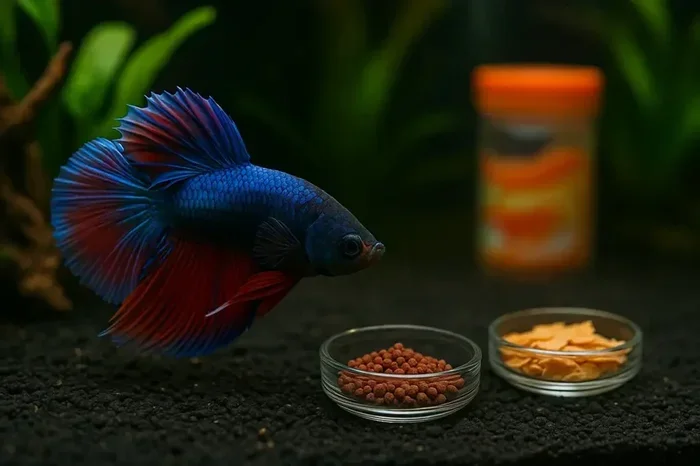
Fish oil works best as part of a varied betta fish diet. High-quality pellets, frozen brine shrimp, and daphnia all contribute to your fish’s nutrition. Fish oil should complement these foods, not replace them. A balanced diet ensures your betta fish gets all the nutrients it needs. Think of fish oil as a booster, not a staple, in your fish’s meal plan.
Keep Your Tank Clean
Regular water changes are essential when using fish oil supplements. Even with careful dosing, some oil will end up in the water. Weekly water changes of 20 to 25 percent help maintain clean water and prevent oily buildup. A clean betta fish tank supports overall health, reduces stress, and helps your fish absorb nutrients more effectively from its food and supplements.
Conclusion
So, is more fish oil better for your betta fish? The answer is clear: moderation is key. Fish oil provides valuable omega-3 fatty acids that support heart health, immune function, and vibrant colors. But too much can cause digestive issues, water quality problems, and even toxicity. The best approach is to use high-quality fish oil in the right amount and pair it with a balanced betta fish diet.
Remember that every betta fish is different. Factors like tank size, diet, and overall health affect how your fish responds to fish oil. Start with small amounts, monitor your fish closely, and adjust as needed. With the right approach, fish oil can be a simple and effective way to boost your betta fish health and keep your fish thriving for years to come.
If you are still unsure about the best approach, consider consulting with a veterinarian who specializes in aquatic animals. They can provide personalized advice based on your betta fish specific needs. Taking the time to get it right will pay off in a happier, healthier fish that brings you joy every day.
Frequently Asked Questions
Can I give my betta fish fish oil every day?
Daily fish oil is not recommended for betta fish. Most experts suggest adding fish oil to your betta fish food two to three times per week at most. Daily supplementation can lead to over-supplementation, which causes digestive problems and water quality issues. Stick to a moderate schedule for the best results and a healthy betta fish.
What happens if I give my betta fish too much fish oil?
Too much fish oil can cause oily film on the water surface, digestive bloating, and constipation. In severe cases, it may lead to vitamin A toxicity or poor water quality. If you notice any of these symptoms, stop the supplementation and do a water change. Your betta fish should recover once the excess oil is removed from the tank.
Can I use human fish oil supplements for my betta fish?
It is best to avoid human fish oil supplements for betta fish. Human products may contain additives, artificial flavors, or incorrect dosages for aquatic animals. Look for fish oil products specifically formulated for fish or aquatic use. These are designed to be safe and effective for betta fish and other aquarium species.
Is fish oil better than other oils for betta fish?
Fish oil is generally the best choice for betta fish because it provides EPA and DHA directly. Other oils like flaxseed or olive oil do not offer the same omega-3 benefits. When exploring alternatives, fish oil remains superior for reducing inflammation and supporting overall betta fish health compared to most plant-based options.
How can I tell if my betta fish needs fish oil?
Signs that your betta fish may benefit from fish oil include faded colors, slow healing from wounds, and a weakened appetite. If your fish looks dull or less active than usual, a small amount of fish oil added to food may help. However, always start with a tiny amount and observe how your fish responds before increasing the dosage.
Does fish oil help betta fish recover from illness faster?
Fish oil can support recovery by reducing inflammation and boosting the immune system. The omega-3 fatty acids help repair cells and promote healing. However, fish oil is not a cure for diseases. It works best as a supplement to proper treatment and a healthy betta fish diet. Always address illnesses with appropriate medication first and consult a professional.