How to Add Community Fish into a Bette
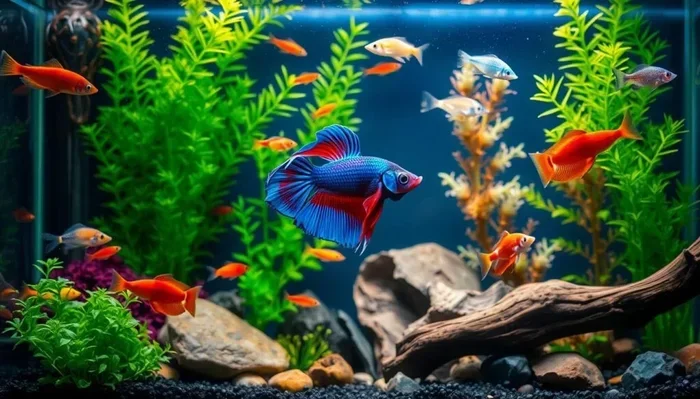
Adding community fish into a betta tank can be rewarding but tricky. You need the right tank size, compatible species, and a careful introduction process. This guide walks you through everything from choosing the best tank mates to monitoring behavior after adding new fish. Follow these tips to create a harmonious community aquarium.
Adding community fish into a betta tank is exciting. You get to watch different species swim together and create a lively aquarium. But it is not as simple as just dropping new fish into your betta’s home. Betta fish can be territorial and sometimes aggressive. So you need a solid plan before you add any new tank mates.
This guide covers everything you need to know. From choosing the best community fish to setting up the tank properly, we have you covered. You will learn about compatibility, the introduction process, and how to keep the peace. By the end, you will feel confident about building a thriving community aquarium.
The key to success is preparation. A well-planned tank means happy fish and fewer problems. Let us dive into the steps you need to follow.
Key Takeaways
- Choose the right tank size: A minimum of 10 gallons gives everyone enough space to thrive.
- Pick peaceful species: Neon tetras, corydoras, and snails make excellent betta tank mates.
- Quarantine new fish first: Always isolate new arrivals for 2 to 4 weeks before introducing them.
- Set up hiding spots: Plants and decorations reduce stress and territorial fights.
- Monitor behavior closely: Watch for signs of aggression or stress after adding community fish.
- Feed properly: Make sure all fish get enough food without overfeeding the tank.
- Maintain water quality: Regular water changes keep the tank healthy for every fish.
📑 Table of Contents
Understanding Your Betta’s Personality
Every betta fish has its own personality. Some bettas are calm and easygoing. Others are feisty and defend their territory fiercely. Before you add community fish, you need to understand your betta’s temperament.
Observing Your Betta’s Behavior
Watch how your betta interacts with its environment. Does it flare at its own reflection? Does it chase other fish? A betta that constantly shows aggression may not be a good candidate for a community tank. On the other hand, a betta that ignores other fish might welcome some company.
Keep in mind that male bettas are usually more aggressive than females. Female bettas sometimes do well in small groups called sororities. But even among females, personality clashes can happen.
Factors That Influence Betta Temperament
Several factors affect how your betta behaves:
- Tank size: A cramped tank makes any fish stressed and aggressive.
- Water temperature: Betta fish need warm water between 76 and 82 degrees Fahrenheit.
- Tank setup: Lots of hiding spots help reduce territorial behavior.
- Feeding routine: A well-fed betta is less likely to act out.
- Past experiences: Fish that have been kept alone may react differently to new arrivals.
Spend at least a week observing your betta before you start planning a community setup. This gives you a clear picture of what to expect.
Choosing the Right Community Fish
Not all fish get along with bettas. Some species are too nippy or too big. Others might stress your betta out. The best community fish for a betta tank are peaceful, small, and share similar water conditions.
Best Community Fish for Betta Tanks
Here are some tried-and-true options that work well with bettas:
- Neon tetras: These small, colorful fish stay in the upper and middle parts of the tank. They are peaceful and do not bother bettas.
- Corydoras catfish: These bottom dwellers are gentle and fun to watch. They help clean up leftover food.
- Ghost shrimp: Shrimp are great tank mates. They stay out of the betta’s way and add interest to the tank.
- Amano shrimp: These shrimp are larger and more hardy than ghost shrimp. They also help control algae.
- Snails (like mystery snails): Snails are peaceful and do not provoke bettas. They also help keep the tank clean.
- Harlequin rasboras: These schooling fish are calm and stay in groups, which makes them less likely to trigger a betta’s aggression.
- Kuhli loaches: These eel-like fish are shy and peaceful. They stay near the bottom and avoid the betta’s territory.
Fish to Avoid with Bettas
Some fish are a bad match for bettas. Stay away from these:
- Fish with bright colors or long fins: These can trigger your betta’s territorial instincts.
- Aggressive species like tiger barbs: They will nip at your betta’s fins.
- Large fish: Big fish may bully or eat your betta.
- Other bettas (males): Two male bettas should never share a tank.
Setting Up the Tank for Community Fish
A proper tank setup makes all the difference. You need enough space, the right decorations, and stable water conditions. Rushing this step leads to problems later on.
Tank Size Matters
A 5-gallon tank is the minimum for a single betta. But if you want to add community fish, go bigger. A 10-gallon tank or larger gives everyone room to swim and claim their own space. Overcrowding leads to stress, fighting, and poor water quality.
If you are unsure about how big your tank needs to be, check out this guide on how big a betta fish tank needs to be for more details.
Adding Plants and Hiding Spots
Live plants are your best friend when building a community tank. They break up lines of sight and give fish places to hide. Java moss, Amazon swords, and anubias are great choices for betta tanks.
Add caves, driftwood, and other decorations too. These create boundaries that help each fish feel secure. When fish have their own territories, they are less likely to fight.
Water Parameters and Temperature
Betta fish need warm, clean water. Keep the temperature between 76 and 82 degrees Fahrenheit. The pH should be between 6.5 and 7.5. Ammonia and nitrite levels must stay at zero.
Before adding any community fish, make sure your tank is fully cycled. A fishless cycle takes about 4 to 6 weeks but it is the safest way to start. You can also learn more about preparing water for your betta fish to make sure everything is dialed in.
Filtration and Heating
A gentle filter is important for community tanks. Bettas do not like strong currents, so choose a filter with an adjustable flow. Sponge filters work great because they provide biological filtration without creating too much flow.
A heater keeps the water temperature stable. If you do not have a heater, there are ways to keep your betta warm without one. But a heater is always the safest option for a community setup.
The Introduction Process
How you introduce new fish to your betta tank matters a lot. A rushed introduction can cause stress and even injury. Take your time and follow these steps carefully.
Step 1: Quarantine New Fish
Always quarantine new fish before adding them to your main tank. Keep them in a separate tank for 2 to 4 weeks. This lets you watch for signs of disease like white spots, lethargy, or loss of appetite. It also gives the new fish time to adjust to your water parameters.
Step 2: Acclimate the Fish
When you are ready to introduce the new fish, acclimate them slowly. Float the bag they came in on the tank water for 15 to 20 minutes. Then slowly add small amounts of tank water to the bag over 30 minutes. This helps the fish adjust to the new temperature and chemistry.
Step 3: Use a Tank Divider
A tank divider lets your betta and the new fish see each other without direct contact. This helps them get used to each other’s presence. After a few days, you can remove the divider and let them interact freely.
If you want to learn more about using dividers, here is a helpful resource on how to make a betta fish tank divider.
Step 4: Monitor Closely
Watch the tank carefully after removing the divider. Look for flaring, chasing, or nipping. Some chasing is normal at first. But if the aggression continues, separate the fish immediately. Give them more time and try again later.
Feeding Community Fish and Bettas Together
Feeding time can get tricky in a community tank. Bettas are carnivores and need protein-rich food. Community fish like tetras and corydoras are omnivores and eat different foods. You need to make sure everyone gets what they need.
Feed your betta first with betta pellets or frozen bloodworms. Then add food for the community fish. Flakes or sinking pellets work well for most peaceful species. Feed small amounts 2 to 3 times a day. Remove any uneaten food after a few minutes to keep the water clean.
Overfeeding is a common mistake in community tanks. Excess food rots quickly and spikes ammonia levels. Keep portions small and adjust based on how much your fish eat.
Maintaining a Peaceful Community Tank
Once your community tank is set up and running, maintenance becomes your top priority. A clean, stable environment keeps fish healthy and reduces aggression.
Regular Water Changes
Change 20 to 30 percent of the tank water every week. This removes toxins and keeps the water fresh. Always treat new water with a conditioner before adding it to the tank. You can learn more about how to change betta fish water properly.
Testing Water Parameters
Test your water regularly for ammonia, nitrite, and nitrate. Ammonia and nitrite should always be zero. Nitrate should stay below 20 ppm. Use a liquid test kit for the most accurate results.
Cleaning the Tank
Clean the glass, filter, and decorations as needed. Do not replace all the filter media at once. This removes beneficial bacteria that keep your tank cycled. If you need help with tank cleaning, check out these tips on how to clean a betta fish tank.
Watching for Signs of Stress
Learn to recognize signs of stress in your fish. Clamped fins, loss of color, hiding constantly, and loss of appetite are all warning signs. If you notice these behaviors, test the water and check for aggressive tank mates. Early action prevents bigger problems.
Building a community tank with a betta is a rewarding hobby. It takes patience and care, but the result is a beautiful, lively aquarium. Start small, choose your fish wisely, and take things slow. Your betta and its new friends will thank you.
Remember that every tank is different. What works for one betta may not work for another. Stay flexible and be ready to adjust your setup if needed. The most important thing is the health and happiness of all your fish.
With the right preparation and ongoing care, your betta tank can become a peaceful community aquarium. Enjoy the process and the beautiful fish that share your home.
Conclusion
Adding community fish into a betta tank is totally doable with the right approach. Start by understanding your betta’s personality and choosing compatible species. Set up the tank with enough space, plants, and hiding spots. Follow a careful introduction process and feed everyone properly. Keep the water clean and watch for signs of stress. With patience and attention, you can create a thriving community aquarium that both you and your fish will enjoy.
The most important lesson is to take it slow. Rushing the process leads to problems. But with a little planning, your betta and its new tank mates can live together happily. Start today and enjoy the journey of building your perfect community tank.
Frequently Asked Questions
Can betta fish live with community fish?
Yes, betta fish can live with community fish if you choose the right species and set up the tank properly. Peaceful fish like neon tetras, corydoras, and shrimp make good tank mates. Always monitor behavior after introducing new fish to the tank.
What is the best tank size for a betta with community fish?
A minimum of 10 gallons is recommended for a betta with community fish. Larger tanks provide more space and reduce territorial behavior. A bigger tank also makes it easier to maintain stable water conditions.
How do I introduce new fish to my betta tank?
First, quarantine the new fish for 2 to 4 weeks. Then acclimate them slowly by floating the bag and gradually adding tank water. Use a tank divider for a few days so the fish can see each other without direct contact. Monitor closely after removing the divider.
What fish should I avoid keeping with a betta?
Avoid fish with bright colors or long fins, aggressive species like tiger barbs, and large fish that may bully your betta. Also never keep two male bettas in the same tank. These combinations often lead to fighting and stress.
How often should I feed community fish with a betta?
Feed small amounts 2 to 3 times a day. Feed your betta first with protein-rich food, then add food for the community fish. Remove any uneaten food after a few minutes to prevent water quality issues.
Can I keep shrimp with my betta fish?
Yes, ghost shrimp and amano shrimp are great betta tank mates. They are peaceful and stay out of the betta’s way. Shrimp also help keep the tank clean by eating leftover food and algae.
=== INTERNAL LINKS ===
For more information on betta tank setup, check out our guide on how to set up a fish tank for betta fish.
Learn how to prepare the best water for your fish in our article on how to prepare water for a betta fish.
Want to keep your betta warm without extra equipment? Read our guide on how to keep my betta fish warm without a heater.
For ongoing water care tips, visit our article on how to take care of betta fish water.