Finding the perfect Betta fish in New York City requires knowing where to look. This guide navigates you through the pros and cons of local specialty stores, big-box retailers, and reputable online breeders. We provide essential tips on selecting a healthy fish and setting up its proper habitat to ensure a long, vibrant life in your care.
So, you’ve decided to welcome a Betta fish, that jewel of the aquarium world, into your New York City apartment. Their dazzling colors, flowing fins, and charismatic personalities make them irresistible. But before you can name your new aquatic companion, you face the pivotal question: where to buy Betta fish in NYC? The answer isn’t as simple as pointing to the nearest store. The source of your Betta dramatically impacts its health, temperament, and ultimately, your success as a fish keeper.
New York City is a unique marketplace. It’s a concrete jungle with a thriving, hidden ecosystem of dedicated aquarists and businesses. You can find Betta splendens in gleaming chain stores, tucked-away neighborhood shops, and from breeders across the country who ship to your door. Each option comes with its own set of advantages, pitfalls, and considerations. This comprehensive guide will dive deep into every avenue for purchasing a Betta in the five boroughs. We’ll move beyond just listing addresses to equip you with the knowledge to make an ethical, informed choice that sets both you and your fish up for years of beauty and enjoyment.
Key Takeaways
- Local Specialty Stores Offer Expertise: Independent aquarium shops in NYC often provide the healthiest fish and the most knowledgeable advice on care and tank setup.
- Big-Box Stores Provide Convenience: Chains like Petco and PetSmart are widely accessible and affordable but require careful inspection of fish health and water conditions.
- Online Breeders Expand Options: For rare colors and fin types, reputable online breeders ship directly, but you must account for shipping stress and quarantine new arrivals.
- Health Checklist is Non-Negotiable: Always look for vibrant color, active swimming, undamaged fins, and clear eyes. Avoid fish with clamped fins, lethargy, or fungal growth.
- Proper Habitat is Crucial: A Betta needs a filtered, heated tank of at least 5 gallons—never a small bowl—with hiding spots and gentle water flow to thrive.
- Avoid Impulse Buys: The best place to buy a Betta is where you feel confident in the fish’s health and your own preparedness to provide lifelong care.
📑 Table of Contents
- The NYC Landscape: A Primer on Betta Sources
- Local Specialty Pet & Aquarium Stores: The Gold Standard
- Big-Box Retailers: Convenience with Caveats
- Online Breeders and Suppliers: A Digital Frontier
- The Essential Betta Health Checklist: What to Look For
- Setting Up for Success: Your Betta’s Forever Home
- Ethical Considerations: Avoiding the Puppy Mill of the Fish World
- Conclusion: Your Journey Starts with a Choice
The NYC Landscape: A Primer on Betta Sources
Understanding the landscape is the first step. The places to buy Betta fish in NYC generally fall into three categories: local independent pet/aquarium stores, large national chain retailers, and direct-from-breeder online suppliers. The experience, fish quality, and post-purchase support vary wildly between them.
Why the Source Matters More Than You Think
A Betta from a stressed, overcrowded shipment in a big-box store has a different start in life than one raised in a dedicated breeder’s pristine, planted tank. The journey your fish takes before reaching you affects its immune system, stress levels, and even its genetic predispositions. A fish that arrives already compromised is more likely to fall ill, requiring medication and care that could have been avoided. Choosing a reputable source is the single most important preventive measure you can take for your Betta’s long-term health and vitality.
Local Specialty Pet & Aquarium Stores: The Gold Standard
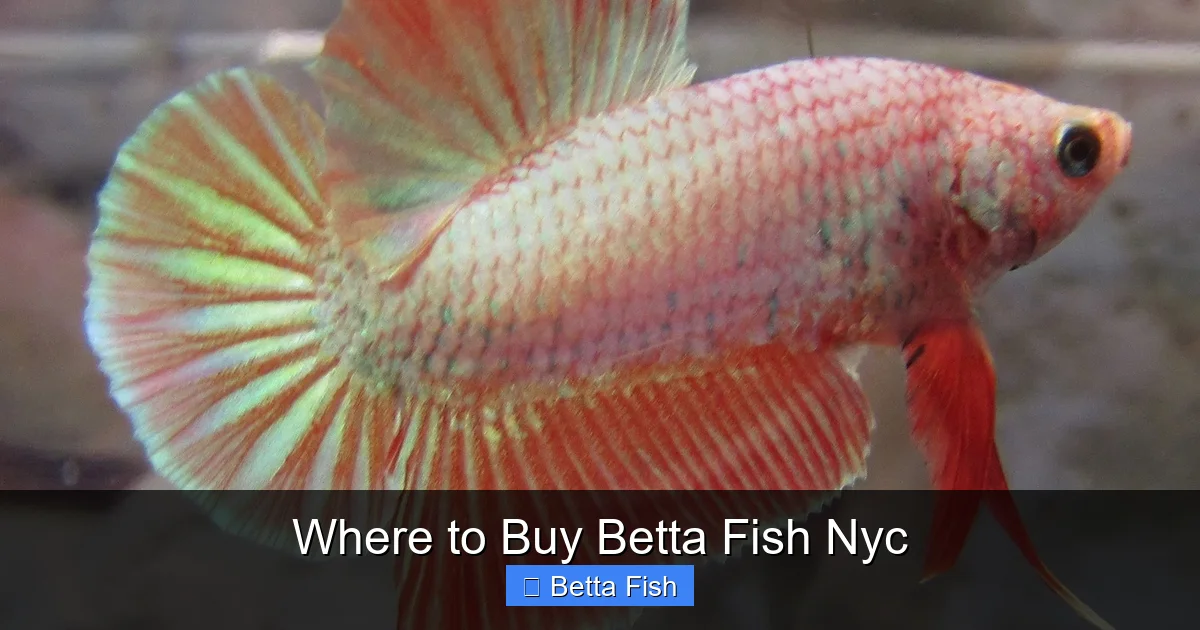
If your priority is finding the healthiest, most vibrant Betta and gaining expert, personalized advice, your search should begin with NYC’s independent aquarium shops. These are the hidden gems, often run by passionate hobbyists who view fish not as commodities but as living creatures.
Visual guide about Where to Buy Betta Fish Nyc
Image source: 4.bp.blogspot.com
What to Expect from a Top-Tier Local Shop
Stepping into a quality local store like Aquatic Designs on the Upper East Side, Fish & Beyond in Brooklyn, or The Fish Bowl in Queens (note: always call ahead for current inventory and hours) is a sensory experience. You’ll typically find:
- Superior Water Quality: The water in display tanks is crystal clear, with minimal algae and no foul odor. Staff perform regular, meticulous water changes.
- Thoughtful Display: Bettas are often housed individually in spacious, filtered containers (not tiny cups) with plants or shelters. They may be kept in a dedicated “Betta bar” with stable, warm water.
- Expert Staff: The person behind the counter can discuss filtration cycles, nitrogen cycles, suitable tank mates (or the lack thereof), and specific dietary needs. They ask you questions about your tank setup before selling you a fish.
- Healthier Stock: These stores often source from higher-quality wholesalers or directly from regional breeders, resulting in fish with better coloration, intact fins, and robust constitutions.
How to Vet a Local Store
Not all local stores are created equal. Use this checklist during your visit:
- Observe the Fish: Are Bettas active, with fins fully extended? Do they have vibrant, even colors? Are their eyes clear? Avoid any store where Bettas are listless, clamped down, or have frayed/rotting fins.
- Smell the Air: A clean, slightly earthy smell is normal. A strong ammonia or “rotten egg” odor indicates poor tank maintenance and toxic water conditions.
- Ask Specific Questions: Pose a technical question like, “What’s the water temperature in your Betta displays?” or “Do you quarantine new fish?” Their answers will reveal their expertise and commitment.
- Look for Setup Supplies: Does the store sell appropriate 5+ gallon tanks, heaters, and gentle filters? If they only sell bowls and “Betta kits,” look elsewhere.
The major benefit of buying locally is the ability to see the exact fish you’ll take home and to build a relationship for future advice and supplies. It supports small NYC businesses invested in the hobby.
Big-Box Retailers: Convenience with Caveats
Petco, PetSmart, and even some Petland locations are ubiquitous and undeniably convenient. They are often the first stop for curious newcomers. While you can absolutely find a healthy Betta at these stores, the process requires diligence and a critical eye.
Visual guide about Where to Buy Betta Fish Nyc
Image source: japanesefightingfish.org
The Reality of Chain Store Fish Departments
These stores operate on high volume. Bettas are typically shipped in from large-scale commercial farms, often overseas, and arrive stressed. They are frequently displayed in small, unheated cups on crowded shelves. The turnover is high, and staff may have limited specialized training in fish health beyond basic care. The “Betta kits” sold here—often a half-gallon bowl with a cheap filter and no heater—are unfortunately one of the worst products for the fish’s welfare.
A Shopper’s Checklist for Chains
If you choose to shop at a chain, become a detective:
- Timing is Everything: Visit mid-week, ideally Tuesday or Wednesday. Avoid weekends when stores are busiest and fish may have been stressed by handling. Ask the staff when their new fish shipment arrives (often a specific day of the week) and come a day or two after, allowing them to acclimate and settle.
- Inspect Every Tank: Don’t just look at the prettiest fish. Check the entire display. If one tank has multiple Bettas with signs of disease (fin rot, ich, velvet), it’s a red flag for overall department health. Fungus or bacteria can spread quickly through a system.
- Demand to See the Back: Politely ask if you can see the holding tanks where new fish are acclimated. A clean, separate system with good filtration is a very positive sign.
- Be Prepared to Wait: If you find a healthy fish, be ready to set up its permanent tank at home first. Do not buy a Betta and then shop for its habitat. The fish should go straight from the store bag to its prepared, cycled tank.
The price point at chains is usually lower, which is a factor. But remember, you often get what you pay for in terms of initial fish health and post-sale support. You are largely on your own for advice.
Online Breeders and Suppliers: A Digital Frontier
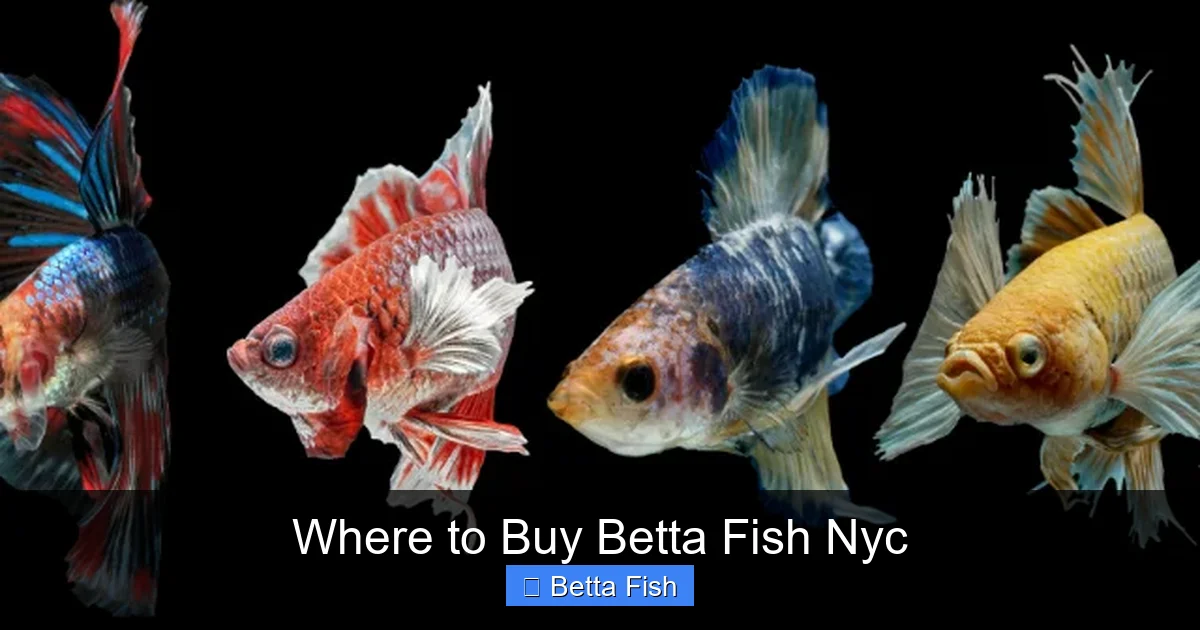
The internet has revolutionized access to specialty Betta varieties. For those seeking specific colors like the metallic “Koi” or fin types like the dramatic “Halfmoon” or “Rosetail,” online breeders are the primary source. This route is for the more prepared hobbyist.

Visual guide about Where to Buy Betta Fish Nyc
Image source: fameimpact.com
The Allure and Risks of Shipping Live Fish
Reputable online breeders like AquaBid (a marketplace), Betta4U, or individual breeders on forums and social media groups raise fish in optimal conditions. They breed for specific traits, health, and vigor. They ship fish in insulated, oxygenated bags within a sturdy box, often with heat packs in cold weather. However, shipping is inherently stressful. Even the best-packaged fish experiences trauma during transit.
How to Choose a Reputable Online Source
- Research Extensively: Look for reviews on forums like Fishlore or Seriously Fish. Ask for references in Betta Facebook groups. A breeder with a public, transparent history is preferable.
- Ask About Their Practices: Do they quarantine new stock? What is their water change routine? Do they treat for internal parasites before shipping? Ethical breeders will happily answer these questions.
- Understand the Quarantine Rule: Never, ever add a newly shipped Betta directly to your main display tank. You must set up a simple, bare “hospital/quarantine tank” (5-10 gallons with heater, filter, and hiding spot) and observe the fish for 2-4 weeks for any signs of disease that shipping may have triggered.
- Factor in Total Cost: The price of the fish plus shipping, plus the cost of a quarantine tank setup, can make this the most expensive initial option. But for a unique, high-quality specimen, many find it worthwhile.
Buying online requires patience. Shipping delays due to weather or holidays happen. But when it works, you can get a spectacular, well-bred Betta that you’d never find on a local store shelf.
The Essential Betta Health Checklist: What to Look For
Regardless of where you buy Betta fish in NYC, your visual inspection is your most powerful tool. Use this checklist for every fish you consider. Carry a small notebook if it helps you remember.
The “Must-Have” Signs of a Healthy Betta
- Vibrant, Even Coloration: Colors should be bright and rich. Faded, pale, or blotchy coloration can indicate stress, poor diet, or illness. Some varieties (e.g., Koi) change color, but the base should still be vibrant.
- Active & Responsive: The fish should be swimming calmly but purposefully. It should respond to your presence near the tank (flaring, coming to the front). A healthy Betta often rests near the surface or on a leaf but will move when stimulated.
- Intact, Flowing Fins: Fins should be whole, without tears, holes, or blackened/rotting edges. They should flow gracefully. Clamped fins (held tightly against the body) are a major red flag for stress or disease.
- Clear, Plump Body: No visible sores, lumps, or protrusions. The body should be torpedo-shaped and smooth. A severely emaciated (“skinnied”) fish is a sign of chronic illness or parasites.
- Bright, Alert Eyes: Eyes should be clear and protruding normally. Cloudy, bulging (pop-eye), or sunken eyes indicate serious health issues.
- Clean, Undamaged Gills: Gills should open and close evenly without labored breathing. Red, inflamed, or “puffy” gill covers are bad signs.
Absolute Red Flags: Walk Away Immediately
- Any visible fungal growth (cotton-like tufts).
- Signs of fin rot (torn, blackened, or dissolving fin edges).
- Scratching or flashing (rubbing against objects) – indicates parasites like flukes or itch.
- Floating upside down, sinking, or inability to swim normally – likely swim bladder disorder.
- Heavy, labored breathing or gasping at the surface – severe water quality issue or gill disease.
- Extreme lethargy, lying on the bottom, unresponsive.
Pro Tip: If a store or breeder is unwilling to let you closely observe the specific Betta you want to purchase, or if they keep their Bettas in visibly poor conditions, take your business elsewhere. You are investing in a living being that could live 3-5 years or more with proper care. The initial health check is paramount.
Setting Up for Success: Your Betta’s Forever Home
You’ve found your perfect fish. Now, before you bring it home, you must create its permanent home. This is non-negotiable. The “where to buy” question is tied inseparably to the “how to care for” question. A beautiful, healthy Betta in a bad tank will suffer and die. A moderately healthy Betta in an excellent tank can recover and thrive.
Destroying the Bowl Myth Forever
Let’s be unequivocal: A Betta fish does NOT belong in a small bowl, vase, or jam jar. This pervasive myth is cruel and deadly. Bettas are tropical fish from the shallow, expansive rice paddies and slow-moving streams of Thailand. They need space, stable water temperature, and filtration. A bowl is a toxic, unheated prison. The minimum recommended tank size is 5 gallons. A 10-gallon is even better and easier to maintain. This provides stable water parameters, dilutes toxins, and allows for gentle filtration and heating—the pillars of Betta health.
The Non-Negotiable Equipment List
- Tank: Glass or acrylic, 5+ gallons. Avoid the “Betta kits” sold at chains; they are almost always inadequate.
- Heater: A fully submersible aquarium heater rated for your tank size. Bettas need a consistent tropical temperature of 78-80°F (25.5-26.5°C). A small, adjustable heater like the Aqueon 50W is a good start for a 5-gallon.
- Filter: A gentle filter is essential for biological filtration (housing beneficial bacteria). A sponge filter (air-driven) is ideal—it provides superb biological filtration with zero current that could tire your Betta. Internal hang-on-back (HOB) filters with a flow control or baffle are also good.
- Thermometer: A separate, stick-on or floating thermometer to verify your heater’s accuracy.
- Water Conditioner: A dechlorinator like Seachem Prime to make tap water safe.
- Substrate & Decor: Smooth gravel or sand. Provide plenty of hiding spots: live or silk plants (avoid plastic with sharp edges), caves, and driftwood. Betta fins are delicate.
- Food: High-quality pellets (New Life Spectrum, Bug Bites) supplemented occasionally with frozen or live daphnia or brine shrimp.
The Cycle is Everything: Before you add your Betta, you must perform the nitrogen cycle. This 4-6 week process establishes beneficial bacteria that convert toxic fish waste (ammonia) into less harmful nitrates. Adding fish to an uncycled tank is the #1 cause of “new tank syndrome” and fish death. You must cycle the tank with a source of ammonia (pure ammonia, fish food) and test water parameters with a liquid test kit (API Master Test Kit). This is the most critical, often overlooked step. Your local specialty store can and should explain this process in detail.
Ethical Considerations: Avoiding the Puppy Mill of the Fish World
The Betta trade, like any pet trade, has a dark side. Large-scale commercial farms in Southeast Asia can house thousands of Bettas in small, dirty jars with poor water quality and high mortality rates. The “cup” you see at the store is often the end of a long, stressful journey. As a consumer, your choice of where to buy sends a market signal.
How to Support Ethical Breeding and Selling
- Prioritize Local & Small-Scale: Support the local shops and breeders who treat their fish with care. Ask them directly about their sourcing.
- Boycott the “Cup”:strong>. While you may rescue a Betta from a cup, do not financially support stores that perpetuate the practice by buying other livestock from them. If a store’s primary Betta display is in cups, it’s a clear indicator of their priorities.
- Value Transparency: Ethical breeders and shops are proud of their setup. They’ll show you photos, answer questions about water parameters, and discuss their quarantine protocols.
- Consider Adoption: Yes, Betta rescues exist! Organizations like Better Betta Rescue (often operating in the NYC metro area) take in unwanted Bettas, rehabilitate them, and adopt them out to screened homes. This is the ultimate ethical choice and often saves a fish from euthanasia.
Your goal as a responsible buyer is to ensure the fish you bring home had a good start in life. By choosing a reputable source and providing a proper home, you break the cycle of suffering for that individual fish and support better practices in the industry.
Conclusion: Your Journey Starts with a Choice
Deciding where to buy Betta fish in NYC is the first and most crucial step in your journey as a Betta keeper. It’s a choice that extends far beyond the initial purchase price or the flashiest color. It’s a choice about ethics, health, and long-term success.
If you seek convenience and are willing to be a very discerning inspector, a big-box store *can* work. For the unparalleled combination of expert advice, healthy stock, and ongoing support, seek out a dedicated local aquarium shop—it’s worth the hunt. If your heart is set on a specific, rare variety and you’re prepared for the additional steps of quarantine, a reputable online breeder opens a world of possibility.
No matter which path you choose, arm yourself with the health checklist, commit to providing a cycled, heated, filtered tank of at least 5 gallons, and educate yourself on the nitrogen cycle before the fish arrives. The vibrant personality and stunning beauty of a well-cared-for Betta are a reward that makes every bit of research and preparation worthwhile. Welcome to the wonderful world of Betta keeping. Choose wisely, prepare thoroughly, and enjoy the mesmerizing company of your new aquatic friend.
Frequently Asked Questions
Can I keep a Betta in a small bowl or vase as advertised?
No. This is a dangerous myth. Bettas need a filtered, heated tank of at least 5 gallons to maintain stable water temperature and quality. Bowls are too small, unheated, and toxic, leading to a shortened, stressed life.
How often should I feed my Betta fish?
Feed your Betta once or twice a day, offering only what it can consume in 2-3 minutes (typically 2-3 high-quality pellets). Overfeeding is a common cause of water pollution and swim bladder issues. Skip a day once a week to give its digestive system a rest.
What is the average lifespan of a Betta fish?
With proper care—meaning a suitable tank, clean water, and a good diet—a Betta fish commonly lives 3 to 5 years, and some even reach 7 or more. Bettas in tiny, unheated bowls often live less than a year.
Can I put other fish with my Betta?
It’s possible but requires careful research. Avoid other Bettas (they’ll fight) and flashy, long-finned fish (they’ll attack them). Suitable tank mates include small, fast schooling fish like neon tetras (in a larger, planted tank) or bottom-dwellers like kuhli loaches. Always have a backup plan, as Betta temperament varies.
How much should I expect to spend to buy and set up a Betta?
The Betta itself can range from $5 (chain store) to $50+ (online breeder for rare types). The essential, permanent setup (5-gallon tank, heater, filter, decor, conditioner) will cost $100-$200 if buying new. This is a one-time investment in the fish’s lifelong welfare.
What is the single most important thing to do before bringing a Betta home?
Setting up and completing the full nitrogen cycle on its permanent tank. You must establish a colony of beneficial bacteria that processes fish waste. Adding a Betta to an uncycled tank exposes it to lethal ammonia spikes. This process takes 4-6 weeks and requires a liquid water test kit to monitor.

