Why Do Betta Fish Fight Each Other
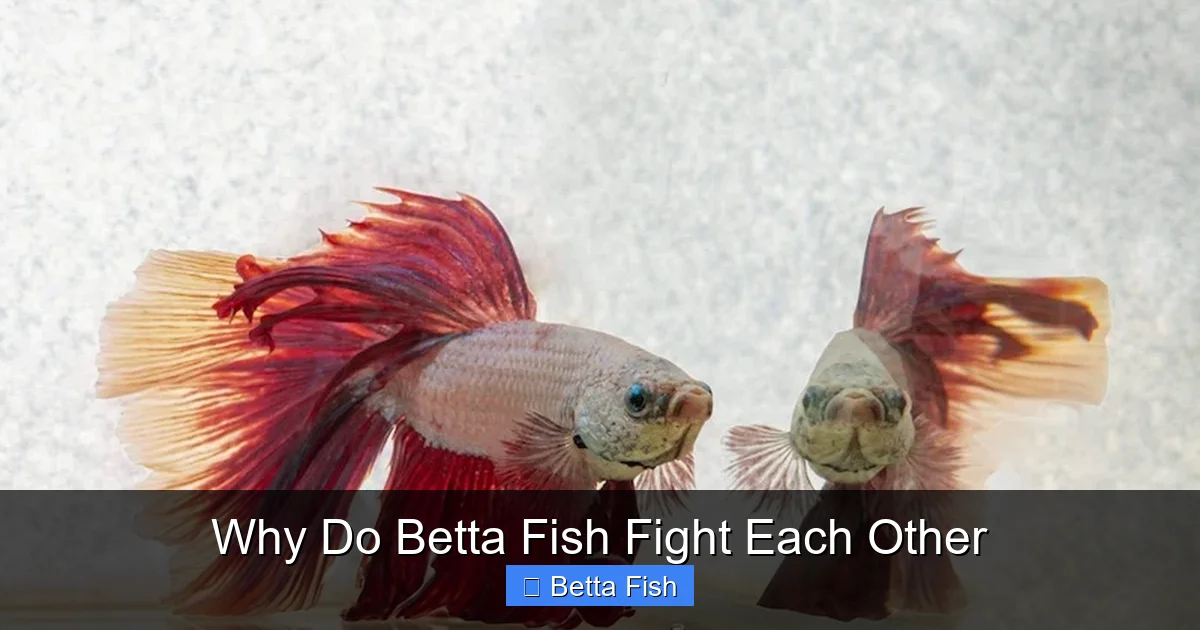
Betta fish fight primarily because of their innate territorial aggression and the need to establish dominance. When confined spaces, visual cues, or the presence of other males trigger their instinctual defense mechanisms, they display vivid flare-ups, flaring fins, and relentless attacks to protect their perceived territory. Understanding these triggers helps hobbyists create peaceful environments and prevent costly injuries.
Why Do Betta Fish Fight Each Other
When you first see a Betta flaring its gorgeous fins, it looks like a tiny piece of living art. Yet, anyone who has kept more than one of these beauties quickly learns that a Betta’s why do betta fish fight each other question is more than just a curiosity—it’s a matter of survival. The next time you spot two Betta males glaring across a divider, you’ll understand the ancient instincts that drive that dramatic showdown.
In this post we’ll walk through the science, the environment, and the little details that turn a peaceful tank into a battlefield. You’ll get practical tips to keep the drama to a minimum while still enjoying the bold personality of these fish. Let’s dive in!
Key Takeaways
- Territorial nature: Betta males defend a defined space, attacking any intruder.
- Visual triggers: Flared fins and bright colors spark aggression toward similar-looking fish.
- Insufficient space: Crowded tanks force encounters, escalating fights.
- Improper gender pairing: Mixing males or placing females with aggressive males leads to battles.
- Stress factors: Poor water quality or sudden changes heighten hostility.
- Preventive barriers: Use dividers or separate tanks to avoid direct contact.
- Monitor behavior: Quick removal of fighting fish prevents injuries and loss.
📑 Table of Contents
The Evolutionary Roots of Aggression
Territorial instincts
Betta fish (Betta splendens) come from the shallow rice paddies of Thailand. In the wild, each male claims a small patch of water, defends it fiercely, and builds a bubble nest for his future offspring. This territoriality is hard‑wired into their DNA, so when two males share a space they instinctively see each other as rivals.
Mate‑competition
During breeding season the competition intensifies. A male will flare, spread his fins, and display his brightest colors to prove he is the strongest. If another male appears, the first one will attack to protect his chance at mating. This is why you often see a Betta “flaring” before a fight – it’s a warning signal.
Female aggression
Most people think only males fight, but female Betta can also be aggressive, especially when they are protecting a bubble nest or feeling cramped. The underlying drive is the same: protect territory and secure the best chance to reproduce.
Environmental Triggers That Spark Battles
Tank size matters
A cramped space makes any fish nervous, but Betta males feel especially threatened. A single 5‑gallon tank might be enough for one male, but two males need at least 10 gallons each, plus plenty of visual barriers. When the water feels too tight, the fish will see every movement as an invasion.

Visual guide about Why Do Betta Fish Fight Each Other
Image source: sharksinfo.com
Water quality and temperature
Stressed Betta are more likely to fight. Poor water quality (high ammonia, low oxygen) or temperatures below 78°F (25.5°C) can irritate them. Keep the water clean, change 25% weekly, and use a heater to maintain a stable temperature.
Lighting and reflections
Bright lights can cause a Betta to mistake its own reflection for another fish, leading to endless flaring. Dimmer lighting or a background that reduces reflections helps calm the fish.
Decor and hiding spots
Providing plenty of plants, caves, and silk “betta hammocks” creates visual barriers. When a Betta can hide, he feels less threatened and is less likely to launch an attack.
How Betta Fish Fight: The Mechanics
Flare and intimidation
Before any physical contact, a Betta will flare its gill covers (opercula) and spread its fins. This makes the fish look larger and signals a willingness to fight. The flare is often accompanied by a rapid rise to the surface, a behavior called “bubble‑nest guarding.”

Visual guide about Why Do Betta Fish Fight Each Other
Image source: aquariumsphere.com
Chasing and nipping
If the rival does not back off, the dominant Betta will chase, darting at high speed and using its mouth to nip at the opponent’s fins. These nips can cause torn fins, loss of color, or even infection if left untreated.
Full‑body collisions
In extreme cases, Betta will ram into each other, using their powerful tail muscles. This can result in serious injuries, especially if the tank has hard décor that can cut delicate fins.
For a more detailed look at the fighting sequence, check out our guide on how Betta fish fight.
Common Misunderstandings About Betta Aggression
“All Betta are aggressive”
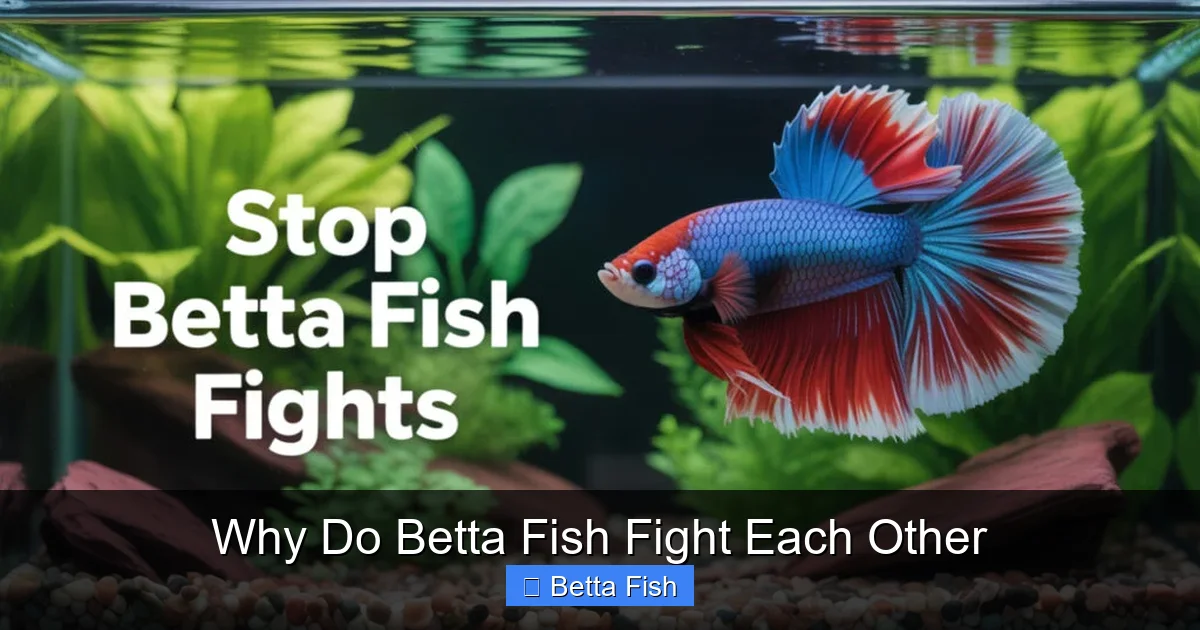
While aggression is a natural trait, not every Betta is a relentless fighter. Some individuals are more tolerant, especially if they have been raised with other fish from a young age. Observing behavior early can help you pick a more peaceful fish.
Visual guide about Why Do Betta Fish Fight Each Other
Image source: petverdict.com
“Female Betta are safe to keep together”
Even females can become territorial, particularly when they are preparing a bubble nest. Pairing two females in a small tank often ends in similar flare‑and‑chase behavior as with males.
“A divider guarantees safety”
Dividers can work, but only if they are sturdy, opaque, and thick enough to prevent visual contact. A thin mesh or clear acrylic may still allow the fish to see each other, leading to continued aggression.
Practical Tips to Prevent Fights
Choose the right tank setup
- Provide at least 10 gallons per male.
- Use live or silk plants to break lines of sight.
- Include caves, driftwood, and “betta hammocks.”
Maintain optimal water conditions
- Temperature: 78‑82°F (25‑28°C).
- pH: 6.5‑7.5.
- Ammonia and nitrite: 0 ppm.
- Regular 25% water changes.
Use visual barriers wisely
Place a solid, non‑transparent divider if you must keep two males in the same tank. Ensure each side has its own filter flow and heating element to avoid “territory drift.”
Monitor and intervene early
Watch for early signs: flaring, rapid swimming to the surface, or a sudden loss of color. If you see these, separate the fish immediately to prevent injuries.
Consider alternative housing
If you love Betta but want a community tank, research species that coexist peacefully, such as small tetras, rasboras, or snail companions. Our article on what other fish can live with Betta fish offers a great starter list.
When Fights Turn Dangerous: What to Do
Identify injuries
Look for torn fins, missing scales, or bleeding spots. Even minor nicks can become infected quickly in warm water.
Treat injuries promptly
- Quarantine the injured fish in a separate hospital tank.
- Use a mild antibacterial dip (e.g., aquarium salt 1 g/L) for 5‑10 minutes.
- Feed high‑quality, easily digestible foods to boost immunity.
Prevent re‑injury
After treatment, keep the fish alone for at least two weeks. Re‑introduce only after both fish have shown calm behavior for several days.
Know when to say goodbye
If injuries are severe—loss of the tail, extensive fin rot, or constant bleeding—the fish may not recover. In such cases, humane euthanasia is kinder than prolonged suffering.
Data Snapshot: Factors Influencing Betta Aggression
| Factor | Low Risk | Medium Risk | High Risk |
|---|---|---|---|
| Tank Size (per male) | 10 gal+ | 5‑9 gal | Under 5 gal |
| Water Temperature | 78‑82 °F | 74‑77 °F | Below 74 °F |
| Visual Barriers | Opaque, solid dividers + plants | Partial barriers | No barriers |
| Gender Combination | Male‑female (breeding pair) | Male‑male (separate tanks) | Male‑male same tank |
| Stress Levels | Calm, active swimming | Frequent flaring | Continuous aggression |
Conclusion
Understanding why do betta fish fight each other is the key to creating a happy, healthy home for these stunning fish. Their aggression is rooted in ancient survival instincts, but with the right tank size, clean water, plenty of hiding spots, and careful monitoring, you can keep the drama low and the colors bright. Remember: a Betta that feels safe will show off its beauty, not its fury.
Next time you set up a Betta tank, think of it as a small piece of a wild rice‑paddy pond—give each fish its own territory, keep the environment clean, and enjoy the spectacular displays of nature’s most flamboyant fighter.
Frequently Asked Questions
Why do betta fish fight each other when placed in the same tank?

Similar Posts
Is Evening Primrose Oil Better Than Fish Oil
Discover if evening primrose oil is better than fish oil for your betta fish. We compare benefits, fatty acids, and dosage so you can choose the best supplem…
Can Betta Fish Vomit
Discover whether betta fish can vomit, what regurgitation looks like, common causes, and when to worry about your betta’s health and eating habits.
Do Betta Fish Need to Live Alone
Comprehensive guide about do betta fish need to live alone. Learn everything you need to know.
How Do I Know If Betta Fish Is Dying
Learn the key signs your betta fish is dying and what to do right away. Discover common symptoms, causes, and how to save your pet fish today.
Does Betta Fish Like Dark
Comprehensive guide about does betta fish like dark. Learn everything you need to know.
How Long Do They Live Betta Fish
Discover how long do they live betta fish and what factors affect their lifespan. Learn proven tips to help your betta thrive for years with proper care.