How to Fix Fin Rot Betta Fish
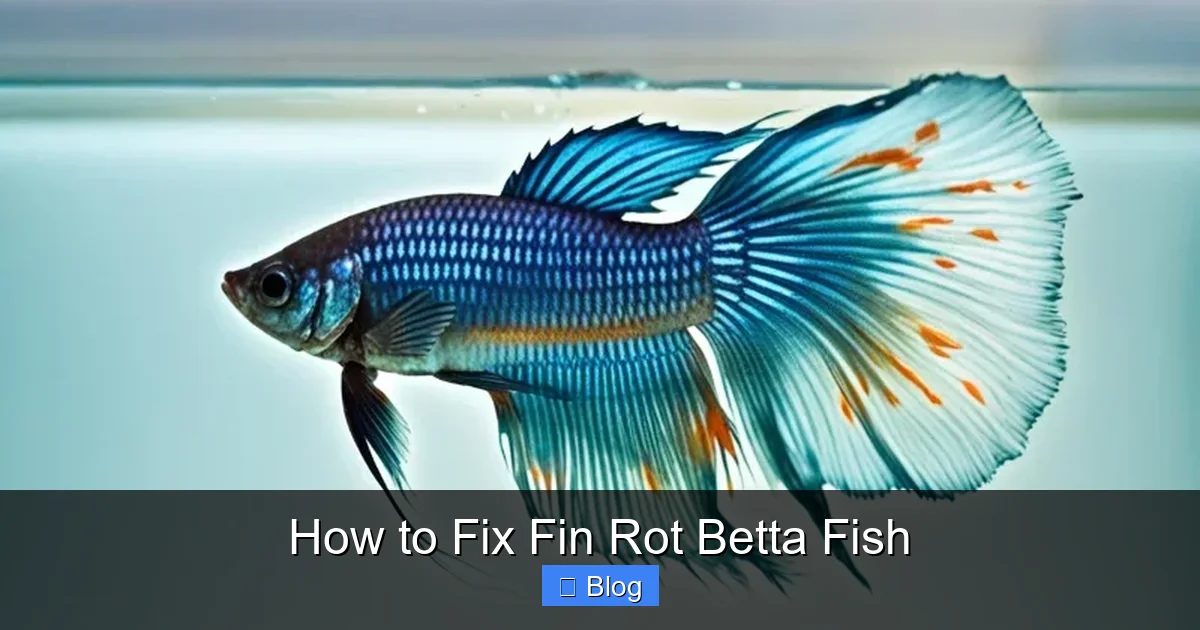
Fin rot is a common but serious bacterial or fungal infection that destroys a betta’s beautiful fins. Fixing it requires immediate action: pristine water, correct medication, and addressing the root cause. With prompt, proper treatment, most bettas can make a full recovery and regrow their fins.
Key Takeaways
- Act Immediately: Fin rot progresses rapidly. The moment you see fraying, discoloration, or rotting, begin treatment.
- Water Quality is #1: Poor water is the primary cause. A 100% water change and a cycled, filtered tank are non-negotiable for treatment and prevention.
- Correct Diagnosis is Crucial: Not all fin damage is fin rot. Rule out fin-nipping, injury, or constipation first to avoid unnecessary medication.
- Use the Right Medication: For bacterial fin rot, use antibiotics like Maracyn II. For fungal, use antifungals like Methylene Blue or Malachite Green. Never mix without understanding the active ingredients.
- Salt Can Help, But Know When: Aquarium salt aids osmoregulation and can kill some pathogens, but it’s harmful to certain fish (like corydoras) and can stress already sick bettas if overdosed.
- Prevention is the Best Cure: Maintain impeccable water quality (ammonia/nitrite = 0, nitrates < 20ppm), avoid overfeeding, and quarantine new tank mates to stop fin rot before it starts.
- Patience is Required: Fin regrowth is slow. You may see improvement in days, but full regrowth can take weeks to months. Maintain treatment and clean water throughout.
📑 Table of Contents
Understanding the Enemy: What Exactly is Fin Rot?
So you’ve looked at your betta fish, that vibrant, flowing prince or princess of the aquatic world, and noticed something is off. The edges of their fins look a little ragged, maybe a bit white or black, and they seem to be shrinking. Your heart sinks. This is likely fin rot, one of the most common—and unfortunately, most misunderstood—ailments in bettas. But before you panic, take a deep breath. Knowing how to fix fin rot in betta fish starts with understanding what it truly is.
Fin rot isn’t a single disease. It’s a symptom of an underlying infection, typically bacterial (like Aeromonas or Pseudomonas), but sometimes fungal. These opportunistic pathogens are almost always present in your aquarium water in small numbers. They’re like tiny, lazy villains. When the environment is clean and your betta is healthy, their immune system keeps these villains in check. Fin rot happens when that balance is shattered. The villains seize the opportunity, invade the delicate fin tissue, and begin consuming it from the edges inward. It’s a process of decay, hence “rot.”
The key takeaway here is this: you are not just fighting the infection on the fin; you are fighting the conditions that allowed the infection to take hold. Treating the symptom without curing the cause is like mopping up a flood without turning off the tap. We’ll cover both. First, let’s make sure we’re even dealing with fin rot.
Is It Really Fin Rot? Ruling Out Other Fin Damage
Jumping straight to medication without a proper diagnosis is a common and often costly mistake. Not every torn or frayed fin is fin rot. Here’s your quick diagnostic checklist:
- Fin Nipping/Tearing: Does your betta have tank mates? Even supposedly “peaceful” fish like tetras or barbs can nip at a betta’s long, flowing fins, causing physical damage. This damage looks like clean splits or chunks missing, often with no accompanying discoloration or fuzzy growth. The solution is often separation, not medication.
- Constipation/Bloat: A severely constipated betta can have trouble swimming, leading them to crash into decorations and tear their fins. Look for a swollen belly and lack of poop. The treatment is fasting and daphnia, not antibiotics.
- Injury: Sharp decorations or filter intakes can cause tears. Check the tank setup. If the tear is clean and not progressing, it may heal on its own with clean water.
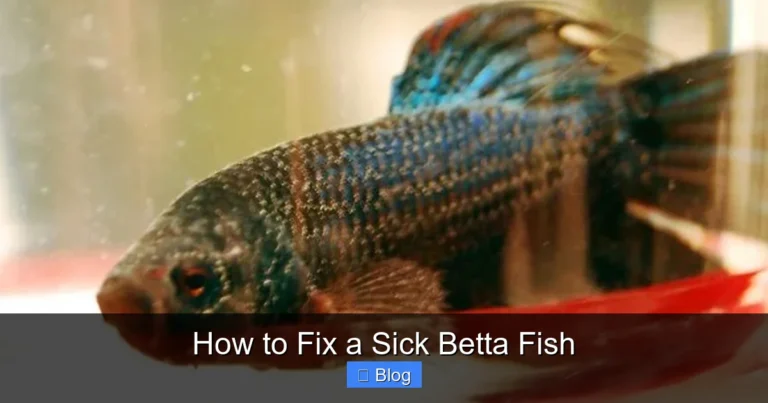
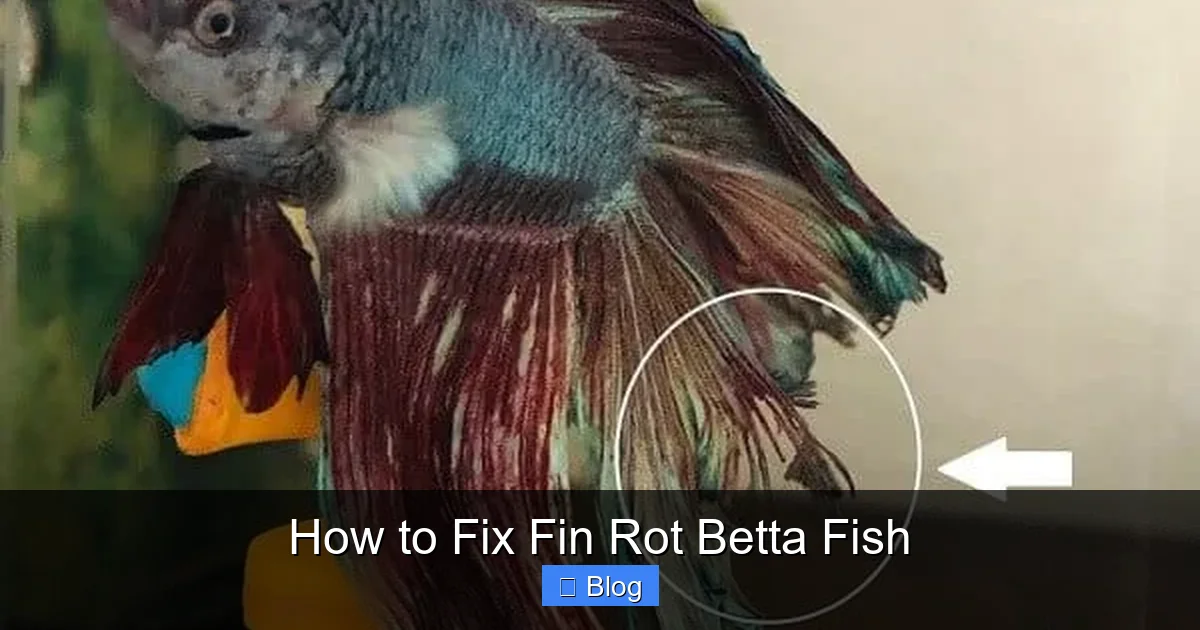
- True Fin Rot Signs: The edges of the fin appear eaten away, frayed, or shredded, like a torn piece of paper. You’ll often see a distinct color change at the leading edge—it may turn white, translucent, gray, black, or red. The tissue may look necrotic (dead) and can sometimes have a fuzzy, cotton-like appearance (indicating a secondary fungal infection). It progresses daily, getting worse if untreated.
If the damage is localized, not spreading, and there’s no discoloration, observe for 24-48 hours. If it’s clearly rotting and spreading, it’s time for emergency protocols.
Emergency Protocol: The First 24 Hours
Diagnosis confirmed or highly suspected? Time is of the essence. The next 24 hours set the stage for recovery. Do not delay.
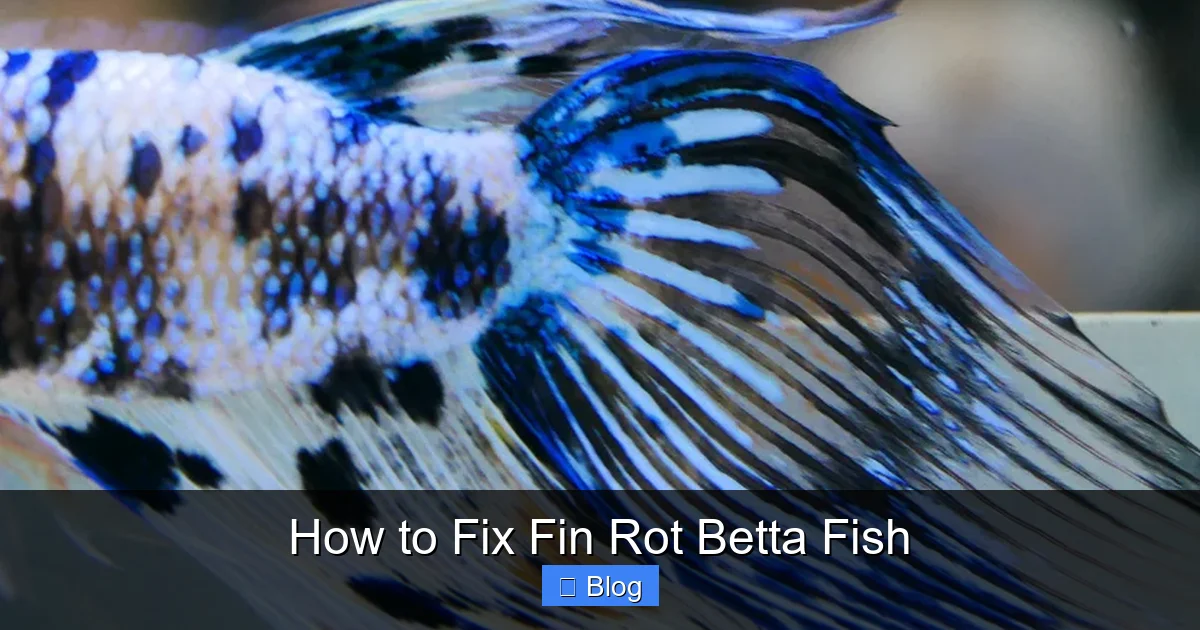
Visual guide about How to Fix Fin Rot Betta Fish
Image source: japanesefightingfish.org
Step 1: Immediate Water Change & Quarantine
This is the single most important step. The pathogenic load (number of bad bacteria/fungi) in your tank water is off the charts.
- Prepare a Hospital Tank: Ideally, you have a small, separate “hospital” or quarantine tank (2.5-5 gallons) ready. If not, a clean, food-safe container will do in a pinch. This allows for targeted treatment, protects any tank mates, and prevents reinfection from the main display tank’s biofilter.
- Water for the Hospital Tank: Use pre-treated, dechlorinated water that matches the temperature of your main tank (78-80°F is ideal for bettas). Do not use water straight from the tap. Condition it with a water conditioner that removes chlorine, chloramines, and heavy metals.
- The Transfer: Gently net your betta and place them in the hospital tank. Do not transfer any gravel, filter media, or decorations from the main tank—they are loaded with the pathogens.
- The Massive Water Change: In your main tank, perform a 50-75% water change immediately. This dilutes the massive amount of pathogens and removes any waste products that are stressing your fish. Clean the glass and any decor with hot water (no soap!).
Step 2: Assess and Optimize Water Parameters (The Foundation)
Fin rot is a water quality disease. Full stop. You cannot cure it in bad water. If you don’t have a liquid water test kit (like the API Freshwater Master Test Kit), get one immediately. It’s the most important tool in your fishkeeping arsenal.
- Target Parameters for Treatment:
- Ammonia (NH3/NH4+): 0 ppm
- Nitrite (NO2-): 0 ppm
- Nitrate (NO3-): < 20 ppm (ideally as close to 0 as possible during treatment)
- pH: Stable between 6.5-7.5 (bettas are adaptable, but stability is key)
- Temperature: 78-80°F (25.5-26.5°C). A slightly elevated temperature (to 80°F) can boost the immune response and speed healing, but do not exceed 82°F as it reduces oxygen levels and stresses the fish.
- How to Achieve This: In the hospital tank, you will be doing daily 50% water changes with perfectly conditioned water. This is labor-intensive but critical. It removes waste, drugs down pathogen counts, and maintains pristine water. Use a gravel vacuum to siphon any debris from the bottom.
Step 3: Begin Medication (The Right One)
Now we target the infection. Choosing the wrong medication is ineffective and can even harm your fish by adding unnecessary stress.
- Rule of Thumb: If the rot looks white/translucent and fuzzy, suspect fungus. If it looks black, gray, or red and mushy, suspect bacteria. Often, it’s a mixed infection.
- For Suspected Bacterial Fin Rot (Most Common): Your go-to is an antibiotic. Maracyn II (Minocycline) is widely regarded as the best OTC antibiotic for treating gram-negative bacteria like Aeromonas, the usual culprit. Follow package dosing precisely. Typically, it’s 1 packet per 10 gallons, administered for 5-7 days, with a 100% water change and redose before each treatment. Important: Remove any carbon filter media during antibiotic treatment, as it will absorb the medication.
- For Suspected Fungal Fin Rot: Use an antifungal. Methylene Blue or Malachite Green (often sold as “Fungus Eliminator” or similar) are effective. These are typically used as a bath treatment (e.g., 1-2 ml per gallon of a 1% solution) for 30-60 minutes daily in a separate container, then return to clean hospital water. Extreme caution: These dyes are potent and can harm beneficial bacteria and invertebrates. Use only in a bare hospital tank.
- Broad-Spectrum & Natural Options: Kanaplex (Kanamycin) or Furan 2 (Nitrofurazone) are also excellent broad-spectrum antibiotics. API Melafix or Pimafix are natural antibacterial/fungal remedies. They are gentler but often too weak for moderate-severe infections; best used for very early stages or as a preventative after the main infection is cleared.
- Never Mix Medications unless the label explicitly states it’s safe. You will poison your fish.
The Treatment Phase: Daily Care and Monitoring
You’ve set up the hospital tank and started medication. Now the grind begins. Success here depends on consistency.
Visual guide about How to Fix Fin Rot Betta Fish
Image source: japanesefightingfish.org
The Daily Routine: Your New Normal
For the next 1-2 weeks, this is your schedule:
- Morning: Observe your betta for 5 minutes. Note any changes. Is the rot spreading? Is there new growth at the edges? Is the fish eating? Is it clamped, lethargic, or gasping? Take a photo daily to track progress objectively.
- Water Change: Perform a 50% water change in the hospital tank. Use a siphon to clean the bottom. Replace with freshly conditioned, temperature-matched water. This is your #1 weapon against pathogens.
- Medication Redose: If using a bath treatment (like Methylene Blue), move your betta to a clean container with the medicated bath water for the specified time. After the bath, return them to the freshly changed hospital water (no medication in the main hospital water for bath treatments). If using a tank-wide treatment like Maracyn II, add the new dose after the water change.
- Feed Sparingly: Offer a tiny amount of high-quality, easily digestible food (like soaked pellets or frozen daphnia) once a day. Remove any uneaten food immediately. Overfeeding fouls the water instantly.
- Evening: Quick check. Ensure filter (if used) is running gently, and the water is clear.
What to Expect: The Healing Process
Do not expect instant results. Healing is a process.
- Days 1-3: The rot may appear to worsen slightly as the medication kills pathogens and the dead tissue sloughs off. This is normal. The key sign of hope is that the advancing front of the rot slows or stops. The clear line of destruction should not move significantly inward each day.
- Days 4-7: The decay should halt. You may see a small, clear or whitish membrane begin to form over the raw, damaged fin edges. This is new, protective skin (epidermis) beginning to form. The fish’s activity level and appetite should improve.
- Week 2+: The clear membrane will start to show tiny, translucent rays—the very beginning of fin regrowth. It will look like a faint, ghostly outline of the fin. This is your sign to continue. Growth is incredibly slow, often just a few millimeters per week.
Critical: Do not stop treatment the moment you see improvement. Continue the full course of medication (usually 5-7 days minimum) and daily water changes for at least 3-5 days after all signs of active rot (mushy tissue, color change, spreading) have completely disappeared. This ensures the last vestiges of infection are eradicated.
Advanced Considerations: When Basic Treatment Isn’t Enough
Sometimes, fin rot is stubborn or compounded by other issues. Here’s how to handle complications.
Visual guide about How to Fix Fin Rot Betta Fish
Image source: japanesefightingfish.org
Severe, Deep Rot or “Body Rot”
If the infection has moved beyond the fins and is affecting the fish’s body—causing sores, holes, or a slimy, decaying patch on its side—this is a critical emergency. This is systemic.
- Action: You must use a broad-spectrum antibiotic that treats internal infections, such as Kanaplex or Furan 2. These are absorbed through the skin and gut. Follow dosing for a full 10-14 days. Water changes are even more vital (100% daily if possible).
- Consider Euthanasia: If the body rot is advanced, the fish is emaciated, and there is no improvement after 3-4 days of proper antibiotic treatment, the humane choice may be euthanasia to prevent prolonged suffering. Use a rapid, humane method like an overdose of Clove Oil in a small container.
The Salt Debate: To Salt or Not to Salt?
Aquarium salt (NaCl) is a classic fishkeeping remedy. Its benefits for fin rot are debated, but here’s the nuanced truth:
- Potential Pros: In very low, short-term doses (1 tbsp per 5 gallons), salt can reduce osmotic stress on the fish, help them retain fluids, and create an environment less hospitable to some pathogens. It can be a mild supportive therapy.
- Significant Cons: Bettas are freshwater fish, not saltwater. Their kidneys are not designed to process salt long-term. It can cause renal stress and failure if used continuously. It also kills live plants and is toxic to invertebrates (shrimp, snails). Most importantly, it does not cure a bacterial infection. It’s a band-aid, not a cure.
- Verdict: If you choose to use it, limit it to the first 2-3 days of treatment in a bare hospital tank, at a low dose (1 tsp per 5 gallons). Remove it with water changes thereafter. Prioritize clean water and proper medication over salt. For most moderate-severe cases, it’s unnecessary and potentially harmful.
Prevention: Building a Fortress Against Future Outbreaks
You’ve nursed your betta back to health. Now, the most important lesson: ensure it never happens again. Prevention is 100x easier than cure.
1. The Gold Standard: The Cycled, Filtered Tank
This cannot be overstated. A “betta in a bowl” is a death sentence. Your betta needs:
- A Minimum 5-Gallon Tank: Larger volumes dilute toxins and provide stable parameters.
- A Gentle Filter: A sponge filter is perfect for bettas—it provides biological filtration (harbors good bacteria) without creating a strong current that stresses them. A hang-on-back filter with a flow diffuser also works.
- A Fully Cycled Tank: This means establishing a colony of beneficial bacteria that consume toxic ammonia and nitrite. This process takes 4-6 weeks. You must test water (ammonia & nitrite = 0) before adding your betta. An uncycled tank is constantly poisoning your fish, suppressing its immune system and inviting fin rot.
2. Impeccable Maintenance Routine
- Weekly Water Changes: 25-30% weekly in a cycled, filtered tank. Never skip this.
- Gravel Vacuum: During water changes, vacuum the substrate to remove uneaten food and waste, which decomposes into ammonia.
- Filter Maintenance: Rinse filter media in old tank water (not tap water) once a month to preserve beneficial bacteria.
- Test Regularly: Test your water parameters at least once a week with a liquid test kit. Test strips are notoriously inaccurate.
3. Stress Reduction & Proper Husbandry
- No Tank Mates (Usually): Most bettas are best kept alone. If you must add peaceful, short-finned tank mates (like a single snail or a female betta in a species-only sorority tank), monitor constantly for nipping.
- Hideouts and Plants: Provide silk or live plants and decorations with no sharp edges. This gives your betta security and reduces stress.
- Correct Feeding: Feed high-quality pellets or frozen foods 2-3 times a day, only what they can eat in 2-3 minutes. Overfeeding is a leading cause of poor water quality and constipation.
- Temperature Stability: Use a reliable aquarium heater with a thermostat. Avoid placing the tank in drafty areas or near windows.
Conclusion: Patience, Diligence, and Hope
Fixing fin rot in your betta fish is a marathon, not a sprint. It’s a test of your observation skills, your commitment, and your understanding of aquatic ecosystems. The path is clear: diagnose accurately, act swiftly with clean water and correct medication, and address the root cause of poor water quality. There will be days where you feel discouraged, watching the slow, painstaking process of fin regrowth. But then you’ll see it—a tiny, new ray of fin, a flash of the vibrant color returning. That’s your victory. That’s the result of your care.
By conquering fin rot, you don’t just save your betta’s fins; you gain a deeper mastery of fishkeeping. You learn that the health of your aquatic pet is a direct reflection of the environment you provide. So, take a deep breath, grab your test kit and water conditioner, and begin. Your betta is counting on you, and with the right steps, you can help them recover their magnificent fins and thrive once more.
Frequently Asked Questions
Can fin rot spread to other fish?
Yes, fin rot is contagious. The bacteria and fungi that cause it are present in all aquariums but only cause infection in stressed fish or those with injuries. A fish with active, visible fin rot is shedding massive amounts of pathogens into the water, putting tank mates at risk, especially if they are also stressed or injured. Always quarantine a sick betta in a separate hospital tank for treatment.
How long does it take for a betta’s fins to grow back?
Fin regrowth is a slow process. You should see the active infection stop within 3-7 days of proper treatment. New fin tissue, starting as a clear membrane, may begin to appear in 1-2 weeks. Full regrowth to the original length and fullness can take several weeks to 4-6 months, depending on the severity of the initial rot, the betta’s age, and nutrition. Patience is essential.
Should I use Melafix or Pimafix for fin rot?
Melafix (tea tree oil) and Pimafix (pau d’arco) are natural antibacterial/fungal remedies. They are excellent for very early-stage fin rot or as a preventative/tonic after the main infection is cleared with a stronger antibiotic. For moderate to severe fin rot, they are generally not potent enough on their own and can allow the infection to worsen. Start with a proven antibiotic like Maracyn II for active infections.
Is salt good for treating fin rot?
Aquarium salt can be used as a short-term supportive treatment (1 tsp per 5 gallons for 2-3 days) to reduce osmotic stress. However, it is not a cure for the bacterial infection itself. Long-term salt use is harmful to freshwater fish like bettas, can kill live plants, and is toxic to invertebrates. Prioritize clean water and proper medication over salt.
My betta’s fin rot came back after treatment. Why?
A recurrence almost always points to an unresolved underlying cause. The most common reason is persistent poor water quality—the tank is not properly cycled, or maintenance is inconsistent. Other causes include: a tank mate that nips, an injury from a sharp decoration, or an untreated internal issue like constipation or parasites that weakened the fish’s immune system. You must identify and fix the root problem to prevent a relapse.
When should I consider euthanizing my betta?
Euthanasia is a humane, compassionate last resort. Consider it if: the infection has become systemic (“body rot”) with large, open sores; the betta is emaciated, lethargic, and gasping despite aggressive treatment; or if the fish shows no improvement after 3-4 days of correct, full-dose antibiotic treatment for a severe infection. Prolonged suffering is not a胜利. A quick, peaceful end is kinder. Consult a veterinarian or use a clove oil overdose method.