How to Cook a Betta Fish
This article addresses a critical misunderstanding: betta fish are beloved pets, not food. Cooking a betta fish is unethical, often illegal, and harmful to the animal. Instead, we explore the cultural context of tiny fish dishes and provide guidance on how to ethically source and cook small, sustainable fish species that are actually intended for consumption, ensuring both culinary enjoyment and animal welfare.
Key Takeaways
- Betta fish are companion animals: They are domesticated pets, bred for beauty and personality, not for food. Cooking one is comparable to cooking a dog or cat.
- Legal and ethical prohibitions: Many jurisdictions have laws against cruelty to pets. Intentionally harming a betta for food would violate animal welfare statutes and basic ethics.
- Cultural context is key: Some cultures consume very small, wild-caught fish whole. This is entirely different from capturing and cooking a domesticated, ornamental betta.
- Ethical alternatives exist: If interested in cooking small fish, seek species like anchovies, smelts, or whitebait, which are fished sustainably for human consumption.
- Proper betta care is paramount: If you own a betta, provide a heated, filtered tank, a varied diet of quality pellets and frozen foods, and enrichment.
- Never flush or harm unwanted pets: If you can no longer care for a betta, responsibly rehome it. Do not release it into the wild or consider it as a food source.
- Respect all living creatures: The foundation of good cooking is respect—for ingredients, for sustainability, and for the lives of animals, whether they are in our homes or in our meals.
📑 Table of Contents
- The Critical Clarification: Betta Fish Are Not Food
- Why a Betta Fish is a Pet, Not a Plate
- The Culinary World of Very Small Fish: A Cultural Exploration
- Practical Cooking Methods for Small, Edible Fish
- A Simple, Respectful Recipe: Crispy Pan-Fried Smelts
- The Responsible Chef’s Manifesto: Ethics on the Plate
- Conclusion: Redirecting Curiosity into Compassionate Cooking
The Critical Clarification: Betta Fish Are Not Food
Before we dive into any culinary techniques, an absolutely essential and non-negotiable point must be made with the utmost clarity: you should not, and must not, cook a betta fish. The phrase “how to cook a betta fish” is a profound misnomer that stems from a dangerous confusion between a cherished companion animal and a food source. Betta fish, also known as Siamese fighting fish, are one of the most popular pet fish in the world. They are bred for their spectacular fins, vibrant colors, and distinct personalities. They are not a species harvested for human consumption. To consider cooking one is ethically equivalent to considering cooking a hamster, a parakeet, or a family dog.
This article will first explain in detail why cooking a betta is wrong and harmful. Then, in recognition that the search query exists, we will pivot to the culinary topic that is likely being sought: how to cook very small, edible fish species that are sometimes consumed whole. We will explore the cultural dishes that feature tiny fish, discuss sustainable sourcing, and provide a framework for preparing these ingredients respectfully and deliciously. Our goal is to redirect curiosity toward ethical and sustainable culinary practices while firmly protecting these amazing little pets.
Why a Betta Fish is a Pet, Not a Plate
The Domestication and Purpose of the Betta
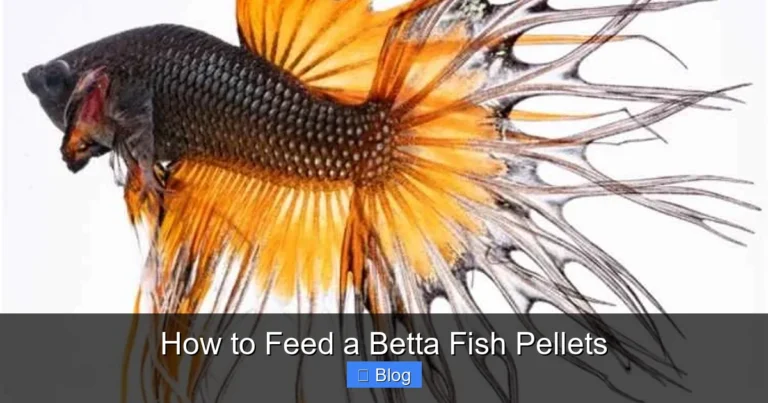
Betta splendens has been selectively bred for centuries, originally in Thailand (formerly Siam) for fighting contests. Over the last hundred years, the focus has shifted dramatically toward ornamental breeding. The flowing, lace-like fins and colors like royal blue, fiery red, and iridescent green are the result of generations of careful human selection for aesthetics. Their entire biological and behavioral profile is that of a domesticated animal. They thrive in warm, clean freshwater environments, have specific dietary needs (high-protein pellets, frozen brine shrimp, daphnia), and can recognize their caregivers. They are not a schooling fish caught in mass by nets from the ocean; they are individual creatures kept in solitary aquariums for companionship.
Visual guide about How to Cook a Betta Fish
Image source: infoanimales.net
Legal Protections and Animal Welfare
In many countries and states, animal cruelty laws extend to vertebrates, including fish. Intentionally causing suffering or death to a pet betta without justification (such as humane euthanasia for incurable suffering) could be prosecuted as animal abuse. Beyond legality, there is a deep ethical breach. We bring bettas into our homes with an implicit contract of care. They rely on us entirely for their wellbeing. To betray that trust by ending their life for a meal is a profound violation of that responsibility.
The Environmental Impact of a Misguided Idea
If someone were to try to source “betta fish” to cook, they would likely be stealing or purchasing pet store bettas. This creates a perverse market incentive that could lead to the breeding of bettas for food, a wasteful and cruel diversion of resources. The ornamental fish trade, while not without its own ethical challenges regarding breeding and shipping, exists because people want pets. Conflating it with the food fish industry muddles important distinctions about sustainability and animal purpose.
The Culinary World of Very Small Fish: A Cultural Exploration
What Are They Actually Looking For?
The search intent behind “how to cook a betta fish” likely overlaps with interest in dishes featuring tiny, whole, crispy fish. In many coastal and riverine cultures around the world, catching and frying small, bony fish is a traditional, economical, and sustainable practice. These are not pet fish. They are wild-caught species that are abundant and are harvested at a size where the entire fish is edible, bones and all. Common examples include:
- Anchovies: Small, silvery fish of the Engraulidae family. Used globally, from Italian puttanesca to Korean anchovy stock.
- Sprats: Often called “brisling” sardines. Small, oily, and rich in omega-3s.
- Smelts: Delicate, mild-flavored fish, often fried whole. “Smelt” is a common term for many small, silvery species.
- Whitebait: A culinary term for the juvenile stages of various small fish (like sardines, herring). A prized delicacy in places like New Zealand, Italy, and the UK, often simply battered and fried.
- Nori (Japanese): While we know it as seaweed, in some regional dialects, “nori” can refer to tiny, dried fish mixed with seaweed for seasoning.
These fish are caught in vast numbers from the wild, where their populations are managed. Their life cycle is short, and they are a foundational part of marine and freshwater food webs. This is the legitimate, centuries-old culinary tradition that someone might be curious about.
How to Ethically Source Tiny Fish
If you wish to explore cooking these types of fish, sourcing is your first ethical step.
- Buy from reputable fishmongers: Look for vendors who can tell you the species, catch method, and origin. Ask if they are MSC (Marine Stewardship Council) certified or from well-managed fisheries.
- Frozen is often fresher: Unless you live on the coast, high-quality frozen small fish (like flash-frozen smelts or anchovies) are likely fresher than “fresh” fish that has been on ice for days.
- Avoid bycatch: Some whitebait fisheries have been criticized for high bycatch (catching non-target juvenile fish). Research the specific product. In some regions, like New Zealand, whitebait fishing is strictly regulated and seasonal.
- Never use pet store fish: Reiterate: fish from aquarium stores are pets. Period.
Practical Cooking Methods for Small, Edible Fish
The Universal Rule: Cook Them Whole
The entire point of these small fish is that you eat them whole—scales, bones, guts, and all. The bones are so small and soft after proper cooking that they are completely edible and a great source of calcium. The key is a quick, high-heat cook that crisps the exterior and cooks the interior through without drying it out.
Visual guide about How to Cook a Betta Fish
Image source: thumbs.dreamstime.com
Method 1: Pan-Frying (The Classic)
This is the most common and rewarding method. You achieve a perfect crispy skin and tender meat.
- Prep: Pat the fish completely dry with paper towels. If frozen, thaw and pat dry. Lightly dust with flour or a very thin layer of cornstarch. Season generously with salt and pepper.
- Pan: Use a heavy skillet (cast iron is ideal). Heat 1/4 inch of neutral oil (canola, vegetable, peanut) until shimmering but not smoking. The oil should sizzle immediately when a fish touches it.
- Cook: Add fish in a single layer, do not crowd. Fry for 1-2 minutes per side, until golden brown and crispy. They cook incredibly fast.
- Serve: Drain on paper towels. Sprinkle with flaky sea salt. Serve immediately with lemon wedges. They are often eaten with your fingers, head and tail included.
Method 2: Deep-Frying (For Maximum Crisp)
For a lighter, all-over crispiness, deep frying is excellent.
- Batter: A simple beer batter or tempura-style batter works well. Keep it light.
- Oil: Heat oil to 350-375°F (175-190°C). Use a thermometer.
- Fry: Dip fish in batter, let excess drip off, and carefully lower into oil. Fry for 2-3 minutes until golden and floating.
- Drain: On a wire rack over a baking sheet (keeps them crisp) or paper towels.
Method 3: Baking (A Healthier Option)
For a hands-off, less-oily method.
- Prep: Toss dried fish with a tiny bit of oil, salt, pepper, and maybe paprika or garlic powder.
- Cook: Spread on a parchment-lined baking sheet. Bake at 400°F (200°C) for 10-12 minutes, flipping halfway, until crispy and golden.
Method 4: In Sauces and Stocks
Anchovies and sardines are often used as flavor bases.
- Pasta sauces: Finely chop anchovies and sauté with garlic and olive oil until they dissolve into the oil, adding immense umami.
- Stocks: Simmer a handful of dried anchovies or smelts with water, onions, and carrots for a deeply savory fish stock.
A Simple, Respectful Recipe: Crispy Pan-Fried Smelts
Let’s put the theory into practice with a clear recipe for a legitimate food fish. This recipe assumes you have purchased 1 lb of cleaned, fresh or frozen smelts (or similar small fish like whitebait or sprats).
Visual guide about How to Cook a Betta Fish
Image source: buildyouraquarium.com
- Ingredients:
- 1 lb small, whole fish (smelts, cleaned)
- 1/2 cup all-purpose flour
- 1 tsp kosher salt
- 1/2 tsp black pepper
- Vegetable or canola oil for frying
- Lemon wedges and flaky sea salt for serving
- Instructions:
- Thaw fish if frozen. Place on a plate lined with paper towels and pat them extremely dry. Any moisture will cause the oil to splatter and prevent crispiness.
- In a shallow bowl or plate, mix flour, salt, and pepper.
- Dredge each fish lightly in the flour mixture, shaking off excess. You want a whisper-thin coating.
- Heat 1/4 inch of oil in a heavy skillet over medium-high heat until it shimmers and a drop of water sizzles violently.
- Fry fish in a single layer, without crowding, for 1-2 minutes per side, until deep golden brown and crispy. Work in batches if necessary.
- Transfer to a paper towel-lined plate to drain briefly.
- Serve immediately on a platter, sprinkled with flaky sea salt, with lemon wedges on the side. Eat with your fingers, crunching the entire fish.
Pro Tip: The crispiness lasts about 5 minutes. So fry, serve, and eat right away! This is a dish of immediate, joyful gratification.
The Responsible Chef’s Manifesto: Ethics on the Plate
Choosing what to cook is a moral act. Every ingredient has a story—a life, an ecosystem, a laborer, a transport chain. As cooks, we wield the power to support or undermine systems of cruelty, sustainability, and respect. Cooking a pet betta is a clear violation of this responsibility. Here is how to align your cooking with positive values:
- Know Your Source: Ask questions. Where did this fish come from? Is the species abundant? Is the fishing method low-impact? If you can’t get an answer, don’t buy it.
- Value the Whole Animal: When you buy a whole fish, you commit to using it all—the fillets, the bones for stock, the head for sauce. This is the ultimate respect for the life taken.
- Prioritize Sustainability: Use guides like the Monterey Bay Aquarium’s Seafood Watch. Choose fish that are not overfished and are caught or farmed in ways that minimize habitat destruction and bycatch.
- Reduce Waste: The goal of cooking tiny fish whole is inherently low-waste. Apply this philosophy to all your cooking.
- Celebrate Plant-Based Meals: The most ethical and sustainable meal is often the one without animal products. Explore the incredible world of vegetable-forward cooking as a regular part of your repertoire.
Cooking is an act of love—love for the people you feed, love for the culture you’re honoring, and love for the planet that sustains us. Let that love guide your choices in the kitchen, from the grandest feast to the simplest pan-fried fish.
Conclusion: Redirecting Curiosity into Compassionate Cooking
The query “how to cook a betta fish” points to a gap in understanding, not a culinary opportunity. It is our hope that this article has firmly closed that gap. A betta fish is a living being deserving of care, enrichment, and a long life in a properly maintained aquarium. Its beauty is to be observed, its personality to be enjoyed, not its body to be consumed. The desire to cook small, whole fish, however, is a valid and delicious culinary curiosity rooted in real global traditions. We encourage you to channel that interest into the ethical exploration of anchovies, smelts, whitebait, and other species that are genuinely part of the human food chain. Learn to source them sustainably, master the quick pan-fry, and savor the crispy, salty, umami-rich reward. In doing so, you become not just a cook, but a conscientious participant in a food system that can be both delightful and respectful. Let your kitchen be a place of joy, creativity, and compassion.
Frequently Asked Questions
Can you really cook and eat a betta fish?
No. Betta fish are domesticated pets, not a food species. Intentionally harming and cooking a pet betta is unethical, potentially illegal under animal cruelty laws, and causes unnecessary suffering. They are not raised or caught for human consumption.
What tiny fish are actually safe and ethical to cook?
Ethical options include wild-caught, sustainably managed species like anchovies, sprats, smelts, and legally harvested whitebait. These are small, oily fish where the entire fish is eaten after quick cooking. Always source from reputable fishmongers who can verify sustainable practices.
How do you know if a small fish is a pet or a food fish?
Food fish are sold by fishmongers, seafood markets, or in the frozen aisle of grocery stores with clear labeling (e.g., “smelts,” “anchovies”). Pet fish are sold in aquarium stores, pet stores, or by private breeders for keeping in tanks. Never buy a fish from a pet store for the purpose of eating it.
What is the easiest way to cook very small fish?
Pan-frying is the simplest and most effective method. Pat the fish very dry, dust lightly with flour, and fry in hot oil for 1-2 minutes per side until golden and crispy. The bones will be soft and edible. Serve immediately with lemon and salt.
I have a betta fish I can no longer care for. Can I cook it?
Absolutely not. This is animal cruelty. You have a responsibility to responsibly rehome your pet. Contact local aquarium societies, fish stores, or experienced betta keepers to find a new, loving home. Never release a pet fish into the wild.
Are there any health risks to eating tiny whole fish?
For approved food species from clean waters, the risks are low and are outweighed by nutritional benefits (calcium from bones, omega-3s). The main considerations are ensuring the fish is from a non-polluted source (to avoid heavy metals) and that it is cooked thoroughly to kill any potential bacteria. This is why sourcing from reputable suppliers is crucial.