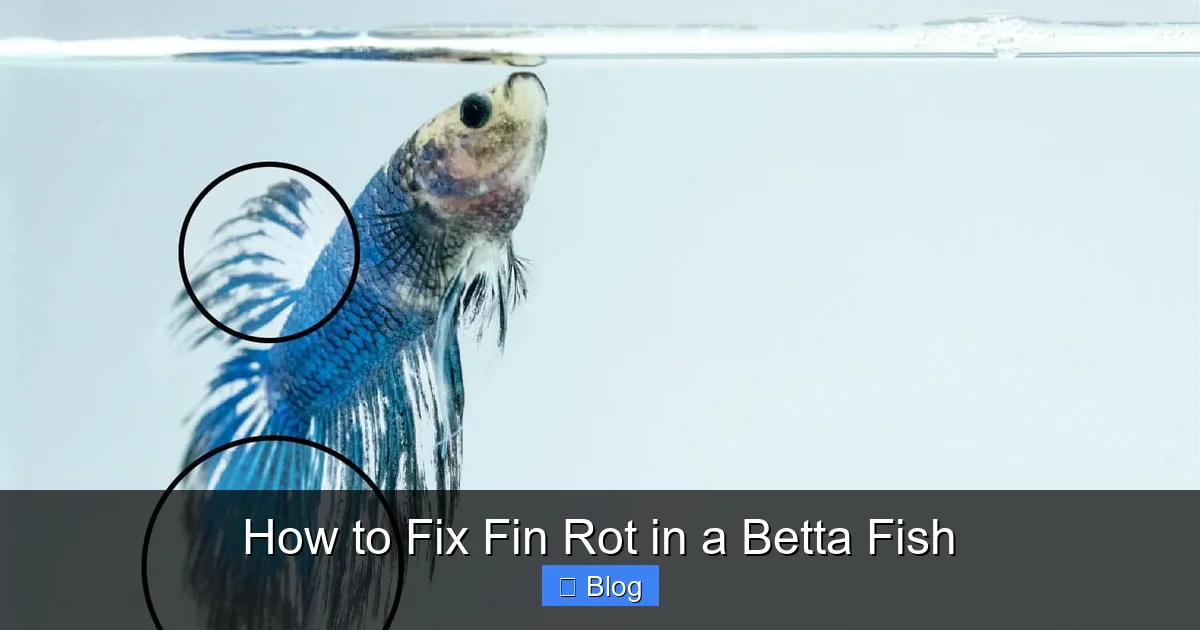
How to Fix Fin Rot in a Betta Fish
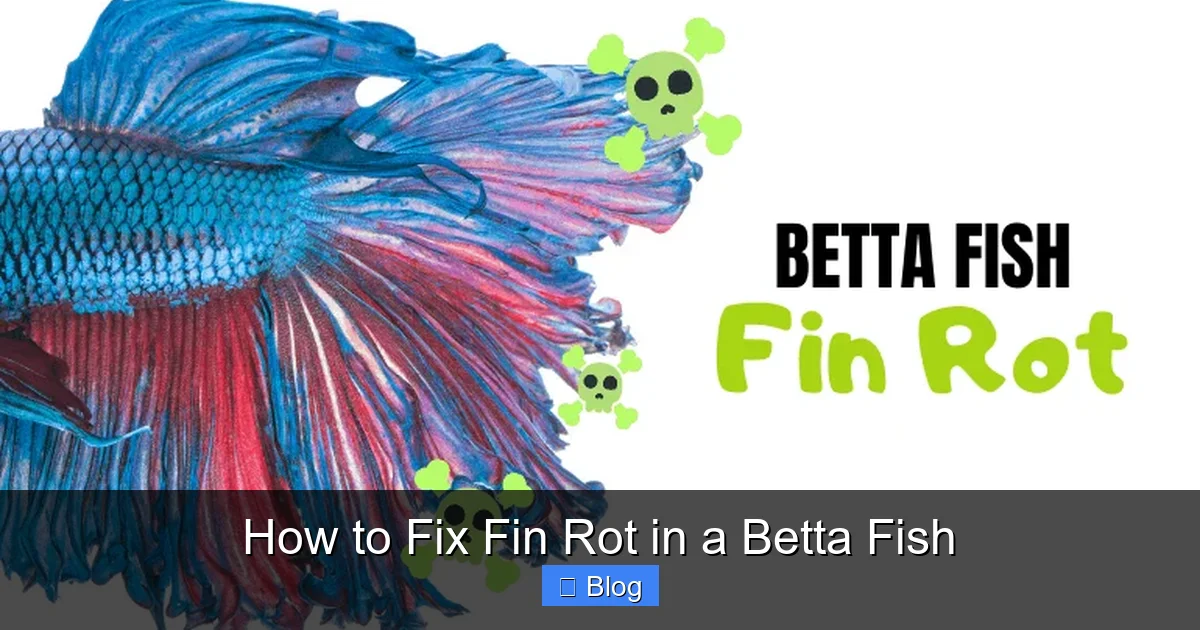
Fin rot is a common but serious bacterial or fungal infection that can destroy a betta’s beautiful fins if left untreated. The key to fixing it is immediate action: improve water quality, isolate the fish, and administer the correct medication. With consistent care and a clean environment, most bettas can make a full recovery and regrow their fins.
Key Takeaways
- Recognize the Signs Early: Look for frayed, ragged, or discolored fin edges (white, red, or black), often with a “rotting” or “melted” appearance.
- Water Quality is Non-Negotiable: Poor water is the primary cause. Immediate partial water changes (25-50%) are the first and most critical step in treatment.
- Isolate the Sick Betta: Move the affected fish to a dedicated hospital tank to prevent spreading infection and to allow for precise medication dosing.
- Medicate Correctly: Use a broad-spectrum antibacterial or antifungal medication (like Maracyn or Methylene Blue) specifically for fin rot, following dosage instructions precisely.
- Salt Can Help, But Be Cautious: Aquarium salt can reduce stress and osmoregulate, but never use table salt and monitor your betta’s reaction closely.
- Prevention is the Best Cure: Maintain pristine water with regular changes, avoid overfeeding, provide a properly sized tank with a filter, and never house bettas with aggressive tank mates.
- Patience is Required: Fin regrowth is slow. You may see improvement in a week, but full recovery can take several months. Continue treatment until fins are fully healed.
📑 Table of Contents
- Understanding Fin Rot: Your Betta’s Silent Enemy
- Step 1: Immediate Action & Diagnosis
- Step 2: The Foundation of Treatment – Water Changes
- Step 3: Medication – Choosing and Applying the Right Treatment
- Step 4: Supportive Care & Adjunct Treatments
- Step 5: The Road to Recovery – Fin Regrowth & Long-Term Prevention
- When to Call in the Big Guns: Consulting a Vet
- Conclusion: Your Betta’s Second Chance
Understanding Fin Rot: Your Betta’s Silent Enemy
Seeing your vibrant betta fish’s flowing fins develop tears, discoloration, or a ragged, melting appearance is a heart-stopping moment for any owner. This condition, known as fin rot, isn’t just a cosmetic issue—it’s a painful and progressive infection that, if ignored, can lead to severe tissue damage, systemic illness, and tragically, death. But here’s the most important thing to know: fin rot is highly treatable, especially when caught early. Your calm, swift, and consistent action is the difference between a full recovery and a tragic loss. This guide will walk you through every single step, from identification to triumphant fin regrowth.
What Exactly *Is* Fin Rot?
Fin rot is not a single disease but a symptom of an underlying infection, typically bacterial (like Pseudomonas or Aeromonas) or fungal. These opportunistic pathogens are always present in aquariums in low numbers but take hold when a fish’s immune system is compromised. The infection literally “eats away” at the delicate fin tissue, causing it to deteriorate. It often starts at the fin edges but can work its way toward the body if the root cause isn’t addressed.
The Primary Culprit: Poor Water Quality
While stress from poor diet, bullying, or temperature fluctuations can predispose a betta to fin rot, the number one cause is consistently dirty water. Betta fish are often sold in tiny, unfiltered cups, creating a myth that they are “low-maintenance.” In reality, they are tropical fish native to shallow, warm, but clean waters of Southeast Asia. In a small, uncycled bowl, ammonia and nitrites build up rapidly, burning their fins and suppressing their immune system, creating a perfect entry point for pathogens. Fixing the water is step zero of fixing fin rot.
Step 1: Immediate Action & Diagnosis
Time is of the essence. The moment you notice fin damage, spring into action. Delaying even 24 hours can allow the infection to gain a stronger foothold.
Visual guide about How to Fix Fin Rot in a Betta Fish
Image source: fishlab.com
Isolate Your Betta Immediately
If your betta is in a community tank, move it to a dedicated hospital tank right away. This serves two crucial purposes: first, it prevents the infection from spreading to other fish. Second, it allows you to treat the betta with strong medications without harming other tank inhabitants or beneficial bacteria in a main display tank. A simple 5-gallon tank with a heater and a gentle sponge filter is ideal for a hospital setup.
Conduct a Water Test
Grab your liquid water test kit (strip tests are notoriously inaccurate). Test for Ammonia, Nitrite, Nitrate, and pH. In a healthy, cycled tank, Ammonia and Nitrite should always be at 0 ppm. If you detect any level of ammonia or nitrite, you have confirmed the primary stressor. Nitrates should be below 20 ppm. This test result is your roadmap—it tells you exactly how bad the water situation is and how aggressively you need to perform water changes.
Assess the Severity
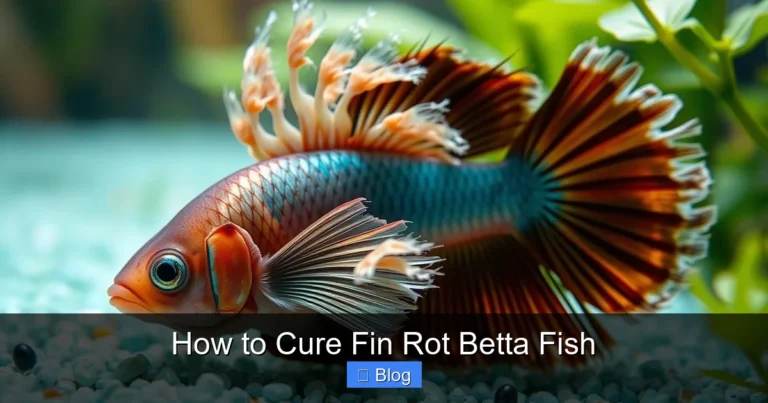
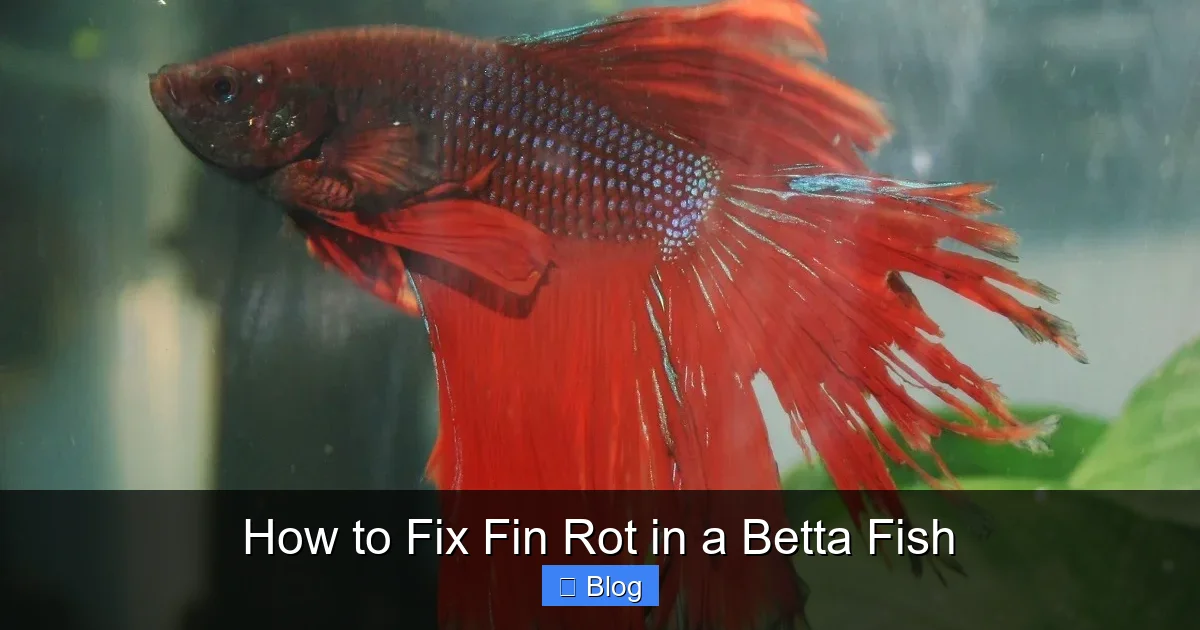
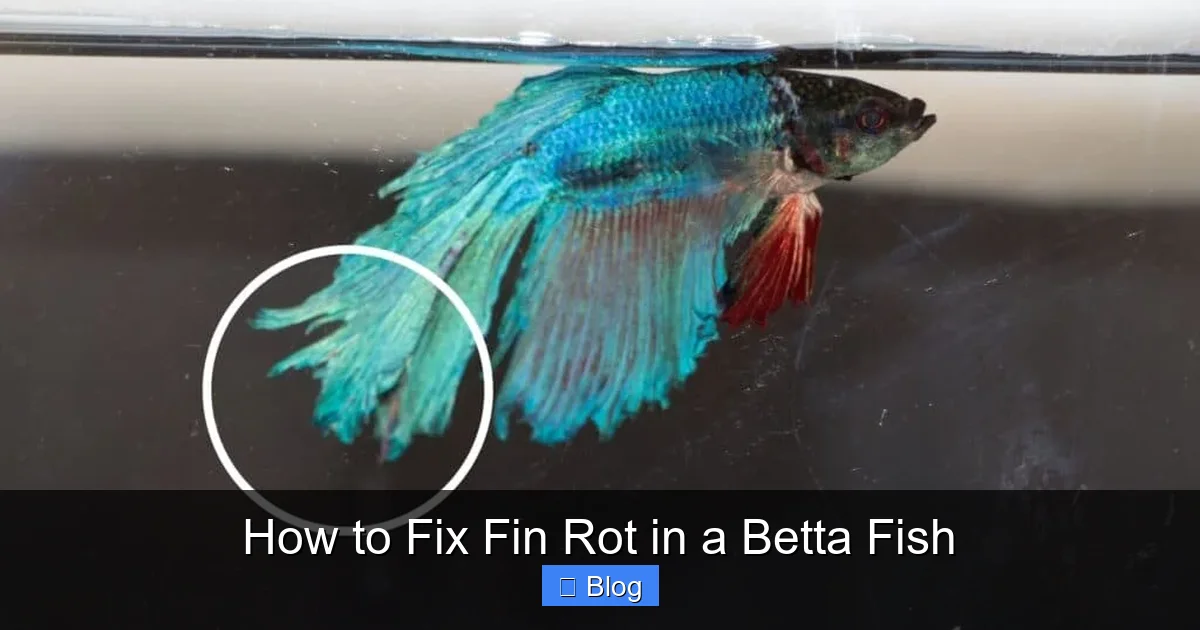
Take a close look. Is the rot just affecting the very tips of the fins, or is there significant tissue loss? Is there white, fuzzy growth (suggesting fungus) or just red, inflamed, stringy edges (suggesting bacteria)? Is your betta lethargic, clamped, or not eating? Mild fin rot (just a few millimeters of fraying) responds very well to basic care. Advanced fin rot (large chunks of fin missing, body rot, lethargy) requires aggressive pharmaceutical intervention and carries a graver prognosis. Documenting with a photo every few days helps track progress.
Step 2: The Foundation of Treatment – Water Changes
No medication will work in toxic water. Cleaning the environment is the single most important thing you can do. Think of it as cleaning a wound before applying a bandage.
Visual guide about How to Fix Fin Rot in a Betta Fish
Image source: bettasource.com
How to Perform a Therapeutic Water Change
For the first 3-5 days, you will perform 50% water changes daily in your hospital tank. Here’s the correct method to avoid shocking your fish:
- Prepare the Water: Fill a clean container with fresh, dechlorinated water. Use a water conditioner that neutralizes chlorine, chloramines, and heavy metals. Match the temperature of the new water to the tank water (within 1-2 degrees Fahrenheit) to avoid thermal shock.
- Remove the Old Water: Use a gravel vacuum or siphon to remove 50% of the tank water. Gently stir the substrate to release any trapped debris, but avoid disturbing your betta directly.
- Add Clean Water Slowly: Pour the new, treated water back into the tank slowly, perhaps using a cup to drip it in or aiming the stream at a decoration to diffuse it. This prevents stressing the fish with strong currents.
- Repeat Daily: Consistency is key. This dilutes any remaining pathogens, ammonia, and nitrites, giving your betta a fighting chance.
The Role of Filtration (and Why a Sponge Filter is Best)
Your hospital tank absolutely needs a filter to maintain biological stability. However, a standard hang-on-back or power filter with a strong current can stress a sick, weak betta and damage its already fragile fins. The solution is a sponge filter, powered by an air pump. It provides excellent mechanical and biological filtration with a gentle, bubble-driven flow that bettas can easily swim against. It also houses beneficial bacteria that help process waste.
Step 3: Medication – Choosing and Applying the Right Treatment
Once the water is being consistently cleaned, you introduce medication to target the specific infection. Using the wrong medication can be ineffective or even harmful.
Visual guide about How to Fix Fin Rot in a Betta Fish
Image source: bettasource.com
Bacterial vs. Fungal Fin Rot: How to Tell
While it’s not always clear-cut, there are visual clues:
- Bacterial Fin Rot: Fin edges appear ragged, as if torn or shredded. The base of the fins may be red, inflamed, or have black spots (melanization). There is rarely any fuzzy growth. It often progresses quickly.
- Fungal Fin Rot: Fin edges are also ragged, but you will often see distinct white, cotton-like or fluffy growth on the damaged tissue. It may appear more “patchy.” Fungal infections are common after the initial bacterial damage has occurred.
Often, a mixed infection is present. This is why broad-spectrum treatments are popular starting points.
Recommended Medications & How to Use Them
1. Antibacterial Medications (For Suspected Bacterial Rot):
- Maracyn (Erythromycin) or Maracyn 2 (Minocycline): These are industry-standard, broad-spectrum antibiotics effective against gram-negative bacteria like Pseudomonas. They come in powder or tablet form. Dosing is critical: Follow package directions based on your tank’s exact volume. Typically, you dose the full amount for the first day, then a half-dose for the next 4-5 days. Always remove the carbon filter (if present) during treatment, as it will absorb the medication.
- Kanamycin-based treatments: Another potent antibiotic often found in combo medications.
2. Antifungal Medications (For Suspected Fungal Rot or as a Follow-up):
- Methylene Blue: A classic, safe antifungal and mild antibacterial. It also helps prevent secondary infections. It stains everything blue and can be used as a tank soak or a dip. A common tank dose is 1-3 drops per gallon of a 1% solution.
- Malachite Green: A powerful antifungal, but it is more toxic and can be harsh on a weakened fish. Use with extreme caution and only for severe fungal cases.
3. The “Kitchen Sink” Approach – Combination Medications:
Products like API Fin & Body Cure or Seachem Kanaplex are designed to treat a wide spectrum of bacterial and fungal infections commonly responsible for fin rot. They are often the easiest starting point for beginners. Read the label carefully for contraindications (e.g., not for use with invertebrates).
Administering Medication Safely: A Step-by-Step
- Do a Water Change First: Perform your daily 50% water change before medicating. This removes organic waste that can neutralize the medication.
- Dose Precisely: Use the exact volume of your hospital tank. Over-dosing can poison your fish; under-dosing creates resistant bacteria.
- Remove Carbon/Filters: If your filter contains activated carbon, remove it. Carbon will absorb the medication, rendering it useless.
- Increase Aeration: Some medications (like antibiotics) can deplete oxygen in the water. Add a second air stone or increase airflow from your sponge filter.
- Complete the Full Course: Even if fins look better after 3 days, finish the entire recommended treatment period (usually 5-7 days minimum). Stopping early allows resilient bacteria to rebound.
- Observe Closely: Watch your betta for signs of distress (gasping, lethargy, loss of equilibrium). If this occurs, perform an immediate 30% water change to dilute the medication.
Step 4: Supportive Care & Adjunct Treatments
Medication is the main weapon, but supportive care helps your betta’s immune system win the battle faster.
The Aquarium Salt (AUS) Debate
Aquarium salt is a controversial but often helpful tool. It reduces stress by helping the fish maintain its osmotic balance (less energy spent on regulating fluids) and can have mild antimicrobial properties. The Rules of Using Salt:
- ONLY use pure Aquarium Salt or Marine Salt. Never, ever use table salt, which contains iodine and anti-caking agents toxic to fish.
- Dose Correctly: The general rule is 1 tablespoon per 5 gallons of water. Dissolve it in a cup of tank water first before adding to the tank.
- Do Not Use with Live Plants: Salt will damage most freshwater plants.
- No Salt with Certain Meds: Some medications (like those containing copper) interact poorly with salt. Check medication labels.
- Do Not Use Long-Term: Betta fish are not saltwater fish. Prolonged exposure can harm their internal organs. Use for 7-10 days max during an active infection episode.
A low, consistent dose of AUS during treatment can be beneficial for many bettas. Start with a half-dose and observe.
Optimizing the Hospital Tank Environment
Your sick betta needs a stress-free recovery suite.
- Temperature: Raise the temperature to 80-82°F (27-28°C). This speeds up the fish’s metabolism and immune response, and also speeds up the lifecycle of many pathogens (making them more vulnerable to medication). Increase slowly by no more than 2 degrees per day.
- Hiding Places: Provide a smooth, non-abrasive hideout (like a ceramic pot or a live plant like Anubias) so your betta feels secure. Stress hinders healing.
- No Substrate (Optional but Helpful): In a small hospital tank, using a bare bottom makes it incredibly easy to vacuum all waste during water changes, ensuring no “gunk” is harboring bacteria.
- Lighting: Dim the lights. Bright light can be stressful for a sick fish.
Step 5: The Road to Recovery – Fin Regrowth & Long-Term Prevention
Once the infection is under control (usually within 1-2 weeks, with fins stopping their deterioration), the long journey of regrowth begins. This is where patience truly pays off.
What to Expect During Healing
Do not expect your betta’s fins to look perfect overnight. The first sign of recovery is that the fin rot stops progressing. The ragged edges will stop receding. Then, you may see a faint, translucent “film” or a white, waxy edge at the damage site—this is new fin tissue called the “fin ray” beginning to form. It will be thin and fragile. Over the next several weeks to months, this new fin will slowly elongate, fill in, and develop its full color and flow. Do not be alarmed if the new fin looks different—it often has a slightly different shape or color pattern than the original. That’s normal.
Post-Recovery Maintenance: Breaking the Cycle
The goal is to never see fin rot again. This requires a fundamental shift in husbandry if your betta was previously in poor conditions.
- Permanent Home: Upgrade to a proper tank. A minimum of 5 gallons is the undisputed standard for a single betta. Larger is always better. This volume dilutes toxins and provides stable water parameters.
- Cycled Tank: Your tank must be fully cycled. This means establishing a colony of beneficial bacteria that converts toxic ammonia to less harmful nitrates. This process takes 4-6 weeks. Do not put a fish in an uncycled tank. Use a water test kit to confirm ammonia and nitrite are at 0 ppm before considering the cycle complete.
- Filter & Heater: A gentle filter (like a sponge filter) is mandatory. A stable heater to maintain 78-80°F is non-negotiable for tropical bettas.
- Routine Water Changes: In a cycled 5-gallon tank, perform a 25% water change weekly. In a cycled 10+ gallon, 25% every two weeks may suffice. Always use a dechlorinator.
- Diet: Feed high-quality pellets or frozen foods (daphnia, bloodworms) once or twice a day, only what they can eat in 2-3 minutes. Overfeeding fouls water quickly.
When to Call in the Big Guns: Consulting a Vet
There are times when home treatment is not enough, and professional intervention is necessary for your betta’s survival.
- No Improvement After 5-7 Days: If you have been meticulously performing water changes and using the correct medication with no sign of the rot halting, the infection may be resistant or incorrectly diagnosed.
- Advanced Systemic Infection: If your betta is extremely lethargic, laying on its side, has lost all appetite, shows signs of body rot (erosion along the body), or has cloudy eyes (pop-eye), the infection has likely spread internally. This requires injectable antibiotics, which only a vet can provide.
- Recurring Fin Rot: If fin rot keeps coming back despite perfect water conditions, there could be an underlying internal issue (like a parasite or organ dysfunction) that needs diagnostic testing.
Seek out an aquatic veterinarian or a vet with experience in exotic pets. They can prescribe stronger, targeted medications like injectable antibiotics or medicated baths that are not available over-the-counter. It may seem extreme for a betta, but for a devoted owner, it’s a worthwhile investment in their companion’s life.
Conclusion: Your Betta’s Second Chance
Fixing fin rot is a commitment. It’s a multi-week process of diligent water maintenance, precise medication, and creating a peaceful healing environment. But the reward is immense. Watching those beautiful, flowing fins slowly but surely grow back is one of the most satisfying experiences in fishkeeping. You are not just treating an infection; you are giving your betta a second chance at a healthy, vibrant life. The principles you learn—the paramount importance of water quality, the need for proper cycling, and the value of a suitably sized tank—form the unshakable foundation of responsible fishkeeping. By conquering fin rot, you become a more knowledgeable, capable, and confident betta guardian.
Frequently Asked Questions
Is fin rot contagious to other fish?
Yes, the bacteria and fungi that cause fin rot are contagious and can spread to other fish, especially those that are stressed or have compromised immune systems. This is why immediate isolation of the affected betta in a hospital tank is the first critical step in treatment and prevention.
How long does it take for a betta’s fins to grow back after fin rot?
Fin regrowth is a slow process. You should see the active infection halt within 1-2 weeks of proper treatment. Visible new fin tissue may appear in 2-3 weeks. However, complete regrowth to the original length and fullness can take anywhere from 2 to 6 months, depending on the severity of the original damage and the fish’s overall health.
Can I treat fin rot without medication?
For very mild, early-stage fin rot, extremely rigorous and consistent water changes (50% daily) combined with optimal water temperature and pristine water quality can sometimes be enough for a strong betta to fight off the infection on its own. However, for moderate to severe cases, medication is almost always necessary to eliminate the pathogenic infection. Relying solely on water changes for advanced rot often results in a poor outcome.
How often should I do water changes during treatment?
During the active treatment phase (first 1-2 weeks), perform a 50% water change every single day in the hospital tank. After the infection appears to be clearing up, you can reduce to 25% every other day for a week, then gradually transition to a standard maintenance schedule of 25% weekly once fins are showing consistent regrowth and no new damage occurs.
Is salt good for fin rot?
Aquarium salt (AUS) can be a helpful supportive treatment. It reduces stress on the fish’s osmoregulatory system and has mild antimicrobial properties. The correct dose is typically 1 tablespoon per 5 gallons. However, it is not a standalone cure and must be used alongside water changes and often medication. Never use table salt, and do not use it long-term or with live plants.
Will a betta’s fins grow back to normal after fin rot?
Yes, in the vast majority of cases where the infection is successfully treated and the underlying cause (poor water) is corrected, a betta’s fins will regrow completely. The new fin rays may be slightly different in shape or pattern than the original, but they will regain their full length, color, and flowing beauty. The key is eliminating the infection permanently and maintaining perfect water quality throughout the regrowth period.