How to Choose a Healthy Betta Fish
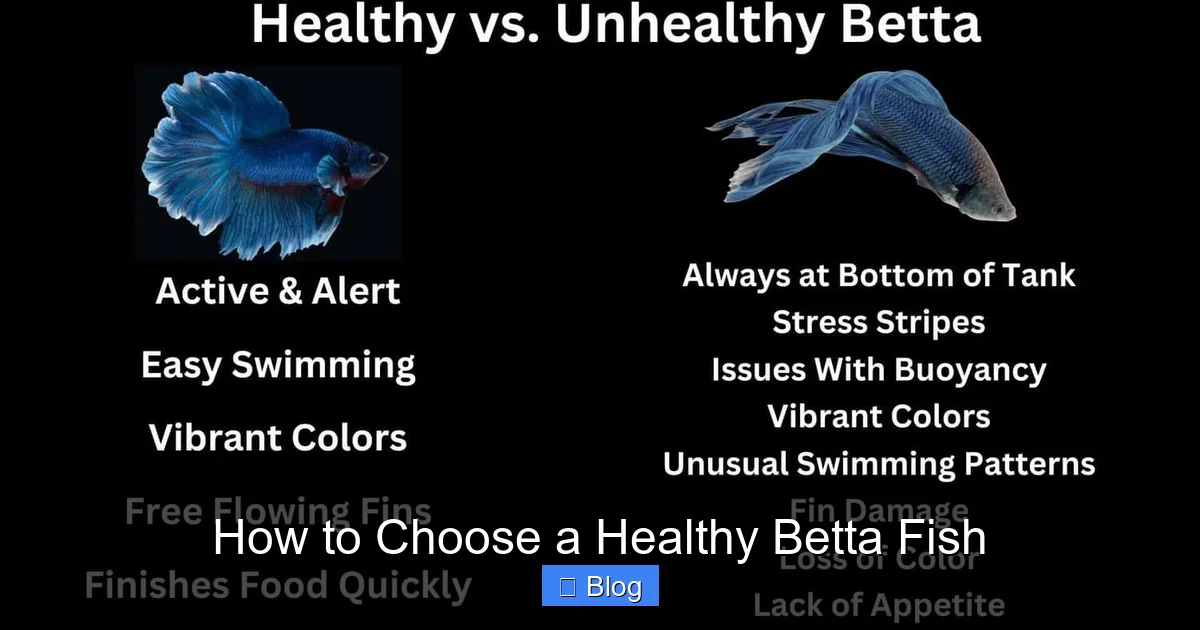
Choosing a healthy betta fish is the critical first step to a long, joyful relationship with your aquatic pet. It’s not just about pretty colors; it’s about observing active behavior, clear eyes, undamaged fins, and a clean environment. Always buy from reputable sources that prioritize fish welfare over sheer volume. A careful selection process prevents heartbreak and costly vet bills down the line, setting you up for success from day one.
So, you’ve decided to welcome a betta fish, a magnificent little jewel with a personality as vibrant as its colors, into your home. You’ve researched tank setups, filters, and heaters. You’ve picked out the perfect decor. But before you even think about water parameters, there’s one absolutely crucial decision that will make or break your experience: how to choose a healthy betta fish. Bringing home a sickly or stressed betta is a surefire path to heartache, frustration, and unexpected expenses. This guide will walk you through every step, from where to shop to what to look for under the glass, ensuring your new companion starts its life with you on the right fin.
Key Takeaways
- Observe Behavior First: A healthy betta is alert, curious, and may even flare at its reflection. Lethargy or constant hiding is a major red flag.
- Inspect Physical Condition: Look for clear, bright eyes; intact, flowing fins free of tears or rot; and smooth, intact scales with no visible sores or lumps.
- Check the Environment: The cup or tank should be clean, with pristine water. Dirty, cloudy water or excessive waste indicates poor husbandry and stressed fish.
- Beware of Common Ailments: Learn to spot signs of velvet (golden dusting), fin rot (ragged, blackened edges), dropsy (pinecone-like scales), and swim bladder issues.
- Source Matters: Prioritize dedicated betta breeders, high-quality local fish stores (LFS), or reputable online sellers over big-box retailers where fish are often poorly cared for.
- Ask About Quarantine: A responsible seller quarantines new arrivals. Ask if the betta has been observed for at least 30 days away from other fish.
- Trust Your Gut: If something feels off—the fish looks ill, the tank is dirty, or the staff is unknowledgeable—walk away. There will be another betta.
📑 Table of Contents
The Stakes: Why Your Betta’s Initial Health Is Everything
It’s easy to fall in love with a stunning half-moon with flowing, crimson fins or a rare koi-patterned plakat. But beauty is only skin deep. A betta’s initial health is the foundation for everything that follows. A fish purchased from a stressful, disease-ridden environment is already fighting an uphill battle. Its immune system is compromised, making it susceptible to illnesses that a robust betta could easily fight off.
Think of it like adopting a pet from a shelter versus a reputable breeder. Both can be wonderful, but you need to be aware of potential health issues. With bettas, the “shelter” is often a tiny, dirty cup at a large chain store. Starting with a healthy fish means:
- Lower Mortality Risk: You avoid the tragic “new tank syndrome” death, which is often actually a pre-existing condition from poor prior care.
- Easier Acclimation: A healthy fish adapts to its new tank and water parameters much more smoothly.
- Longer Lifespan: Bettas can live 3-5 years with proper care. Starting with a strong specimen gives them the chance to reach that potential.
- Cost Savings: You save money on medications, replacement fish, and the emotional cost of losing a pet too soon.
- Immediate Joy: You get to enjoy a curious, active, and interactive pet from day one, not a listless creature you’re nursing back to health.
In short, investing 15 minutes of careful observation at the store will save you months of worry and effort later.
Where to Buy: The Source Is Half the Battle
Not all retailers are created equal. Your choice of where to purchase your betta is the single most important factor in determining its prior health. Let’s break down the common options, from best to worst.
Visual guide about How to Choose a Healthy Betta Fish
Image source: fishkeepingadvice.com
The Gold Standard: Reputable Betta Breeders
This is the absolute best source for a healthy betta. Specialty breeders, often found through online forums, social media groups, or betta-specific websites, raise their fish with meticulous care. Their fish are typically:
- Housed in Optimal Conditions: Not in cups, but in heated, filtered, planted tanks with pristine water.
- Genetically Sound: They focus on health and vigor alongside color and form, avoiding the extreme inbreeding that plagues many commercial lines.
- Quarantined: Responsible breeders hold new stock separately for 30+ days to monitor for disease before offering them for sale.
- Well-Fed: They are often fed high-quality live or frozen foods, resulting in better overall condition.
- Socially Acclimated: Some are kept in community tanks, meaning they are less aggressive and more adaptable.
The downside? They can be more expensive (often $40-$100+ for show-quality fish) and you may need to have them shipped. But for a guaranteed healthy, vibrant specimen with a known lineage, it’s worth the investment for serious enthusiasts.
The Strong Contender: High-Quality Local Fish Stores (LFS)
A dedicated, knowledgeable local fish store can be an excellent source. These shops often have a true passion for the hobby. Look for these signs:
- Tank Conditions: Their bettas are kept in heated, filtered display systems, not on a cold shelf in cups. You should see heaters and gentle filtration.
- Staff Knowledge: The employees can answer specific questions about the betta’s origin, feeding, and health history. They don’t just see fish as inventory.
- Variety & Care: They may carry a rotating selection of healthy bettas, sometimes even sourcing from local breeders. The tanks should be clean, with minimal algae and no dead fish floating.
- Quarantine Practices: Ask! A good store will have a separate quarantine system for new arrivals.
Building a relationship with a good LFS is invaluable. They can become a long-term resource for advice, supplies, and healthy stock.
The Gamble: Big-Box Retailers & Some Pet Chains
This is where most beginners go, and where the highest risk lies. While you can find a healthy betta here, it’s a significant gamble. The typical setup involves:
- The Cup of Death: Bettas are shipped in small, sealed cups with barely any water, stacked in boxes for days. They arrive stressed and often injured.
- Poor In-Store Care: Cups are placed on unheated shelves under harsh fluorescent lights. Water changes are infrequent, leading to toxic ammonia and nitrite buildup. Cups are often dirty with uneaten food and feces.
- High Turnover, Low Oversight: Staff are not typically trained in fish husbandry. Sick fish may not be culled promptly, spreading disease.
- Inbreeding for Color: These fish often come from large commercial farms focused on flashy colors at the expense of genetic health.
If you must buy from this type of store, your inspection process (covered in the next section) must be extremely rigorous. Be prepared for a higher failure rate. The low price often comes with a hidden cost in stress and potential loss.
The Modern Option: Reputable Online Sellers
Shipping live fish has become more reliable. Reputable online sellers (specialty breeders or established aquarium companies) package fish carefully with heated packs and oxygenated bags. The key is vetting the seller:
- Read Reviews: Look for consistent positive feedback about fish health and arrival condition.
- Ask About Policies: What is their guarantee on arrival? Do they have a live-arrival guarantee? What is their process for dealing with DOA (Dead On Arrival) claims?
- Check Shipping Practices: They should ship early in the week (Mon-Wed) to avoid weekend delays and use services like UPS or FedEx with tracking.
- Transparency: Good sellers provide clear photos/videos of the exact fish you’re buying and are open about their husbandry.
The risk here is the stress of shipping, but a healthy, well-packed fish from a top-tier seller can arrive in better condition than a cup-bound fish at a neglectful store.
The Hands-On Inspection: Your 10-Point Health Check
Now you’re standing in front of a potential new betta. It’s time for a systematic, unemotional inspection. Don’t let a beautiful color pattern distract you from the fundamentals of health. Use this checklist methodically.

Visual guide about How to Choose a Healthy Betta Fish
Image source: bettacarefishguide.com
1. The Activity Test: Is It Present and Accounted For?
First, just watch. Don’t tap the glass or provoke it. A healthy betta should be:
- Alert and Observant: It should be aware of its surroundings, possibly following your movement outside the cup/tank.
- Positioned Near the Surface: Bettas are labyrinth fish and frequently gulp air. It should be in the upper half of the water column.
- Interacting: It might flare its gills slightly if it sees its reflection or another betta nearby (a sign of vitality, not aggression).
- Swimming with Purpose: Movements should be deliberate, not frantic or clumsy. It should be able to navigate its space without bumping into things.
Red Flags: Lying motionless on the bottom (unless it’s a very old, deep-bodied fish resting), floating upside down, swimming in frantic circles, or constantly pressed into a corner hiding. These indicate severe stress, neurological issues, or advanced disease.
2. The Eye Exam: Windows to the Soul (and Health)
Move closer. The eyes are a fantastic indicator of overall health.
- Clear and Bright: Eyes should be perfectly clear, like glass, and protrude slightly (a natural betta trait).
- Equal Size: Both eyes should be the same size and shape.
- No Cloudiness or Swelling: Any white film, cloudiness, bulge, or protrusion (exophthalmia) is a sign of infection, injury, or internal parasites like flukes.
Red Flags: Cloudy eyes, bulging eyes, mismatched eyes, or eyes that appear sunken.
3. The Fin and Body Inspection: Integrity Is Key
This is a detailed look. Bettas are all about their fins, so any damage here is a major concern.
- Fins: They should be whole, undamaged, and flowing (for long-finned varieties). Look for:
- No Tears or Holes: Small nicks can happen, but large, ragged tears suggest fin-nipping tankmates (if in a community) or poor water quality.
- No Rotting: Fin rot appears as ragged, blackened, or white-rimmed edges that seem to be disintegrating. The fin membrane may look thin and shredded.
- No Clamping: Fins should be held open. Fins held tightly against the body (clamped) are a classic sign of severe stress, poor water, or illness.
- No Cotton-Like Growths: Fuzzy white growths on fins or body indicate fungal infections.
- Body & Scales: The main body should be smooth and streamlined.
- No Sores, Lesions, or Redspots: These are signs of bacterial infections (like hemorrhagic septicemia) or parasites.
- No Lumps or Bumps: Abnormal swelling could be tumors, cysts, or internal issues.
- No “Pineconing”: This is the classic, late-stage sign of dropsy, a often-fatal bacterial infection causing kidneys to fail. Scales protrude outward, making the fish look like a pinecone. Do not buy a fish with pineconing.
- No Excessive Mucus: A fine slime coat is normal. A thick, cloudy, or discolored slime coat (like a gray or white film) indicates disease or severe stress.
4. The Gill Check: Breathing Should Be Effortless
Gently observe the gill covers (operculum).
- Rhythmic Opening: Gills should open and close in a steady, relaxed rhythm.
- Color: The gill filaments inside should be a healthy bright red or pink. Dark red or purple gills can indicate poor oxygen levels or ammonia poisoning.
- No Flaring or Rapid Movement: Constant, rapid gill flapping is a sign of respiratory distress, often from poor water quality (high ammonia/nitrite) or gill parasites.
Red Flags: Rapid, labored breathing; gills that are constantly flared open; pale, white, or dark purple gills.
5. The Color and Pattern Assessment: More Than Skin Deep
While subjective, color can indicate health.
- Vibrancy: A healthy betta’s colors should be sharp, deep, and vibrant. Stress, poor diet, and illness often cause colors to fade or become dull.
- Uniformity: For solid colors, look for consistency. For patterned fish (koi, marble), patterns should be well-defined, not blotchy from stress.
- No Fading at Edges: Especially on fins, significant fading can indicate fin rot or chronic poor water quality.
- Iridophores: On some colors (especially blues), you might see a shimmering, metallic sheen (iridescence). This is normal and beautiful.
Red Flags: Dull, washed-out colors, significant fading compared to the fish next to it, or large patches of missing pigment (can be a sign of genetic issues or disease like hole-in-the-head, though rare).
6. The Belly and Waste Check: A Sign of Digestion
Look at the underside, just behind the pectoral fins.
- Belly Shape: It should be gently rounded, not sharply pointed (indicating starvation) or severely swollen (indicating constipation, internal infection, or dropsy). A slight, consistent roundness is good.
- Waste: Check the bottom of the cup/tank. Healthy waste is a small, dark, formed string. White, stringy, or globular waste is a classic sign of internal parasites (like Hexamita). No waste at all could mean the fish isn’t eating or is constipated.
7. The Environment Audit: The Water Tells the Story
Don’t just look at the fish; scrutinize its home. The water is a direct reflection of the care it’s received.
- Clarity: Water should be crystal clear. Cloudy, milky, or green water indicates bacterial blooms, algae problems, or lack of filtration/water changes.
- Debris: Minimal uneaten food and feces on the bottom. A layer of gunk is a sign of neglect.
- Odor: There should be no odor, or a very slight, clean smell. A strong ammonia (pungent, urine-like) or rotten egg smell means toxic water conditions. Never buy a fish from a tank that smells.
- Tankmates: If housed with others, are they healthy? Are there any dead fish present? Are other fish showing signs of stress or disease?
8. The “Tap Test” (Use with Caution): A Final Behavioral Check
If the store allows and you’ve done all other checks, you can do a very gentle “tap test.” Lightly tap the glass once* near the fish.
- Healthy Reaction: The betta should immediately turn toward the tap, flare its gills slightly, and show curiosity. It might even follow your finger. This shows alertness and a strong stress response (which, in this context, is good!).
- Unhealthy Reaction: No reaction, a slow turn, or immediate hiding. This indicates lethargy and severe stress.
Important: Do not repeatedly tap, harass, or scare the fish. This is a single, gentle stimulus to gauge response. If the staff seems upset by the request, don’t insist.
9. Ask Direct Questions: Test the Seller’s Knowledge
Your questions are a test of the seller’s competence and the fish’s history.
- “How long has this betta been here?” A new arrival (<2 weeks) is riskier due to potential incubation periods for diseases. A fish that’s been in the store for a month with no signs of illness is a better bet.
- “What do you feed them?” The answer should be specific: high-quality betta pellets, frozen brine shrimp, daphnia, etc. “Flakes” is a bad sign.
- “Do you quarantine new arrivals?” The answer must be “yes.” If they say “no” or “we just put them out,” walk away.
- “Have you had any recent disease outbreaks?” An honest “yes, but we treated and cleared it” is better than a suspicious “no” when you see multiple sick fish.
10. The Final Gut Check: Does It Feel Right?
After all the objective checks, listen to your intuition. If the entire setup feels dirty, the staff is dismissive, and you have a nagging doubt, that doubt is your subconscious picking up on red flags you might have missed. It’s okay to walk away. There will be another betta, and you’ll be glad you waited for a healthy one.
Common Betta Diseases: What to Spot Before You Buy
Knowing what you’re looking at is half the battle. Here’s a quick field guide to the most common ailments you might encounter in a retail environment.

Visual guide about How to Choose a Healthy Betta Fish
Image source: i.ytimg.com
Fin Rot
The most common. Caused by bacteria (often Aeromonas or Pseudomonas) in poor water. Starts as a small, transparent or white edge on a fin, which then turns black or red and becomes ragged as the tissue dies. It progresses from the tips inward. Look for fins that look like they’re being eaten away.
Velvet (Oodinium)
A parasitic infection. Looks like a fine, gold or rust-colored dusting on the body, fins, and gills. The fish will be lethargic, clamped, and may rub against objects (flashing). It’s often mistaken for ich, but the spots are much finer and more like a dusting. Hold the fish against a white background to see it better.
Dropsy
Not a disease itself, but a symptom of severe internal organ failure (often bacterial kidney infection). The classic sign is pineconing scales—they stand out from the body. The fish will also be severely swollen (edema), lethargic, and its eyes may bulge. It is almost always fatal, especially once pineconing is visible. Do not buy.
Swim Bladder Disorder (SBD)
The fish has trouble maintaining buoyancy. It may float upside down, sink and struggle to rise, or swim erratically. Causes include overfeeding (constipation), bacterial infection, genetic defects (common in extreme double-tail or large-finned varieties), or physical injury. A mild case from constipation might be treatable, but chronic SBD is a lifelong issue.
Ich (White Spot Disease)
A parasitic infection. Look for distinct, salt-like white spots (cysts) all over the body and fins. The fish will be very lethargic, clamped, and will flash (rub against objects). It’s highly contagious. While treatable, an active outbreak in a store tank is a major red flag.
Bringing Your Betta Home: The First 24 Hours
You’ve passed the inspection and have your healthy-looking betta in a bag. The journey isn’t over. The first day is critical for reducing stress and preventing shock.
The Acclimation Process: Slow and Steady
DO NOT simply dump the bag water into your tank. The parameters (temperature, pH, hardness) will be vastly different. You must acclimate.
- Float the Bag: Place the sealed bag in your tank (with heater and filter running) for 15-20 minutes to equalize temperature.
- Drip Acclimation (Recommended): This is the gold standard for sensitive fish like bettas. Use airline tubing to create a siphon from your tank to the bag. Start a very slow drip (2-4 drops per second) for 30-60 minutes. This slowly introduces your tank water into the bag, allowing the betta to adjust to the chemical parameters.
- Net and Transfer: After acclimation, use a net to gently transfer the betta into your tank. Do not add the bag water to your tank. It contains waste and possibly pathogens from the store.
- Dim the Lights: Keep the tank lights off for the first 24 hours.
- No Feeding: Wait at least 24 hours before offering the first meal. Their digestive system is likely shut down from stress, and feeding can cause constipation or water quality issues.
Observe, But Don’t Hassle
For the first few days, let your betta settle in. Keep human activity near the tank calm. You may see it hiding, which is normal. After 48-72 hours, a healthy betta will begin to explore, beg for food, and show its personality. If it remains listless, clamped, or not eating after a week, there may be an underlying issue that needs attention.
Conclusion: Patience and Precision Pay Off
Learning how to choose a healthy betta fish transforms your purchase from a game of chance into a deliberate, rewarding choice. It requires patience, a keen eye, and the discipline to walk away from a beautiful but sick fish. Remember the core pillars: source reputation, observable vitality, and a clean environment. A healthy betta is an active, curious, and resilient companion. It will flare at its reflection, beg for food, and elegantly patrol its domain. By investing time in the selection process, you’re not just buying a fish; you’re investing in years of vibrant life and the simple, profound joy of caring for a living work of art. Do your homework, trust your observations, and get ready to welcome a truly healthy betta into your home.
Frequently Asked Questions
Can I quarantine a new betta fish when I bring it home?
Yes, and it’s highly recommended, especially if you have other fish. A separate “hospital” or quarantine tank allows you to observe the new betta for 2-4 weeks for any signs of disease (like fin rot or velvet) that may have an incubation period. This prevents introducing pathogens to your main aquarium.
What if the only betta available looks slightly lethargic but has perfect fins and eyes?
Lethargy is a major red flag, even with perfect fins. It indicates systemic stress, poor water quality in its previous home, or the early stages of an internal issue. It’s best to wait for a more alert, active specimen. A slightly lethargic betta is already fighting an uphill battle.
Is a betta with clamped fins always sick?
Clamped fins (fins held tightly against the body) are a universal sign of severe stress or illness in fish. It can be caused by poor water quality, temperature shock, parasites, or bacterial infections. You should never purchase a betta with chronically clamped fins.
Should I buy a betta that is flaring at other fish in the store?
Flaring (extending its gills and fins to appear larger) is a natural territorial and defensive behavior. A betta that flares at its reflection or other fish is actually showing good vitality and awareness. It’s a sign of a strong, alert fish, not necessarily an aggressive one that can’t be kept with others (which is a separate compatibility issue).
What’s the single biggest red flag when choosing a betta?
While many signs are important, the condition of the water it’s being kept in is the most telling environmental red flag. If the cup or tank is cloudy, smelly of ammonia, full of debris, or has multiple dead or sick fish, it means the retailer has a fundamental failure in husbandry. Even a seemingly okay fish from such an environment is likely compromised and stressed.
How can I tell if a betta’s colors are faded from stress versus poor genetics?
Stress-induced fading is usually accompanied by other signs: lethargy, clamped fins, poor appetite, and it’s often reversible with excellent care. Poor genetic color (common in some commercial lines) is consistent; the fish will have dull, muted colors even when active and healthy in pristine water. Observe the fish’s behavior alongside the color. An active, curious fish with slightly muted colors may just be a less flashy but healthy individual. A vibrant-colored fish that is listless is more concerning.