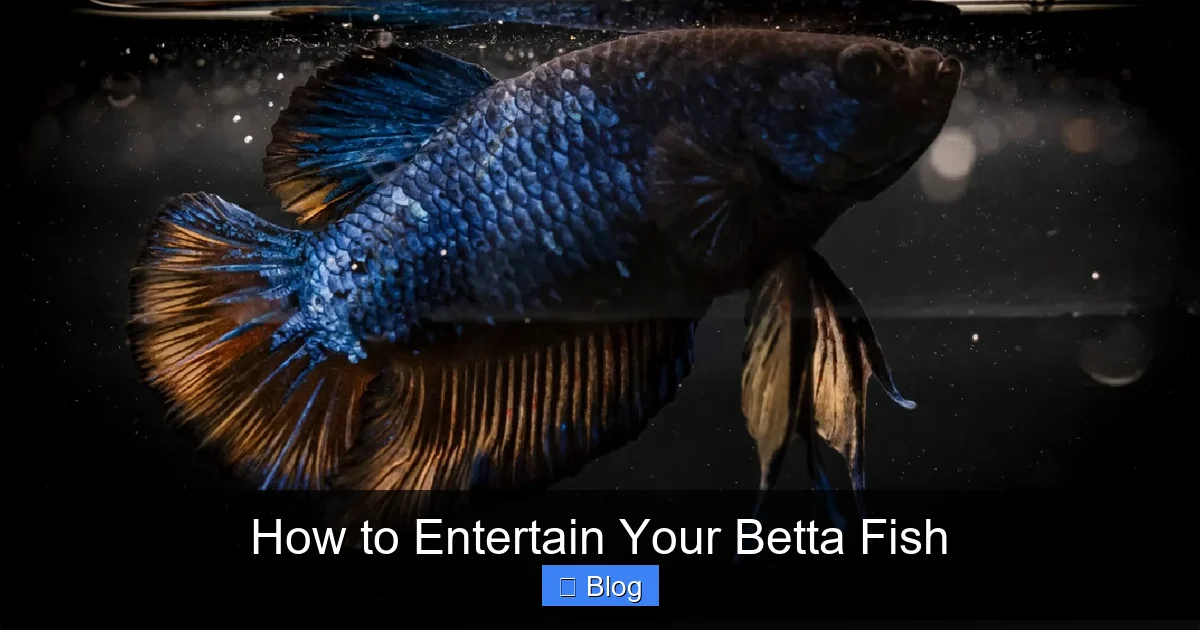
How to Entertain Your Betta Fish
how to entertain your betta fish is an essential topic that provides valuable insights and practical knowledge for anyone interested in learning more about this subject.
Key Takeaways
- Understanding how to entertain your betta fish: Provides essential knowledge for making informed decisions
- Practical applications: Can be applied in various real-world scenarios
- Key benefits: Offers significant advantages when properly implemented
- Important considerations: Requires attention to specific details and best practices
- Future implications: Continues to evolve and impact related fields
📑 Table of Contents
- The Bored Betta Problem: Why Your Fish Might Need a Hobby
- Know Your Fish: Understanding the Betta’s Wild Instincts
- Designing a Betta Playground: The Tank as a Primary Source of Enrichment
- Interactive Toys & Games: Direct Engagement for Your Betta
- Feeding Fun: Turning Mealtime into a Game
- Social Considerations: The “F” Word (Friends)
- Common Pitfalls: What NOT to Do When Trying to Entertain Your Betta
- Putting It All Together: Your Betta’s Weekly Enrichment Plan
- Conclusion: Your Betta’s Happiness is in Your Hands
The Bored Betta Problem: Why Your Fish Might Need a Hobby
Have you ever caught your betta fish just… floating? Not sleeping, not exploring, just seemingly staring into the void of his tank? You might have even thought, “Is he bored?” The answer, surprisingly, is often a resounding yes. We’ve all seen the beautiful betta in his little cup at the store, a vibrant splash of color that seems content with minimal space. It’s a common misconception that these “fighting fish” are low-maintenance and aloof. In reality, a betta’s natural habitat is the bustling, complex waters of Southeast Asian rice paddies and streams, filled with plants, insects, and things to investigate. Confining that curious mind to an empty bowl is like locking a bright child in a blank room.
Learning how to entertain your betta fish isn’t about frivolous luxury; it’s a cornerstone of responsible fishkeeping. An enriched environment reduces stress, prevents lethargy and depression (yes, fish can get depressed!), and can even bolster their immune system. A stimulated betta is a active, colorful, and interactive pet who will greet you at the glass and display his fascinating natural behaviors. This guide is your friendly, no-nonsense roadmap to transforming your betta’s tank from a prison cell into a vibrant playground. We’ll dive into their instincts, explore safe and effective enrichment ideas, and learn to speak their language. Let’s get started on making your finned friend’s life infinitely more interesting.
Know Your Fish: Understanding the Betta’s Wild Instincts
Before we buy any toys or rearrange the tank, we need to think like a betta. Entertaining your betta successfully means catering to his innate behaviors. These aren’t random quirks; they’re survival skills honed over centuries.
Visual guide about How to Entertain Your Betta Fish
Image source: buildyouraquarium.com
The Solitary, Territorial Sprinter
Bettas are labyrinth fish, meaning they have a special organ that allows them to breathe air from the surface. This adaptation for shallow, oxygen-poor waters makes them natural surface-dwellers. In the wild, they are fiercely solitary and territorial, especially the males. Their domain is a small patch of plants and debris where they rest, build bubble nests (if male), and ambush prey. This explains why your betta might flare his gills at his own reflection or a new decoration—he’s guarding his turf! Entertainment for him includes having clear territories within the tank, with defined front lines and safe backstage areas.
The Curious Explorer and Ambush Predator
Despite their territorial nature, bettas are also curious and intelligent. They spend their days investigating every leaf, root, and shadow in their environment, always on the lookout for a meal. They are visual predators who spot movement on the water’s surface with incredible accuracy. This is why they’ll follow your finger or a pencil across the glass. Their hunting instinct is a powerful drive that, when properly channeled through play and feeding games, becomes a fantastic source of mental and physical stimulation.
The Architect: The Bubble Nest
If you have a male betta (or occasionally a very determined female), you may see a cluster of tiny bubbles at the water’s surface. This is a bubble nest, a marvel of instinctual engineering. Building and maintaining this nest is a serious, time-consuming task for a betta. Providing calm surface areas with floating leaves or specialized betta hammocks gives him a perfect building site. The act of constructing and tending to his nest is a deeply engaging, natural behavior that is entertainment in itself.
Designing a Betta Playground: The Tank as a Primary Source of Enrichment
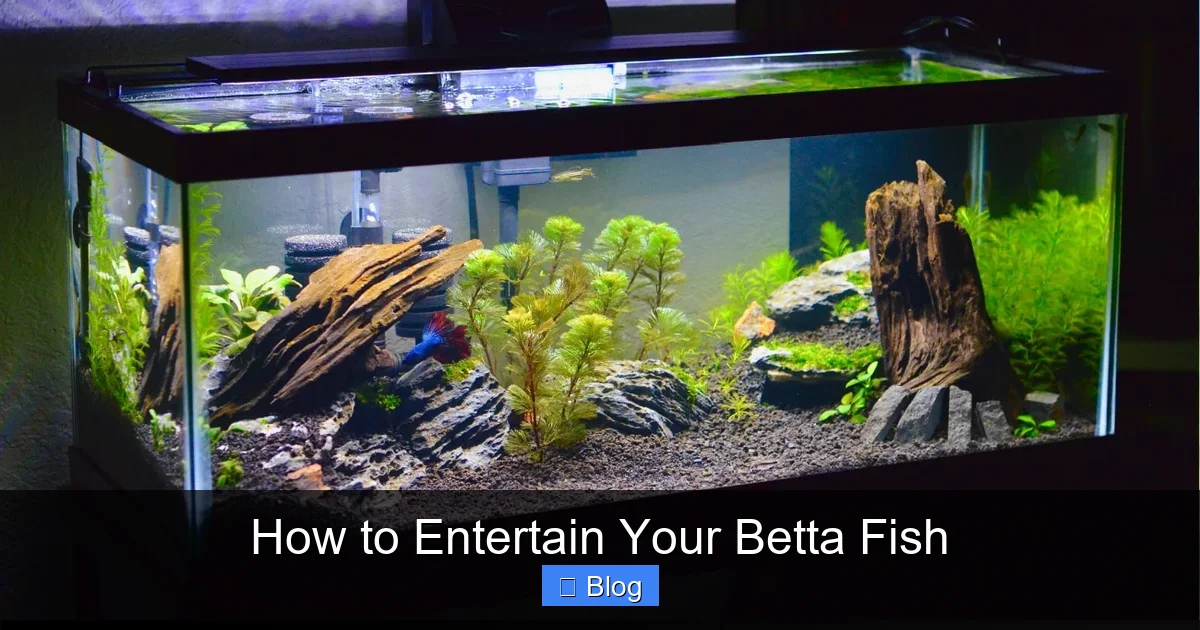
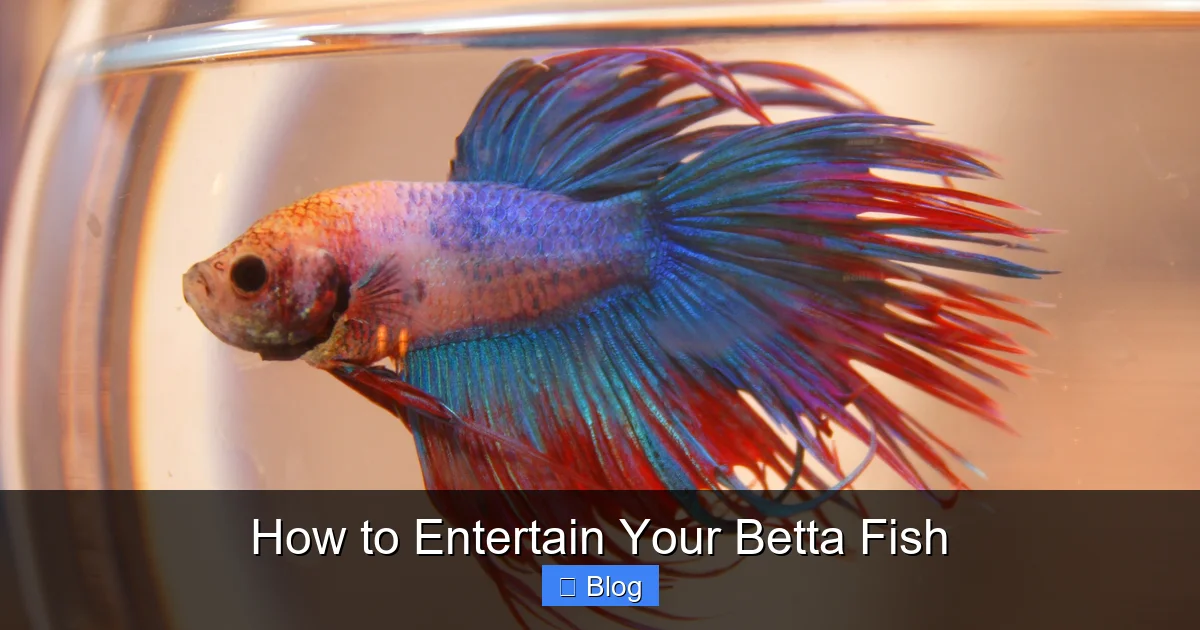
The single most important factor in how to entertain your betta fish is his environment. A properly set-up tank is a 24/7 source of exploration and security. Think of it as his living room, bedroom, and jungle gym all in one. A bare tank is a sensory deprivation chamber; a rich one is a constant discovery.
Visual guide about How to Entertain Your Betta Fish
Image source: fishkeepingadvice.com
Vertical Space is King: Plants, Plants, and More Plants
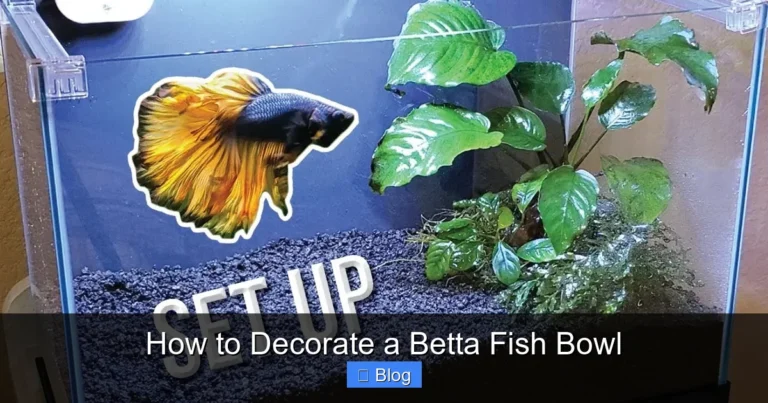
Bettas are vertical swimmers. They love to rest on leaves mid-water and dart between vertical stems. Live plants are the gold standard—they improve water quality, offer soft resting spots, and provide complex textures. Excellent beginner-friendly options include Java Fern, Anubias, and Amazon Swords. These can be tied to driftwood or rocks. If live plants feel daunting, high-quality silk plants are a safe and beautiful alternative. Always avoid plastic plants with stiff, sharp edges—they can tear a betta’s delicate fins. Aim for a jungle-like feel: tall plants in the back, medium in the middle, and floating plants (like Salvinia or Duckweed) at the top for shade and nest-building.
Hiding Spots and Territorial Boundaries
A betta needs to feel he has a secure fortress. Provide multiple hiding spots using items like ceramic caves, terracotta pots (unglazed and thoroughly rinsed), and pieces of driftwood. This allows him to choose a favorite “bedroom” and retreat when feeling shy or overstimulated. These items also create visual barriers, breaking up line-of-sight and preventing him from feeling like he must defend the entire tank at once. A betta with a good hiding spot is a more confident explorer.
The Right Substrate and Floor Exploration
While bettas are primarily top- and mid-level swimmers, they do occasionally sift through the substrate for fallen food. A soft, sandy substrate is ideal and mimics their natural muddy bottoms. It’s gentle on their underside and allows for natural foraging behavior. If you use gravel, ensure the pieces are smooth and not small enough to be swallowed. A bare-bottom tank is easier to clean but offers zero tactile or visual interest on the tank floor.
Interactive Toys & Games: Direct Engagement for Your Betta
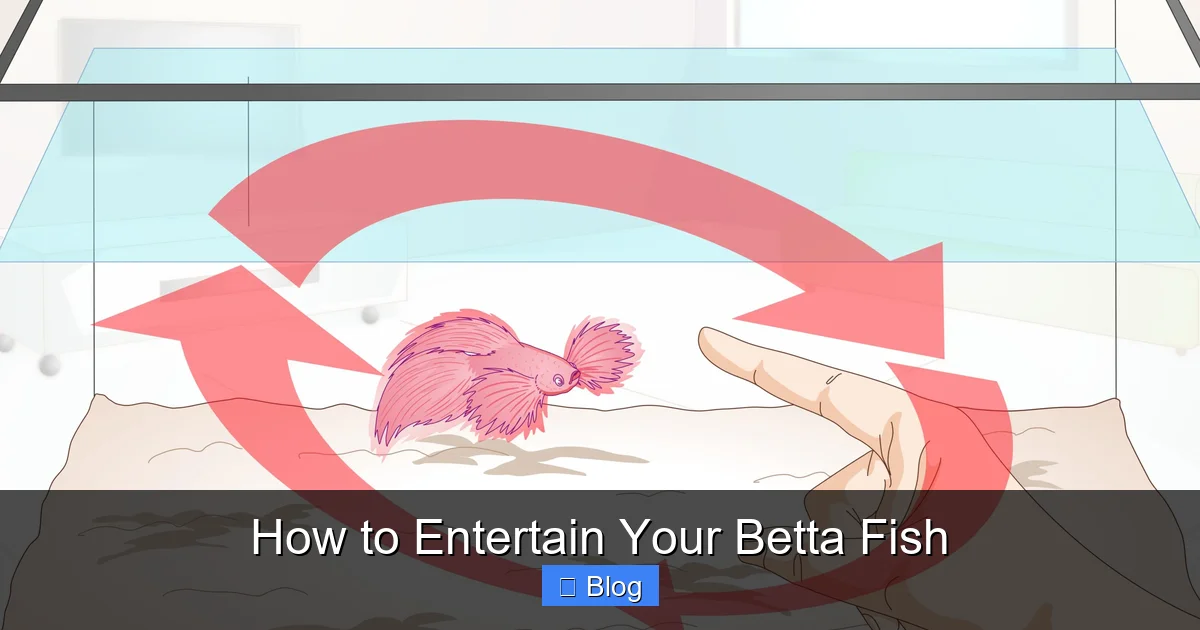
Once the stage is set, it’s time for the main act: direct play! Bettas are smart and can recognize their owners. Interactive enrichment strengthens your bond and provides crucial mental exercise.
Visual guide about How to Entertain Your Betta Fish
Image source: wikihow.com
The Classic: The Mirror (Use with Caution)
Showing a betta his reflection is a classic trick. He will flare his fins and gills, a dramatic display of his beauty and vigor. However, this is a stressful activity for him, as he perceives the reflection as an intruding male. It should be used sparingly—no more than a few minutes, once or twice a week—and never with a female. Watch for signs of exhaustion. It’s a spectacle, not a toy.
The Ping Pong Ball: A Simple Miracle
This is arguably the best, safest, and most versatile betta toy. A clean, lightweight ping pong ball (or a plastic bottle cap) placed on the water’s surface becomes an object of endless curiosity. Your betta will push it, nose it, chase it, and even rest on it. You can gently roll it away from him, encouraging him to “chase” it. It’s lightweight, impossible to break, and provides excellent surface-level interaction. Some bettas even learn to push it around like a soccer ball!
Target Training: Teaching Your Betta to “Come”
Yes, you can train a fish! This is a fantastic way to provide mental stimulation. Start by associating a specific target (a colorful straw tip, a small suction cup) with food. When he touches it with his nose (which he will, out of curiosity), immediately give him a tiny food reward (a high-value treat like a frozen bloodworm). Repeat this consistently, and soon you’ll be able to guide him to different parts of the tank by moving the target. This is amazing for health checks and simply showing off your smart fish!
Safe Toy Checklist
When introducing any new object, safety is paramount. Follow this simple checklist:
- No sharp edges: Sand or file down any rough spots.
- No small parts: Anything that can be detached and swallowed is a hazard.
- Non-toxic materials: Use only aquarium-safe silicone, ceramic, or natural wood (like Malaysian driftwood). Avoid painted or treated items.
- No metals: Copper and other metals can leach into the water and poison your fish.
- Rinse thoroughly: Always wash new items with dechlorinated water before adding them to the tank.
Feeding Fun: Turning Mealtime into a Game
In the wild, eating is a hunt. In a tank, food floats down predictably. By making your betta work for his meal, you tap into his deepest predatory instincts and provide incredible entertainment value.
The Dropping Method
Instead of dumping all his food in at once, drop pellets or frozen foods one by one from a height just above the water. This forces him to track the falling morsel and strike at it, simulating catching prey. It’s simple but highly effective.
The “Hunt” in the Current
Use a turkey baster or a small cup to gently create a tiny, targeted current in a corner of the tank. Drop a food item into the current and let it drift. Your betta will chase it, swimming against the flow to catch his prize. This is great exercise and mimics catching insects washed into his territory.
Using a Feeding Ring or Target
As part of target training, you can place a small piece of food on your target stick. He learns to bump the target for the reward. You can also use a floating feeding ring to corral his food into a smaller area, encouraging him to actively search within that zone.
Remember: Always feed high-quality betta pellets as a staple, and use treats like brine shrimp or bloodworms sparingly for training. Overfeeding is a major cause of health problems.
Social Considerations: The “F” Word (Friends)
Here’s a critical point in how to entertain your betta fish: Bettas are not social fish. The idea of a “betta community tank” is a common pitfall that leads to stress, injury, and death. Male bettas are solitary by nature. Female bettas, while sometimes kept in “sorority” tanks by experienced keepers, still require massive space and careful observation to prevent bullying.
Tank Mates: A High-Risk, Rarely Rewarding “Entertainment”
The idea that another fish will “keep your betta company” is a human projection. To your betta, another fish is a competitor for space and resources. The “entertainment” of watching a betta flare at a tank mate is actually you watching him be chronically stressed. If you absolutely must consider tank mates, the rule is: the betta gets the entire tank, and the other fish must be fast, non-flashy, and non-aggressive bottom-dwellers in a massive, heavily planted tank (20+ gallons). Suitable, but still risky, options include certain types of corydora catfish, kuhli loaches, or harlequin rasboras in a *very* large, well-structured aquarium. For 99% of betta keepers, especially those with the standard 5-gallon tank, the only safe and truly entertaining companion is you.
The Only Safe “Tank Mate”: You
Your betta’s primary social interaction should be with you. He will learn your face, your movements, and your feeding schedule. Talking to him softly, moving your finger slowly outside the glass, and performing target training are all positive, stress-free forms of social enrichment. You are his world. Make it a rich one.
Common Pitfalls: What NOT to Do When Trying to Entertain Your Betta
Good intentions can sometimes lead to poor outcomes. Here are the most common mistakes betta owners make when trying to provide enrichment.
Over-Stimulation and Stress
Just like a child, a betta can get overwhelmed. Constantly tapping on the glass, shaking the tank, or introducing new toys every day is stressful. Bettas need quiet time to rest and feel secure. Rule of thumb: Introduce one new element at a time and observe his reaction for a few days. If he’s hiding excessively, not eating, or his colors fade, you’ve gone too far. Less is often more.
Unsafe Decor and “Cute” But Deadly Toys
The pet store is full of “betta toys” that are anything but safe. Avoid anything with:
- Small openings that fins can get snagged in.
- Metal parts (rust, toxicity).
- Painted or glazed ceramics (lead-based paints are common).
- Rough textures (like some “sponge” castles that dissolve).
- Items that leach chemicals (some plastics).
When in doubt, opt for natural materials (seashells must be from a clean, non-ocean source and boiled first) or plain, aquarium-safe ceramic and silicone.
Ignoring Water Quality: The Foundation of All Fun
No amount of toys will matter if your betta is gasping for air at the surface due to poor water quality. A stressed, sick fish has no interest in playing. A properly cycled tank (minimum 5 gallons), regular water changes (25% weekly), and a gentle filter are non-negotiable prerequisites for any form of enrichment. A clean tank is the happiest tank.
Putting It All Together: Your Betta’s Weekly Enrichment Plan
So, how do you apply all this? Here’s a simple, actionable plan to start entertaining your betta fish effectively and safely.
| Day | Focus | Activity |
|---|---|---|
| Monday | Environmental Check | Observe tank layout. Are plants dense enough? Add a new silk plant or rearrange driftwood slightly. |
| Tuesday | Interactive Play | Introduce a clean ping pong ball for 10 minutes. Gently guide it. Watch his reaction. |
| Wednesday | Feeding Game | Use the “dropping method” for all meals. Let him chase each pellet. |
| Thursday | Training Session | 5-minute target training session. Use a colorful straw tip and frozen bloodworm as a reward. |
| Friday | Rest & Observation | No new additions. Simply sit by the tank for 10 minutes. What is he doing? Is he active? Resting? Flaring? |
| Weekend | Maintenance & Bonding | Perform water change. During this time, gently interact with him with a clean finger outside the glass. |
Note: This is a template. Adjust based on your betta’s personality. A shy betta may need slower introductions, while a bold one might crave more interaction.
Conclusion: Your Betta’s Happiness is in Your Hands
Entertaining your betta fish is one of the most rewarding aspects of being a fish keeper. It moves us from seeing our pets as mere decorations to understanding them as intelligent, instinct-driven individuals. By providing a stimulating environment—dense plants, safe hiding spots, and interactive toys—you’re not just preventing boredom; you’re allowing your betta to express his true nature. You’ll witness his curiosity, his playful chases, and his proud bubble-nest building. You’ll see his colors intensify with health and happiness.
Remember, the goal isn’t to have a performing seal, but to have a thriving, healthy, and engaged companion. Start small. Add a plant. Get a ping pong ball. Spend five minutes a day with target training. Watch his responses and adjust. The journey of learning how to entertain your betta fish is a journey of discovery—for both of you. You’ll gain a deeper appreciation for the complex creature in your care, and he’ll gain a richer, more vibrant life. Your betta isn’t just a pet; he’s a personality. And it’s time to give that personality the stage it deserves.
Frequently Asked Questions
How can I entertain my betta fish with toys?
You can entertain your betta fish by adding safe, smooth toys like floating logs, silk plants, or a betta hammock. These provide exploration opportunities and resting spots near the water’s surface, which bettas naturally prefer.
What are some safe ways to play with my betta?
Gently interact by using a clean finger or a soft silicone “betta ball” to guide your fish through the water. You can also lightly trail a clean, soft paintbrush or a piece of paracord along the glass to encourage chasing, always avoiding direct contact with their delicate fins.
How do I know if my betta fish is bored?
Signs of boredom in bettas include frequent glass surfing (pacing along the tank walls), lethargy, loss of appetite, or repetitive fin nipping. Providing enrichment is key to preventing these stress-related behaviors and promoting a healthy, active fish.
Can I use a mirror to entertain my betta fish?
While a mirror can trigger a betta’s natural flaring behavior for short sessions (1-2 minutes), it should be used sparingly. Excessive mirror use causes chronic stress, so it’s better to focus on other forms of environmental enrichment for long-term entertainment.
What tank decorations help keep a betta entertained?
Incorporate a variety of decorations like smooth caves, gentle waterfalls, and live or silk plants. These create a complex environment with different levels, hiding spots, and water currents to explore, which mentally stimulates your betta and satisfies their curiosity.
How to entertain your betta fish without adding new decorations?
You can rearrange existing decorations weekly to create a “new” environment for your fish to discover. Additionally, teaching simple tricks like following a target or jumping through a hoop (using food rewards) provides excellent mental stimulation and strengthens your bond.