How to Fix Betta Fish Fins
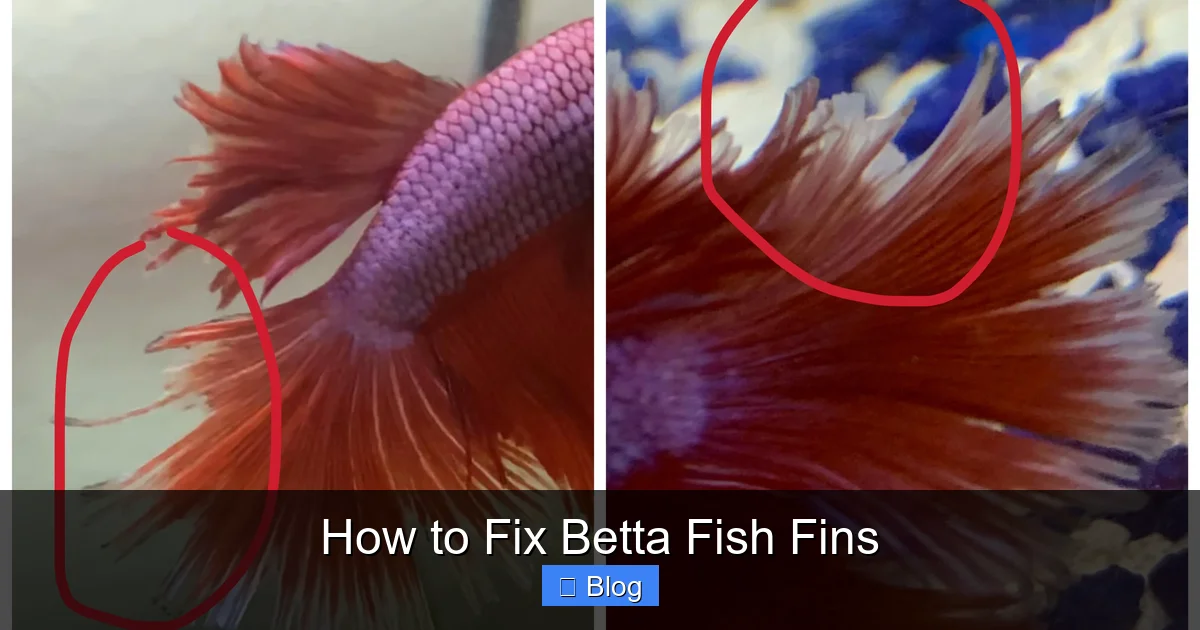
Damaged betta fins are a common but treatable issue. The key to successful repair lies in identifying the root cause—whether it’s poor water quality, fin rot, or physical injury—and implementing a targeted care routine. By focusing on pristine water conditions, proper medication when needed, and optimal nutrition, you can support your betta’s natural healing process and see those beautiful fins make a full recovery.
There’s nothing quite as heartbreaking as seeing your stunning betta fish, a living jewel with fins that flow like silk, suddenly sporting ragged, torn, or decaying edges. Those magnificent fins are not just for show; they are vital to your betta’s health, mobility, and overall well-being. When they get damaged, it’s a clear signal that something is wrong in their environment or with their health. But here’s the most important thing to know: fin damage in bettas is very often treatable. With the right knowledge and a calm, systematic approach, you can absolutely help your fish recover. This guide will walk you through every step of how to fix betta fish fins, from figuring out what happened to implementing the exact care plan needed for a full recovery.
Key Takeaways
- Water Quality is Non-Negotiable: The single most critical factor in fin healing is maintaining pristine, stable water parameters through regular testing and water changes.
- Accurate Diagnosis is the First Step: You must correctly identify the problem—fin rot (bacterial/fungal), physical injury, or nipping—as treatment differs significantly for each.
- Fin Rot Requires Specific Medication: Bacterial fin rot needs antibiotics, while fungal infections require antifungals. Never use medication without a clear diagnosis.
- Healing is a Slow Process: Fin regrowth takes weeks to months. Patience and consistent care are essential; do not expect overnight results.
- Prevention is Always Better Than Cure: A proper tank setup (size, heater, filter), a balanced diet, and avoiding aggressive tank mates are the best long-term strategies to protect your betta’s fins.
Understanding the Enemy: Common Causes of Fin Damage
Before you can fix a problem, you have to know what you’re dealing with. Fin damage isn’t a disease itself; it’s a symptom. Throwing generic medication at a sick betta without understanding the cause is like giving a random pill to a person with a fever—it might make things worse. Let’s break down the usual suspects.
The Invisible Threat: Poor Water Quality
This is the #1 cause of almost all betta health issues, fin damage included. Bettas are labyrinth fish from shallow, warm, slow-moving waters in Southeast Asia. In a tiny, unheated, unfiltered bowl, ammonia and nitrite (toxic waste products) build up rapidly. These chemicals literally burn and erode the delicate fin tissue. You might see:
- Frayed or shredded fin edges that look like they’ve been nibbled on.
- Clamped fins (held tightly against the body), a sign of stress and illness.
- Faded or patchy coloration on the fins.
The solution here isn’t a medicine; it’s a complete overhaul of the tank’s environment. We’ll detail this later, but know that fixing the water is the first and most fundamental step.
The Progressive Decay: Fin Rot (Bacterial & Fungal)
Fin rot is a specific infection, often secondary to poor water quality that weakens the fish’s immune system. It has a very distinct appearance:
- Bacterial Fin Rot: Fin edges turn white, black, or red and become increasingly ragged, with a “fuzzy” or slimy appearance. The decay progresses from the tip backward.
- Fungal Fin Rot: Appears as white, cotton-like growth (like mold) on the fins, often following an injury. The tissue underneath may be red or inflamed.
Fin rot is contagious and will worsen without targeted treatment. It’s crucial to distinguish between the two, as the medications are different.
The Sudden Trauma: Physical Injuries
Bettas are curious and can be clumsy. Common injuries include:
- Snagging on sharp decorations, filter intakes, or rough plants.
- Biting or nipping from tank mates (never house a betta with fin-nipping fish like tiger barbs!).
- Self-injury from flaring aggressively at their own reflection or a rival.
- Damage from handling during netting or tank moves.
Injuries are typically clean tears or chunks missing. The primary risk is that an open wound becomes infected, leading to secondary fin rot.
The Behavioral Issue: Fin Nipping (Self or Other)
Sometimes, the culprit is the betta itself. Chronic stress from a small tank, boredom, or seeing its reflection can lead to self
Frequently Asked Questions
What is how to fix betta fish fins?
how to fix betta fish fins is an important topic with many practical applications.