How to Cure Fungal Infection in Betta Fish
Fungal infections in betta fish, often seen as white cottony growths, are a treatable but serious condition rooted in poor water quality. The primary cure involves an immediate, multi-step approach: isolating the affected fish, performing aggressive water changes, and applying a salt bath or prescribed antifungal medication. Consistency and meticulous tank maintenance during and after treatment are non-negotiable to ensure a full recovery and prevent deadly relapse.
Key Takeaways
- Recognize the Signs: Look for white, fuzzy, cotton-like patches (often on fins, gills, or body), lethargy, clamped fins, and loss of appetite—these are classic fungal infection symptoms.
- Act Immediately: Isolate the sick betta in a bare “hospital tank” to prevent spreading pathogens and to allow for precise, stress-free treatment without disturbing tank mates or decor.
- Water Quality is #1: Fungus thrives in dirty water. Daily 50-100% water changes in the hospital tank with properly conditioned water are the single most critical treatment step.
- Salt is Your First Defense: An aquarium salt bath (1-3 tsp per gallon) for 5-10 minutes daily can often cure mild, early-stage infections by dehydrating the fungus.
- Medication for Severe Cases: For advanced infections, use a dedicated antifungal medication (like Methylene Blue, Malachite Green, or API Fungus Cure) strictly following dosage instructions.
- Prevention is the Best Cure: Maintain pristine water with weekly 25-50% changes, avoid overfeeding, ensure a proper filter (gentle flow), and quarantine all new fish before introducing them.
- Patience is Essential: Treatment can take 1-3 weeks. Do not stop water changes or medication prematurely, even if the fish appears better, to ensure the fungus is fully eradicated.
📑 Table of Contents
- Understanding the Enemy: What is a Fungal Infection in Betta Fish?
- Step 1: Identification and Immediate Isolation
- Step 2: The Foundation of Cure – Aggressive Water Management
- Step 3: Treatment Arsenal – Salt, Medication, and When to Use What
- Step 4: Supportive Care and Boosting Your Betta’s Immune System
- Step 5: The Road to Recovery – When and How to Return Home
- Step 6: The Ultimate Cure – Prevention for a Lifetime
- Conclusion: Your Betta’s Health is in Your Hands
Understanding the Enemy: What is a Fungal Infection in Betta Fish?
Seeing a fluffy white growth on your beautiful betta fish is enough to make any owner’s heart sink. That fuzzy patch isn’t just an unsightly blemish; it’s a sign of a fungal infection, a common but treatable ailment in aquarium fish. Fungi are opportunistic organisms that are always present in your tank water and on your fish. They are like the dust bunnies of the aquatic world—harmless in tiny numbers on a healthy, strong fish with a robust slime coat. The problem arises when the fish’s immune system is compromised or its protective slime layer is damaged. Think of it like a cut on your skin. If you keep it clean, it heals. If you leave it dirty, it can get infected. For your betta, poor water quality, physical injury from tank decor or aggressive tank mates, chronic stress, and underlying bacterial infections all create the perfect opening for fungal spores to latch on and multiply, turning into that recognizable cotton-like growth.
It’s crucial to understand that fungal infections are almost always a secondary issue. The fungus itself is a symptom, not the primary disease. This means while we must kill the fungal growth, our core mission is to address the underlying conditions that allowed it to take hold. Without fixing the root cause—almost invariably related to water quality or stress—the infection will keep coming back, no matter how many medications you throw at it. This guide will walk you through the entire process, from confident identification to the specific, actionable steps for curing your betta and creating an environment where fungus cannot thrive.
Step 1: Identification and Immediate Isolation
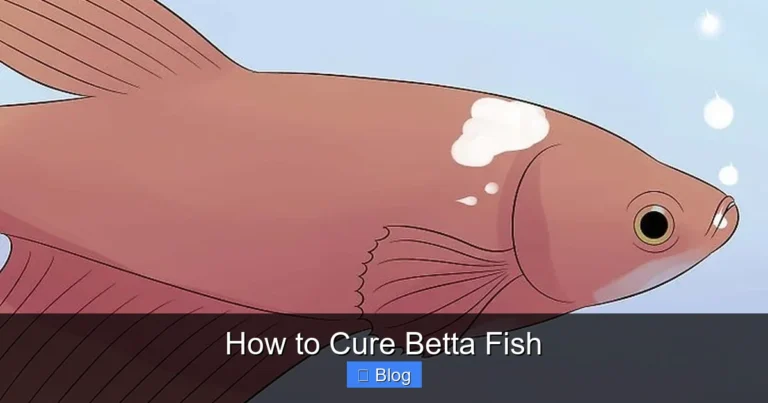
Before you can cure it, you must be sure it’s fungus. Fungal infections in bettas typically present as white or grayish-white, fluffy, cottony patches. These growths are most common on the fins (especially torn or frayed edges), the base of the fins where they meet the body, the gills, and sometimes open sores or wounds. The affected tissue may appear red or inflamed underneath. A key differentiator from similar issues like Ich (which are tiny white salt-like spots) or slime coat disorders (which look more like a milky sheen) is the distinct, three-dimensional “fuzz” that can grow quite large if left untreated. Your betta will also likely show behavioral signs: lethargy, clamping its fins tightly against its body, loss of appetite, and hiding at the bottom of the tank.
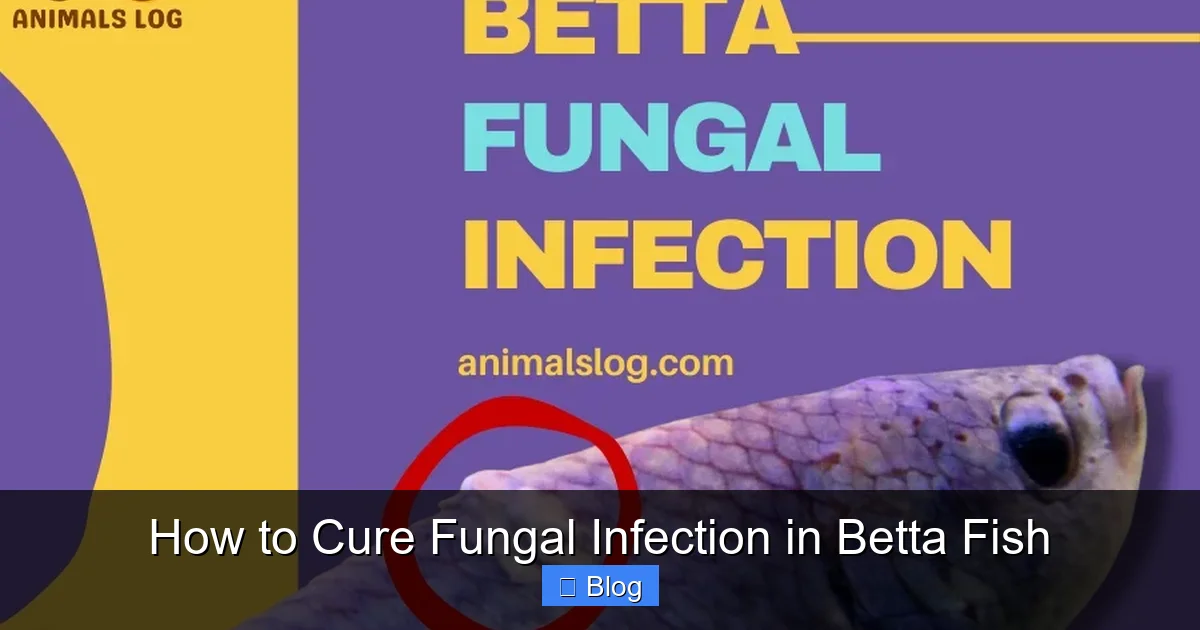
Visual guide about How to Cure Fungal Infection in Betta Fish
Image source: animalslog.com
The Hospital Tank Setup: Your Betta’s Recovery Room
Once you’ve identified a likely fungal infection, the very first action is isolation. You cannot effectively treat a fungal infection in a main community tank. The medications needed can harm other fish, invertebrates, and beneficial bacteria, and the daily water changes required would be a massive disruption. A hospital tank is a simple, bare setup. You need:
- A small tank or clean container: 1-5 gallons is ideal. A clean, food-safe plastic tub works in a pinch.
- A heater: Bettas are tropical fish. Maintain a steady temperature of 78-80°F (25.5-26.5°C) to support their immune system. Do not raise the temperature to try and “kill” the fungus—this stresses the fish.
- A gentle filter (optional but helpful): A small sponge filter is perfect. It provides gentle filtration and aeration without creating a strong current that stresses a sick betta. If you don’t have a filter, you will need to perform 100% water changes daily.
- NO substrate, NO decorations, NO plants: This is critical. A bare bottom tank means no hiding places for fungus spores and makes cleaning 100% effective. Any décor would need to be sterilized daily, which is impractical. Provide a single, smooth, clean resting place like a large ceramic cup or a piece of slate.
- Cover: Use a tight-fitting lid or plastic wrap with holes. Bettas are notorious jumpers, especially when stressed or lethargic.
Fill the hospital tank with dechlorinated water that matches the temperature and pH of your main tank to avoid additional stress. Gently net your betta and place it in this sterile environment. Now, you have a controlled laboratory to begin treatment.
Step 2: The Foundation of Cure – Aggressive Water Management
Here is the non-negotiable, most important rule for curing fungal infections in bettas: clean water is the cure. Fungus spores feast on decaying organic matter and ammonia/nitrite in the water. Your goal is to remove these food sources entirely. In your hospital tank, you must perform massive, daily water changes.

Visual guide about How to Cure Fungal Infection in Betta Fish
Image source: aquanatureonline.com
How to Perform a 100% Water Change Correctly
A “100% water change” means you remove all the old water and replace it with fresh, treated water. Do this every single day for the duration of the treatment.
- Prepare the new water: In a clean bucket, treat tap water with a reliable water conditioner that neutralizes chlorine, chloramines, and heavy metals. If your tap water is very hard or has a high pH, consider using reverse osmosis (RO) water reconstituted with a mineral supplement for more stable parameters.
- Temperature Match: Ensure the new water is within 1-2 degrees Fahrenheit of the hospital tank water. A drastic temperature change is a severe shock.
- Siphon and Remove: Gently siphon out all the water from the hospital tank, being careful not to disturb your betta too much. Use a turkey baster or very gentle suction to remove any visible fungal growths or debris from the bottom and walls.
- Refill Slowly: Slowly pour the fresh, conditioned water back into the tank. You can pour it over a clean plate or your hand to diffuse the flow and prevent startling your fish.
- Observe: After the change, your betta might be more active for a few hours as it enjoys the clean water. This is a good sign.
This daily ritual is more potent than any medication. It physically removes spores, ammonia, and other pollutants, giving your betta’s immune system a fighting chance. If you have a filter in the hospital tank, clean the sponge filter in the old, removed tank water (never under tap water) during each change to preserve any beneficial bacteria without reintroducing contaminants.
Step 3: Treatment Arsenal – Salt, Medication, and When to Use What
With the hospital tank established and a strict water change schedule in place, you add targeted treatments. Your choice depends on the infection’s severity.
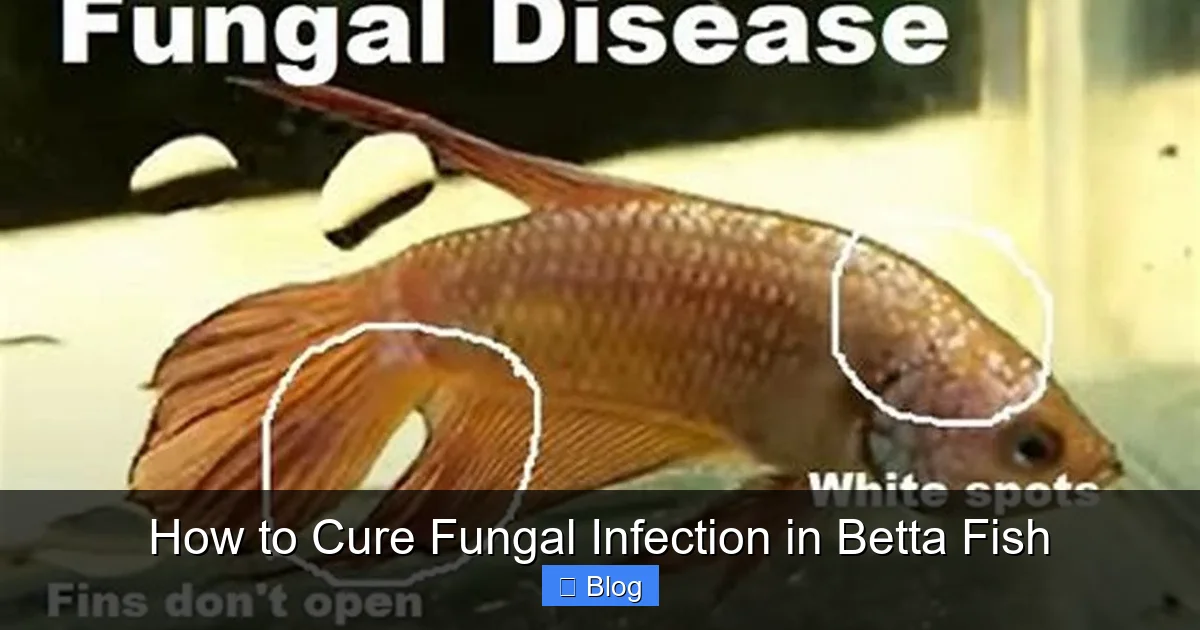
Visual guide about How to Cure Fungal Infection in Betta Fish
Image source: dsflyfishing.com
Aquarium Salt (Sodium Chloride) – The First-Line Defense
For mild, early-stage infections (small patches of fuzz, fish is still active and eating), a salt bath is often sufficient and very gentle. Salt works by osmosis—it dehydrates the fungal cells, drawing fluid out of them and killing them. It also reduces the fish’s stress by helping with osmoregulation.
- Dosage: Use non-iodized aquarium salt (never table salt). A standard dose is 1 teaspoon per gallon of water for a bath, or up to 3 teaspoons per gallon for a prolonged hospital tank treatment. Start low (1 tsp/gal) for a betta, as they are sensitive.
- Method 1: Hospital Tank Dosing: Add the measured salt directly to the hospital tank after a water change. Dissolve it in a cup of tank water first. Leave it in for the full 24 hours until your next 100% water change, where you will replace it with fresh, salted water.
- Method 2: Separate Salt Bath (More Controlled): If you are worried about salt sensitivity, set up a small, separate container with 1 gallon of treated, temperature-matched water. Add 1-1.5 tsp of salt. Place your betta in this bath for 5-10 minutes once a day. Then, return it to the unsalted hospital tank. This method is excellent for very delicate fish.
- Duration: Continue salt treatment for 7-10 days, watching for the fungus to shrink and disappear. Do not exceed 10 days of continuous salt exposure.
Important: Salt does not evaporate. You must do 100% water changes to remove it. Also, never use salt with live plants or invertebrates in the same tank.
Antifungal Medications – For Moderate to Severe Infections
If the fungal growth is thick, spreading rapidly, or your betta is very lethargic and not eating, salt alone may not be enough. You need a pharmaceutical-grade antifungal.
- Methylene Blue: A classic, broad-spectrum antifungal and antibacterial. It’s relatively mild and also helps prevent secondary bacterial infections. It will turn your water and your betta’s fins a faint blue. Use as a dip or in the hospital tank. Follow product dosing precisely.
- Malachite Green: A potent antifungal, often combined with Formalin (e.g., in products like API Fungus Cure). It is highly effective but can be harsher on fish and will stain everything green. Use only in a dedicated hospital tank with activated carbon removed (carbon removes medication).
- Fungus Clear (or similar): Commercial blends designed specifically for fungal and bacterial infections. These are often the easiest for beginners as they provide clear instructions.
How to Medicate:
1. Remove any carbon filter media from your hospital tank, as it will absorb the medication.
2. Dose the medication according to the label, based on your hospital tank’s volume.
3. Perform a 25-50% water change and redose the medication every 24-48 hours as directed (some require daily dosing, some every other day).
4. Continue the daily 100% water changes on the days you are not medicating, or follow the medication’s specific water change protocol.
5. Treatment duration is typically 5-7 days minimum, but continue for at least 3-5 days after all visible signs of fungus are gone to ensure eradication.
Step 4: Supportive Care and Boosting Your Betta’s Immune System
Your betta is fighting a war. Your job is to be its supply line. Beyond clean water and medicine, supportive care is vital.
Nutrition: High-Quality, Appetizing Food
A sick fish often stops eating. You must tempt it.
- Offer live or frozen foods: Daphnia, brine shrimp, or bloodworms are irresistible to most bettas and are easily digested. They also have high nutritional value.
- Soak pellets: If your betta eats pellets, soak them in a bit of garlic juice (a natural immune booster) or tank water to soften them and make them easier to consume.
- Feed small amounts 2-3 times a day. Remove any uneaten food immediately with a pipette or turkey baster to prevent water fouling.
Good nutrition provides the protein and vitamins needed for tissue repair and immune function.
Stress Reduction is Non-Negotiable
Stress releases cortisol, which suppresses the immune system. In the hospital tank:
- Dim the lights: Use indirect light or cover the tank with a towel to create a calm, dark environment.
- No disturbances: Keep the tank in a quiet room. Avoid tapping on the glass or having constant foot traffic.
- Minimize handling: Only net the fish for water changes or salt baths. Let it rest.
Combine these supportive measures with your primary treatment, and you give your betta the best possible chance for a full recovery.
Step 5: The Road to Recovery – When and How to Return Home
Do not rush this step. Returning a still-weakened betta to its main tank risks a fatal relapse. You will know the infection is cleared when all fuzzy growth is completely gone, the underlying fin or skin tissue looks healthy (though it may be torn or ragged from the infection), and your betta is actively swimming, flaring, and eating with gusto. This can take 2-4 weeks total from the start of treatment.
The Quarantine Period Before Reintroduction
Once the fungus is visually gone, continue the daily 100% water changes (without salt or medication) for another 5-7 days. This “flush” period ensures any lingering spores or medication residues are gone. Keep your betta in the sterile hospital tank during this time.
Preparing the Main Tank for a Welcome Home
Your main tank’s water quality must be absolutely pristine before you reintroduce your betta. This is your chance to fix the root cause.
- Deep Clean: Perform a thorough 50% water change. Vacuum the substrate meticulously to remove all waste and uneaten food.
- Check & Clean Filter: Rinse filter media in the old tank water you just removed. Do not use tap water. This preserves beneficial bacteria while removing gunk.
- Test Water Parameters: Using a liquid test kit, ensure ammonia and nitrite are at 0 ppm and nitrate is below 20 ppm. This is the most important check.
- Acclimate Slowly: When you are satisfied, float the hospital tank in the main tank for 15-20 minutes to equalize temperature. Then, slowly add a cup of main tank water to the hospital tank every 10 minutes for an hour. Finally, net your betta and gently place it into the main tank. Do not pour hospital tank water into the main tank.
For the first week back, monitor your betta closely. Consider adding a small dose of stress-coat or vitamin supplement to the main tank water to aid in healing. Resume feeding a high-quality diet.
Step 6: The Ultimate Cure – Prevention for a Lifetime
You have successfully cured the infection. Now, you must ensure it never happens again. Prevention is the final, permanent cure.
Water Quality: The Unwavering Law
This cannot be stressed enough. A weekly 25-50% water change is the absolute minimum for a betta tank. For a 5-gallon tank with a single betta, aim for 30-40% weekly. Use a gravel vacuum to clean the substrate. Test your water parameters (Ammonia, Nitrite, Nitrate, pH) weekly with a liquid test kit. Ammonia and nitrite must always be zero. Nitrates should be kept below 20 ppm. A clean filter is part of this—rinse media monthly in old tank water.
Tank Setup & Environment
- Tank Size: A 5-gallon tank is the absolute minimum for a healthy, long-lived betta. Larger is always better.
- Heater & Thermometer: A stable 78-80°F is crucial. A cheap, adjustable heater and a separate thermometer are essential investments.
- Gentle Filtration: A filter is mandatory. Use a sponge filter or adjust a hang-on-back filter to have a very gentle flow. Strong currents stress bettas and damage their long fins.
- Safe Décor: Avoid rough, sharp rocks or plastic plants with sharp edges. Smooth silk plants, live plants like Anubias or Java Fern, and smooth ornaments are best. Ensure there are no sharp points inside any cave or decoration.
Feeding & Quarantine
- Feed sparingly: Overfeeding is the #1 cause of poor water quality. Feed no more than 2-3 pellets or a small pinch of food once or twice a day. A betta’s stomach is the size of its eye.
- Quarantine all new arrivals: Any new fish, including other bettas, must be quarantined in a separate tank for at least 4-6 weeks before being added to your main display tank. This is the single most effective way to prevent introducing new pathogens.
By making these practices routine, you transform your betta’s tank from a potential hazard into a true sanctuary where fungal infections and other diseases cannot gain a foothold.
Conclusion: Your Betta’s Health is in Your Hands
Curing a fungal infection in your betta fish is a journey that tests your diligence and compassion. It is a powerful reminder that in the world of aquariums, you are the custodian of a delicate ecosystem. The fluffy white growth is a visible cry for help, a signal that the invisible balance of the tank has been upset. The cure is not a single magic pill, but a committed protocol: swift isolation, relentless water changes, appropriate treatment, and unwavering supportive care. You have learned that salt is a gentle first tool, that medications are for serious battles, and that the battlefield is won or lost on the quality of the water. Most importantly, you now understand that the final victory lies not in the treatment itself, but in the daily, mindful maintenance that prevents the war from ever starting again. By applying this knowledge, you move from being just a fish owner to a true guardian of your betta’s health, ensuring your colorful companion lives a long, vibrant, and fungus-free life.
Frequently Asked Questions
Can humans catch a fungal infection from a betta fish?
No. The fungal pathogens that affect fish (like Saprolegnia) are species-specific and cannot thrive on or infect human skin. However, always wash your hands thoroughly with soap after handling a sick fish or tank water as a general hygiene practice to prevent the spread of any bacteria or to avoid transferring pathogens between tanks.
How long does it take to cure a fungal infection in a betta fish?
With immediate and proper treatment, you should see visible improvement (the fungus stopping its spread and beginning to recede) within 3-5 days. Complete healing, where all fungal growth is gone and the underlying tissue has started to repair, typically takes 1 to 3 weeks. Never stop treatment the moment the fungus looks smaller; continue for at least a week after it’s gone to ensure it’s fully eradicated.
Is aquarium salt safe for betta fish?
Yes, aquarium salt is very safe for bettas when used correctly at the proper dosage (1-3 tsp per gallon). It is a natural treatment that helps reduce stress and combat external pathogens. However, bettas are sensitive, so always start at the lower end of the dosage range. Never use iodized table salt, and never use salt in a tank with live plants or invertebrates, as it will harm them.
Can I treat a fungal infection in my betta’s main community tank?
It is strongly advised against. Effective antifungal medications (like Malachite Green or Methylene Blue) will harm or kill other fish, shrimp, snails, and the beneficial bacteria that cycle your tank. The required daily 100% water changes would also be devastating to a cycled ecosystem. Always use a separate, sterile hospital tank for treatment.
What’s the difference between a fungal infection and a bacterial infection on a betta?
>It can be tricky. Fungal infections are characterized by white, fuzzy, cottony growth that often appears on the edges of torn fins or on the body. Bacterial infections can cause red streaks ( hemorrhagic septicemia), ulcers, fin rot that looks dark and ragged without fuzz, or a slimy, grayish coating. When in doubt, treat for both—many broad-spectrum medications (like API General Cure or Fungus Cure) target both fungal and bacterial pathogens.
My betta’s fins are torn and getting fuzzy again after treatment. Is the fungus back?
Not necessarily. After a severe fungal infection, the damaged fin tissue is very fragile and susceptible to re-infection. The key is to ensure your water quality in the main tank is impeccable. Continue with weekly water changes and monitor closely. If the fuzzy growth reappears aggressively, it may indicate the initial infection wasn’t fully cleared, or a new stressor has compromised the fish’s immune system again, requiring a return to the hospital tank for another round of treatment.