How to Cure Ich on Betta Fish
Ich, or white spot disease, is a common but treatable parasite in betta fish. The cure requires a multi-pronged approach: raising the water temperature, performing frequent water changes, and using a dedicated ich medication. Consistency and strict adherence to the full treatment cycle are non-negotiable to kill all parasite life stages and prevent a deadly relapse.
Key Takeaways
- Ich is a parasite, not a fungus or bacteria: It has a complex life cycle, which is why treatment must target both the free-swimming and attached stages.
- Heat is your first weapon: Gradually raising the tank temperature to 82-85°F (28-29°C) speeds up the parasite’s life cycle, making it more vulnerable to medication.
- Medication is essential: Over-the-counter ich treatments containing malachite green, formalin, or copper sulfate are the primary cure. Never use them in a display tank with invertebrates.
- Water changes are critical support: Daily 25-50% water changes remove free-swimming parasites and reduce stress by improving water quality.
- Treatment duration is strict: You must continue medication and water changes for at least 5-7 days AFTER the last spot disappears to catch any newly hatched parasites.
- Prevention is easier than cure: Quarantine all new fish for 4-6 weeks, maintain pristine water, and avoid sudden temperature drops to keep ich at bay.
- Bettas are sensitive: Use medication dosages carefully, as bettas can be more sensitive to chemicals than other fish. A hospital/quarantine tank is highly recommended for treatment.
📑 Table of Contents
- What is Ich? Understanding the Enemy Before You Fight It
- Immediate Action Plan: The First 24 Hours
- The Medication Guide: Choosing and Using Treatments Correctly
- Supporting Your Betta’s Recovery: Beyond the Medication
- Prevention: The Only Guaranteed Cure
- Special Considerations for Betta Fish
- Conclusion: Patience, Precision, and Prevention
What is Ich? Understanding the Enemy Before You Fight It
So you see tiny, salt-like white spots on your beautiful betta fish. Your heart sinks. That’s ich (pronounced “ick”), short for *Ichthyophthirius multifiliis*, and it’s the most common parasitic disease in freshwater aquarium fish. But before panic sets in, take a deep breath. Knowing how to cure ich on betta fish starts with understanding what you’re up against. Ich is not a reflection of your skills as a fishkeeper; it’s an opportunistic parasite that can hitchhike in on a new fish, a new plant, or even on your hands.
The parasite’s life cycle is why a simple “dip” won’t work. It burrows into your betta’s skin and gills as a protective cyst (the trophont stage), feeding on its blood and tissue. That’s the visible spot. After several days, it drops off, multiplies in the water, and becomes a free-swimming tomont. The tomont divides into hundreds of theronts, which then must find a new host within 24-48 hours. To break this cycle, your treatment must attack the parasite in the water column. This is the core principle of how to cure ich on betta fish effectively and permanently.
The Tell-Tale Signs: Spotting Ich Early
Early detection is your biggest advantage. The classic symptom is, of course, the tiny white spots that look like a dusting of salt or sugar. They are most visible on the fins, body, and head. However, in the very early stages, they can be faint. Look for these other clues that often appear before or alongside the spots:
- Flashing or Rubbing: Your betta might suddenly dart and rub its body against decorations, plants, or the tank glass. This is due to the intense irritation as the parasite burrows in.
- Clamped Fins: Fins held tightly against the body are a classic sign of stress and illness.
- Lethargy and Loss of Appetite: Your usually active, curious betta may hover listlessly at the top or bottom, ignoring food.
- Rapid Breathing: Gasping at the surface or breathing much faster than usual indicates gill damage, a serious and common complication of ich.
If you see even one or two of these signs combined with a few suspicious specks, act immediately. Waiting for a full-blown “snowball” effect puts your betta’s life at risk.
Immediate Action Plan: The First 24 Hours
Once you’ve confirmed ich (or have a strong suspicion), your first 24 hours are critical. The goal is to stabilize your betta and start disrupting the parasite’s life cycle while you prepare for full treatment. Do not wait to buy medication.
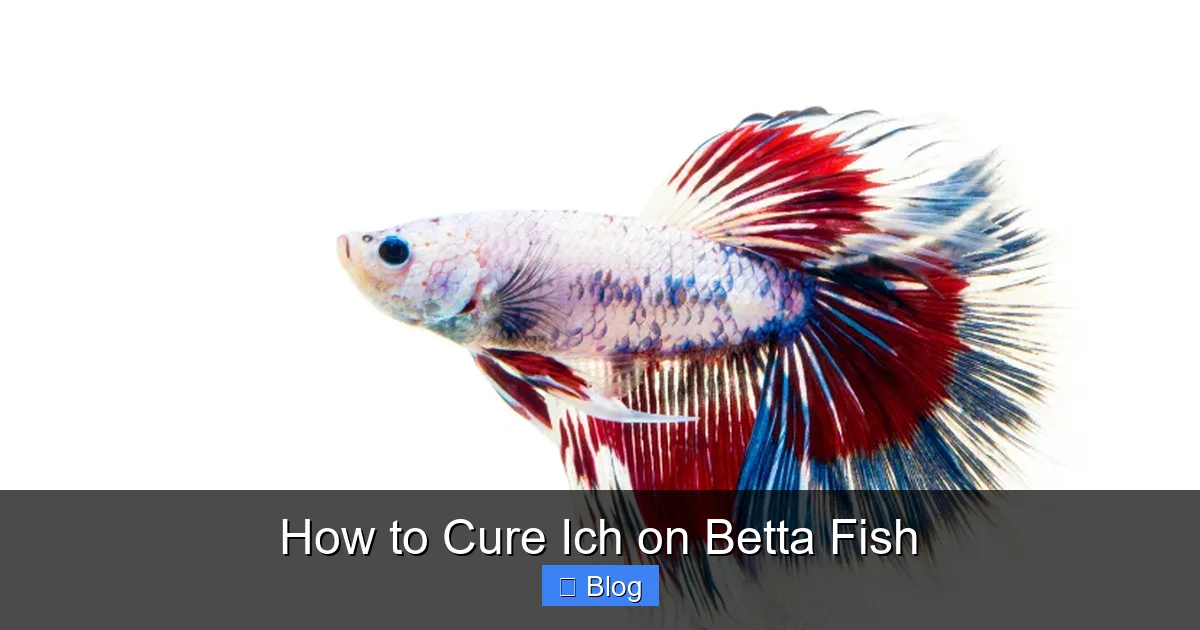
Visual guide about How to Cure Ich on Betta Fish
Image source: images.saymedia-content.com
Step 1: Isolate and Optimize the Environment
If your betta is in a community tank, this is a huge problem. Ich will spread rapidly to every other fish. The ideal scenario is to move your betta to a dedicated hospital or quarantine tank—a simple 2.5 to 5-gallon setup with a heater and a sponge filter (no gravel to clean, less waste). If moving the fish is too stressful at that moment, you must be prepared to treat the entire display tank, which means all fish and invertebrates (like shrimp or snails) will need special consideration, as most ich medications are toxic to invertebrates.
In the current tank, perform a 25% water change immediately with dechlorinated water that matches the tank’s temperature and pH. This removes some free-swimming parasites and improves water quality, which is often a contributing factor to disease outbreaks.
Step 2: The Temperature Increase
This is one of the most powerful, non-chemical tools in your arsenal for how to cure ich on betta fish. The parasite’s life cycle speeds up dramatically in warmer water. The goal is to raise the temperature to 82-85°F (28-29°C). If your betta is already in a heated tank, increase the setting by 1-2 degrees per hour until you reach the target. Never shock the fish by changing the temperature too quickly. If you don’t have a heater, get one immediately. A small, adjustable heater for a hospital tank is a worthwhile investment for any betta keeper.
Important: Ensure your tank is well-oxygenated. Warmer water holds less dissolved oxygen, and your betta’s gills are already under attack. Add an air stone with a sponge filter or increase surface agitation to keep oxygen levels high.
Step 3: Begin Research and Acquire Medication
Do not rely on “home remedies” like salt or garlic as a sole treatment. While aquarium salt can help with osmoregulation and mild infections, it is not a reliable cure for ich. Your primary weapon will be a commercial ich medication. Head to your local fish store or order online. The most common and effective active ingredients are:
- Malachite Green & Formalin: Often sold together (e.g., API Ich Treatment). Very effective but can stain silicone and is toxic to invertebrates.
- Copper-based medications: (e.g., Cupramine, Seachem Cupricide). Extremely effective against parasites but also highly toxic to invertebrates and can build up in the tank. Requires precise dosing.
- Herbal/Plant-based treatments: (e.g., Seachem ParaGuard, API Melafix + Pimafix combo). These are milder, safer for invertebrates and fry, but often require longer treatment times and may be less effective on severe outbreaks.
For a betta in a species-only tank, a malachite green/formalin combo is often the go-to for its speed and reliability. Read the instructions on the bottle thoroughly before you even open it.
The Medication Guide: Choosing and Using Treatments Correctly
This is the heart of how to cure ich on betta fish. Medication, when used correctly, is what will kill the parasite. Incorrect use can harm your betta or create resistant parasites. Let’s break it down.
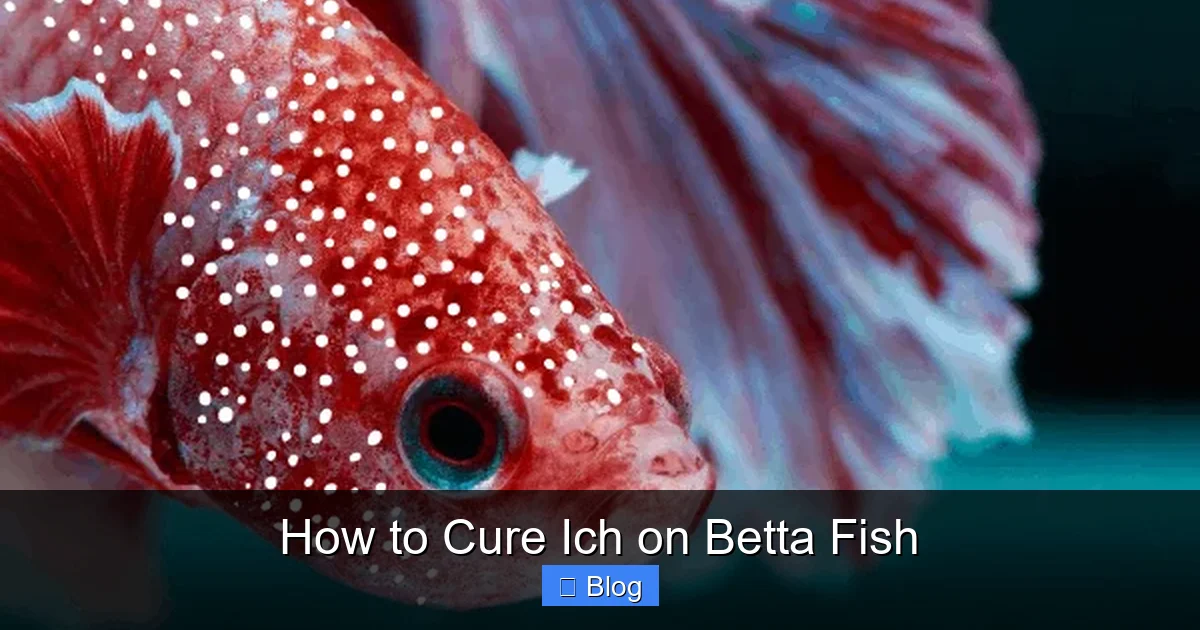
Visual guide about How to Cure Ich on Betta Fish
Image source: japanesefightingfish.org
Dosing for a Hospital Tank vs. Display Tank
Hospital Tank (Strongly Recommended): This is the best practice. Move your betta to a clean, heated, filtered quarantine tank. Dose the medication only in this small volume of water. This concentrates the treatment, makes it more effective, saves money, and completely protects any invertebrates in your main display tank. It also allows you to perform 100% water changes between treatment cycles if needed, without disrupting a cycled ecosystem.
Display Tank: If you must treat the main tank, you must dose for the entire volume of water. Remove all carbon filtration, as it will absorb the medication. You must also accept that any shrimp, snails, or live plants (some are sensitive) may die or be severely stressed. In this case, a milder herbal treatment might be the only safe option if you have a sensitive ecosystem.
The Full Treatment Protocol: Why You Can’t Cut Corners
Ich medication labels typically say “treat for 5 days.” This is a minimum, not a suggestion. You must follow this exact protocol:
- Day 1: Perform a 25-50% water change. Add the full dose of medication as directed. Do not add carbon to the filter.
- Days 2-5: Add a half-dose of medication every 24 hours. Do not perform water changes during the medication period unless absolutely necessary for ammonia/nitrite spikes, as you will be diluting the medication. The goal is to maintain a consistent, therapeutic level of chemicals in the water to kill parasites as they hatch.
- After Spots Disappear: This is the most common mistake. The spots you see are the cysts on the fish. The deadly part is the free-swimming stage. Once the spots are gone, the parasite is likely still in its life cycle. You must continue the half-dose treatment for a minimum of 5-7 additional days after the last spot vanishes.
- Final Step: After the full treatment period (initial 5 days + 5-7 extra days), perform a large (75-100%) water change to remove medication residues. You can now restart carbon filtration. Continue monitoring your betta closely for another week.
Cutting the treatment short because your betta “looks better” is the #1 cause of ich recurrence, which is almost always fatal on the second round because the fish is already weakened.
Supporting Your Betta’s Recovery: Beyond the Medication
Medication is a chemical assault. Your betta’s body is working overtime to heal. Your job is to provide the best possible environment for that healing process. This supportive care is just as important as the cure itself.
Visual guide about How to Cure Ich on Betta Fish
Image source: japanesefightingfish.org
Nutrition: Feeding for Immunity
A betta with ich often won’t eat. Force-feeding is stressful and rarely works. Instead, offer high-quality, easily digestible foods in very small amounts. Soak premium betta pellets or frozen foods (like daphnia or bloodworms) in a little tank water to soften them. Try offering a single, small piece with tweezers. If it doesn’t eat within 5 minutes, remove the food to prevent water quality crashes. You can also use a product like Seachem Focus (a food binder) to soak its food in, which can help deliver medication or nutrients directly. The goal is to provide protein and vitamins without effort. A strong immune system is the best defense against secondary infections.
Water Quality: The Non-Negotiable Foundation
During and after treatment, water quality must be impeccable. A stressed, recovering betta cannot tolerate ammonia or nitrite. If you treated in a hospital tank, you likely used bare-bottom and no filter to avoid medication absorption. In this case, you are doing daily 100% water changes to keep parameters perfect. In a cycled display tank, test water daily. If you see any ammonia or nitrite, perform an immediate 25-50% water change. Remember, a recovering fish is producing less waste but is also more sensitive to toxins. Clean water is oxygen, medicine, and comfort all in one.
Reducing Stress: The Invisible Healer
Stress suppresses the immune system. Turn off any strong filtration currents (a sponge filter is perfect). Dim the lights. Ensure the tank is in a quiet room away from loud noises, other pets, and frequent foot traffic. If your betta is alone, consider adding a non-threatening, smooth decoration (like a betta leaf hammock) for it to rest on near the surface. The goal is a calm, stable, predictable environment. Every ripple, every loud sound, every sudden shadow is a stressor that hinders recovery.
Prevention: The Only Guaranteed Cure
Once you’ve endured an ich outbreak, you’ll never want to experience it again. The best strategy for how to cure ich on betta fish is to never get it in the first place. Prevention is 100% effective and far less stressful for you and your fish.
The Golden Rule: Quarantine Every New Arrival
This is the single most important practice. Every single new fish, live plant, or invertebrate must be quarantined separately for a minimum of 4-6 weeks. A dedicated quarantine tank (even a small one) allows you to observe new arrivals for signs of ich, velvet, dropsy, and other diseases. If you introduce a new fish directly to your main display tank and it has ich (even in the incubation period), you are guaranteed an outbreak. During quarantine, you can prophylactically treat with a mild herbal dip or simply observe. This practice is not optional for a serious betta keeper.
Maintain Impeccable Water Quality
Ich thrives in stressful conditions. Stressed fish have weakened immune systems. The primary stressor in captivity is poor water quality. Stick to a regular maintenance schedule: weekly 25-50% water changes, gravel vacuuming, filter media rinsing in old tank water (never tap water), and regular water testing for ammonia, nitrite, nitrate, and pH. A clean tank is a healthy tank. A cycled, stable tank is a resilient tank.
Avoid Temperature Shock
Rapid temperature drops are a major trigger for ich outbreaks, as they stress fish and can cause dormant parasite cysts to hatch. Ensure your heater is functioning properly and accurately. Use a separate thermometer to verify. When doing water changes, always match the temperature of the new water to the tank water within 1-2 degrees. Never add cold tap water directly.
Special Considerations for Betta Fish
Bettas (*Betta splendens*) are not just another tropical fish. Their unique physiology, especially their labyrinth organ (which allows them to breathe air), means they have specific needs during an ich treatment that you must respect.
Labyrinth Organ and Medication Sensitivity
Bettas are obligate air-breathers. They regularly dart to the surface to gulp air. This means they are constantly exposed to the highest concentration of any surface-active medication in the tank. Some medications can irritate or damage this delicate organ. This is another powerful reason to use a hospital tank for treatment—you can control the environment more precisely and observe surface breathing. If you notice your betta gasping frantically at the surface more than usual after adding medication, it may be a sign of irritation. Perform a 50% water change immediately with dechlorinated water and reconsider your dosage or medication choice.
Fin Rot: The Common Secondary Infection
Ich damage to the skin and fins almost always opens the door for a secondary bacterial infection, commonly known as fin rot. You’ll see frayed, ragged, or dissolving fin edges, often with a white or blackish edge. If you see this developing, you must treat it concurrently. Your ich medication may have some antibacterial properties, but you may need to add a dedicated antibacterial medication (like Maracyn or Furan 2) after the ich treatment is complete, or use a combination medication that targets both. Never mix medications unless the label explicitly states it’s safe to do so.
When to Consider Euthanasia
This is a difficult but necessary topic. If your betta is in the advanced stages of ich—covered from head to tail in thick, cotton-like spots (a sign of severe secondary fungal/bacterial infection), gasping constantly, unable to swim, and showing no interest in food for days—its suffering is immense. At this point, the chances of successful recovery are very low, and a prolonged, stressful treatment may only extend its pain. A humane euthanasia using a clove oil solution is a kind and final act of care. It is better to end suffering than to force a futile battle. Consult online resources for the precise, humane clove oil euthanasia method for fish.
Conclusion: Patience, Precision, and Prevention
Knowing how to cure ich on betta fish is a blend of science and diligent care. It’s not a single trick but a committed protocol: Isolate, Heat, Medicate, Support, and Prevent. The journey from seeing those first white specks to a fully recovered, flaring betta can take 3-4 weeks of unwavering effort. There are no shortcuts. The parasites are relentless, and so must your treatment be.
Remember, an ich outbreak is a systemic failure—a moment when your fish’s immune system was overwhelmed by a stressor, often linked to water quality or a new introduction. Use this experience as a hard lesson to build a more robust prevention strategy. Invest in that quarantine tank. Perfect your water change routine. Monitor your heater. By becoming a proactive,而不是 reactive, keeper, you protect not just your current betta, but all the fish you will ever keep. The ultimate cure for ich is a tank where it can never gain a foothold. Now, armed with this knowledge, you are ready to fight this battle and win, ensuring your finned friend has many healthy, vibrant years ahead.
Frequently Asked Questions
Can I treat ich in my main community tank?
You can, but it’s risky. Most effective ich medications are toxic to invertebrates (shrimp, snails) and can harm live plants. You must remove all carbon filtration and treat all fish simultaneously. The safest method is to move the infected betta to a hospital tank for targeted treatment.
How long does it take to cure ich?
The complete treatment cycle takes 10-14 days minimum. You must continue medication for at least 5-7 days AFTER the last visible spot disappears. This ensures you kill all parasites in their free-swimming stage as they hatch, preventing a fatal recurrence.
Is aquarium salt an effective cure for ich?
No. While a low dose of aquarium salt (1 tbsp per 5 gallons) can help reduce stress and osmoregulate, it is not a reliable treatment for curing an active ich infection. It should be used as a supportive measure alongside proper medication and temperature increase.
My betta’s spots are gone. Can I stop treatment now?
Absolutely not. Stopping treatment as soon as spots disappear is the most common reason for ich coming back, and the second round is almost always fatal. The visible spots are the cyst stage on the fish. The parasites inside are still maturing and will release hundreds of new swimmers. You must continue the full post-spot treatment duration.
What if my betta is the only fish in the tank? Do I still need to treat the whole tank?
Yes. The free-swimming parasites are in the water column. You must treat the entire water volume of your betta’s tank to kill them. However, since it’s a single-species betta tank, you can safely use any medication without worrying about invertebrates. A hospital tank is still recommended for easier water changes and observation.
Can ich come back after successful treatment?
It should not if you completed the full treatment protocol. A recurrence means the initial treatment was stopped too early, or your betta was re-exposed to the parasite from an untreated source (like a new fish or plant that wasn’t quarantined). True “cure” means breaking the entire life cycle.