How to Comfort a Dying Betta Fish Naturally
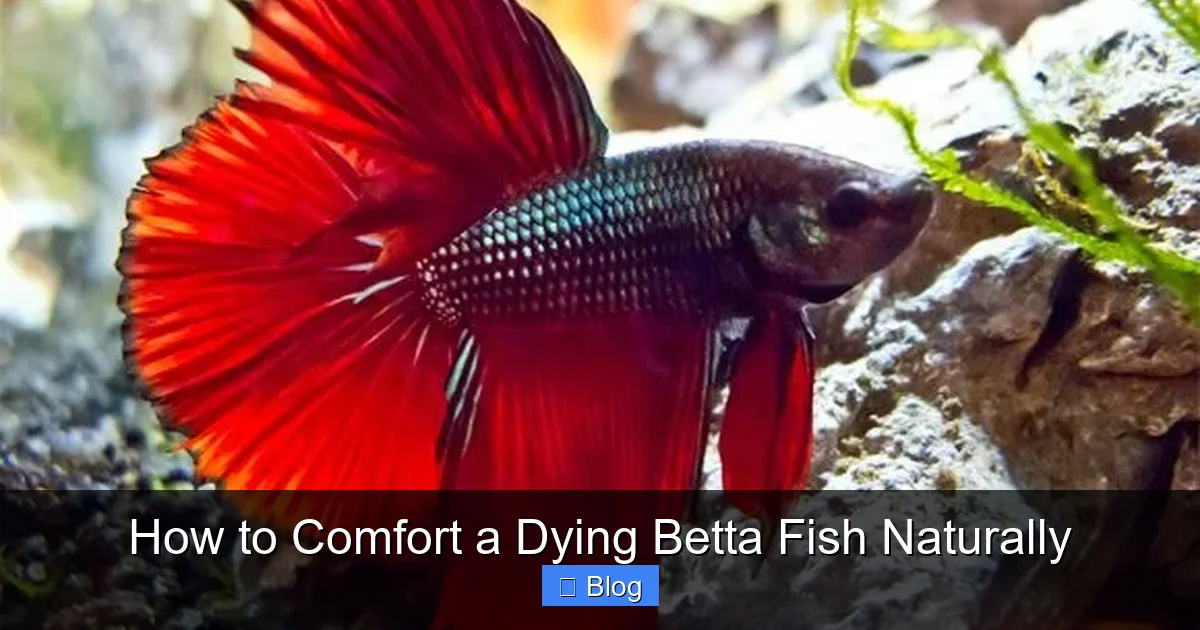
When a betta fish is nearing the end of its life, the focus shifts from curing to providing comfort. This involves optimizing water quality with gentle, natural methods, reducing all environmental stressors like bright lights and currents, and offering minimal, easily digestible nourishment. The most powerful comfort comes from calm, quiet presence and respecting your fish’s need for peace, making its final days as serene as possible.
Key Takeaways
- Prioritize pristine, stable water: Use natural filtration like Indian almond leaves and perform tiny, frequent water changes with perfectly matched parameters to reduce toxic stress without disturbance.
- Eliminate all stressors: Remove tank mates, turn off filters/air stones if safe, dim lights, and ensure the tank is in a quiet, draft-free location to create a sanctuary.
- Minimize handling: Avoid netting or moving the fish unless absolutely necessary for a tiny water change. Gentle interaction means calm observation, not physical contact.
- Offer simple, digestible food: Provide a single, soaked pellet or a small piece of cooked pea once daily if the fish shows interest; force-feeding causes severe stress.
- Understand natural decline: Lethargy, loss of appetite, and faded colors are common end-of-life signs. Comfort care focuses on easing discomfort, not reversing age or disease.
- Recognize the right time: If the fish is suffering with no relief (e.g., constant struggling, gasping, severe deformities), humane euthanasia is the final act of compassion.
- Care for yourself: Providing comfort is an emotional process. Acknowledge your grief and remember the peaceful environment you created was a gift.
📑 Table of Contents
Recognizing the Signs: Is Your Betta Dying?
Watching your vibrant, curious betta fish slow down is a heart-wrenching experience. These intelligent, personality-filled creatures bring so much joy, and seeing them decline can leave us feeling helpless. The first, most crucial step in providing comfort is recognizing the signs that your betta is in its final days or hours. This isn’t about starting a frantic cure; it’s about shifting your mindset to palliative, supportive care. Understanding what you’re seeing helps you respond appropriately and naturally, without causing more stress.
Common End-of-Life Behaviors
A dying betta often exhibits a distinct set of behaviors that signal a significant decline. The most obvious is extreme lethargy. You’ll find your betta resting on the tank bottom, often propped up on a plant leaf or decor, unable or unwilling to swim to the surface for air. Its movements, if any, will be slow, labored, and uncoordinated. A complete loss of appetite is another key indicator; it will ignore its favorite foods, even if they’re placed directly in front of it.
You may also notice significant physical changes. The brilliant, iridescent colors that once dazzled will fade to dull, muted tones. The fins may become clamped tightly against the body, a sign of severe stress or weakness. The gills might move rapidly and laboriously as the fish struggles to breathe, a condition known as gasping. Sometimes, a betta will isolate itself in a corner, hiding behind plants or in a cave, seeking solitude as it weakens. These are natural parts of the dying process for many fish.
Distinguishing Between Treatable Illness and Decline
This is the hardest part. How do you know if your betta has a treatable condition like a bacterial infection or if it’s simply succumbing to old age or an incurable ailment? Look for the response to basic comfort care. If you immediately improve the water and remove stressors, does the betta show even a flicker of interest in food or a slight improvement in buoyancy? A fish with a fighting chance will often perk up within 24-48 hours of optimal conditions. If there is no response at all after a day or two of pristine, calm water, it’s likely the decline is terminal. Natural comfort care is appropriate for both scenarios—it supports a treatable illness by removing stress, and it provides dignity during a natural decline.
The Foundation: Water Quality as Natural Comfort
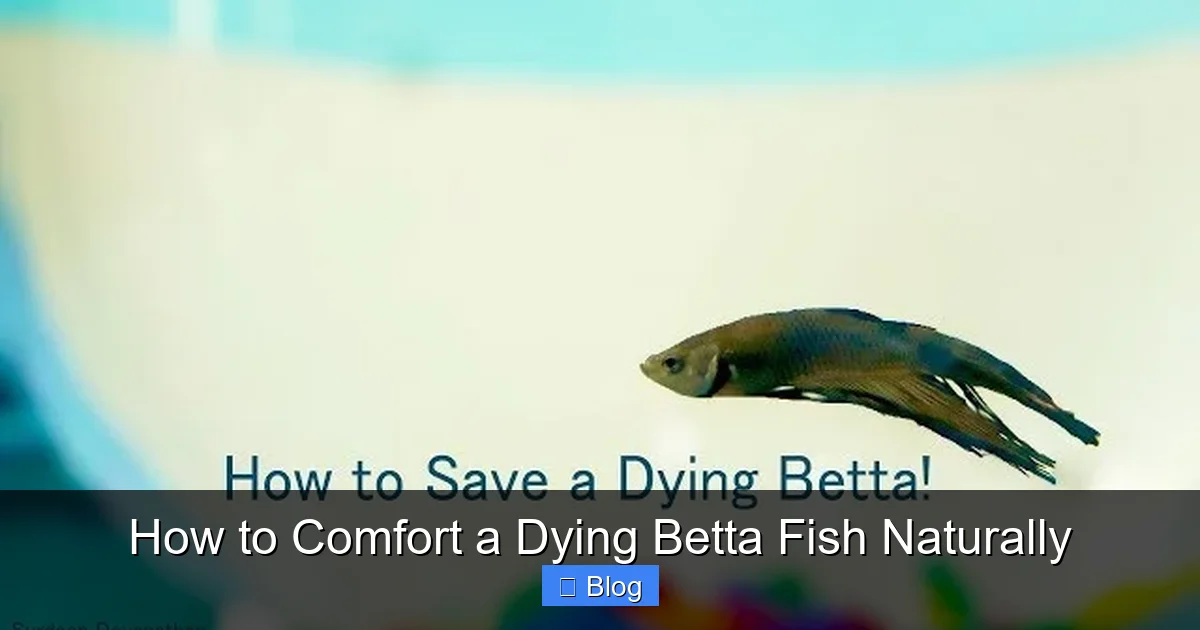
For a betta fish, water is everything. It’s the air it breathes, the medium it lives in, and the source of most of its stress. When a fish is dying, its body is under immense strain. Poor water quality—even levels deemed “acceptable” for a healthy betta—becomes a toxic burden. Therefore, the single most important thing you can do naturally is to perfect the water environment. The goal is to create a chemically stable, pristine habitat that minimizes the effort the fish’s failing body needs to expend on basic survival.
Visual guide about How to Comfort a Dying Betta Fish Naturally
Image source: i.ytimg.com
Perfecting Parameters Gently
Betta fish are sensitive to ammonia, nitrite, and nitrate, as well as pH swings. A dying fish cannot tolerate even trace amounts of ammonia. You must have a liquid-based test kit (like API or Salifert) to know your levels for sure. The ideal is ammonia and nitrite at 0 ppm and nitrate as close to 0 as possible (under 10 ppm is the absolute max for a sick fish). pH should be stable between 6.5 and 7.5. The key to achieving this naturally without shocking the fish is through micro-water changes.
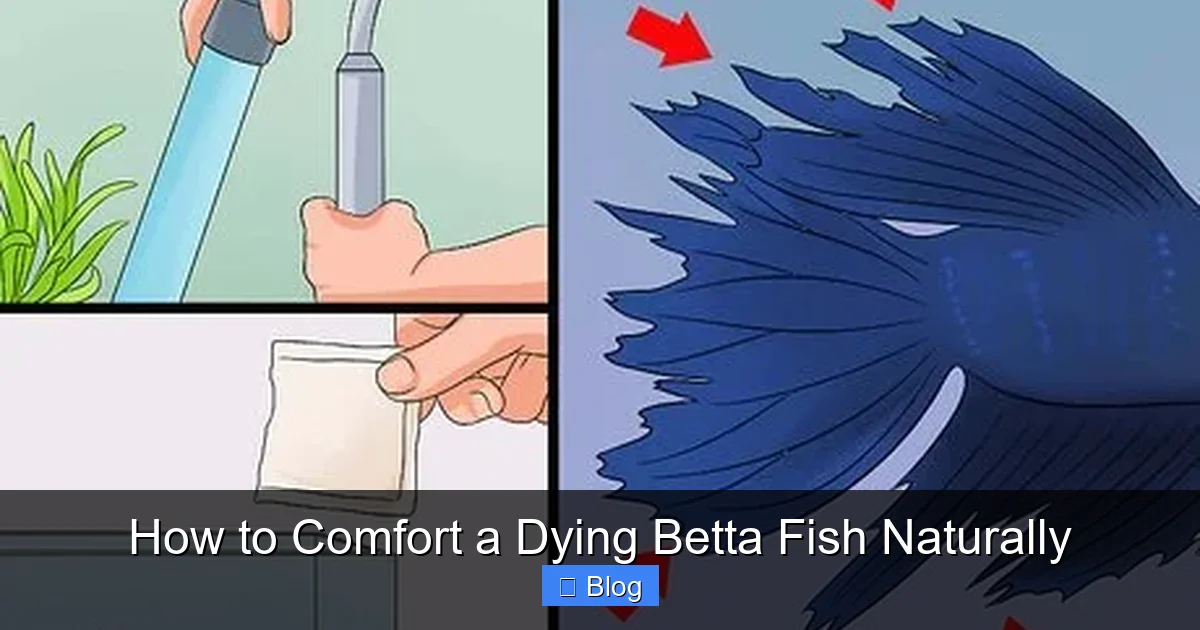
Instead of the standard 25% weekly change, perform a 10% change daily or every other day. Use a clean cup or gravel vacuum to gently remove old water. This dilutes toxins consistently without causing the drastic parameter shifts that stress a sick fish. The new water must be treated with a dechlorinator (like Seachem Prime) and matched exactly in temperature (use a thermometer!) and pH to the tank water. Let it sit for 15 minutes after mixing to ensure perfect harmony before adding it slowly back in.
Natural Filtration and Tannins
Consider adding natural elements that improve water quality and provide soothing tannins. A single, pre-soaked Indian Almond Leaf (IAL) is a powerful tool. As it decomposes, it releases tannins that have mild antibacterial and antifungal properties, can lower pH slightly, and create a soft, blackwater environment that mimics the betta’s native rice paddies. This is a natural stress reducer. You can also use a small piece of clean, untreated driftwood (like Mopani or Malaysian). These items also provide gentle hiding spots. Avoid chemical filter media resins or activated carbon during this phase, as they can remove beneficial tannins and medications if you ever need them.
The Importance of Temperature Stability
Betta fish are tropical. Their ideal temperature is 78-80°F (25.5-26.5°C). A dying fish cannot regulate its body temperature well. A drop of even 2-3 degrees can be fatal. Ensure your heater is functioning perfectly and set to a steady 79°F. Place a small, reliable aquarium thermometer directly in the tank to verify. If your home is drafty, consider a tank cover or moving the tank away from windows and air vents. Consistent, warm water is a basic comfort that supports the immune system and metabolism.
Crafting a Sanctuary: Tank Environment Modifications
Once the water is pristine and warm, you must transform the tank itself into a peaceful sanctuary. A dying betta has zero energy to navigate obstacles, fight currents, or process bright lights. Every aspect of the environment must be simplified and calmed. This is where you actively create a space of tranquility, using natural modifications that respect the fish’s fragility.
Visual guide about How to Comfort a Dying Betta Fish Naturally
Image source: wikihow.com
Eliminate Current and Noise
Standard hang-on-back (HOB) or internal filters often create a current too strong for a weak betta to swim against. They will exhaust themselves trying to stay still. If possible, temporarily remove the filter. The daily micro-water changes will handle bio-load if the tank is small (under 5 gallons) and you are diligent. If you must keep a filter, baffle it: wrap sponge around the intake, use a spray bar to diffuse flow, or direct the outflow against the glass. Turn off any air stones; the bubbles are unnecessary and create surface agitation that makes it harder for the betta to gulp air. A quiet, still water surface is essential.
Lighting and Visual Stress
Bright lights are a major stressor. They can hurt sensitive eyes and make a fish feel exposed and vulnerable. Turn off the tank light entirely. If you need some light to see the fish, use a very dim room light or a small, remote-controlled LED strip set to the lowest blue or red hue. The goal is near-darkness. Also, cover the back and sides of the tank with a dark cloth or paper. This removes visual stimuli from outside movement (people walking by, other pets) that can cause the fish to dart nervously, wasting precious energy.
Strategic Hiding and Resting Spots
A dying betta will seek security. Provide very easy, accessible places to rest. A large, smooth-leafed plant (silk or live, like Anubias attached to a rock) right near the water surface is perfect, as bettas like to rest just below it to easily access air. A flat, wide piece of slate or a pre-soaked coconut shell cave on the bottom provides a secure hiding spot. Ensure all decor has no sharp edges. The tank should feel like a protected den, not an open arena.
Water Depth and Surface Access
If the tank is very deep (over 12 inches), a weak betta may struggle to reach the surface for its labyrinth organ air. Consider temporarily lowering the water level to 8-10 inches. This reduces the distance it must swim to breathe. Ensure there is still enough water to cover any heaters fully. This simple adjustment can dramatically reduce physical stress.
The Art of Gentle Interaction
Our instinct when a pet is ill is to interact with it, to “help.” But with a dying betta, the kindest interaction is often non-interaction. Comfort for a fish is found in absence of stress, not in human attention. However, there is a nuanced way to be present that can be soothing for both of you.
Visual guide about How to Comfort a Dying Betta Fish Naturally
Image source: buildyouraquarium.com
Hands-Off is Best
This is the golden rule: Do not net the fish. Do not try to move it to a “hospital tank” unless the main tank is utterly unsuitable (e.g., has aggressive fish). The stress of capture and a new environment can be the final blow. All comfort care should be done in its established home tank. When performing your micro-water changes, work slowly and calmly. Do not chase the fish with a cup. If it’s resting on the bottom, gently pour the new water in an area away from it, letting it flow down the glass.
The Power of Quiet Presence
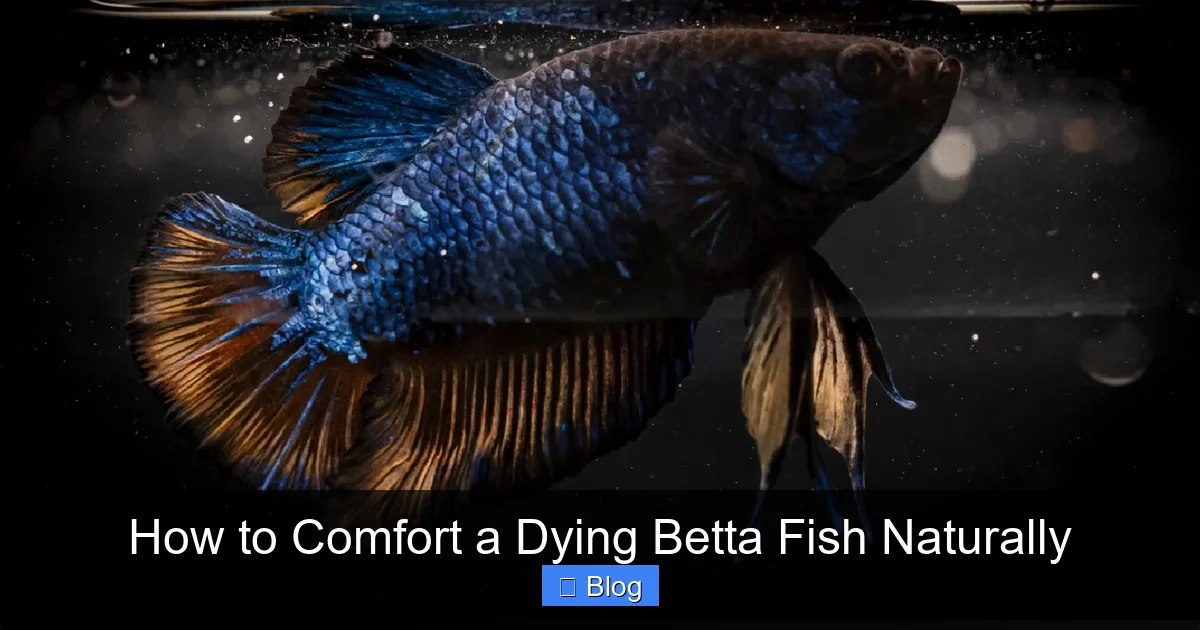
Your betta may recognize your shape and movements. Sitting quietly by the tank for 10-15 minutes, moving slowly and speaking in a soft, low voice, can be a form of comfort. It’s not that they understand words, but they sense vibration and pattern. A calm, predictable presence is less alarming than frantic worry. Avoid sudden movements, tapping on the glass, or having other pets (cats, dogs) stare at the tank. Create a bubble of calm around the aquarium.
Touch is Not Comfort
Never touch a betta fish. Their skin and slime coat are delicate. Poking or petting a weak fish is terrifying and can remove its protective mucus layer, inviting infection. The only exception might be if you are performing a humane euthanasia using a clove oil solution, which requires gentle netting—but that is a last-resort, planned procedure, not casual interaction.
Nourishment with Care: Dietary Adjustments
A dying betta will almost always stop eating. Its digestive system has shut down. Forcing food is one of the worst things you can do; it will sit in its gut and rot, causing fatal bloat and further discomfort. The approach to food must be natural, gentle, and entirely optional.
Fasting is Often Kind
It is perfectly normal for a fish in its final days to refuse food. Its body is using its stored energy reserves. Do not panic and try multiple foods. For at least 24-48 hours, offer nothing. This gives its system a complete rest. After this period, you may attempt a single, incredibly simple offering.
What to Offer (If Anything)
If you see the fish showing any curiosity—swimming slowly to the top—you can try one of these ultra-gentle options:
- A single, pre-soaked betta pellet: Use only a high-quality pellet. Soak it in a drop of tank water for 60 seconds until it’s soft and mushy. Place it right in front of the fish using a pipette or your finger (wash hands first!). If not eaten in 5 minutes, remove it with a pipette.
- A tiny piece of cooked pea: This is a classic for constipation, which can contribute to lethargy. Peel a green pea, boil it until soft, and mash a grain-of-rice-sized piece. Offer the same way.
- Daphnia or microworms: If you have a live culture, a single tiny live daphnia may trigger a feeding response due to its movement. This is the most natural food option.
Never offer flakes, frozen foods (unless daphnia), or multiple pellets. One attempt per day is more than enough. If the fish doesn’t eat, accept it. Its body is telling you it’s ready.
The Hardest Truth: Knowing When to Let Go
This is the most profound and difficult part of comforting a dying betta. Our love for them wants to prolong life at all costs. But true compassion sometimes means recognizing when life has become more suffering than living. Providing a peaceful, natural death is a final act of deep love.
Assessing Quality of Life
Ask yourself these questions honestly:
- Is the fish able to rest without constant struggle or gasping for air?
- Does it show any moments of curiosity or response to gentle presence?
- Is it free from visible, unmanageable pain (e.g., severe dropsy, a massive tumor impeding movement, constant flashing/rubbing from severe itch)?
- Have you provided optimal comfort care (water, temperature, no stress) for 48-72 hours with no improvement?
If the answer is “no” to most of these, the fish’s quality of life is severely compromised. Prolonging that state is not kindness. A peaceful, quiet passing in clean water is a dignified end.
Humane Euthanasia: The Final Comfort
When the time comes, a controlled, painless euthanasia is the most responsible and compassionate choice. The widely accepted, natural method for fish is using clove oil (eugenol). It acts as an anesthetic that, in a high enough concentration, gently stops the heart. It is not traumatic like physical methods.
How to do it: In a small, clean container (like a 1-quart bowl) with 1 cup of your tank’s water, add a pre-mixed emulsion of 1 part clove oil to 10 parts water (e.g., 1 ml clove oil + 10 ml water, shaken vigorously). Slowly add this mixture to the container until the fish loses all movement and gill movement ceases (usually within 5-10 minutes). A final dose ensures passing. This should be done with care, resolve, and sadness. It is not a failure; it is the last and greatest comfort you can provide.
Processing Your Grief
After your betta passes, take time for yourself. It’s okay to cry. You provided a loving home and a peaceful end. You can wrap your companion in a soft cloth and have a small ceremony. Clean the tank thoroughly with vinegar and water (no soap), and decide if you want to restock. Remember the joy they brought. The grief you feel is a testament to the bond you shared, and the peaceful environment you created in their final days was a true gift of love.
Frequently Asked Questions
How can I tell if my betta is just sleeping or actually dying?
Betta fish often rest on plants or the tank bottom. A sleeping betta will respond to gentle movement or food. A dying betta will show no response, have severely faded colors, clamped fins, and labored breathing (gasping). Prolonged lethargy (more than 24 hours) with no appetite is a major red flag.
Should I move a dying betta to a smaller “hospital tank”?
Generally, no. The stress of netting and moving to a new, unfamiliar environment can be fatal. It’s better to perform comfort care in its established home tank. Only move it if the main tank has incompatible tank mates or severe pollution you cannot fix immediately. A small, pristine, bare tank is a last resort.
Can I use tap water for water changes on a dying betta?
You can, but only if it is perfectly dechlorinated with a water conditioner and matched in temperature and pH to the tank water. Untreated tap water’s chlorine/chloramine will kill a weakened fish instantly. Always treat new water.
Are there any safe “natural” medicines or herbs I can add?
Stick to environmental changes first. Indian Almond Leaves are the safest natural additive for tannins and mild antimicrobial effects. Avoid adding random herbs or essential oils to the water—they can be toxic. If you suspect a specific bacterial infection, a very low dose of a broad-spectrum antibiotic like Maracyn (in a separate, small treatment container) may be considered, but often a dying fish’s system is too far gone.
When is the right time to consider euthanasia?
The right time is when your betta has no quality of life despite your best comfort care. Signs include: inability to rest without constant gasping or struggling, complete unresponsiveness, loss of all buoyancy control (flipping upside down), or suffering from a painful, incurable physical condition (like a large, rupturing tumor). If you are asking this question, it is likely time to consult a vet or learn the clove oil method.
How do I cope with the loss of my betta fish?
Acknowledge your grief. You loved a small creature deeply. Write down your favorite memories of their personality. Create a small memorial. Understand that you provided excellent care and a peaceful end, which is a profound gift. It’s okay to take a break from fishkeeping before starting again, if you choose to.