How to Destress My Betta Fish
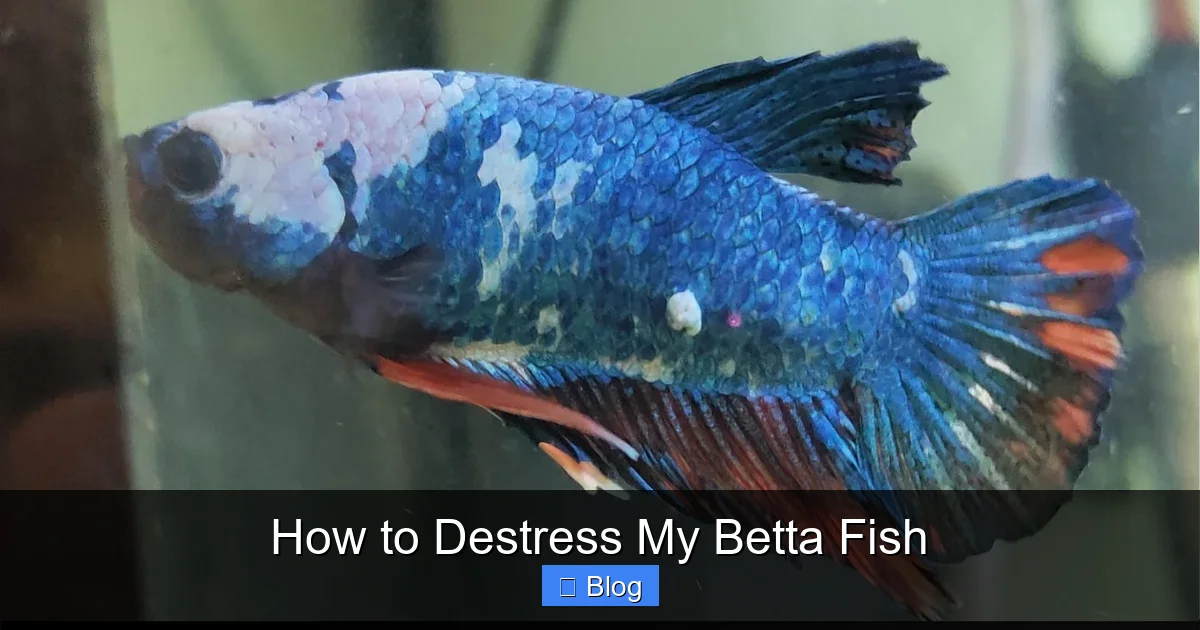
Stressed betta fish display fading colors, clamped fins, and lethargy, often due to poor water quality, boring tanks, or incorrect diets. The key to a happy betta is a filtered, heated 5+ gallon tank with gentle plants, clean warm water, high-protein food, and mental stimulation. Consistent care and observation are non-negotiable for long-term betta health and vibrancy.
You brought home a betta fish, that dazzling, living jewel with a personality all its own. But lately, your vibrant friend seems… off. Maybe the colors are duller. The fins are held tight against the body. He’s hiding in the back corner of the tank, ignoring his food, or swimming erratically along the glass. Your heart sinks. You want to know, more than anything, how to destress my betta fish. This feeling is common, and the good news is that most betta stress is entirely within your control. Stress in bettas isn’t just about comfort; it’s a direct path to disease, a weakened immune system, and a shortened, unhappy life. This comprehensive guide will walk you through every single factor that impacts your betta’s mental and physical well-being. We’ll move from the foundational (like water and heat) to the nuanced (like enrichment and health). By the end, you will have a clear, actionable blueprint to transform your betta’s environment and restore that sparkle and spirit you fell in love with.
Think of your betta not as a simple pet, but as a sensitive, intelligent creature evolved for the shallow, warm, plant-dense waters of Southeast Asia. Our tap water, glass tanks, and artificial lights are a vastly different world. Our job as caregivers is to bridge that gap as best we can. Chronic stress suppresses a betta’s immune function, making them susceptible to illnesses like fin rot, ich, and velvet. It can cause them to flare (gill and fin expansion) constantly, burning precious energy. It can even lead to self-harm, like tail-biting from sheer boredom or frustration. Destressing your betta is the ultimate form of preventative healthcare. It’s about creating a sanctuary, not just a container. Let’s build that sanctuary together, step by step.
Key Takeaways
- Water Quality is Everything: Toxins like ammonia and nitrite are silent killers. A cycled filter and regular 25% water changes are the single most important steps to destress my betta fish.
- Tank Size Matters: A 5-gallon minimum is essential. Small bowls cause chronic stress, depression, and a weakened immune system.
- Warmth is a Requirement: Bettas are tropical fish. Water below 76°F suppresses their immune system and digestion, leading to constant stress. A reliable heater is mandatory.
- Diet is Destress Medication: Overfeeding pollutes water. Underfeeding causes malnutrition. Feed high-quality, protein-rich foods in small portions 1-2 times daily.
- Boredom Causes Stress: A bare tank is a stressful tank. Add silk plants, caves, and safe decor to provide security and exploration opportunities.
- Observation is Prevention: Learn your betta’s normal behavior. Any deviation—clamped fins, loss of appetite, frantic swimming—is an early distress signal to act on immediately.
📑 Table of Contents
- 1. The Foundation: Water Quality & The Nitrogen Cycle
- 2. The Correct Home: Tank Size, Heat, and Gentle Decor
- 3. Nutrition: Feeding a High-Quality, Stress-Reducing Diet
- 4. Mental Stimulation & Environmental Enrichment
- 5. Recognizing & Addressing Distress Signals
- 6. Special Considerations: Tank Mates & Long-Term Maintenance
1. The Foundation: Water Quality & The Nitrogen Cycle
If you only take one thing from this guide, let it be this: water quality is the #1 determinant of betta health and stress levels. Bettas are extremely sensitive to toxins. Their natural habitat is in slow-moving, heavily vegetated water where biological filtration is constant. In our tanks, fish waste, uneaten food, and decaying plant matter create ammonia (NH3/NH4+). Ammonia is acutely toxic, burning gills and skin. Beneficial bacteria (the good guys) convert this ammonia first to nitrite (NO2-), which is also highly toxic, and then to nitrate (NO3-), which is far less harmful but still needs to be managed through water changes. This process is the nitrogen cycle. A tank that is not fully cycled is poisoning your fish daily, causing immense, invisible stress.
How to Achieve and Maintain a Cycled Tank
Cycling a tank means establishing a robust population of these beneficial bacteria. It takes 4-6 weeks and cannot be rushed. You must add an ammonia source (pure ammonia, fish food, or a hardy fish like a few minnows—though “fishless cycling” is preferred) and test the water regularly with a liquid test kit (API Freshwater Master Test Kit is the gold standard). You’ll see ammonia spike, then drop as nitrite appears and spikes, then both drop to zero as nitrate rises. The cycle is complete when you can add ammonia and see it convert to nitrate within 24 hours with zero ammonia or nitrite reading. Only then is it safe for your betta.
For an already-established tank: Test your water weekly. Your goal is Ammonia: 0 ppm, Nitrite: 0 ppm, Nitrate: <20 ppm. Anything above this is a stressor. To maintain this:
- Use a Filter: A gentle, adjustable filter (like a sponge filter or a hang-on-back with a flow diffuser) provides essential mechanical and biological filtration. The flow must not be so strong it pushes your betta around.
- Perform Regular Water Changes: This is non-negotiable. Change 25% of the water weekly, using a gravel vacuum to remove debris from the substrate. Always treat new water with a dechlorinator that also detoxifies ammonia and nitrite (like Seachem Prime).
- Don’t Overclean: Never wash your filter media in tap water, as it kills the beneficial bacteria. Only rinse it gently in old tank water during water changes.
A clean, stable water environment is the bedrock of a destressed betta. You will see immediate improvements in energy and color once toxin levels are consistently at zero.
2. The Correct Home: Tank Size, Heat, and Gentle Decor
The iconic betta in a tiny, decorative bowl is a image of stress. Bettas are active, intelligent fish that need space to explore. A 1-gallon “bowl” is a prison that rapidly fouls and cannot maintain stable temperature or water parameters. This constant environmental instability is a profound source of chronic stress.
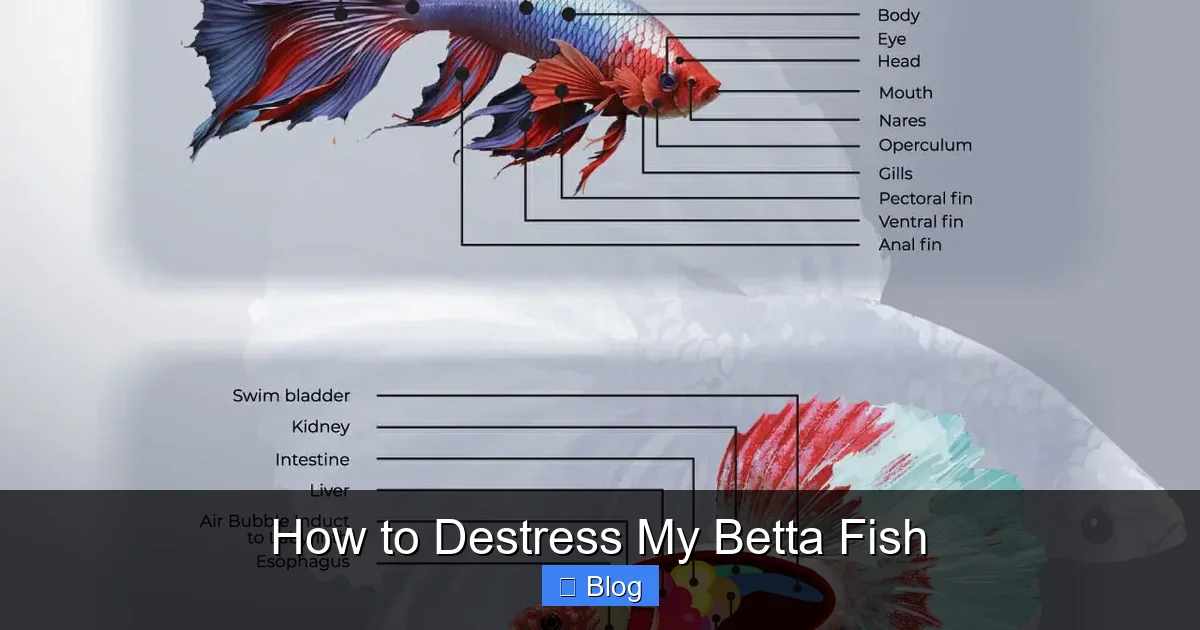
Visual guide about How to Destress My Betta Fish
Image source: ekk4j69ebaa.exactdn.com
Tank Size: The 5-Gallon Minimum Rule
While a betta *can* survive in 2.5 gallons, a 5-gallon tank is the absolute minimum standard for a healthy, destressed life. Here’s why: larger water volume dilutes toxins, making water changes more effective and parameters more stable. It provides meaningful swimming space. It allows for proper filtration and heating without extreme temperature fluctuations. It gives you room to create a truly enriching environment. A 5-gallon long or standard rectangle tank is ideal. If you have space, 10 gallons is even better. The investment in a proper tank is the single biggest thing you can do to destress my betta fish.
Heating: The Non-Negotiable Heater
Bettas are tropical fish, native to waters consistently between 75-82°F (24-28°C). Their metabolism, digestion, and immune system function optimally in this range. Water that is too cold (below 76°F) slows their metabolism, leading to constipation, bloating, and a severely compromised immune system. It literally makes them depressed and sluggish. You must use an adjustable aquarium heater. A 25-50 watt heater is appropriate for a 5-gallon tank. Use a reliable thermometer (digital or glass) to verify the temperature. Do not guess. Consistency is key—avoid temperature swings.
Gentle, Safe Decor: Security and Exploration
A betta’s instinct is to claim territory and have places to hide. A bare tank is an exposed, stressful arena. However, not all decor is safe. Avoid anything with sharp edges, rough textures, or small holes that could trap fins. Plastic plants with stiff, plastic leaves can tear delicate betta fins. The solution:
- Live or Silk Plants: These are perfect. Floating plants like Salvinia or Duckweed (or their silk counterparts) give a sense of security from above, mimicking their natural canopy. Broad-leaved plants provide resting spots near the surface where bettas love to lounge.
- Caves and Hiding Spots: Use ceramic or PVC caves, or carefully stack smooth river rocks. Ensure there is always an open escape route—a betta should never feel cornered.
- Substrate: Sand or smooth gravel is fine. Avoid sharp gravel.
- Mirrors: Used sparingly (5-10 minutes a day), a mirror can provide mental stimulation by triggering natural flaring behavior, which is exercise. But overuse can cause excessive stress, so limit it.
Arrange your decor to break up lines of sight, creating a more complex, interesting, and secure landscape. This reduces stress by giving your betta control over its visibility—it can choose to be out in the open or hidden.
3. Nutrition: Feeding a High-Quality, Stress-Reducing Diet
You might not think of food as a stressor, but poor nutrition and feeding practices are huge contributors to betta distress. Overfeeding is the most common mistake. It leads to constipation (which can cause swim bladder issues, making the fish float upside down—a major stressor for both of you), and uneaten food immediately decomposes, fouling your pristine water with ammonia.
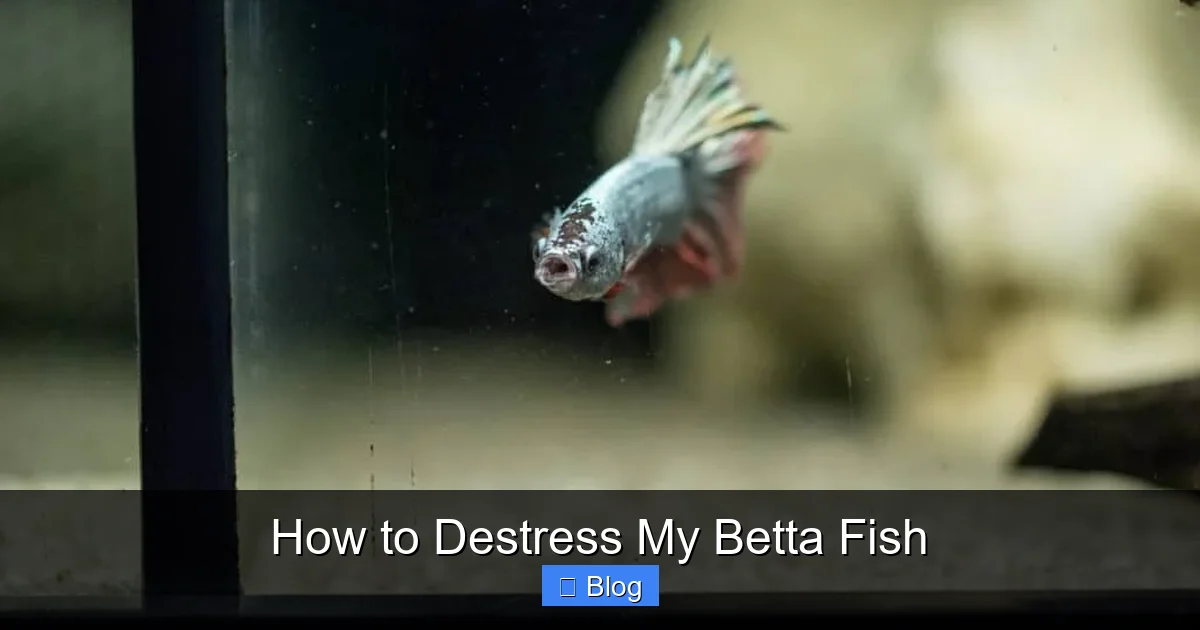
Visual guide about How to Destress My Betta Fish
Image source: aquariadise.com
What to Feed: Protein is Paramount
Bettas are carnivores (insectivores, specifically). Their diet in the wild is mostly insects and larvae. A good staple diet should be:
- High-Quality Pellets: Look for pellets where the first 3-5 ingredients are whole fish or seafood (e.g., salmon, shrimp, krill). Avoid fillers like wheat, soybean meal, or potato. Brands like New Life Spectrum, Hikari, and Bug Bites are excellent. Soak pellets in tank water for a minute before feeding to prevent digestive issues.
- Frozen or Freeze-Dried Foods: These are fantastic for variety and nutrition. Daphnia (water fleas) are a perfect, natural laxative and great for preventing constipation. Bloodworms and brine shrimp are also excellent treats. Always rinse frozen foods before feeding.
How Much and How Often: The “Less is More” Rule
Feed only what your betta can consume in 2-3 minutes, once or twice a day. A good rule of thumb: 2-3 pellets per feeding for an adult betta, or a small pinch of frozen food. Their stomachs are roughly the size of their eye. It’s better to underfeed slightly than overfeed. Fasting one day a week is actually beneficial for their digestive system. Never feed until they stop eating—you’ve already given too much. Watch for a slightly rounded belly; that’s full. Consistent overfeeding is a direct ticket to poor water quality and digestive stress.
4. Mental Stimulation & Environmental Enrichment
A physically healthy betta in a perfectly filtered, heated, spacious tank can still be bored. And a bored betta is a stressed betta. In the wild, they spend their days exploring dense vegetation, hunting for insects, and establishing small territories. A bare tank with nothing to interact with leads to lethargy, a lack of natural behaviors, and in extreme cases, tail-biting or glass surfing (repetitive swimming along the tank walls). Enrichment is a critical, often overlooked, part of how to destress my betta fish.
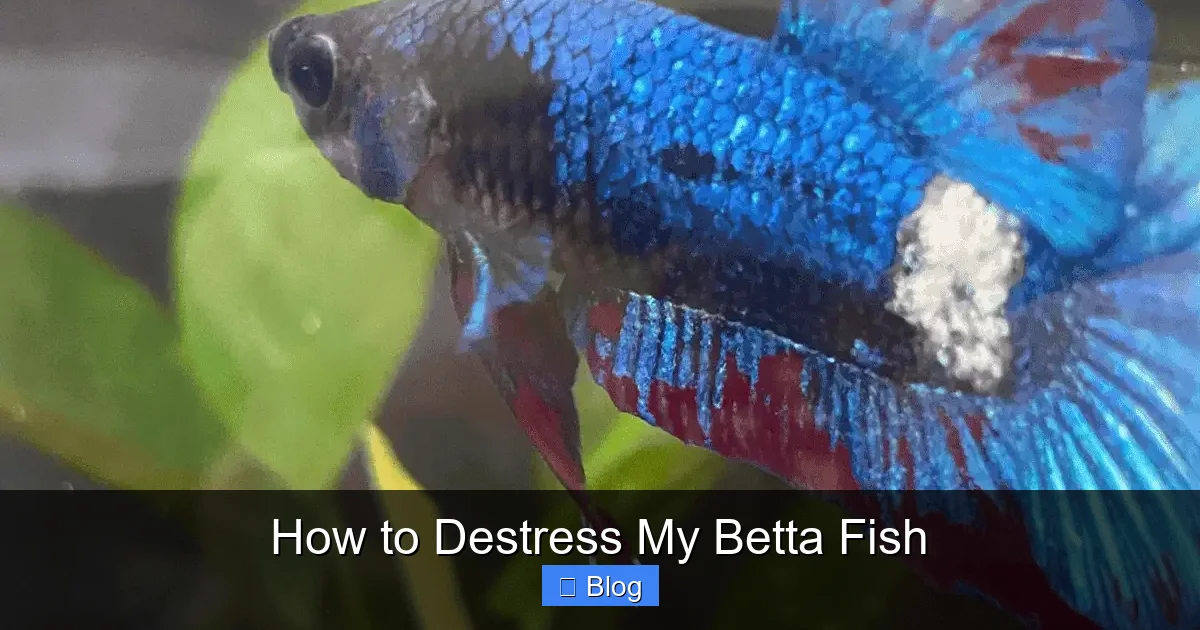
Visual guide about How to Destress My Betta Fish
Image source: petfishonline.com
Creating a Complex Environment
We touched on decor, but let’s expand. The goal is to create a landscape that changes as your betta moves through it.
- Vertical Layers: Use taller plants in the back, medium in the middle, and floating plants at the top. This creates different “floors” and “ceilings” for your betta to navigate.
- Open Space + Hiding Spots: Provide a clear swimming area in the front, but ensure there are plants or decor right at the sides and back. This gives them a choice—be out in the open or retreat to a cave.
- Changing the Layout: Every few months, gently rearrange some plants or ornaments (during a water change is easy). This creates a “new” environment to explore, stimulating curiosity.
Interactive Enrichment & Safe Toys
Bettas are智能 and can learn. You can interact with them:
- The Floating Ball: A clean ping pong ball or a marble on the water’s surface can be pushed around by your betta. Some learn to nudge it intentionally.
- Target Training: With patience and a food reward, you can teach your betta to follow a target (like a chopstick with a colored tip) or even jump for food.
- Safe Objects: A clean, smooth terracotta pot on its side makes a great cave. A clean, sealed plastic figurine (no small parts) can be an interesting object. Always supervise any new item for sharp edges.
- Live Food Hunting: Occasionally, releasing a few live or freshly hatched brine shrimp or daphnia into the tank allows your betta to engage in natural hunting behavior. This is highly stimulating.
Enrichment reduces stress by providing mental challenges, exercise, and an outlet for natural behaviors. A stimulated betta is a confident, active, and colorful betta.
5. Recognizing & Addressing Distress Signals
Even with perfect care, issues can arise. The key is to be a detective, observing your betta daily. Early detection of stress is crucial to prevent a minor issue from becoming a fatal disease. Here are the common signs of a stressed betta and what they mean:
Physical & Behavioral Signs of Stress
- Faded or Pale Colors: This is the classic “stress color” or “submissive color.” A happy, healthy betta is vibrant. Dullness indicates something is wrong.
- Clamped Fins: Fins held tightly against the body, rather than being flared and flowing. This is a sign of discomfort, illness, or poor water.
- Lethargy & Hiding: Spending all day at the bottom, not moving much, or constantly hiding behind decor. Normal bettas are active explorers.
- Loss of Appetite: Ignoring food or eating very little.
- Frantic Swimming / Glass Surfing: Swimming rapidly up and down the glass, often in a repetitive pattern. This can indicate poor water quality, boredom, or a parasite like flukes.
- Gasping at the Surface: Constantly swimming to the top and taking gulps of air. This can indicate poor water quality (high ammonia/nitrite) or insufficient oxygen (though bettas are labyrinth fish and breathe air, this behavior is still a red flag).
- Flaring Gills & Fins Constantly: While flaring is natural during displays, constant, agitated flaring (even with no mirror or other fish visible) is a sign of extreme stress or irritation.
- Physical Damage: Torn or frayed fins, white spots (ich), fuzzy growths (fungus), or red streaks (hemorrhaging/bacterial infection). These are often the *result* of stress weakening the immune system.
The Immediate Action Plan When You See Signs
If you observe any of these, don’t panic. Be systematic:
- Test Your Water IMMEDIATELY. This is step one, always. Use your liquid test kit. If ammonia or nitrite is present, perform an immediate 25-50% water change with dechlorinated, temperature-matched water. Repeat daily until readings are zero.
- Check Your Heater & Thermometer. Is the temperature in the correct range (78-80°F is ideal)?
- Review Your Feeding. Have you overfed? Fast for 24-48 hours if constipation is suspected (look for a swollen abdomen).
- Observe the Environment. Is there a new decoration that could be leaching toxins? Is the filter flow too strong? Is a loud noise or frequent tapping on the glass disturbing him?
- Quarantine if Needed. If you add any new fish or plants, they must be quarantined separately to prevent introducing disease.
Often, correcting the underlying environmental issue (water, temperature, space) resolves the stress symptoms. If physical disease is present (spots, fuzz), you may need to begin a targeted treatment in a hospital tank, but always improve the main tank conditions first, as a stressed fish will not fight off illness effectively.
6. Special Considerations: Tank Mates & Long-Term Maintenance
Two other major areas impact betta stress are company and long-term habits.
Tank Mates: A High-Risk, High-Reward Gamble
The common myth is that bettas are always aggressive. While males are notoriously territorial with other bettas, they can sometimes coexist with the right tank mates in a properly sized, heavily planted tank. However, choosing tank mates is the #1 way to introduce chronic stress for a betta. A bad choice leads to constant chasing, fin nipping, and terror. Rules of thumb:
- NO other bettas. A male with a female is risky and should only be attempted by experts for breeding. Two females can sometimes work in a “sorority” tank of 5+ in a very large, heavily planted setup, but it’s advanced.
- NO long-finned, slow-moving fish. Guppies, fancy goldfish—the betta will see their flowing fins as a rival and nip them.
- Target peaceful, fast-moving, non-territorial fish. Good candidates for a 10+ gallon tank include: small schools of neon tetras or ember tetras, harlequin rasboras, corydoras catfish, or kuhli loaches. These fish occupy different tank levels and are fast enough to evade a curious betta.
- ALWAYS have a backup plan. Be prepared to separate the betta immediately if aggression occurs. Have a spare 5-gallon tank ready as a “hospital” or isolation tank.
- When in doubt, keep your betta alone. A single betta in a well-enriched 5-gallon tank is far less stressed than one living in fear of an incompatible tank mate. For many bettas, solitude is the kindest choice.
Building a Sustainable Routine
Destressing your betta isn’t a one-time fix; it’s a lifestyle. Consistency prevents stress from creeping back in.
- Weekly Water Change Ritual: Same day, same time. Make it a habit. Use a gravel vacuum. Test water before and after if you’re troubleshooting.
- Daily Observations: Spend 2 minutes each day just watching your betta. Note its behavior, appetite, and appearance. This turns you into an expert on *your* fish.
- Monthly Decor Check: Ensure no sharp edges have developed on rocks or ornaments. Rinse filter media in old tank water if it’s getting clogged.
- Seasonal Deep Clean: Every 3-4 months, do a more thorough cleaning: wipe the glass, clean the heater and filter intake, and prune plants.
- Keep a Log: Jot down water parameters, changes made, and observations. This is invaluable for spotting trends.
The goal is to create a stable, predictable world for your betta. They thrive on routine and consistency. By making proper care a habit, you remove the variable of human error, which is a primary source of stress.
Frequently Asked Questions
How can I tell if my betta fish is stressed or just sleeping?
A sleeping betta will be still, often resting on a plant leaf or the substrate, but its fins will be relaxed and colors may be normal. A stressed betta shows physical signs like clamped fins, faded colors, and erratic behavior like frantic swimming or hiding. Lethargy combined with clamped fins and paleness is a clear stress signal, not rest.
Can a betta fish recover from severe stress?
Yes, absolutely, if the source of stress is identified and removed quickly. The key is pristine water quality, optimal temperature, and a quiet, enriched environment. Recovery can take days to weeks. Be patient, maintain perfect water parameters, and feed high-quality foods. Severe, prolonged stress can cause permanent damage, so early intervention is critical.
Is it normal for my betta to flare at his reflection? Is this stressful?
Flaring (puffing out gills and fins) at their reflection is a natural territorial response. Short, occasional flaring (a few minutes a day) is actually good exercise and mental stimulation. However, if your betta is spending hours frantically flaring and chasing his reflection, it becomes exhausting and stressful. In that case, use a background on the tank glass to obscure the reflection.
My betta tank is filtered and heated. Why is he still stressed?
Check the fundamentals: Is the tank at least 5 gallons? Is the heater maintaining 78-80°F? Is the filter flow too strong? Use a flow diffuser or sponge on the output. Most importantly, test your water. Even with a filter, toxins can build up if the tank isn’t cycled or water changes are infrequent. 90% of persistent stress comes from water quality issues.
Can I use Indian Almond Leaves to destress my betta?
Yes, Indian Almond Leaves (IAL) are an excellent natural remedy. They release tannins that lower pH slightly, have mild antibacterial/fungal properties, and mimic the natural blackwater environment bettas come from. They can reduce stress, boost immune function, and even aid in healing. Use one small leaf per 5-10 gallons, pre-soaked. They will tint the water brown, which is normal and beneficial.
My betta is in a community tank with “peaceful” fish but is still hiding. What now?
Even with “peaceful” species, individual personalities clash. Your betta may be intimidated by the activity or number of fish. Hiding is a classic sign of stress. The solution is to provide significantly more hiding spots (dense planting, multiple caves) and vertical space. If the behavior persists, the kindest and most effective solution is to move your betta to a solo tank where he can thrive without fear.