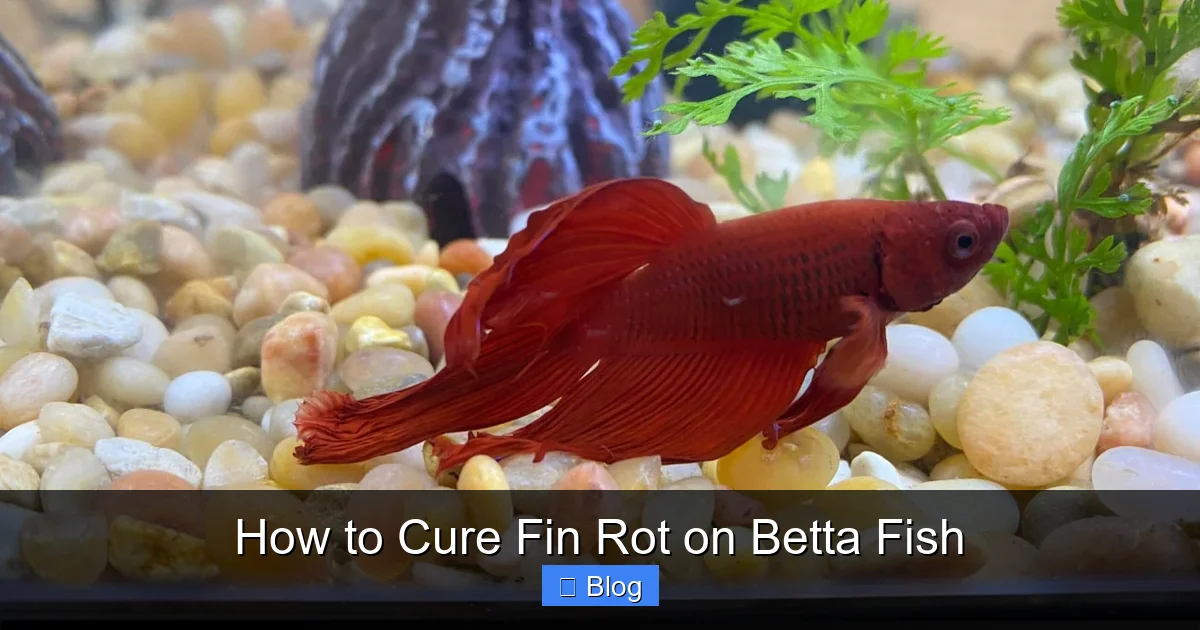
How to Cure Fin Rot on Betta Fish
Fin rot is a common but treatable bacterial or fungal infection in betta fish, characterized by frayed, decaying fins. The primary cure involves improving water quality through frequent changes and using appropriate medications like antibiotics or antifungals. Isolating the sick betta in a hospital tank and maintaining pristine water conditions are the most critical steps for recovery.
You gasp as you glance at your beautiful betta fish, the jewel of your aquarium. That majestic, flowing veil of a half-moon tail… it’s looking ragged. The edges are uneven, maybe white or black, and seem to be receding. A cold knot forms in your stomach. This is fin rot, a dreaded condition every betta owner fears. But take a deep breath. This is not a guaranteed death sentence. In fact, with swift, correct action, fin rot is highly curable. Your betta can regrow its stunning fins to their former glory. This guide will walk you through every single step, from confident identification to full recovery and long-term prevention. We’ll turn your panic into a proactive plan.
Key Takeaways
- Fin rot is a symptom, not a disease: It’s caused by poor water quality, stress, or injury, which allows opportunistic bacteria or fungi to infect the fish’s fins.
- Water quality is the #1 cure and preventative: Ammonia and nitrite spikes are the main culprits. Regular water changes and a cycled filter are non-negotiable for treatment and long-term health.
- Isolation is essential: A bare “hospital tank” prevents the infection from worsening, allows for precise medication dosing, and protects tank mates.
- Medication must match the cause: Use broad-spectrum antibiotics (like Kanamycin) for bacterial rot and antifungals (like Methylene Blue) for fungal rot. Often, a combination is safest.
- Epsom salt aids recovery: Aquarium salt (sodium chloride) is not for fin rot, but Epsom salt (magnesium sulfate) can reduce swelling and stress in the affected fish.
- Nutrition boosts the immune system: High-quality, protein-rich foods and immune-boosting supplements like garlic or vitamin C help your betta fight the infection from within.
- Prevention is always better: A stable, warm (78-80°F/25.5-26.5°C) cycled tank with gentle filtration, no sharp decor, and a varied diet is the best defense against fin rot.
📑 Table of Contents
- Understanding the Enemy: What Exactly Is Fin Rot?
- The Root Causes: Why Did This Happen to My Betta?
- The Immediate Action Plan: Your First 24 Hours
- Treatment Protocols: Medications and Methods
- Supporting Recovery: The Crucial Aftercare
- Prevention: Never Let Fin Rot Return
- Conclusion: Your Betta’s Second Chance
Understanding the Enemy: What Exactly Is Fin Rot?
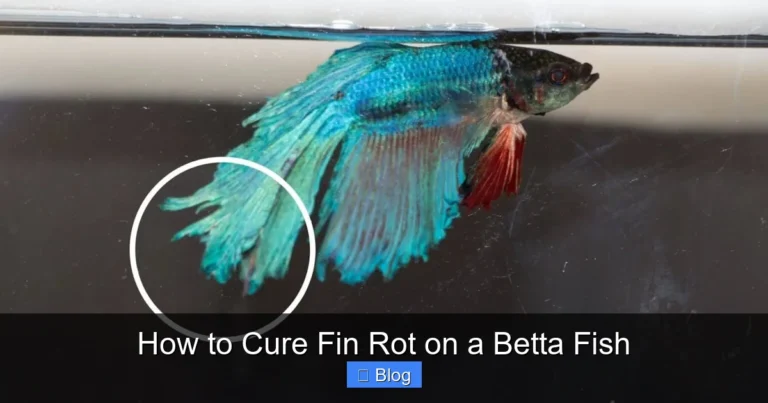
Before we fight, we must know what we’re dealing with. Fin rot isn’t a single pathogen. It’s a clinical sign—the visible decay of fin tissue—caused by two main types of infection: bacterial and fungal. They often occur together. To the untrained eye, they look similar, but there are subtle clues.
Bacterial Fin Rot: The Common Culprit
Bacterial fin rot is far more frequent. It’s typically caused by gram-negative bacteria like Aeromonas or Pseudomonas species, which are always present in your tank water at low levels. The infection takes hold when your betta’s immune system is compromised. The fins appear shredded, as if something has taken tiny bites out of them. The edges are often uneven, jagged, and may be discolored—sometimes white, sometimes red, or even black. A slimy, milky appearance or a distinct foul odor (like rotting flesh) is a classic sign of a bacterial bloom.
Fungal Fin Rot: The Secondary Invader
Fungal infections, often from Saprolegnia, usually follow a bacterial infection or a significant physical injury. They thrive in poor water conditions. Look for a cotton-like, fluffy white growth on the damaged fin edges. The fin rot might start bacterial, then a fuzzy mold develops on the necrotic (dead) tissue. Fungal infections are less common as the primary issue but can complicate a bacterial case.
Why Bettas Are Particularly Vulnerable
Betta splendens have been selectively bred for centuries for their magnificent, elaborate fins. This beauty comes at a cost: their fins are delicate, prone to tearing on rough decorations, and their long, flowing tails create drag, making them more susceptible to injury. Combined with their labyrinth organ (which allows them to breathe air) making them tolerant of poor water conditions (a dangerous myth), betta owners sometimes slack on water changes. This perfect storm of fragile fins and often-suboptimal water quality makes bettas prime targets for fin rot.
The Root Causes: Why Did This Happen to My Betta?
Treating the symptom (the rotting fin) without addressing the cause is a recipe for relapse. Fin rot is a red flag that something is fundamentally wrong in your betta’s environment. Here are the primary triggers you must investigate.
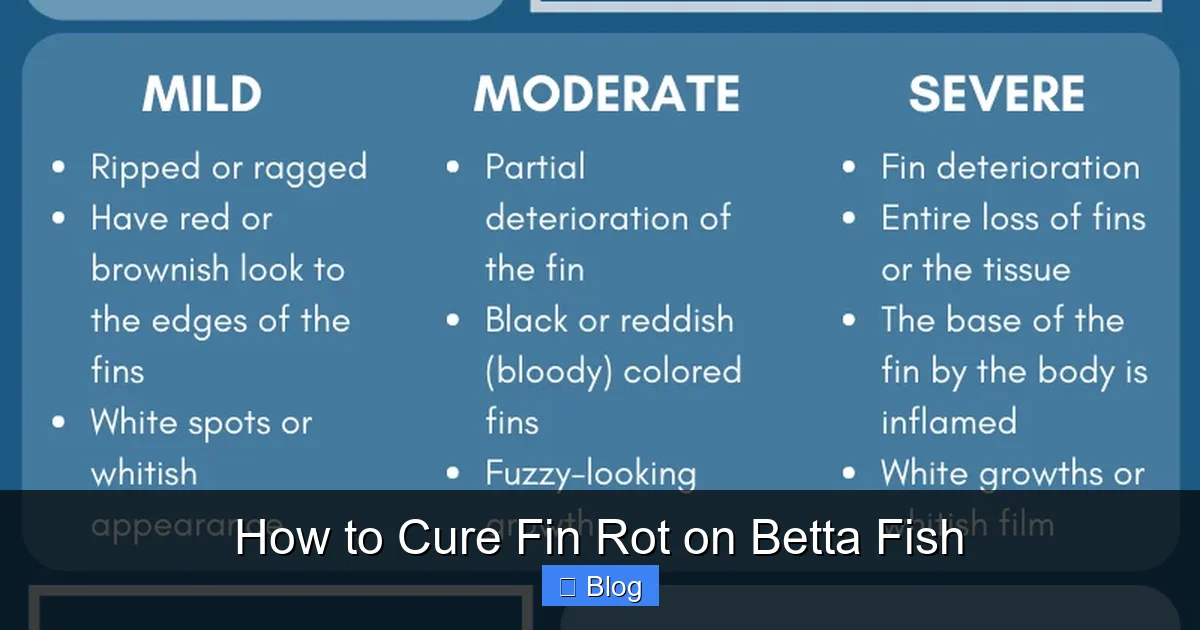
Visual guide about How to Cure Fin Rot on Betta Fish
Image source: tankarium.com
Poor Water Quality: The #1 Offender
This cannot be overstated. Ammonia (NH3/NH4+) and nitrite (NO2-) are toxic to fish on a cellular level. Even low levels (0.25 ppm ammonia) suppress the immune system and damage delicate fin membranes, creating an open wound for bacteria to invade. A cycled, fully established aquarium should have zero ammonia and nitrite. If your test kit shows any reading, you have a major problem. Overfeeding, decaying plant matter, a clogged filter, or an overstocked tank all contribute to toxic spikes.
Cold Water: A Silent Stressor
Bettas are tropical fish. Their immune system functions optimally between 78°F and 80°F (25.5°C – 26.5°C). Water colder than 76°F (24.4°C) slows their metabolism and severely weakens their immune response, giving pathogens the upper hand. An inconsistent heater or a room that gets chilly at night can be enough to trigger issues.
Physical Injury: The Open Door
A torn fin from a sharp plastic plant, a rough filter intake, a territorial fight with a tank mate (even a peaceful one if space is tight), or even enthusiastic flaring at its own reflection provides the initial wound. Bacteria in the water immediately colonize this injury site, and fin rot begins.
Chronic Stress: The Weakening Agent
Stress hormones (like cortisol) suppress the immune system. What causes stress? A noisy location, bright lights with no hiding spots, aggressive or incompatible tank mates, a tiny bowl or tank (a 5-gallon tank is the absolute minimum for a betta), and inconsistent water parameters. A chronically stressed betta is a betta waiting to get sick.
The Immediate Action Plan: Your First 24 Hours
Do not panic and dump every medication you own into the tank. A systematic approach is key. Your first 24 hours are about assessment, isolation, and creating the optimal environment for healing.
Step 1: Confirm the Diagnosis
Look closely. Is the fin tissue actually decaying and receding, or is it just a simple tear? Is there white fuzz (fungus)? Is there a slimy coat? Smell the water (not directly, waft it). A foul, “off” smell points strongly to bacteria. If you’re unsure, take a clear, close-up photo and seek help from a reputable betta forum or group. Misidentification can lead to wrong treatment.
Step 2: Set Up a Hospital Tank
This is the single most important step. You must move your betta to a separate, bare quarantine tank. A 2.5 to 5-gallon tank is ideal. It needs:
- No substrate: Bare bottom for easy cleaning and observation.
- No decor: Absolutely no plants, rocks, or hiding spots that can harbor bacteria and be hard to sterilize. Use a single, smooth, pre-sterilized ceramic pot or a piece of driftwood with no sharp edges if your betta is extremely stressed and needs a barrier.
- A secure lid: Bettas are jumpers, especially when stressed.
- A gentle heater and filter: A sponge filter is perfect—it provides biological filtration with minimal current. Ensure the heater is fully submerged and set to 80°F (26.7°C).
- Clean, treated water: Use dechlorinated water from your main tank or freshly treated with a water conditioner. Do not use water from the infected main tank.
Step 3: The First Water Change & Salt Bath
In the hospital tank, perform an immediate 50% water change with clean, temperature-matched water. For the first treatment, a short salt bath can help reduce stress and osmoregulate the fish. Use Epsom salt (magnesium sulfate), NOT aquarium salt (sodium chloride), which can harm freshwater fish kidneys. Dissolve 1 tablespoon of Epsom salt per 5 gallons of water in the hospital tank. This is a therapeutic dose, safe for long-term use during treatment. The magnesium helps reduce swelling and acts as a mild muscle relaxant.
Treatment Protocols: Medications and Methods
Now, we target the infection. Because mixed infections are common, many experts recommend a combined approach. Always remove any carbon from your filter before adding medication, as carbon will adsorb the medicine and render it useless.
The Dual-Shock Approach: Antibiotic + Antifungal
This is the safest bet when you’re unsure. You can often use them simultaneously.
- For Bacteria: Look for medications containing Kanamycin, Neomycin, Tetracycline, or Furan-2 (Nitrofurazone). These are broad-spectrum antibiotics effective against the common gram-negative bacteria. Brands like Kanaplex (Seachem) or Furan-2 are popular. Follow the dosing schedule precisely, usually a 5-day treatment with water changes between doses.
- For Fungi: Methylene Blue or Malachite Green (use with extreme caution, it’s toxic to invertebrates and can stain) are standard. Methylene Blue is safer and can be used as a dip or in the tank water. A common tank dose is 1-2 drops per gallon until the water is a light blue. Important: Methylene Blue can interfere with some antibiotics’ effectiveness. If combining, research compatibility or use them sequentially (e.g., antibiotic for 5 days, then a 30-minute methylene blue dip daily for 3 days).
Indian Almond Leaves: The Natural Booster
While not a primary cure, Indian Almond Leaves (IAL) or their extract are an incredible supportive treatment. They release tannins and humic acids into the water, which:
- Have mild antibacterial and antifungal properties.
- Lower pH slightly and soften water, mimicking the betta’s natural blackwater habitat.
- Reduce stress and act as a natural immune booster.
- Can help firm up the slime coat.
Add 1-2 leaves per gallon to the hospital tank. They will stain the water a tea color—this is normal and beneficial. Replace them every few days.
When to Use a Medicated Food
If your betta is still eating well (a very good sign!), medicated food can deliver the antibiotic internally. However, many bettas stop eating when stressed. If he refuses pellets, use a soak: soak regular pellets in the antibiotic solution (like Kanamycin) for a few minutes before feeding. Never force-feed.
Supporting Recovery: The Crucial Aftercare
The medication attacks the infection. Your care supports the healing. This phase is often longer than the treatment itself.
Water Changes: Your Most Powerful Tool
In the hospital tank, perform 100% water changes daily. Yes, every single day. This removes waste products, dead skin/fin tissue, and lingering pathogens. It also dilutes any remaining medication to safe levels after the treatment period. Use a gravel vacuum to siphon any debris from the bare bottom. Match the temperature and pH of the new water perfectly to the hospital tank to avoid shocking the fish. Dechlorinate thoroughly.
Monitoring and Patience: Fin Regrowth Takes Time
Do not expect overnight miracles. You should see the progression of decay stop within 2-3 days of correct treatment. The fin edges will look less ragged, and no new decay should appear. After the infection is halted, the healing begins. Fin regrowth is slow. You might see a translucent, white or clear membrane beginning to extend from the damaged area. This is new fin tissue. It will be fragile. Continue the daily water changes and Epsom salt for at least 2-4 weeks after the visible signs of rot are gone. Full regrowth to original length can take 2-6 months.
Optimizing the Hospital Tank Environment
Keep the hospital tank in a quiet, low-traffic area with consistent lighting (a regular day/night cycle). Ensure the water temperature is stable. Avoid any sudden movements or tapping on the glass. Your calm presence is a treatment in itself.
Prevention: Never Let Fin Rot Return
Once your betta is healthy and back in its display tank (after a full quarantine period and observation), your job shifts to prevention. A betta that gets fin rot once is prone to it again if underlying issues persist.
The Gold Standard Tank Setup
- Tank Size: Minimum 5 gallons, 10+ is better. More water volume means more stable parameters.
- Filtration: A gentle sponge filter or a hang-on-back filter with a flow baffle. No strong currents that stress the betta or damage fins.
- Heater: A reliable, fully submersible heater with a thermostat. Use a separate thermometer to verify temperature.
- Water Maintenance: Test water weekly with a liquid test kit (not strips). Perform 25-50% water changes weekly, vacuuming the substrate. Never overfeed (a betta’s stomach is the size of its eye).
- Safe Décor: Use live plants (like Anubias, Java Fern) or silk plants. Avoid plastic plants with sharp edges. Sand or smooth gravel substrate. No rough ornaments.
Diet for a Fortified Immune System
Feed a high-quality pellet as a staple (soak in water first to prevent constipation). Supplement 2-3 times a week with frozen or live foods: daphnia, bloodworms, brine shrimp. These are high in protein and nutrients. Occasionally, soak food in a garlic juice or a vitamin C supplement solution to give an immune boost. A well-nourished betta is a resilient betta.
Stress Management
Provide hiding spots (caves, dense plants). Avoid reflective surfaces that cause constant flaring. Do not house bettas with known fin-nippers (like tiger barbs) or overly aggressive fish. If you have a community tank, ensure it is spacious and well-decorated to break line-of-sight. A calm betta is a healthy betta.
Conclusion: Your Betta’s Second Chance
Fin rot is a harsh teacher, but it teaches us the fundamental principles of fishkeeping: water quality is paramount, and stress is the enemy. By isolating your betta, administering the correct medication, and committing to impeccable water hygiene, you are giving it a powerful fighting chance. Watch for the halting of decay, then celebrate the slow, miraculous regrowth of those beautiful fins. This experience will make you a more knowledgeable and attentive caretaker. Your betta’s vibrant, flowing fins are a testament to your dedication. Now, go implement this plan. Your scaly friend is counting on you.
Frequently Asked Questions
Is fin rot contagious to other fish?
Yes, the bacteria and fungi that cause fin rot are opportunistic and present in most aquariums. However, they only infect fish that are stressed, injured, or have a weakened immune system. Healthy fish in good water are very resistant. Isolating the sick betta is still crucial to prevent any potential spread and to allow for targeted treatment.
How long does it take for a betta’s fins to grow back after fin rot?
Once the infection is fully cleared and the fin edge stops deteriorating, you will see new, translucent fin growth within 1-2 weeks. The regrowth process is slow. It can take 2-6 months for fins to regain their original length and fullness, depending on the severity of the damage and the fish’s overall health.
Can I treat fin rot without medication just by cleaning the tank?
For very, very early-stage fin rot that is purely due to poor water quality (a small amount of fraying with no slime, foul odor, or black/white edges), aggressive daily water changes and pristine conditions might reverse it. However, once tissue is visibly decaying, medication is almost always necessary to kill the established infection. Relying solely on water changes in an active infection usually leads to worsening.
When should I consider euthanizing my betta?
Euthanasia is a last resort for cases of extreme suffering. Consider it if: the rot has progressed to the fish’s body (body rot), the fish is lethargic, cannot swim or eat, is gasping for air constantly at the surface despite good water, and shows no improvement after 5-7 days of correct, aggressive treatment. Prolonging severe suffering is not kind.
Can I use aquarium salt for fin rot?
No. Aquarium salt (sodium chloride) is harmful to freshwater fish like bettas when used long-term, as they cannot excrete it efficiently. It damages their kidneys. Use Epsom salt (magnesium sulfate) for its therapeutic benefits. For the infection itself, you need targeted antibiotics or antifungals, not salt.
What’s the most common mistake people make when treating fin rot?
The most common mistake is treating in the main display tank without isolation. This makes dosing medication accurately impossible, exposes other fish to stress from the medication, and fails to address the specific water quality issues in the sick fish’s immediate environment. The second biggest mistake is stopping treatment too soon once the rot stops, leading to relapse. Always treat for the full course and continue excellent water care for weeks after.