How to Feed a Blind Betta Fish
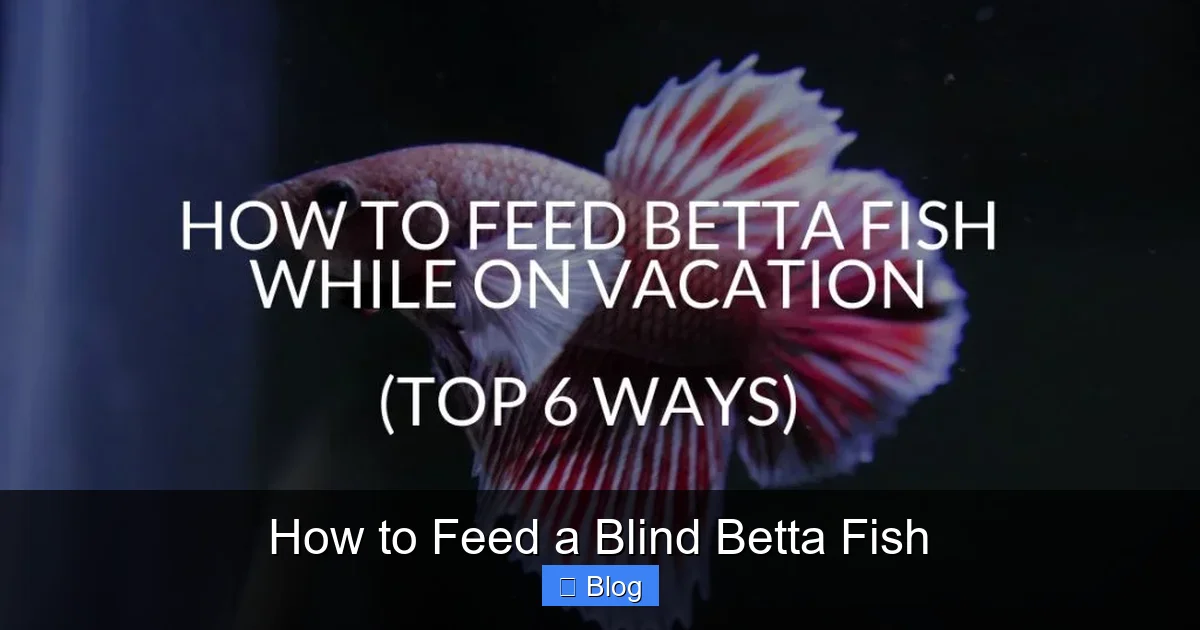
how to feed a blind betta fish is an essential topic that provides valuable insights and practical knowledge for anyone interested in learning more about this subject.
Key Takeaways
- Understanding how to feed a blind betta fish: Provides essential knowledge for making informed decisions
- Practical applications: Can be applied in various real-world scenarios
- Key benefits: Offers significant advantages when properly implemented
- Important considerations: Requires attention to specific details and best practices
- Future implications: Continues to evolve and impact related fields
📑 Table of Contents
- How to Feed a Blind Betta Fish: A Compassionate Guide to Nourishing Your Special Needs Siamese Fighter
- Understanding Your Betta’s New World: The Reality of Blindness
- Essential Tools & Tank Setup for a Blind Betta
- Step-by-Step Feeding Techniques: The Gentle Art of Target Feeding
- Choosing the Right Foods: Nutrition & Accessibility
- Establishing a Calming Routine: Beyond the Mealtime
- Troubleshooting: When Your Blind Betta Won’t Eat
- The Bond That Grows: Why This Effort Is So Rewarding
- Conclusion: You Are His Guide, His Voice, His World
How to Feed a Blind Betta Fish: A Compassionate Guide to Nourishing Your Special Needs Siamese Fighter
Have you ever watched your betta fish, that vibrant, finned jewel of an aquarium, swim right past its dinner? Or maybe you’ve noticed it bumping into the tank glass, seemingly searching for something that isn’t there. When I first realized my beautiful boy, Bubbles, was going blind, my heart sank. I thought, “How will he eat? Will he starve?” The panic was real. But what I learned over the following months is that feeding a blind betta fish isn’t a dead end; it’s a different path—one that requires patience, creativity, and a whole lot of love. It’s about speaking a new language with vibrations, smells, and gentle guidance. This guide is born from that journey. We’ll walk through everything, from understanding your fish’s new world to mastering the gentle art of target feeding, ensuring your blind betta not only survives but thrives, his colors as brilliant as ever.
Understanding Your Betta’s New World: The Reality of Blindness
Before we dive into the “how,” it’s crucial to understand the “why” and “what.” Blindness in bettas isn’t always a complete, sudden loss of sight. It can be gradual, caused by genetics, old age, injury, or poor water conditions leading to infections like popeye. Recognizing the signs is your first step.
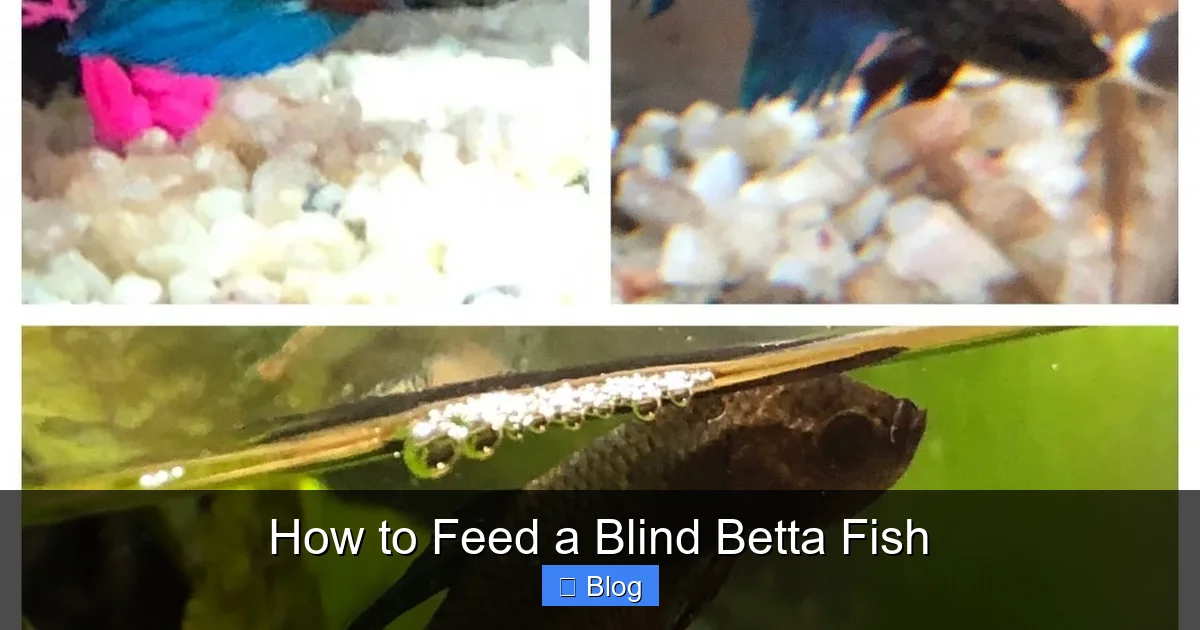
Visual guide about How to Feed a Blind Betta Fish
Image source: bettafishworld.com
Signs Your Betta Might Be Losing Its Sight
Blindness can be subtle. Look for these clues:
- Clumsiness: Frequent bumping into decorations, the tank glass, or filter output.
- Fearfulness: Startling easily, as if things appear suddenly.
- Food Ignorance: Food floating right in front of them, yet they don’t react.
- Lethargy in Open Spaces: Sticking to one familiar corner or plant, hesitant to explore.
- Changes in Fin Use: Relying more on pectoral fins for sensing surroundings (like feelers).
If you suspect blindness, a vet visit is always the best first move to rule out treatable infections. But if it’s a permanent change, your role shifts from owner to dedicated guide.
How Blindness Changes Their Behavior & Needs
A blind betta’s world goes from visual to sensory. They rely on:
- Lateral Line System: A sensitive organ along their body that detects water movements and vibrations. This becomes their primary “eyes.”
- Sense of Smell: They can detect food scents in the water, but this is less precise than vibration.
- Memory: They create a mental map of their tank. Consistency in layout is vitally important.
This means your job is to become a predictable, gentle architect of their environment and a clear communicator through water signals. Stress is their biggest enemy, so a calm, routine-based approach is non-negotiable.
Essential Tools & Tank Setup for a Blind Betta
You wouldn’t send a visually impaired person into a cluttered, ever-changing room. The same principle applies here. A well-prepared environment is 80% of the feeding success. It reduces stress, prevents injury, and helps your betta navigate confidently to his meals.
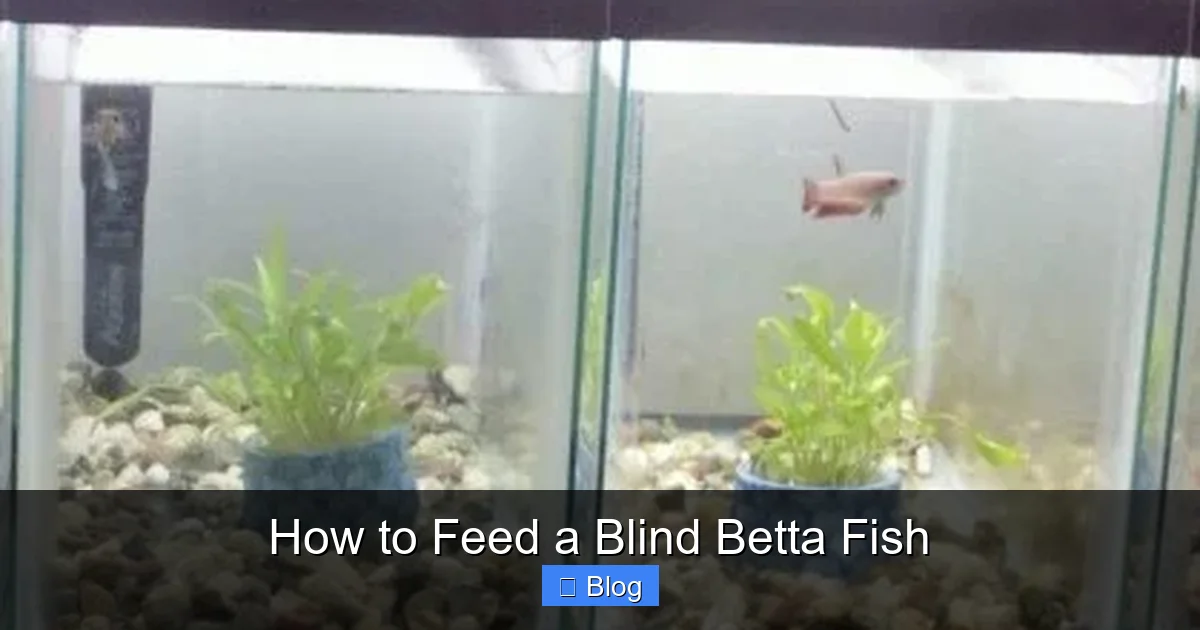
Visual guide about How to Feed a Blind Betta Fish
Image source: bettafishworld.com
The Importance of a Consistent, Uncluttered Layout
This is the single most important rule. Once you find a layout that works, do not change it.
- Anchor Plants & Decor: Silk plants, smooth rocks, and driftwood should be firmly glued or placed so they never shift. A moving decoration is a terrifying, confusing obstacle.
- Create a “Safe Zone”: Designate one corner or side of the tank with a large, broad-leafed silk plant or a betta hammock. This is his home base, his point of orientation.
- Clear Pathways: Ensure there’s a clear, open swimming lane from his safe zone to the surface where you feed. No mid-level obstacles in this flight path.
- Substrate Choice: Use smooth, uniform sand or fine gravel. Sharp or large rocks can injure a fish that can’t see them.
Think of it like this: you are creating a predictable, tactile map he can learn with his fins and lateral line.
Recommended Feeding Tools: From Simple to Advanced
Forget just sprinkling food. You’ll need tools to deliver it directly. Here’s a tiered approach:
| Tool | Best For | How to Use | Pros | Cons |
|---|---|---|---|---|
| Turkey Baster / Pipette | Beginners, precise delivery | Draw up food + a little tank water. Gently squeeze a small amount right at the water’s surface near your betta. | Excellent control, cheap, easy to clean | Requires you to be close, may startle if sudden |
| Feeding Ring / Target | Establishing a routine spot | Float a small ring (can buy or make from a pool noodle slice). Always drop food inside it. He learns to go there. | Creates a predictable “dinner bell” location | Initial training takes patience, ring can drift |
| Long Tweezer / Feeder | Live/frozen foods, direct hand-feeding simulation | Hold a piece of food on the tip. Gently lower it into the water near the fish, allowing him to bump into and take it. | Great for bonding, targets movement | Requires steady hand, not for pellets |
My Personal Anecdote: I started with a turkey baster. It felt silly, but Bubbles quickly learned the “squirting” sound and vibration meant food was coming. Within a week, he’d swim to his favorite leaf the moment he felt the water displacement from me reaching for the baster.
Step-by-Step Feeding Techniques: The Gentle Art of Target Feeding
Now for the core process. The goal is to replace the visual cue (“food is there”) with a tactile or vibrational cue (“food is HERE”). Consistency is your magic wand.
Visual guide about How to Feed a Blind Betta Fish
Image source: bettafishworld.com
The Daily Ritual: A Predictable Pattern
Blind fish thrive on ritual. Do everything in the same order, at the same times.
- Approach Calmly: Move slowly. Rapid movements create chaotic vibrations that scare him.
- Signal Your Arrival: Before you even touch the tank, gently tap the side of the glass near his safe zone with one finger—a soft, rhythmic pattern (e.g., tap-tap-pause). Do this every single time. He’ll learn this “knock” means “I’m here, food is coming.”
- Prepare Your Tool: Have your chosen feeding tool ready with the correct portion. Overfeeding is dangerous, especially for a less active fish.
- Deliver with Purpose: Lower your tool into the water at his safe zone. If using a baster, squeeze a tiny burst of food-laden water right at the surface. If using tweezers, let the food dangle so it gently touches his side or fins—he’ll feel it and turn to investigate.
- Guide Gently (If Needed): If he doesn’t turn toward the food, use the tip of your tool or a finger to give a very gentle nudge on his tail or body in the direction of the food. Never push or chase. Think of it as a subtle suggestion.
- Praise & Observe: Once he eats, stop. Let him enjoy. Watch to ensure he gets all the food. Remove any uneaten particles quickly with a turkey baster or siphon to maintain water quality.
Using Vibrations & Sound as Your Voice
Your fish hears and feels through water. You can use this.
- The “Food Knock”: As mentioned, a consistent glass tap.
- The Water Squirter: A baster or even a dedicated feeding syringe that makes a distinct sound and vibration when used.
- Humming: Some owners find a low, consistent hum or speaking softly creates a calming, recognizable sound profile. It’s worth a try!
The key is repetition. The same sound + same action + same location = food. His brilliant mind will make the connection.
Choosing the Right Foods: Nutrition & Accessibility
Not all betta food is created equal, and for a blind betta, texture and delivery method matter as much as nutrition.
Ideal Food Types for Easy Consumption
Prioritize foods that are easy to sense and consume in one bite.
- High-Quality Pellets: The staple. Choose small, sinking or slow-sinking pellets (like Hikari Betta Bio-Gold or New Life Spectrum Opti-Grow). They linger near the bottom where your betta can find them by scent and touch. Pre-soak pellets for 30 seconds to make them softer and prevent digestive issues.
- Frozen Foods (Daphnia, Bloodworms, Brine Shrimp): Excellent for variety and enticement. Thaw a tiny piece, rinse, and offer with tweezers. The movement (even if slight) and strong scent are huge attractants.
- Live Foods (Microworms, Infusoria): The ultimate temptation for a picky or stressed blind betta. The wriggling movement is irresistible and easy to target. Use sparingly as a treat.
- Gel Foods: Can be great, but ensure you cut tiny, uniform pieces. They can be messier.
Avoid: Flakes (too big, messy, hard to target), large pellets, and foods with a lot of fillers that cloud the water.
Portion Control & Feeding Schedule: Critical for Health
A blind betta is often less active, so his caloric needs are lower. Overfeeding leads to constipation, swim bladder disease, and fatal water quality crashes.
- Rule of Thumb: Feed no more than the size of his eye, 2-3 times a day. For pellets, this is usually 2-3 pellets per feeding.
- The 5-Minute Rule: Offer food. If it’s not eaten within 5 minutes, remove it. Do not leave it to decompose.
- Fast Once a Week: A 24-hour fast aids digestion. This is standard betta care and is especially beneficial for a less active fish.
Remember: A healthy betta is a hungry betta. If he consistently refuses food, check water parameters first (ammonia, nitrite, nitrate, temperature), then consider a possible internal issue requiring a vet.
Establishing a Calming Routine: Beyond the Mealtime
Feeding isn’t an isolated event; it’s part of a larger sensory experience. Reducing overall stress makes him more receptive to eating.
Tank Maintenance Without Trauma
Water changes are necessary but can be terrifying for a blind fish who can’t see the siphon coming.
- Use a Pre-filter: A sponge on the end of your siphon hose muffles the suction sound and prevents him from being accidentally pulled in.
- Work From the Edges: Clean the glass and substrate slowly from the tank perimeter inward, avoiding his safe zone until last.
- Temperature & Water Matching: Always use a heater and thermometer. New water for changes must be within 1-2°F of tank temperature and dechlorinated. A temperature shock is a severe stressor.
- Signal Your Work: Before a water change, do your “food knock” gently on the glass. It’s not a feeding signal, but it tells him “I’m here, something’s happening, but it’s okay.”
Sensory Enrichment: Keeping His Mind Active
A blind betta can get bored. Enrichment reduces stress and keeps him engaged.
- Live Plants: Real plants (like Anubias, Java Fern) provide gentle texture, subtle scent, and complex structures to explore. They also improve water quality.
- Leaf Hammocks: A broad, smooth leaf near the surface gives him a resting spot he can reliably find.
- Controlled Water Flow: A filter with an adjustable, gentle flow creates subtle, predictable currents he can feel and navigate. A strong current is exhausting and disorienting.
- “Playtime” With a Target: Use a clean, soft paintbrush or a suction cup with a long stem. Gently touch it to his body and see if he follows it. It’s mental stimulation and bonding.
Enrichment is not a luxury; for a blind fish, it’s a cornerstone of welfare.
Troubleshooting: When Your Blind Betta Won’t Eat
Even with perfect technique, setbacks happen. Here’s a systematic approach.
First, Rule Out the Obvious: Health & Water
Appetite loss is a symptom, not a diagnosis. Check in this order:
- Water Parameters: Test immediately. Ammonia or nitrite spikes are toxic and will shut down appetite. Perform a partial water change if anything is off.
- Temperature: Is it between 78-80°F? Colder water slows metabolism.
- Visible Signs of Illness: Clamped fins, white spots, fuzzy growth, bloating, torn fins? These require diagnosis and treatment.
- Constipation: A common issue. Look for a bloated abdomen and stringy feces. Fast for 2-3 days, then offer a cooked, skinned pea (cut in half) or daphnia as a laxative.
Then, Re-evaluate Your Technique
If health and water are perfect, the issue is likely method or food.
- Is the food too big/hard? Switch to pre-soaked pellets or smaller frozen foods.
- Is the delivery too startling? Try a slower, quieter method. Use tweezers to place food directly near his mouth (if he’ll allow it) or on a broad leaf.
- Is the food scent strong enough? Try a tempting frozen or live food to jump-start his interest.
- Is he scared of your hand/tool? Go back to basics. Just do the “food knock” and drop pre-soaked pellets into a feeding ring at the same spot for several days until he associates the ring with food.
- Is he depressed? Sometimes, a change in environment (even good changes) can cause temporary anorexia. Ensure his tank is pristine, quiet, and his routine is unwavering for a week. Offer his absolute favorite food (usually live) as a temptation.
Patience is not passive; it’s actively maintaining the routine while you troubleshoot. My Bubbles once went on a 4-day hunger strike after a filter change. I panicked, but I stuck to the routine, offered live microworms on day 3, and he ate on day 4. It was a test of my nerve, but it worked.
The Bond That Grows: Why This Effort Is So Rewarding
Feeding a blind betta transforms a simple chore into a profound act of communication and trust. You are not just providing sustenance; you are building a bridge to his world. The moment he swims eagerly to the sound of your “food knock” or nudges your fingertip with his nose for more is a victory that feels monumental.
I’ve found that blind bettas often become incredibly personable. They rely on you completely, and in return, they offer a unique, deep bond. Their trust is absolute. They don’t judge you for your clumsy attempts at first; they just learn the new patterns you set. You begin to see the world through their senses—the gentle hum of the filter becomes a landmark, the cool glass of the tank wall a boundary, the vibration of your approach a promise of care.
This journey teaches immense empathy. It’s a reminder that disability doesn’t mean inability; it means different ability. Your betta’s life is not lessened by blindness; it is adapted. And you, as his caretaker, get to be the architect of that adaptation, ensuring his world is safe, predictable, and full of delicious, well-delivered meals.
Conclusion: You Are His Guide, His Voice, His World
Caring for a blind betta fish is a commitment that asks for more than just dropping food in the tank. It asks for observation, for patience, for a willingness to learn a new language of touch and sound. It asks you to see the world from the side of a small, sightless fish who navigates by feel and memory. But the reward is immeasurable. You will witness resilience. You will forge a connection stripped of visual pretense and built on pure, consistent care. Your blind betta will continue to flare at shadows he can’t see, to build his bubble nests with instinctual pride, and to live a full, healthy life, because you took the time to learn how to feed a blind betta fish—not just with food, but with understanding. Start with one small, consistent change today. That gentle tap on the glass, that first successful feeding with a baster, is the beginning of a beautiful new chapter for both of you.
Frequently Asked Questions
How does a blind betta fish find its food?
A blind betta fish relies on its strong sense of smell and sensitivity to water vibrations to locate food. You can help by gently wiggling food near its face with tweezers or your finger, or by placing it directly at the bottom where it can scent it.
What is the best food for a blind betta fish?
The best diet for a blind betta fish is high-quality pellets or frozen foods like brine shrimp or bloodworms, as they release strong scents. Sinking or soft foods are often easier for them to consume than floating flakes that drift away.
How often should I feed a blind betta fish?
Feed your blind betta fish small amounts once or twice a day, only what it can eat within 2-3 minutes. Overfeeding is a major risk as uneaten food quickly spoils the water, which is especially dangerous for a fish already under stress.
Can I use a feeding ring for my blind betta fish?
Yes, a feeding ring or a small dish can be very helpful to corral food in one predictable spot. This prevents floating pellets from drifting across the tank, making it much easier for your blind betta to find its meal using scent alone.
How do I prevent water contamination when feeding a blind betta?
To keep the water clean, immediately remove any uneaten food with a siphon or net after each feeding. Using pre-soaked pellets or attaching food to a suction cup clip can also minimize waste and help maintain pristine water conditions.
Should I use sinking pellets for my blind betta fish?
Sinking pellets are an excellent choice for a blind betta fish as they settle in one place, eliminating the chase for drifting food. This allows your betta to easily find and eat its meal at the bottom of the tank where it feels secure.