How to Cure Betta Fish
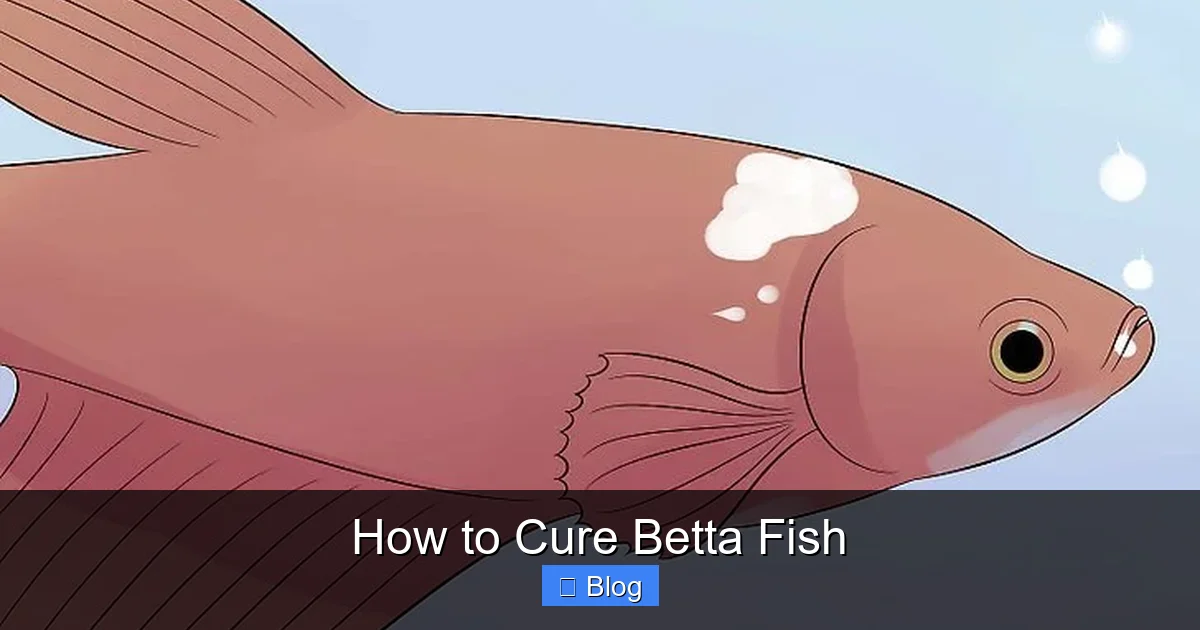
Curing your betta fish starts with understanding that most health issues stem from poor water quality, not mysterious illnesses. This guide provides a step-by-step approach to diagnosing common betta ailments, setting up a proper treatment tank, and administering safe medications. Prevention through consistent tank maintenance and a proper diet is always the most effective and humane strategy. By learning to observe your fish’s normal behavior, you can spot problems early and take action to give your betta the best chance at a full recovery.
Key Takeaways
- Water Quality is Paramount: Over 90% of betta health problems are directly linked to dirty, improperly cycled, or chemically imbalanced water. Testing and regular water changes are non-negotiable.
- Accurate Diagnosis is Critical: Never guess. Use clear visual guides (white spots, frayed fins, velvet dust, cotton-like growths) to identify the specific disease before treating, as wrong medications can be fatal.
- Isolation is Essential: Always move a sick betta to a clean, bare “hospital tank” for treatment. This prevents medication from harming beneficial bacteria in the main display tank and allows for precise dosing and water changes.
- Medications are a Last Resort: Start with the mildest, safest treatments like increased water temperature and aquarium salt. Use harsh chemical medications (e.g., copper, formalin) only for confirmed, stubborn infections and with extreme caution.
- Stress is the Root Cause: A stressed betta (from cold water, poor diet, aggressive tankmates, or dull décor) has a weakened immune system and is susceptible to disease. Cure the environment to cure the fish.
- Patience and Consistency Win: Treatment is a marathon, not a sprint. Follow medication schedules precisely, perform daily water changes in the hospital tank, and monitor progress for 1-2 weeks after symptoms vanish.
- Know When to Let Go: If a betta is suffering from a highly advanced, painful disease with no improvement after proper treatment, humane euthanasia is a responsible and compassionate final option.
📑 Table of Contents
- Understanding Your Betta: The Foundation of True Care
- Diagnosing the Problem: A Visual Guide to Common Betta Ailments
- The Hospital Tank: Your Essential Treatment Zone
- Water Quality: The Non-Negotiable Pillar of Health
- Beyond Disease: Holistic Care for a Resilient Betta
- When Cure is Not Possible: The Difficult Decision
- Conclusion: The Path to a Healthy Betta is a Daily Practice
Understanding Your Betta: The Foundation of True Care
So, your betta fish isn’t acting like his usual, flaring, curious self. Maybe his fins are looking raggedy, he’s hiding at the bottom, or you see something odd on his body. Your immediate thought is, “How do I cure my betta fish?” It’s a panicked, but loving, reaction. Before we dive into specific cures, we must reframe the entire problem. You are not just curing a fish; you are curing an environment and correcting a systemic failure. The betta fish, with its famous labyrinth organ allowing it to breathe air, is a hardy survivor in the wild but an incredibly sensitive indicator of tank conditions in captivity. Its vibrant colors and flowing fins are signs of health that fade quickly when something is wrong.
The single most important concept to grasp is this: Disease is a symptom, not the cause. The cause is almost invariably stress caused by poor water parameters, incorrect temperature, a bland or abrasive environment, or nutritional deficiency. A healthy betta in pristine water with a strong immune system can often fight off pathogens that would devastate a stressed counterpart. Therefore, the first and most crucial step in learning how to cure a betta fish is becoming a master of its aquatic environment. This means understanding the nitrogen cycle, investing in a liquid-based water test kit (not strips), and knowing that 25-50% weekly water changes are not optional—they are as vital as food.
The Betta’s Natural Habitat vs. The Bowl
We must dispel the myth of the betta in a tiny vase. In the wild, Siamese fighting fish inhabit the shallow, slow-moving waters of rice paddies and swamps in Thailand. These are vast, vegetated ecosystems with stable temperatures, complex microbe populations, and abundant hiding places. A small, unheated, unfiltered bowl is the polar opposite—it’s a toxic, stressful prison. When we talk about curing a betta, our first prescription is always to upgrade its home if necessary. A minimum of 5 gallons (19 liters) is the absolute baseline for a single betta, with a gentle filter and a heater set to a stable 78-80°F (25.5-26.5°C). Without this foundation, any cure will be temporary at best.
Diagnosing the Problem: A Visual Guide to Common Betta Ailments
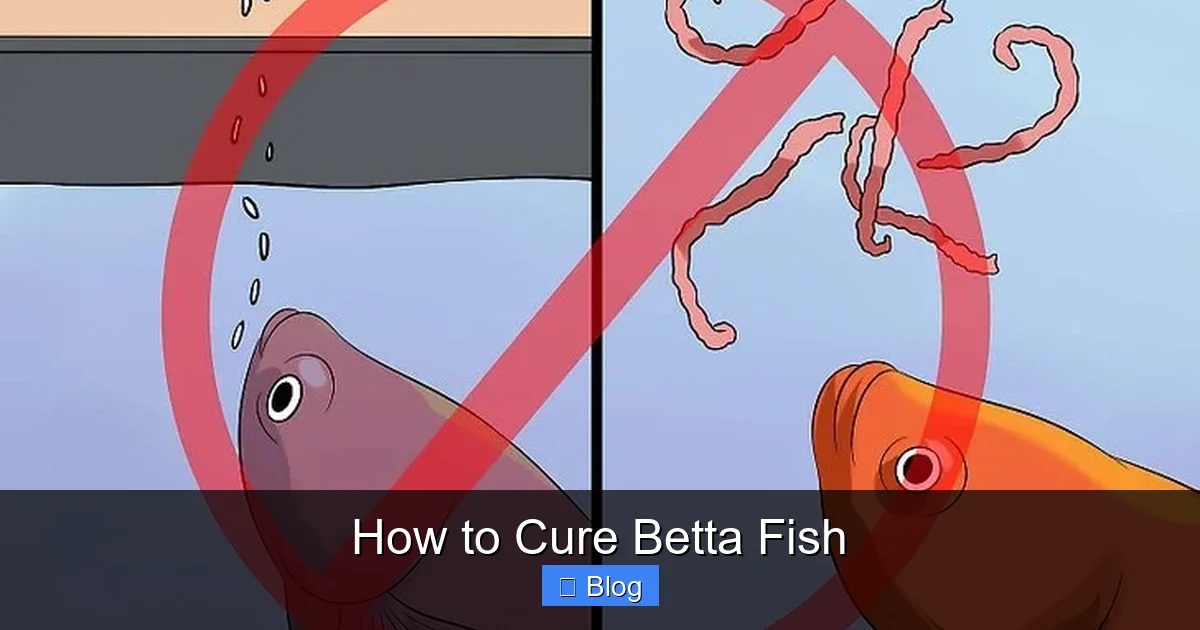
You’ve tested your water—ammonia and nitrite are zero, nitrate is below 20 ppm, and pH is stable. The temperature is correct. Now, it’s time to play detective. Many betta diseases share similar symptoms like lethargy or loss of appetite, but visual signs on the body and fins are the key. Never start treatment without a confident identification. Guessing and using the wrong medicine can poison your fish or destroy your tank’s beneficial bacteria. Here is a breakdown of the most common culprits.
Visual guide about How to Cure Betta Fish
Image source: wikihow.com
Fin Rot: The Ravages of Bacteria
Fin rot is a bacterial infection, often secondary to poor water quality or physical injury (like from sharp décor or fin-nipping tankmates). It begins as a small, milky-white or blackened patch on the fin edge, which then progressively melts away, looking like it’s being nibbled or disintegrated. The fins become jagged, short, and may have a “fuzzy” or cotton-like appearance as the bacteria multiply. It is not typically contagious in the way a virus is, but it indicates a tank-wide water quality issue that could affect other fish.
Treatment: The primary cure is immaculate water. Begin with 50% daily water changes in the main tank or hospital tank. Use a broad-spectrum antibacterial medication like Methylene Blue or an antibiotic such as Kanamycin or Tetracycline, following dosage instructions precisely. For mild cases, a salt dip (1 tablespoon of non-iodized aquarium salt per gallon of dechlorinated water for 5-10 minutes daily) can be very effective. Ensure any décor in the hospital tank is smooth; sand or soft silk plants only.
Ich (White Spot Disease): The Parasitic Scourge
Caused by the parasite *Ichthyophthirius multifiliis*, Ich is one of the most recognizable diseases. Fish develop tiny, salt-like white dots all over their body, fins, and gills. They will scratch or “flash” against tank objects due to the intense irritation. As the parasite matures and falls off, it multiplies in the water, leading to a massive reinfection cycle. It is highly contagious to other fish.
Treatment: Ich requires a full treatment cycle because the parasite is only vulnerable when free-swimming. The standard cure is a copper-based medication (like Cupramine or Seachem Cupricide) or formalin-based treatments. Copper is lethal to invertebrates and will harm live plants and beneficial bacteria. This is why a hospital tank is mandatory. Raise the temperature to 82-84°F (28-29°C) to speed up the parasite’s lifecycle. Treatment must continue for at least 5-7 days after the last spot is seen to catch emerging parasites.
Velvet (Oodinium): The Rust-Like Dust
Velvet is another parasitic infection, but the parasite is smaller. It looks like a fine, rusty gold or cinnamon-colored dust coating the fish, which may appear to “shimmer” under light. The gills are often affected first, causing rapid gill movement and breathing distress. Fish will flash, become lethargic, and may clamp their fins. It’s highly contagious and thrives in cooler water.
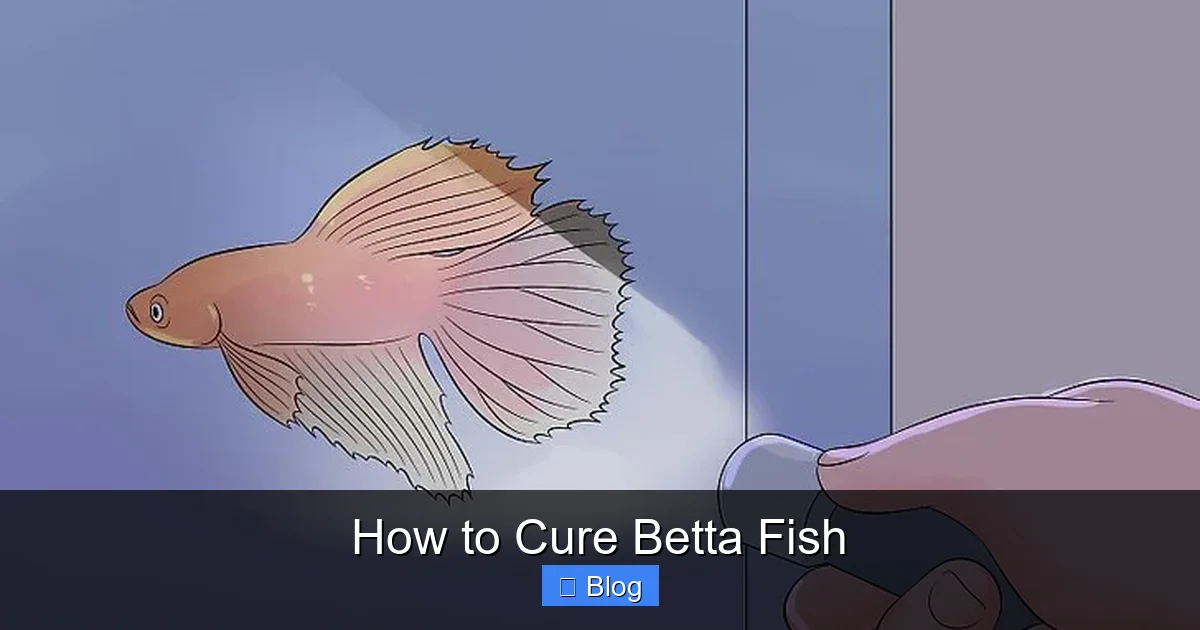
Treatment: Velvet is sensitive to light and responds well to increased temperature (86°F/30°C). The treatment is similar to Ich: copper-based medications or specific velvet treatments like Malachite Green (often combined with Formalin, e.g., Quick Cure). A hospital tank is again essential. Darkening the room can help, as the parasite is photosynthetic. Treatment duration is the same as for Ich—continue long after symptoms fade.
Swim Bladder Disorder: The Floating (or Sinking) Problem
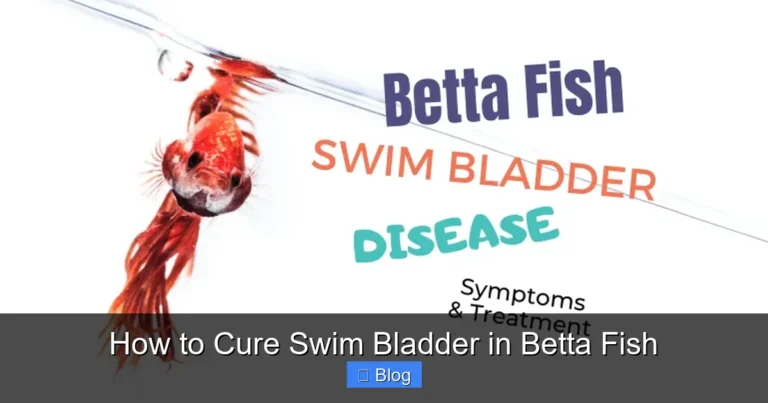
This isn’t a disease but a symptom of a dysfunction in the gas-filled organ that helps a fish control its buoyancy. A betta may float uncontrollably to the top and be unable to dive, sink and struggle to rise, or swim sideways/upside down. Causes are numerous: overfeeding (constipation), bacterial or parasitic infection of the swim bladder, physical injury, or congenital deformity.
Treatment: First, fast the betta for 3 days to clear constipation. Then feed a small, cooked, skinned pea (mashed) to act as a laxative. If this fails, and infection is suspected (often with other symptoms like bloating or clamped fins), a broad-spectrum antibiotic in a hospital tank may be needed. For injury-related cases, pristine water and a calm environment are the only cures. Sometimes, the disorder is permanent, but the fish can live a good life with adapted tank layout (low water level, plants for resting).
Dropsy: The Advanced, Lethal Symptom
Dropsy is not a disease itself but a severe symptom of internal organ failure, usually the kidneys, often caused by a systemic bacterial infection. The classic sign is extreme, pinecone-like swelling of the body due to fluid buildup (edema). Scales may protrude outward. The fish is lethargic, may have a curved spine, and often has a very poor prognosis. It indicates the infection is far, far advanced.
Treatment: Treatment is rarely successful at this stage. The only possible approach is an aggressive, full-spectrum antibiotic like Maracyn 2 (erythromycin) in a hospital tank, with pristine water changes. However, the internal damage is usually too great. If the betta is visibly suffering—gasping, unable to swim, and clearly in distress—humane euthanasia is the kindest choice. Prevention through impeccable water quality is the only real cure for dropsy.
The Hospital Tank: Your Essential Treatment Zone
You’ve identified the issue. Now, you need a dedicated space to treat your betta. Do not medicate your main display tank. Medications like copper and antibiotics will annihilate the beneficial bacterial colony that processes waste, crashing your cycle and creating a toxic nightmare. A hospital tank is a simple, sterile setup designed for one purpose: healing.
Visual guide about How to Cure Betta Fish
Image source: wikihow.com
Setting Up the Perfect Recovery Space
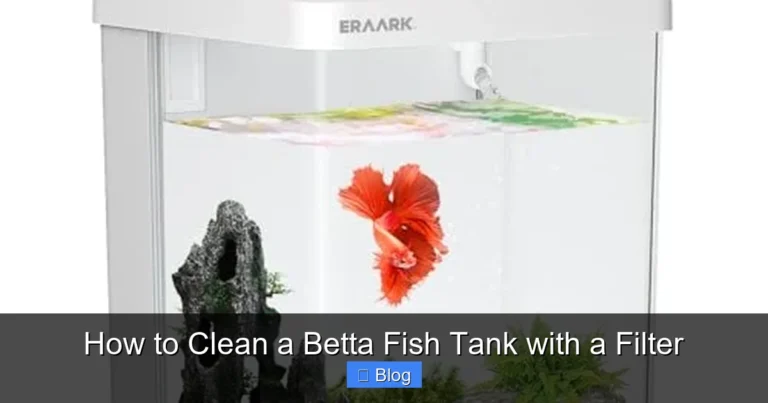
You don’t need anything fancy. A clean 5-10 gallon glass aquarium is perfect. Use a simple, bare bottom—no gravel to trap medication. A sponge filter powered by an air pump is ideal; it provides gentle filtration without the strong current a hang-on-back filter creates, and the sponge houses beneficial bacteria to help with ammonia spikes from the sick fish. A reliable heater and thermometer are critical. For décor, use a single, smooth ceramic pot or a piece of driftwood with no sharp edges for the betta to rest on. Avoid plastic plants; use a single, live plant like an Anubias or a silk plant. The water should be dechlorinated and match the temperature of the main tank.
Water Changes are Your Best Medicine: In the hospital tank, you will perform 100% water changes daily or every other day. This removes waste, leftover medication, and pathogens. It’s more effective than any drug. Always use dechlorinated water at the exact same temperature as the tank to avoid thermal shock. Have the new water ready in a clean bucket before starting.
Medication Administration: Precision and Patience
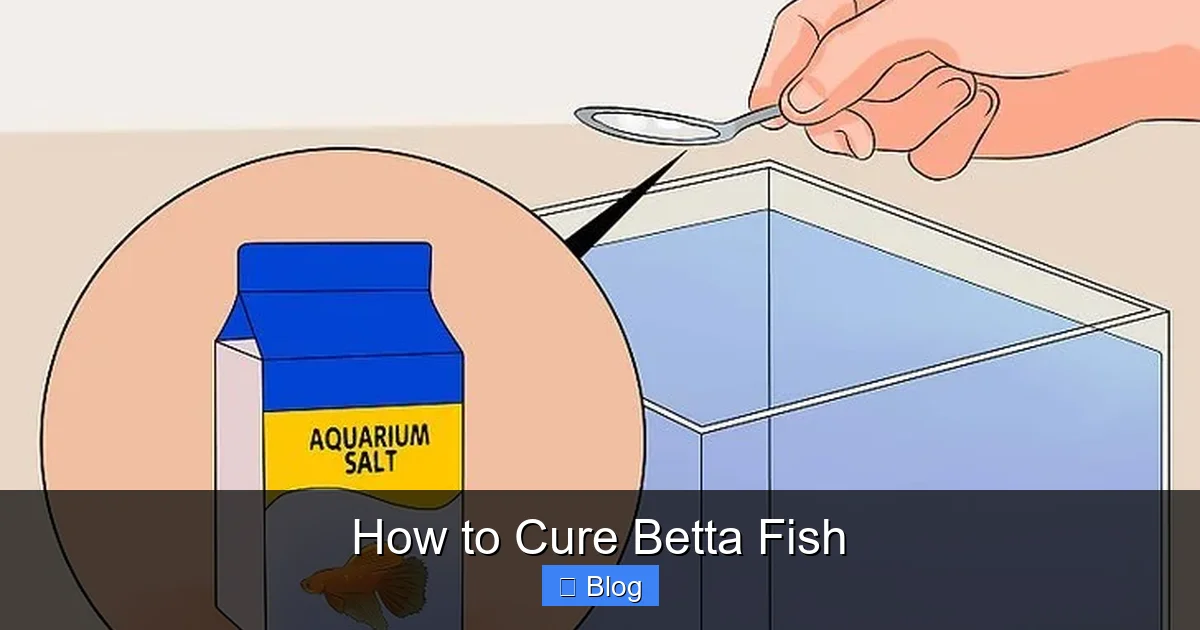
Always read the medication label thoroughly. Dose based on the actual water volume of your hospital tank, not the main tank. Remove any carbon from your filter, as it will absorb the medication and render it useless. For most treatments, you will medicate for 5-7 days, even after symptoms disappear, to ensure the pathogen is fully eradicated. For parasitic infections like Ich or Velvet, a “salt-only” treatment can be a first, less harsh step: add 1 teaspoon of non-iodized aquarium salt per gallon of water in the hospital tank. This can help boost the fish’s osmoregulation and kill some parasites. However, for confirmed cases, targeted medication is usually necessary for a reliable cure.
Water Quality: The Non-Negotiable Pillar of Health
I cannot stress this enough. You could have the most expensive, revolutionary medication, but if the water is toxic, it will not work. A betta’s immune system is perpetually under attack in subpar water. Ammonia, even at 0.25 ppm, burns its gills and causes internal stress. Nitrite binds to its blood, causing suffocation. High nitrate weakens its immune response. Fluctuating pH causes osmotic stress. The cure for nearly every betta ailment begins and ends with the water test kit.
Visual guide about How to Cure Betta Fish
Image source: wikihow.com
Mastering the Nitrogen Cycle
Your tank is a biological system. “Cycling” a tank means establishing a population of beneficial bacteria that convert toxic fish waste (ammonia) into less harmful nitrite, and then into much less harmful nitrate. This process takes 4-6 weeks. A “cycled” tank has detectable nitrates and zero ammonia/nitrite. You must cycle a tank before adding a fish. Using a water conditioner that detoxifies ammonia (like Seachem Prime) is a helpful emergency tool, but it is not a substitute for a cycled tank. It merely buys you time to perform water changes while your cycle establishes.
Testing is Your Vital Sign Check: Buy a liquid test kit (API Freshwater Master Test Kit is the industry standard). Test weekly. Your goal is Ammonia: 0 ppm, Nitrite: 0 ppm, Nitrate: <20 ppm. If anything is above zero (especially ammonia/nitrite), perform an immediate 50% water change. This is the single most important maintenance task. A 5-gallon tank with one betta may need 25% weekly changes; a 10-gallon may need 25% bi-weekly. The larger the water volume, the more stable and forgiving the system.
The Art of the Water Change
A proper water change is not just removing old water and adding new. It’s about cleaning the tank’s “sewage system.” Use a gravel vacuum (siphon) to stir the substrate and remove detritus (uneaten food, feces) from the bottom. This is where ammonia-producing gunk hides. Replace the removed water with dechlorinated water that matches the tank’s temperature within 1-2 degrees. Never do a 100% change unless in an emergency (like a medication flush), as it can shock the fish and disrupt the cycle. Consistency is key—same day, same time, same percentage each week.
Beyond Disease: Holistic Care for a Resilient Betta
Curing a sick betta is reactive. True expertise is in proactive care that makes cure a rare necessity. A resilient betta is a happy betta. This means addressing all aspects of its life beyond just the water chemistry.
Nutrition: Building a Strong Immune System
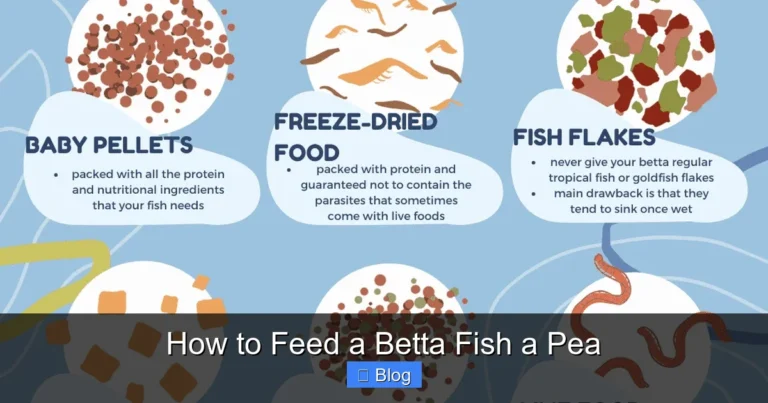
Bettas are carnivores. Feeding them exclusively cheap flake food is like a human living on potato chips. A strong immune system starts with a varied, high-protein diet. Use a high-quality betta pellet or granule as a staple (soak it first to prevent bloating). Supplement this 2-3 times a week with frozen or live foods: daphnia (great for digestion), brine shrimp, or bloodworms (a treat, not a staple). Avoid overfeeding—a betta’s stomach is the size of its eye. Two small pellets a day is often enough. Fasting one day a week is beneficial for digestion. Good nutrition is a daily act of prevention.
Environmental Enrichment: Fighting Boredom and Stress
A bare tank is a stressful tank. Bettas are intelligent and curious. They need stimulation. Provide a variety of resting spots—betta hammocks, smooth leaf rests, and tall plants where they can survey their territory. Live plants (like Anubias, Java Fern, Marimo moss balls) are fantastic; they improve water quality and provide natural texture. A gently moving filter output is okay, but avoid strong currents that force the betta to swim constantly. A secure lid is a must—they are expert jumpers. A calm, decorated, appropriately sized tank reduces chronic stress, which is the primary gateway to disease.
When Cure is Not Possible: The Difficult Decision
Despite our best efforts, sometimes a betta’s condition is too far gone. Advanced dropsy, a massive internal tumor, or a severe fungal infection that has consumed the body are examples where cure is not a realistic outcome. At this point, our responsibility shifts from “curing” to “compassionate care.” Prolonging severe suffering is not kind.
Recognizing Unrecoverable Suffering
Signs that quality of life is critically poor include: inability to swim or maintain buoyancy (constantly sinking or floating upside down), gasping at the surface non-stop despite excellent water oxygen levels, complete loss of appetite for over a week, visible, extensive fungal growth or severe internal swelling (dropsy), and a complete lack of response to gentle interaction. If your betta is in constant, obvious distress and shows no improvement after 3-5 days of appropriate, targeted treatment, it is time to consider euthanasia.
Humane Euthanasia Methods
The most widely accepted, humane method for a small fish is the clove oil method. Clove oil (eugenol) is a natural anesthetic. In a small container of tank water, vigorously mix a solution of 1 part clove oil to 4 parts water (emulsify it). Add this emulsion to the container with your betta until he is completely still and unresponsive (this may take 10-30 minutes). Then, to ensure death, you can increase the dosage or place the fish in the freezer after sedation. This is a peaceful, stress-free process for the fish. It is an act of love, not failure. Consult online resources from reputable aquarium or veterinary sources for precise, step-by-step instructions before attempting this.
Conclusion: The Path to a Healthy Betta is a Daily Practice
Learning how to cure your betta fish is not about memorizing a list of diseases and their corresponding bottles of medicine. It is about understanding the fundamental biology of your pet and respecting its needs. The true cure lies in the daily ritual of checking the water temperature, the weekly chore of performing a proper water change, and the mindful act of providing a varied diet and a stimulating home. When you see your betta as a sentinel for the health of its entire aquatic ecosystem, you shift from a reactive “fixer” to a proactive guardian. You will spot the earliest signs of trouble—a slightly clamped fin, a moment of lethargy—and you will know exactly what to check first: the water. In that knowledge is power, and in that power is the ability to provide your betta with a long, vibrant, and healthy life. Remember, the best medicine is always prevention, and the best cure is a tank built on the pillars of pristine water, proper heat, and enriched environment.
Frequently Asked Questions
Can I cure my betta fish with just salt and water changes?
Yes, for many early-stage issues like mild fin rot or general stress, rigorous water changes and non-iodized aquarium salt can be effective. Salt helps reduce osmotic stress and can kill some pathogens. However, for confirmed parasitic infections (Ich, Velvet) or advanced bacterial infections, targeted medication is usually necessary for a full cure.
How long should I treat my betta fish after symptoms disappear?
You must continue treatment for at least 5-7 days after all visible symptoms are gone. This ensures you have eliminated the last of the infectious pathogens. Stopping treatment early is the most common reason for a relapse, as the strongest organisms often survive the initial assault and repopulate.
Is it safe to use human medications like antibiotics on my betta?
Absolutely not. Human medications are dosed for a much larger body weight and contain fillers and compounds that are toxic to fish. Always use medications specifically formulated for aquarium fish, and only after a confident diagnosis. Misuse of antibiotics can also contribute to antibiotic resistance in pathogens.
My betta’s fins are torn but there are no other signs of disease. What is it?
Torn or frayed fins without fuzziness or black edges are often due to physical injury—snagging on rough décor, fin-nipping from tankmates (even a slow snail can sometimes be an issue), or simply getting caught in a strong filter intake. The cure is to remove the hazard, provide a hospital tank with smooth silk plants, and ensure excellent water quality to prevent a secondary bacterial fin rot infection.
Can a betta fish recover from dropsy?
Recovery from dropsy is very rare and has a poor prognosis. Dropsy is a symptom of severe internal organ failure, usually from a systemic bacterial infection. While aggressive antibiotic treatment in a hospital tank is attempted, the internal damage is often too extensive. If a betta is diagnosed with dropsy, prepare for the possibility that humane euthanasia may be the most compassionate outcome.
How can I prevent my betta from getting sick in the first place?
Prevention is the best cure. This means: maintaining a cycled tank of at least 5 gallons with a heater and gentle filter; performing weekly 25-50% water changes with dechlorinated, temperature-matched water; feeding a high-quality, varied diet without overfeeding; providing live or silk plants and smooth décor for enrichment; and quarantining any new plants or animals for 4 weeks before adding them to your main tank to avoid introducing pathogens.