How Many Pellets to Feed My Betta Fish
Knowing how many pellets to feed my betta fish is the single most important part of keeping your fish healthy and happy. Most betta owners overfeed, which leads to bloating, poor water quality, and serious health problems. This guide breaks down the exact portion sizes, feeding frequency, and pellet types so you can feed your betta with confidence every single day.
If you own a betta fish, you have probably stood in front of the fish food shelf wondering exactly how many pellets to feed my betta fish. It is one of the most common questions new and experienced fish owners ask. The answer is not as simple as “just a handful.” Your betta fish has a tiny stomach, and feeding the wrong amount can cause real problems.
The good news is that getting the right betta pellets portion size is easier than you think. Once you understand your fish’s needs, feeding becomes a simple part of your daily routine. In this guide, we will walk you through everything you need to know about portion sizes, feeding schedules, and the best pellet choices for your betta.
Whether you are a complete beginner or have had bettas for years, this article will give you practical advice you can use right away. Let us dive in and make sure your fish is getting exactly what it needs.
Key Takeaways
- Feed 2 to 3 pellets per meal: This is the ideal betta pellets portion size for most adult bettas.
- Feed twice a day: A consistent feeding frequency betta fish need is morning and evening.
- Watch for overfeeding signs: A bloated belly and excess waste are clear warning signals.
- Choose high-quality pellets: Not all betta fish food types are created equal for nutrition.
- Soak pellets before feeding: This helps with digestion and prevents constipation.
- Skip one day a week: A fasting day supports a healthy betta fish digestive system.
📑 Table of Contents
- Understanding Your Betta Fish’s Stomach Size
- How Many Pellets to Feed My Betta Fish Per Meal
- The Best Feeding Schedule for Betta Fish
- Signs You Are Overfeeding or Underfeeding Your Betta
- Choosing the Right Pellets for Your Betta Fish
- Common Mistakes to Avoid When Feeding Pellets
- Quick Tips for Perfect Pellet Feeding
Understanding Your Betta Fish’s Stomach Size
A betta fish stomach is about the size of its eye. That is tiny. Many people do not realize this, and it is the main reason overfeeding happens so often. When you look at your betta fish belly size, you should see a slightly rounded shape, not a bloated or distended look.
Your betta fish digestive system is designed for small, frequent meals. In the wild, bettas eat tiny insects and larvae throughout the day. They do not get one big meal. This is why understanding the betta fish stomach size matters so much for their overall betta fish health.
Here are a few things to keep in mind about your betta’s digestion:
- Betta fish belly size should be uniform, not lopsided or swollen.
- A healthy betta fish digestive system processes food quickly, usually within a few hours.
- Overfeeding stretches the stomach and can cause long-term damage.
- Betta fish hunger cues are subtle. They may beg for food even when they are full.
Keeping this in mind will help you resist the urge to give your fish extra pellets. Your betta will be healthier for it.
How Many Pellets to Feed My Betta Fish Per Meal
The golden rule for how many pellets to feed my betta fish is two to three pellets per meal. This applies to most adult bettas. The exact number can vary slightly based on pellet size and your fish’s activity level, but two to three is a safe starting point.
If you are using small pellets, you might be able to give three. If the pellets are large, two is plenty. The key is to watch your fish and adjust over time. The betta pellets portion size should fill the stomach without stretching it.
Here is a simple breakdown by fish type and age:
- Adult betta fish: 2 to 3 pellets per meal, twice a day.
- Young betta fish (fry): Smaller amounts, more frequently. See our guide on how to feed betta fish fry for details.
- Senior betta fish: Reduce to 2 pellets per meal if activity levels drop.
One important tip is to feed your betta fish correctly by soaking dry pellets in a small amount of tank water before adding them. This prevents the pellets from expanding inside your fish’s stomach, which can cause constipation and bloating.
How many pellets to feed betta fish daily is a question we get often, and the answer is always the same: quality over quantity. Two to three well-sized pellets are enough.
The Best Feeding Schedule for Betta Fish
Consistency is everything when it comes to betta fish feeding schedule. You should feed your betta at the same times each day. Most experts recommend morning and evening feedings. This mimics the natural eating pattern and keeps your fish’s betta fish feeding routine stable.
So how often should you feed your betta? How often to feed a betta fish is a topic many owners get wrong. The answer is twice a day. That is it. Some people feed once a day, and that can work too, but twice is ideal for most bettas.
Here is a sample betta fish feeding routine you can follow:
- Morning (around 8 AM): Drop 2 to 3 soaked pellets into the tank.
- Evening (around 6 PM): Drop another 2 to 3 pellets.
- One day per week: Skip feeding entirely to let the digestive system rest.
This simple routine supports good betta fish nutrition and helps prevent betta fish obesity. If you are going on vacation, check out our guide on how to feed your betta fish while on vacation for helpful tips.
Also, keep in mind that water temperature affects metabolism. Warmer water speeds up digestion, and cooler water slows it down. If you need help maintaining the right temperature, see our article on how to make my betta fish tank warmer.
Signs You Are Overfeeding or Underfeeding Your Betta
Knowing the signs of overfeeding betta fish is just as important as knowing the right portion size. Many new fish owners think their betta is always hungry, but begging behavior does not always mean your fish needs more food.
Signs of Overfeeding
- Bloated or swollen belly: The betta fish belly size looks larger than normal.
- Excess waste in the tank: More food means more betta fish waste, which hurts betta fish water quality.
- Food left uneaten: Pellets sinking to the bottom and rotting are a clear sign.
- Lethargy: Your fish seems tired and stays at the bottom of the tank.
- Swim bladder issues: If you notice floating or sinking problems, check our guide on how to cure my betta fish swim bladder disease.
Signs of Underfeeding
- Visible weight loss: The fish body looks thin from the top view.
- Low energy: Your betta hides or stays still more than usual.
- Dull colors: A healthy betta should have vibrant colors. Fading is a warning sign.
- Aggressive begging: Your fish frantically searches for food at every feeding time.
Finding the right balance between these two extremes is the key to a long, healthy life for your betta. If you are unsure about the right betta fish feeding amount, start with two pellets per meal and adjust based on how your fish looks and behaves.
Choosing the Right Pellets for Your Betta Fish
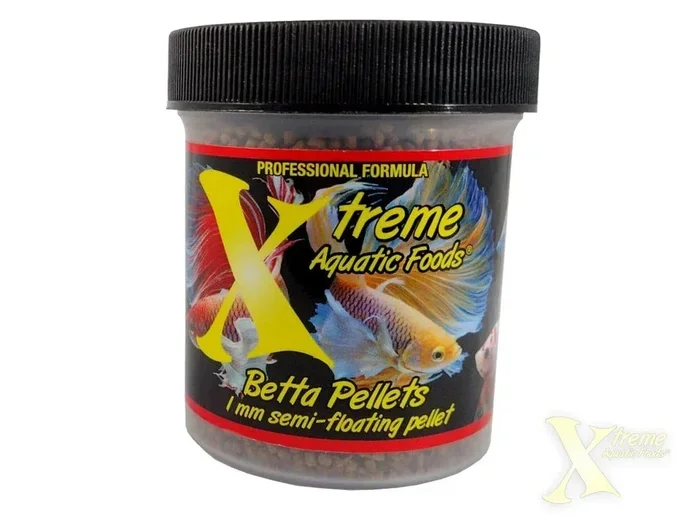
Not all betta fish food types are the same. The pellets you choose matter a lot for your fish’s nutrition and overall well-being. Cheap pellets are often filled with fillers that provide little nutritional value. High-quality pellets, on the other hand, are packed with protein and essential nutrients.
Here is what to look for when choosing pellets:
- Protein content: Look for pellets with at least 30 to 40 percent protein.
- Size: The pellet should be about the size of your betta’s eye for easy consumption.
- Ingredients: Whole fish meal, shrimp, and insects are excellent protein sources.
- Sink or float: Most bettas prefer sinking pellets, but some enjoy floating ones too.
If you are ever wondering whether you can share betta pellets with other fish in your tank, check out our article on can I feed betta pellets to other fish. The answer might surprise you.
Also, variety is important. While pellets should be the staple of your betta’s betta fish diet, adding occasional treats like frozen bloodworms or brine shrimp keeps mealtime exciting and boosts betta fish nutrition. Just remember that treats should only make up about 10 to 20 percent of the total diet.
Common Mistakes to Avoid When Feeding Pellets
Even experienced fish owners make mistakes. Here are the most common errors people make when feeding their betta pellets:
- Feeding too many pellets at once: This is the number one mistake. Stick to 2 to 3 pellets per meal.
- Ignoring uneaten food: Uneaten pellets decay quickly and release ammonia, which is toxic to fish.
- Skipping the soaking step: Dry pellets expand in the stomach and can cause blockages.
- Feeding on an irregular schedule: Inconsistent timing stresses your fish and disrupts their routine.
- Relying only on flakes: Flakes lack the nutrients pellets provide and do not satisfy a betta’s dietary needs.
Avoiding these mistakes will keep your betta healthy and your tank water clean. If you want to take your fish care to the next level, learn more about how much to feed betta fish and how much food to feed betta fish for deeper insights into portion control.
Quick Tips for Perfect Pellet Feeding
Here are some fast, actionable tips you can start using today:
- Soak pellets for 2 to 3 minutes before dropping them in the tank.
- Feed in a calm, low-stress environment. Turn off the filter if your betta seems anxious.
- Watch your fish eat. Remove any uneaten pellets after 5 minutes.
- Use a feeding ring or target feeding stick to control the amount.
- Adjust the portion size if you notice your betta leaving food behind.
- Keep a weekly fasting day to support digestion and reduce waste.
Following these simple tips will make a huge difference in your betta’s health, energy levels, and lifespan. Your fish will thank you with vibrant colors and active swimming.
Feeding your betta fish the right amount of pellets is one of the easiest ways to ensure a long, happy life for your companion. Remember the core rules: two to three pellets per meal, twice a day, with one fasting day per week. Choose high-quality pellets, soak them before feeding, and watch your fish for signs of overfeeding or underfeeding.
If you ever feel unsure, refer back to this guide. The more you learn about feeding betta fish correctly, the more confident you will become. Your betta fish depends on you for its daily meals, and getting the portions right is one of the best things you can do for its well-being.
For more tips on betta care, check out our guides on how to feed my betta fish and how much food should I feed my betta fish for even more detailed advice on keeping your betta healthy and well-fed.
Frequently Asked Questions
Can I feed my betta fish pellets every day?
Yes, feeding pellets every day is perfectly fine as long as you stick to the right portion size. Give your betta 2 to 3 pellets per meal, twice a day. Just make sure to skip one day a week for a fasting period that supports digestion.
What happens if I feed my betta too many pellets?
Overfeeding causes bloating, constipation, and poor water quality from excess waste. Uneaten pellets also decay in the tank and release harmful ammonia. Always stick to the recommended betta pellets portion size to avoid these problems.
How do I know if my betta is still hungry after eating?
Bettas are opportunistic eaters and will beg for food even when full. The best way to judge is by looking at the body shape. A healthy betta should have a slightly rounded but not swollen belly. If food is left uneaten, you are giving too much.
Are freeze-dried pellets the same as regular betta pellets?
Freeze-dried pellets are similar but lack the moisture content of high-quality sinking pellets. They can be used as occasional treats but should not replace the main diet. Always soak freeze-dried food before feeding to prevent digestive issues.
Can I feed my betta fish pellets and flakes together?
It is best to stick primarily with pellets since they are nutritionally denser and sink properly. Flakes can be used as a rare supplement but should not make up the bulk of the diet. Pellets provide the complete nutrition bettas need.
How long can a betta fish go without eating pellets?
A healthy adult betta can go 3 to 7 days without food without any issues. In fact, one fasting day per week is recommended. This gives the digestive system a rest and helps prevent bloating and constipation.