Are Led Lights Okay for Betta Fish

LED lights can be a great choice for betta tanks when used correctly. They offer energy efficiency, customizable colors, and low heat, but you must match the spectrum, intensity, and photoperiod to your betta’s natural needs. Follow our simple guidelines to enjoy vibrant displays without harming your fish.
Key Takeaways
- LEDs are generally safe: When set to appropriate brightness and cycle, LEDs won’t stress bettas.
- Choose the right spectrum: A cool‑white or full‑spectrum LED mimics natural daylight better than overly blue or red lights.
- Control photoperiod: Aim for 8‑10 hours of light daily; too much light can stress or fade colors.
- Heat is minimal: LED fixtures stay cool, reducing the risk of overheating the water.
- Combine with live plants: Proper lighting supports plant growth, which improves water quality for bettas.
- Monitor behavior: If your betta hides or shows ragged fins, adjust the light intensity or duration.
- Regular maintenance matters: Clean the LED lens and check timers to keep the environment stable.
📑 Table of Contents
- Introduction: Why Lighting Matters for Betta Fish
- 1. Understanding Betta Vision and Natural Light
- 2. LED Lighting Basics: What Makes LEDs Different?
- 3. Choosing the Right LED for Your Betta Tank
- 4. How LED Lighting Affects Betta Health
- 5. Common Mistakes and How to Fix Them
- 6. Practical Tips for Setting Up LED Lighting
- Conclusion: Enjoy Bright, Healthy Betta Tanks
Introduction: Why Lighting Matters for Betta Fish
When you first set up a betta tank, the most eye‑catching decision is often the lighting. A bright, colorful LED can make those spectacular fins look even more dazzling. But as any betta keeper soon learns, the wrong light can cause stress, faded colors, and even health problems. So the question most beginners ask is, are LED lights okay for betta fish? The short answer is yes—provided you choose the right type, intensity, and schedule.
This guide walks you through everything you need to know: the science behind light and betta biology, practical tips for picking and installing LEDs, and how to spot problems before they become serious. By the end, you’ll feel confident that your aquarium’s glow is helping—not harming—your finned friend.
1. Understanding Betta Vision and Natural Light
How bettas see the world
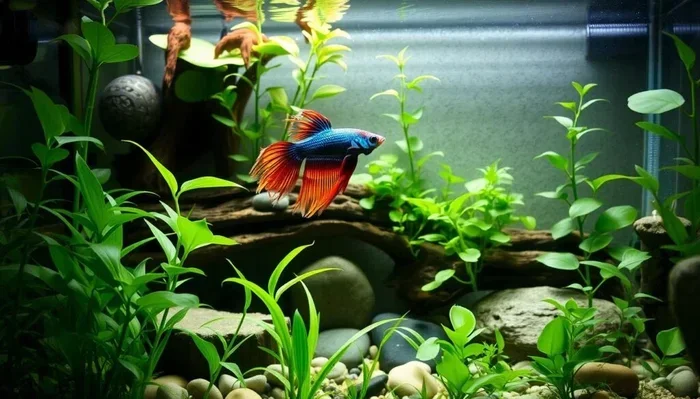
Betta fish (Betta splendens) have a visual system tuned to the shallow, warm waters of Southeast Asia. They are most sensitive to wavelengths in the blue‑green range (around 450‑550 nm). This is why many wild‑type bettas display iridescent blues and greens.
Visual guide about Are Led Lights Okay for Betta Fish
Image source: cdn.pixabay.com
What their natural day‑night cycle looks like
In the wild, bettas experience roughly 12 hours of bright daylight followed by a gradual dimming at dusk. This natural rhythm helps regulate hormones, appetite, and breeding behavior. When we replicate this pattern at home, bettas feel secure and display their best colors.
2. LED Lighting Basics: What Makes LEDs Different?
Energy efficiency and heat output
LEDs (light‑emitting diodes) use far less electricity than traditional fluorescent or incandescent bulbs. They also emit very little heat, which means the water temperature stays stable—a critical factor because bettas prefer water around 78‑80°F (25‑27°C).
Visual guide about Are Led Lights Okay for Betta Fish
Image source: electronics-lab.com
Customizable spectrum and color
Modern LED fixtures often come with adjustable color channels (red, green, blue, white). This lets you create a “sunrise‑sunset” effect or highlight plant growth without overwhelming the fish.
Longevity and maintenance
LEDs can last 30‑50 years, far outliving most other aquarium lights. You’ll only need to wipe dust off the lens occasionally and replace the unit after many years of use.
3. Choosing the Right LED for Your Betta Tank
Brightness (lumens) and distance
For a typical 2‑5 gallon betta tank, a 5‑10 watt LED providing 30‑50 lumens per gallon is sufficient. Place the fixture 6‑12 inches above the water surface; too close and you’ll create glare that stresses the fish.
Visual guide about Are Led Lights Okay for Betta Fish
Image source: publicdomainpictures.net
Spectrum selection
- Full‑spectrum white (5000‑6500 K): Best for overall health and mimicking natural daylight.
- Cool‑white (6500‑8000 K): Enhances blue and green hues but can look harsh if left on all night.
- Warm‑white (3000‑4000 K) or red: Good for “dusk” phases; helps trigger breeding behaviors.
A balanced mix—like 70 % white, 15 % blue, 15 % red—creates a natural feel while still showcasing vibrant colors.
Photoperiod timers
Invest in a reliable timer. Set the light to turn on for 8‑10 hours each day, gradually dimming for a 30‑minute “sunset” and rising for a 30‑minute “sunrise.” This mimics the natural cycle and prevents stress.
4. How LED Lighting Affects Betta Health
Stress and color fading
Excessive brightness or a constant on‑off cycle can cause cortisol spikes, leading to faded colors and lethargy. If you notice your betta’s fins drooping or colors paling, reduce the intensity or shorten the daily light period.
Impact on breeding
Male bettas often display brighter flares when the light spectrum includes a gentle red hue, especially during the “dawn” phase. Pair this with a stable temperature (around 78°F) to encourage bubble nest building.
Supporting live plants
Live plants like Java fern or Anubias thrive under moderate LED light and, in turn, improve water quality by absorbing nitrates. For tips on plant selection, see Which Live Plants Are Good For Betta Fish.
5. Common Mistakes and How to Fix Them
Leaving the light on 24 hours
Never keep LEDs on nonstop. Continuous light disrupts circadian rhythms, leading to stress and weakened immunity. Use a timer and stick to the 8‑10 hour rule.
Choosing the wrong color temperature
Ultra‑blue LEDs look cool but can make bettas hide. If you prefer a dramatic look, pair blue with a soft white base to keep the environment comfortable.
Ignoring heat from the fixture
Even low‑heat LEDs can warm the water slightly if placed too close. Keep the fixture at least 6 inches above the surface and monitor temperature with a reliable thermometer.
6. Practical Tips for Setting Up LED Lighting
Step‑by‑step installation
- Measure your tank’s length and choose an LED strip or fixture that covers at least 75 % of the surface.
- Attach the LED with suction cups or brackets according to the manufacturer’s guide.
- Connect the power cord to a timer set for 8‑10 hours of light.
- Turn on the light and adjust brightness using the remote or controller until you see a gentle glow, not a glare.
- Observe your betta for the first 48 hours. If it darts to the bottom or hides, lower the intensity by 10‑20 %.
Maintenance checklist
- Wipe the LED lens weekly with a soft, damp cloth.
- Check the timer battery (if applicable) monthly.
- Replace the LED after 5‑7 years or if you notice flickering.
Conclusion: Enjoy Bright, Healthy Betta Tanks
So, are LED lights okay for betta fish? Absolutely—when you respect their natural lighting needs. By selecting a full‑spectrum LED, controlling brightness and photoperiod, and pairing the light with good water parameters (What Water To Use For Betta Fish), you create a vibrant, stress‑free home that showcases your betta’s dazzling colors.
Remember, the goal isn’t just a pretty tank; it’s a healthy environment where your betta can thrive, breed, and live a long, colorful life. Follow the tips above, keep an eye on behavior, and enjoy the glow of a well‑lit betta aquarium.
Frequently Asked Questions
Can I use any LED light I already have for my betta tank?
Not all LEDs are suitable. Choose a fixture designed for aquariums with adjustable brightness and a full‑spectrum or cool‑white output. Avoid overly bright or colored lights that can stress the fish.
How long should the lights stay on each day?
Betta fish do best with 8‑10 hours of light daily, followed by a gradual dimming period. Using a timer helps maintain a consistent schedule.
Will LED lights affect the water temperature?
LEDs emit very little heat, so they won’t raise the water temperature significantly. Just keep the fixture a few inches above the surface and monitor the tank with a thermometer.
Do I need a special LED if I have live plants?
Yes, a full‑spectrum LED that provides both white and a small amount of blue light supports plant photosynthesis while remaining safe for bettas.
My betta hides when the lights are on—what should I do?
Reduce the intensity or move the light farther away. Also check for glare on the water surface; adding a background or diffusing the light can help.
Can LED lighting improve my betta’s coloration?
Proper lighting can enhance natural colors, especially when the spectrum matches their visual sensitivity. However, genetics and health play larger roles than lighting alone.