How Much to Feed Betta Fish
Feeding your betta fish correctly is simple but critical. The rule of thumb is to offer an amount equal to the size of its eye, 1-2 times daily. Overfeeding causes severe health issues and poor water quality. Stick to high-quality pellets or frozen foods, avoid bread or live foods unnecessarily, and fast your betta once a week for optimal digestion and vitality.
Key Takeaways
- Portion Size is Paramount: A betta’s stomach is roughly the size of its eye. Feed no more than this amount per meal to prevent constipation, swim bladder disease, and obesity.
- Frequency Matters: Adult bettas thrive on 1-2 meals per day. Juveniles may need 3 small meals. Consistency is more important than frequent feeding.
- Choose the Right Food: High-quality betta-specific pellets or granules should form the staple diet. Supplement with occasional frozen or freeze-dried foods like brine shrimp or daphnia.
- Fasting is Beneficial: Withholding food for one full day per week (e.g., every Sunday) gives the digestive system a rest and helps clear any minor blockages.
- Watch for Overfeeding Signs: Bloating, constipation (stringy feces), lethargy, and rapidly dirty water are classic signs you’re feeding too much or too often.
- Soak Dry Foods: Always soak pellets for a few minutes before feeding to prevent them from expanding in the betta’s stomach, which can cause internal issues.
- Remove Uneaten Food: Any food not consumed within 2-3 minutes must be siphoned out immediately to maintain pristine water quality and prevent ammonia spikes.
📑 Table of Contents
- The Critical Importance of Proper Betta Feeding
- Understanding Your Betta’s Unique Digestive System
- Choosing the Perfect Staple Food: Pellets vs. Other Options
- Establishing the Perfect Feeding Schedule and Routine
- Step-by-Step: The Correct Feeding Process
- Diagnosing Problems: Signs of Overfeeding and Underfeeding
- Special Considerations: Fasting, Treats, and Health
- Conclusion: The Path to a Vibrant, Healthy Betta
The Critical Importance of Proper Betta Feeding
You brought home that stunning Siamese fighting fish, with its flowing fins and vibrant colors, and set up a beautiful aquarium. The tank looks perfect, the water is conditioned, and the heater is humming. But there’s one fundamental aspect that can make or break your betta’s health and lifespan: how much to feed betta fish. It seems like such a simple question, yet it’s the most common point of failure for new and experienced betta keepers alike. Getting this right isn’t about filling a belly; it’s about providing precise nutrition without causing harm. Betta fish are carnivores with a short, primitive digestive tract. They are not built to process large meals or plant-based materials. Their tiny stomachs, about the size of their eyeball, are a clear biological indicator of their true capacity. Understanding this is the first step toward becoming a confident, successful betta owner. This guide will dismantle the myths, provide exact measurements, and give you a fail-safe framework for feeding your aquatic companion.
Understanding Your Betta’s Unique Digestive System
To know how much to feed betta fish, you must first understand what you’re feeding. Bettas are micro-predators by nature. In the shallow rice paddies and slow-moving streams of Southeast Asia, they survive on a diet of insects, insect larvae (especially mosquito larvae), and tiny crustaceans. This high-protein, easily digestible diet has shaped their physiology. Their digestive tract is incredibly short—almost a direct line from mouth to vent—meaning food passes through quickly. This is why they have a reputation for being “hungry all the time”; it’s a survival instinct, not a sign of actual hunger. Their metabolism is designed for sporadic, small meals, not a constant buffet.
Visual guide about How Much to Feed Betta Fish
Image source: fishtanksetups.com
The “Eyeball” Rule: Your Gold Standard for Portion Size
The single most important rule for determining how much to feed betta fish is the eyeball rule. The portion for one meal should be no larger than the size of your betta’s eye. For an adult betta, this is typically 2-3 high-quality pellets, or a tiny pinch of crushed pellets if they are larger. For juveniles, it’s even smaller—often just one or two micro-pellets. This visual cue is your best defense against overfeeding. It feels counterintuitive; you want to give your pet enough. But in the world of bettas, more is never merrier. An overfilled stomach presses against the swim bladder, a delicate organ that controls buoyancy. This pressure is a primary cause of swim bladder disorder, where the fish floats upside down, sinks, or swims erratically. Constipation from too much food or the wrong type of food is another direct result, leading to a bloated, lethargic fish.
Choosing the Perfect Staple Food: Pellets vs. Other Options
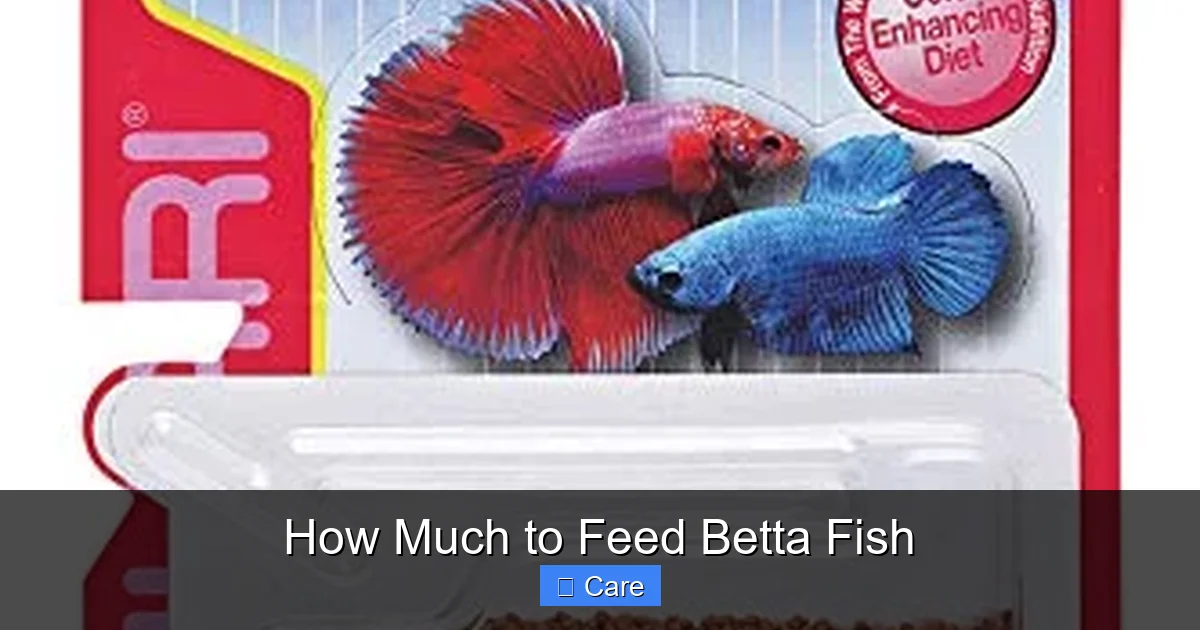
Not all betta food is created equal. The foundation of your betta’s diet should be a high-quality, betta-specific pellet or granule. These are formulated to contain the right protein content (typically 40-50% for bettas), essential vitamins, and minerals. They float or sink slowly, allowing your betta to graze at the surface where it naturally feeds. When selecting a brand, look for one where the first few ingredients are whole fish or fish meal, not fillers like wheat, soy, or potato.
Visual guide about How Much to Feed Betta Fish
Image source: m.media-amazon.com
Why Avoid Generic “Community” Fish Food?
Standard tropical fish flakes or generic pellets are formulated for omnivores like tetras or barbs. They are often packed with plant-based fillers and carbohydrates that a betta’s system cannot process efficiently. This leads to digestive issues, excess waste, and poor water quality. Always opt for food specifically labeled for bettas or “carnivorous fish.”
The Role of Frozen & Freeze-Dried Foods
Frozen foods like brine shrimp, bloodworms, and daphnia are excellent supplements. They are high in protein and closely mimic a betta’s natural diet. Always thaw frozen food completely in a small cup of tank water before offering a tiny amount (a few shrimp or worms). Freeze-dried versions are convenient but should also be pre-soaked in tank water for 5-10 minutes. This rehydrates them and prevents them from expanding in the betta’s stomach, which can cause serious internal issues. These treats should be offered only 1-2 times per week, never daily, to avoid nutritional imbalances and digestive stress.
The Myth of “Living Food” and Bread
You may hear old-timers suggest feeding bettas live foods like wingless fruit flies or even bits of bread. Avoid this. Live foods carry a high risk of introducing parasites or pathogens into your sterile aquarium. Bread is a carbohydrate bomb for a carnivore. It swells in the stomach, provides zero nutritional value, and will almost certainly lead to constipation and water pollution. Stick to the safe, tested options above.
Establishing the Perfect Feeding Schedule and Routine
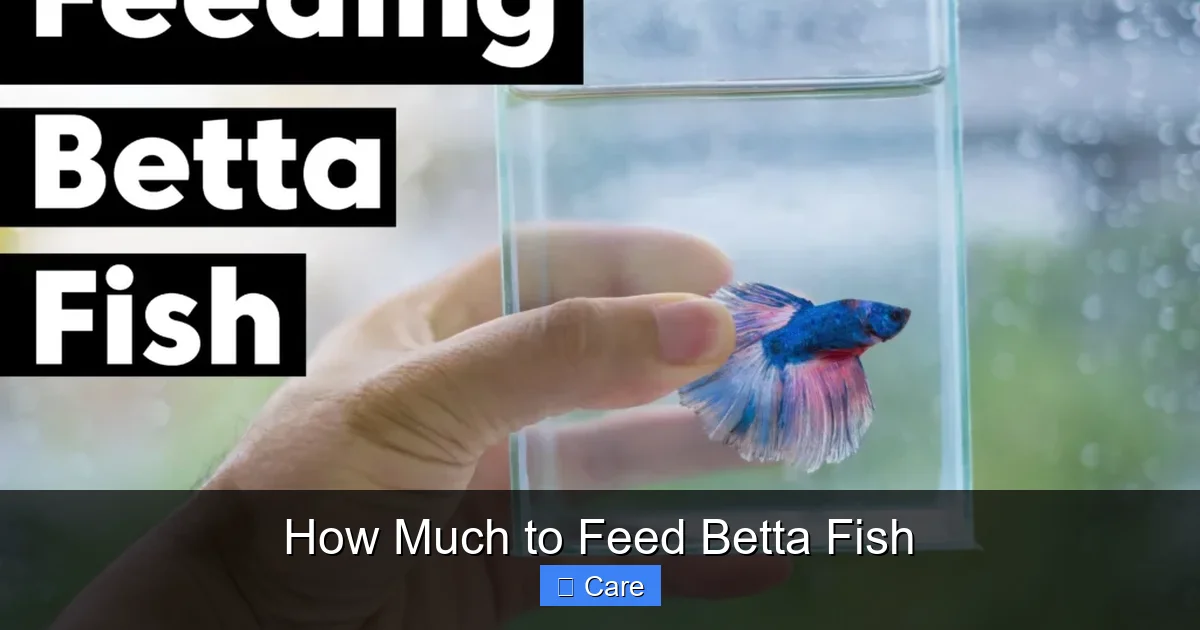
Now that you have the right food and know the portion size, it’s time to build a routine. A consistent schedule reduces stress for both you and your betta and helps you monitor its health. The question of how often to feed is just as important as how much.

Visual guide about How Much to Feed Betta Fish
Image source: i.ytimg.com
The Standard Adult Schedule: Once or Twice Daily
For a healthy adult betta (over 6 months old), one meal per day is perfectly sufficient. This aligns well with their natural foraging patterns and is easier on their digestive system. Many dedicated keepers feed once daily. If you prefer to interact with your betta more or have a particularly active individual, a small second meal in the evening is acceptable, but the total daily volume must still not exceed the size of its eye. For example, if feeding twice, each meal would be half the “eyeball” portion.
Feeding Juveniles and Frys
Baby bettas, or fry, have much higher energy needs for growth. They require 3-4 small meals per day of appropriately sized foods like infusoria, newly hatched brine shrimp, or crushed betta pellets. As they grow, you can gradually reduce the frequency to the adult schedule.
The Power of the Weekly Fast
One of the most beneficial practices for any betta owner is to implement a weekly fast. Choose one day a week (Sunday is a popular choice) and provide no food at all. This 24-hour period allows the digestive tract to fully clear, helps prevent constipation, and can even reset a minor case of bloating. It mimics natural periods of scarcity in the wild. Your betta will not starve; in fact, it’s a health-promoting practice. You can use this day to perform a partial water change instead.
Step-by-Step: The Correct Feeding Process
How you deliver the food matters. Follow this routine every time to ensure safety and minimize mess.
- Prepare the Food: If using pellets, measure out 2-3 (or the eyeball equivalent). If using frozen or freeze-dried, thaw or soak in a small cup of tank water for 5-10 minutes.
- Introduce the Food: Gently sprinkle the pellets onto the water’s surface or use a feeding ring if you have one to contain them. For soaked foods, use a pipette or spoon to place a few items near your betta.
- Observe and Time: Watch your betta. It should actively seek and consume the food within 2-3 minutes. Use a timer if needed.
- Clean Up Relentlessly: After the feeding window, use a small net or a turkey baster to remove any and all uneaten pellets or food debris from the surface and bottom of the tank. This is non-negotiable for water quality.
- Log It (Optional but Helpful): Keeping a simple log of what you fed and how much can help you spot trends in your betta’s appetite or waste production, which are key health indicators.
Diagnosing Problems: Signs of Overfeeding and Underfeeding
Even with the best intentions, things can go wrong. Knowing the symptoms allows for quick correction.
The Dreaded Bloat: Constipation and Swim Bladder Disorder
The most common issue from overfeeding is constipation. Look for a visibly swollen, rounded abdomen and long, stringy feces trailing from the vent. The fish may become lethargic, hang at the bottom, or show difficulty swimming (swim bladder disorder). Immediate Action: Fast the fish for 3-5 days. During this time, you can offer a small, skinned pea (cooked and mashed) as a natural laxative after the first 24 hours. Ensure pristine water quality with a 25% water change. If symptoms persist beyond the fast, consult a vet.
The Messy Tank: Water Quality Collapse
Uneaten food decomposes instantly, creating a massive ammonia and nitrite spike. You’ll notice the water turning cloudy within hours, a strong odor, and your filter working overtime. This is toxic to your betta. Immediate Action: Perform a 50% water change immediately, siphoning all debris from the substrate. Scrub the glass. Re-evaluate your portion sizes downward and be religious about removing leftovers.
Signs of Underfeeding (Less Common)
While overfeeding is the norm, underfeeding can occur if you’re too strict. A truly hungry betta may appear thin, with a concave belly behind the pectoral fins. Its fins may be clamped, and it will be hyper-alert, rushing to the surface at any movement. If you suspect underfeeding, slightly increase the portion (still adhering to the eyeball rule) and ensure you’re using a nutrient-dense food.
Special Considerations: Fasting, Treats, and Health
Feeding isn’t static; it must adapt to your betta’s life stage and health status.
Fasting for Health: Not Just a Weekly Ritual
Beyond the weekly fast, you should always fast a betta that is sick, especially with symptoms like bloating, lethargy, or loss of appetite. Food digestion diverts energy from the immune system. A 3-5 day fast is the first line of treatment for many internal ailments. Once appetite returns, offer a small, easily digestible meal like a daphnia or a soaked, crushed pellet.
Treats: The 10% Rule
Frozen and live foods are treats. They should constitute no more than 10-15% of the total weekly diet. Think of them as a supplement to a balanced staple pellet diet, not the main course. Overindulgence in rich foods like bloodworms can lead to fatty liver disease and other complications.
Adjusting for Temperature and Activity
Bettas are tropical fish. Their metabolism is directly tied to water temperature (ideally 76-82°F or 24-28°C). In cooler water, their digestion slows dramatically. If your tank is on the lower end of this range, you may need to feed slightly less or even skip a day, as they may not fully digest the food. Conversely, a very active betta in a warm tank might benefit from a second tiny meal, but never exceed the eyeball portion total.
Conclusion: The Path to a Vibrant, Healthy Betta
Mastering how much to feed betta fish is the single most impactful thing you can do for its welfare. It boils down to this: tiny portions, high-quality food, a consistent schedule, and one day of rest. Forget the image of a constantly grazing fish; embrace the reality of a predator with a tiny stomach. By measuring food with your betta’s own eye as a guide, you prevent the cascade of problems that overfeeding causes—from swim bladder disease to toxic water. You’ll be rewarded with a fish that is active, displays its brilliant colors to their fullest, and lives a long, healthy life of 3-5 years or more. Remember, in betta care, less is almost always more. Your discipline at the feeding time is the ultimate act of care.
Frequently Asked Questions
How many betta pellets should I feed per day?
For an adult betta, feed 2-3 high-quality pellets once per day. This should equal the size of its eye. If feeding twice daily, halve that portion for each meal. Always remove any uneaten food after 2-3 minutes.
Can I feed my betta bloodworms every day?
No. Bloodworms are a rich treat, not a staple. Feeding them daily can cause digestive issues, constipation, and nutritional imbalances. Limit bloodworms, brine shrimp, or daphnia to 1-2 times per week as a supplement to a pellet-based diet.
Is it okay to skip a day of feeding my betta?
Absolutely. In fact, it’s highly recommended. Fasting your betta for one full day per week (e.g., every Sunday) aids digestion, prevents constipation, and mimics natural feeding patterns. Healthy adult bettas can easily go without food for a week if necessary.
My betta is bloated and floating funny. What should I do?
This is likely swim bladder disorder, often caused by overfeeding or constipation. Immediately stop feeding for 3-5 days. Perform a 25% water change to ensure excellent water quality. After 24 hours, you can offer a small piece of skinned, cooked pea to act as a laxative. If there’s no improvement, seek advice from an aquatic veterinarian.
Why does my betta act hungry all the time if I feed it correctly?
This is a natural instinct. Bettas are opportunistic feeders in the wild, where meals are unpredictable. They are “programmed” to eat whenever food is available. Your correct, small portion is sufficient for their nutritional needs, even if they beg for more. Do not be fooled by their persistent behavior.
Should I change the water after feeding my betta?
You don’t need a full water change after every meal. However, you must remove all uneaten food within 2-3 minutes of feeding. A partial water change (25-50%) is recommended 1-2 hours after a meal if you notice significant debris, or as part of your regular weekly maintenance routine to combat the increased bioload from feeding.