How Often to Feed a Betta Fish
Feeding your betta fish correctly is crucial for its health and longevity. The general rule is to feed your betta once or twice daily, offering only what it can consume in 2-3 minutes, typically 2-3 pellets or a small pinch of frozen food. Overfeeding is the most common mistake, leading to serious health issues like constipation, swim bladder disorder, and poor water quality. Consistency, high-quality food, and careful observation of your fish’s behavior are key to mastering betta feeding.
Key Takeaways
- Feed 1-2 Times Daily: Adult bettas thrive on one meal a day; younger or more active fish may need two. Never feed more than they can eat in 2-3 minutes.
- Portion Size is Critical: A betta’s stomach is roughly the size of its eye. Use 2-3 high-quality pellets or a small pinch of frozen/brine shrimp as a standard portion.
- Overfeeding is Dangerous: It causes constipation, swim bladder disease, fin rot from poor water quality, and can drastically shorten your betta’s lifespan.
- Fast Once a Week: A 24-hour fast once a week aids digestion and helps clear their system, mimicking natural feast-or-famine cycles.
- Dietary Variety is Essential: Pellets should be the staple, but supplement with frozen (bloodworms, brine shrimp) and occasional live foods for complete nutrition.
- Observe and Adjust: Watch your betta during feeding. If food sinks uneaten, you’re feeding too much. Adjust based on activity level and body condition.
- Remove Uneaten Food: Always siphon out or net any leftover food after 5 minutes to prevent ammonia spikes and maintain pristine water quality.
[FEATURED_IMAGE_PLACEHOLDER]
📑 Table of Contents
- The Critical Importance of a Proper Betta Feeding Schedule
- The Golden Rule: Frequency and Portion Size Demystified
- Choosing the Right Food: Quality Over Quantity
- Common Feeding Mistakes and How to Avoid Them
- Special Considerations: Fasting, Life Stages, and Health Issues
- Creating Your Personalized Betta Feeding Plan
- Conclusion: Feeding as a Daily Health Check
The Critical Importance of a Proper Betta Feeding Schedule
So, you’ve brought home a stunning betta fish with flowing fins and a vibrant personality. You’ve set up a beautiful tank, but now comes the daily ritual: feeding. It seems simple, right? Just sprinkle some food? Actually, how often to feed a betta fish is one of the most frequently misunderstood aspects of betta care, and getting it wrong is the single fastest track to health problems. Bettas are carnivorous labyrinth fish with small, pea-sized stomachs. Their digestive systems are not designed for large, frequent meals. In the wild, they are opportunistic hunters, eating insects that land on the water’s surface sporadically. Replicating this pattern in captivity is the secret to a long, healthy life for your aquatic friend. This guide will dive deep into the exact science and art of feeding your betta, moving beyond simple rules to a philosophy of observation and moderation.
Why Feeding Frequency Matters More Than You Think
It’s not just about preventing a bloated belly. A consistent, appropriate feeding schedule directly impacts your betta’s swim bladder function, immune system, coloration, and even the stability of your entire aquarium ecosystem. Overfeeding leads to excess waste, which decomposes into toxic ammonia and nitrites. Even with a filter, this creates a constant low-level stressor. Furthermore, a constantly full digestive tract can press against the swim bladder, causing the dreaded “swim bladder disorder” where your fish floats upside down or sinks and can’t swim properly. Underfeeding, while less common with commercial foods, can lead to malnutrition, faded colors, and lethargy. The goal is a balanced, sustainable rhythm.
The Golden Rule: Frequency and Portion Size Demystified
Let’s start with the foundational numbers. For the average adult betta in a stable, heated tank, once-daily feeding is often perfectly sufficient. Many experienced keepers swear by this routine, as it gives the digestive system a full 24 hours to process food completely. If your betta is very young (a growing fry), a robust adult with a high metabolism, or housed in a slightly warmer tank (78-80°F), you may offer a small second meal 12 hours after the first. The key is that the total daily food volume should never exceed the size of its eyeball.
Visual guide about How Often to Feed a Betta Fish
Image source: lovefishtank.com
Visual Portion Guide: The Eyeball Method
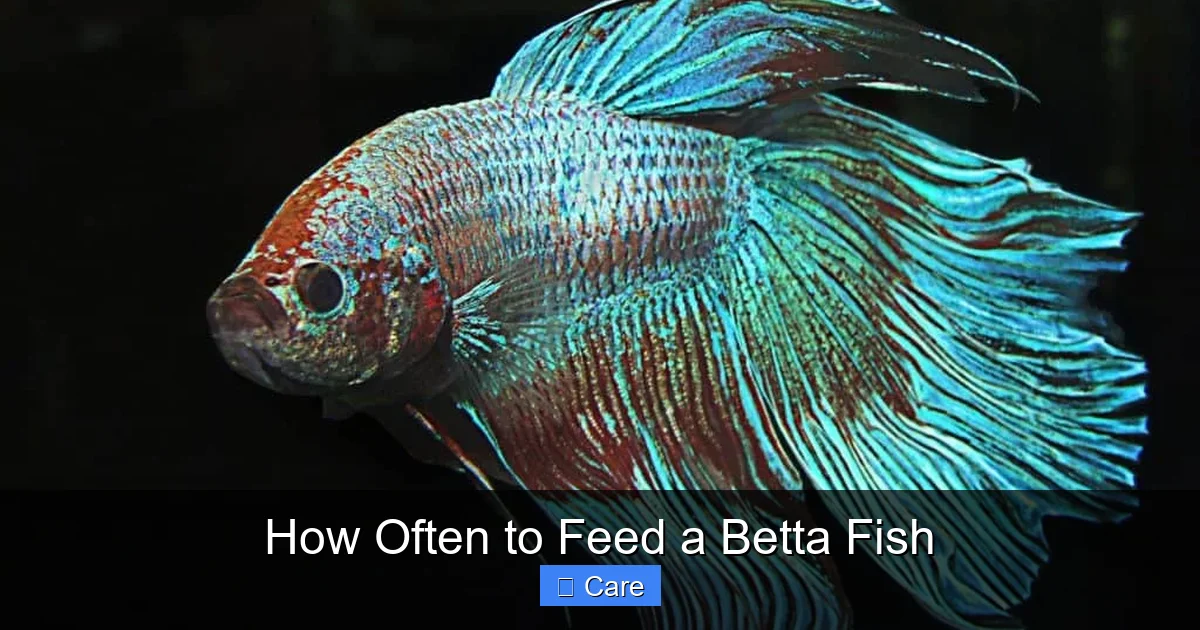
Forget teaspoons and scoops. The most reliable tool is your betta’s own anatomy. Look at its eye. That’s the maximum volume its stomach can comfortably hold. For premium pellets, this is typically 2-3 small pellets per meal. For frozen foods like bloodworms or brine shrimp, it’s about a small pinch—think the amount that would fit on a fingernail. If you’re using flakes (not recommended as a staple due to mess and overfeeding risk), a tiny pinch that dissolves within a minute is enough. When in doubt, always underfeed. You can always offer a tiny bit more if they seem genuinely still hungry and active after a few minutes, but you cannot take food back once it’s in the tank.
Timing and Routine: The Why Behind the Schedule
Bettas are creatures of habit. Picking a consistent time to feed, like every morning when you have your coffee or right before you leave for work, helps reduce stress. A predictable routine means your betta will be waiting eagerly and will eat promptly, allowing you to quickly remove any leftovers. This consistency also helps you monitor health; if your betta suddenly ignores food at its usual time, it’s an early warning sign of potential illness. Stick to your schedule, but remain flexible. If your betta is lethargic and not eating, skip the meal and investigate water parameters or signs of disease.
Choosing the Right Food: Quality Over Quantity
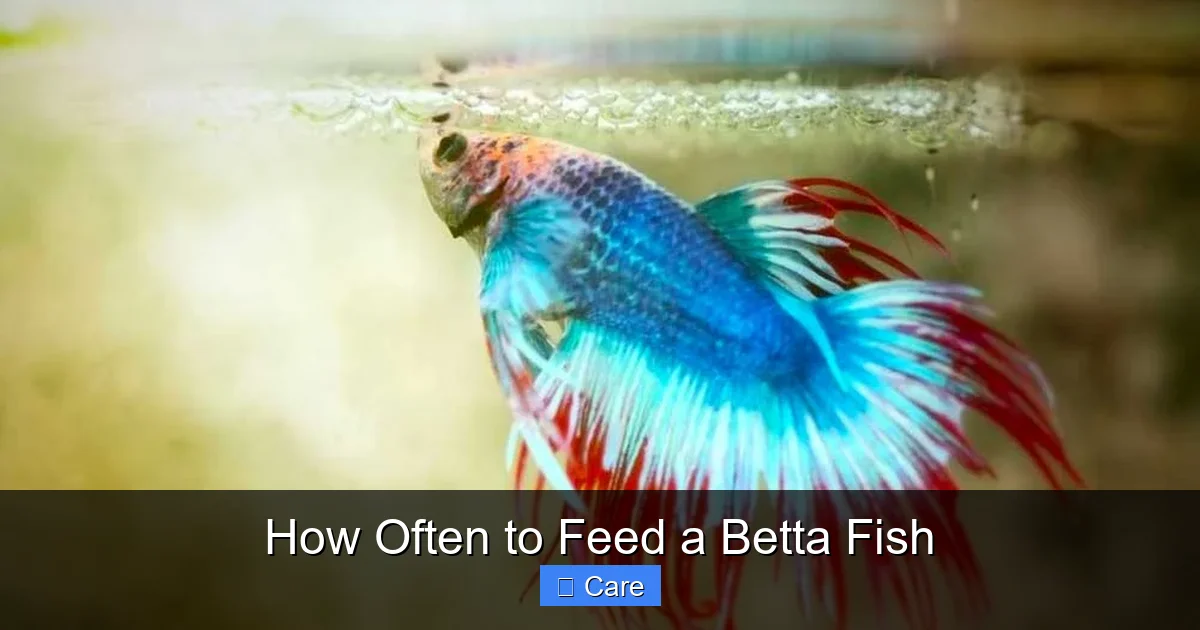
The question of how often to feed a betta fish is intrinsically linked to what you feed them. A poor-quality diet, even in correct portions, can lead to nutritional deficiencies. Bettas are obligate carnivores, meaning their diet must be primarily animal protein. Cheap fillers like wheat, soy, and rice in many standard fish flakes and pellets pass through them undigested and contribute to water cloudiness and constipation.
Visual guide about How Often to Feed a Betta Fish
Image source: cafishvet.com
Staple Diet: High-Quality Pellets
Your betta’s daily meal should be a high-quality pellet formulated specifically for bettas or carnivorous tropical fish. Look for ingredients where whole fish, shrimp, or krill meal are the first few items. Avoid those with “fish meal” as the first ingredient, as this can be a vague, lower-quality byproduct. Brands like Hikari Betta Bio-Gold, New Life Spectrum Betta, and Fluval Bug Bites are excellent, protein-rich choices. These pellets are designed to sink slowly, mimicking natural prey, and are nutritionally balanced.
The Vital Role of Variety: Frozen and Live Foods
While pellets should be 80-90% of the diet, variety is crucial for enrichment and complete nutrition. Offer frozen foods 2-3 times a week as a “treat” or to replace a pellet meal. Excellent options include:
- Frozen Bloodworms: A betta favorite, rich in protein. Thaw a small cube, rinse, and offer a pinch.
- Frozen Brine Shrimp: Great for digestion and providing roughage. Opt for the larger, nutrient-dense “San Francisco” type if available.
- Frozen Mysis Shrimp: An exceptional food high in protein and digestible chitin, excellent for promoting vibrant color.
For true enrichment, live foods like daphnia (water fleas) or microworms are unparalleled. They stimulate natural hunting behaviors and are fantastic for relieving constipation due to their high moisture and fiber content. However, live foods carry a risk of introducing parasites or diseases, so source them from a reputable culture or avoid if you’re a beginner.
Common Feeding Mistakes and How to Avoid Them
Even with the best intentions, betta owners frequently fall into traps that harm their fish. Recognizing these mistakes is the first step to correcting them.
Visual guide about How Often to Feed a Betta Fish
Image source: fishkeepingwisdom.com
Mistake #1: The “Scatter and Hope” Method
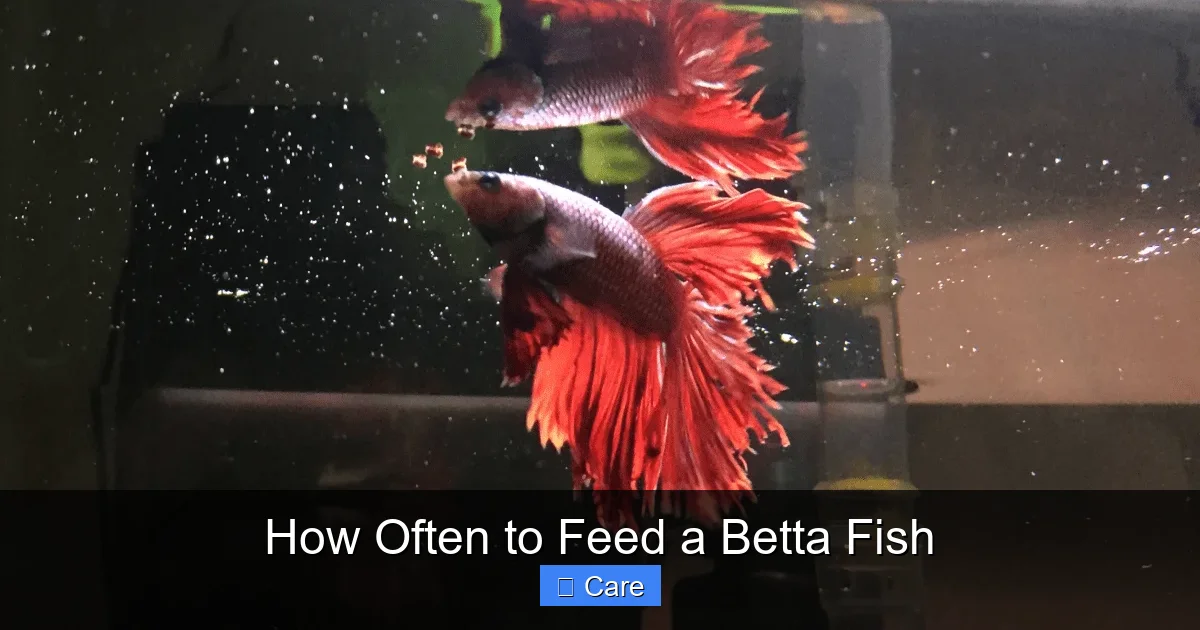
Dumping a pile of food into the tank and walking away is a recipe for disaster. Bettas are surface feeders, but food will sink quickly. You must observe your betta eat. Drop in the portion piece by piece if necessary, ensuring it all gets consumed within 2-3 minutes. Any food that settles on plants or substrate will rot and pollute the water.
Mistake #2: Ignoring Uneaten Food
If you see food sinking to the bottom, you’ve fed too much. But the damage isn’t done yet. You must physically remove that uneaten food with a siphon, turkey baster, or net within 5 minutes. This is non-negotiable for long-term tank health. A clean-up crew (like a small snail or shrimp) can help, but they are not a substitute for your vigilance.
Mistake #3: Using Fillers and “Complete” Flake Foods
Standard tropical fish flakes are often packed with plant-based fillers that bettas cannot digest properly. This leads to constipation and excessive waste. They also cloud the water. Stick to betta-specific pellets and supplemental protein sources.
Mistake #4: Feeding Inactive or Sick Fish
If your betta is hiding, clamped, or lethargic, do not force food. A healthy betta will readily accept food. Loss of appetite is a primary symptom of illness (like dropsy, fin rot, or internal parasites). In this case, fast the fish for 24-48 hours to rest its system, then try a small amount of daphnia or a de-shelled pea to aid digestion if constipation is suspected. If the issue persists, diagnose the underlying disease.
Special Considerations: Fasting, Life Stages, and Health Issues
Applying a rigid rule to every betta is a mistake. You must adapt your feeding strategy to your specific fish’s life stage and health status.
The Weekly Fast: Why and How
Implementing a 24-hour fast once a week (e.g., every Sunday) is highly beneficial. It gives the digestive tract a complete rest, helps clear any minor blockages, and mimics the natural inconsistency of food availability in the wild. Do not feed your betta at all on this day. For most healthy adults, this is not harmful and is actually preventative. Skip the fast for very young fry (under 3 months) or visibly underweight/ill fish.
Feeding Bettas of Different Ages
Fry (0-3 months): They have voracious appetites and are growing rapidly. Feed 3-4 small meals per day of finely crushed premium betta pellets or infusoria/micro worms. Only feed what they can eat in 1-2 minutes.
Juveniles (3-6 months): As they grow, you can reduce to 2-3 meals per day of small pellets or frozen foods.
Adults (6+ months): Solidify on 1-2 meals per day of high-quality pellets with frozen variety.
Feeding Through Common Health Problems
Constipation is the most common diet-related issue, signaled by a bloated abdomen and stringy white feces. The immediate cure is a 24-48 hour fast followed by a de-shelled, cooked pea (cut in half) or a dose of daphnia, both excellent laxatives. For swim bladder disorder, a fast is the first step. If the problem recurs, review your feeding routine—you are almost certainly overfeeding or feeding low-quality, hard-to-digest foods. For bettas with fin rot or fungal infections, ensure impeccable water quality by removing all uneaten food immediately, as decaying matter fuels these infections.
Creating Your Personalized Betta Feeding Plan
Now, let’s put it all together into a simple, actionable plan you can start today.
Step 1: Assess Your Betta
Is it a plump adult or a lean, active juvenile? Is it a giant halfmoon with a slower metabolism or a tiny wild-type with high energy? Start with the baseline of one meal per day for a typical adult.
Step 2: Choose Your Core Food
Invest in one high-quality betta pellet. Use this as 90% of the diet. This eliminates guesswork about nutrition.
Step 3: Schedule and Observe
Pick a time. Morning is ideal. Offer 2-3 pellets. Watch. Does it eat them all in 30 seconds? Is there any leftover? If yes, reduce to 2 pellets next time. If it eats them all and seems actively searching for more (not just gulping water), you can try 3 pellets. After a week, you’ll know the perfect portion.
Step 4: Add Variety
Mark your calendar: “Frozen Bloodworm – Tuesday.” “Fast – Sunday.” This prevents you from overdoing treats. Rotate between bloodworms, brine shrimp, and mysis shrimp.
Step 5: The Clean-Up Crew is You
Have your net or siphon ready during every feeding. If you see a single pellet sink, grab it. This habit will save you from countless water changes and health issues down the line.
Conclusion: Feeding as a Daily Health Check
Mastering how often to feed a betta fish transforms a simple chore into a powerful daily health diagnostic tool. Your betta’s reaction to food is its way of communicating. A hearty, eager appetite signals wellness. A sudden disinterest is a red flag. By committing to a schedule of high-quality, portion-controlled meals, removing every scrap of waste, and providing dietary variety, you are directly responsible for the vibrant colors, flowing fins, and playful personality that make bettas such captivating pets. Remember, in the world of betta care, less is almost always more. When in doubt, feed less. Your fish’s longevity and your enjoyment of its beauty depend on it.
Frequently Asked Questions
Can I feed my betta every other day instead of daily?
For a healthy adult betta in a warm, stable tank, feeding every other day is generally acceptable and aligns with their natural eating patterns. However, daily feeding of a very small, correct portion is also fine. The key is total daily volume, not the gap between meals. If you feed every other day, ensure the single meal is nutritionally dense (high-quality pellets). Many keepers prefer daily feeding for the routine and bonding opportunity.
What are the clear signs I’m overfeeding my betta?
The most obvious sign is visible constipation: a bloated, pinecone-like abdomen and stringy white feces. Other signs include lethargy, clamped fins, and frequent gasping at the surface due to poor water quality from excess waste. You may also see uneaten pellets accumulating on the tank bottom. If you notice these, immediately reduce portion size, fast for 24-48 hours, and perform a water change.
Is it okay to use regular tropical fish flakes for my betta?
It’s not recommended as a staple. Most generic flakes contain high levels of plant-based fillers that bettas cannot digest well, leading to constipation and excessive waste. They also cloud the water quickly. Use betta-specific pellets as your primary food. If you must use flakes occasionally, choose a high-quality, carnivore-focused brand and feed an extremely small pinch, removing all excess immediately.
How long can a betta survive without food?
A healthy adult betta can comfortably survive 7-10 days without food. Their slow metabolism in cooler water allows for this. This is useful to know if you’re traveling. However, do not use this as a regular practice. A 24-48 hour fast weekly is beneficial, but prolonged fasting leads to stress, a weakened immune system, and muscle loss. Always have a pet sitter or an automatic feeder (with dry food caution) for trips longer than 3 days.
My betta is spitting out its pellets. Why?
This is common and usually not a sign of illness. Bettas have small mouths and may initially misjudge the size or hardness of pellets. Try pre-soaking pellets for 30 seconds in tank water to soften them. Also, ensure the pellets are specifically sized for bettas (“micro” or “betta” pellets). If the behavior persists with soft, small food, it could indicate a dental issue, mouth injury, or internal parasite, and you should observe for other symptoms.
Should I feed my betta differently in the winter or if my tank temperature drops?
Yes. Bettas are tropical fish whose metabolism is directly tied to water temperature. If your tank is below 75°F (24°C), their digestion slows dramatically. In cooler water, reduce feeding frequency to once every other day or even every two days, and only offer a tiny portion. The ideal temperature is 78-80°F (25.5-26.5°C), where a normal feeding schedule is appropriate. Never feed a cold betta; their digestive enzymes are inactive.