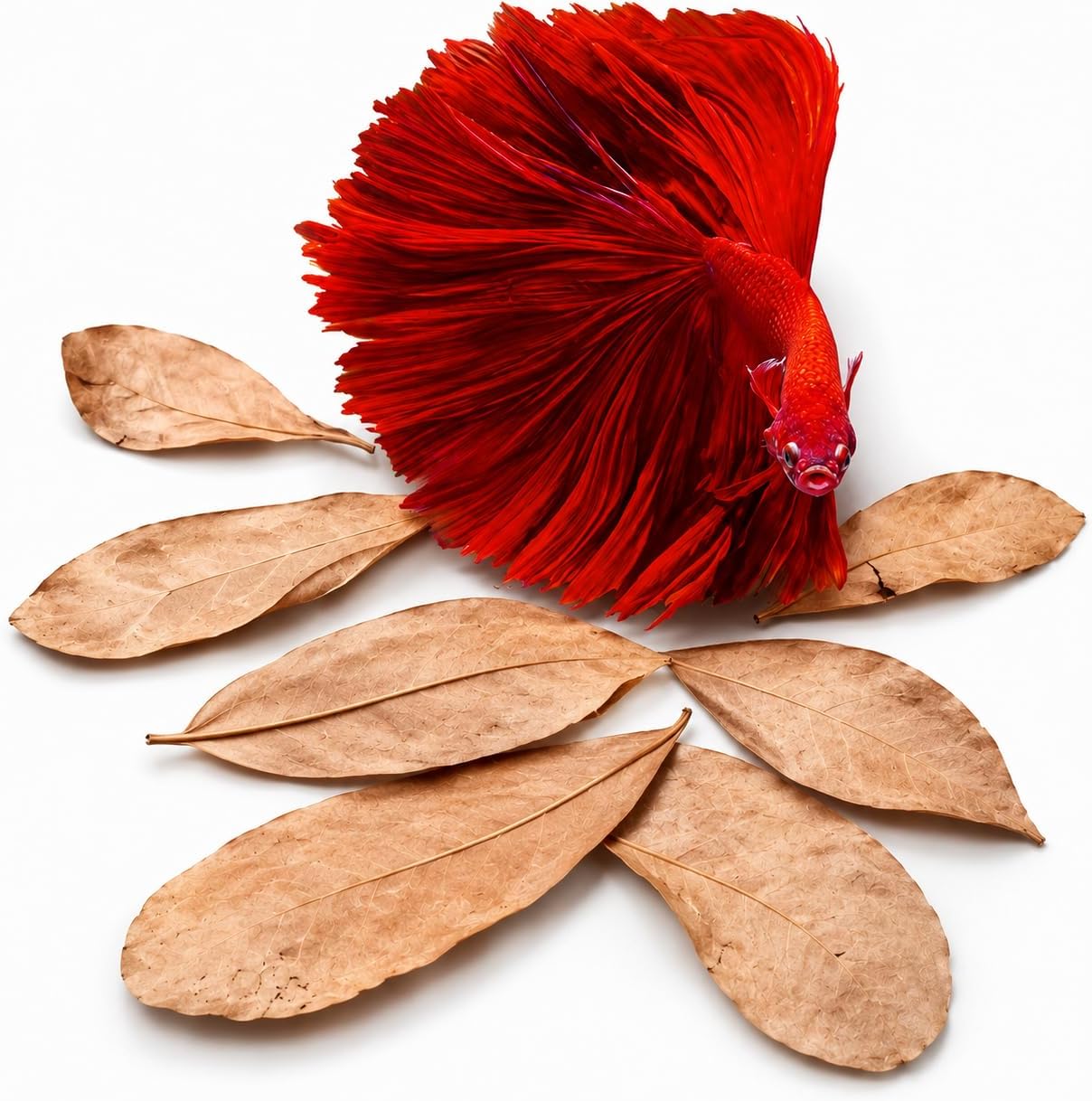
Looking for a cozy home for your betta? Keeping the water between 76‑80°F is key to a happy, healthy fish. This guide shows easy tricks, from heaters to natural methods, to make your betta fish tank warmer without breaking the bank.
Key Takeaways
- Ideal temperature range: Betta fish thrive at 76‑80°F (24‑27°C).
- Choose the right heater: Submersible heaters are safest for small tanks.
- Placement matters: Put the heater where water circulates best.
- Backup plans: Use thermostats, timers, or insulating tricks for power outages.
- Monitor regularly: A reliable thermometer prevents overheating or chilling.
- Combine methods: Pair a heater with natural heat sources for energy efficiency.
- Safety first: Always follow manufacturer instructions and keep cords dry.
📑 Table of Contents
- Why Temperature Is Crucial for Betta Health
- 1. Choose the Right Heater for a Small Betta Tank
- 2. Use a Reliable Thermometer and Monitor Frequently
- 3. Insulate the Tank to Retain Heat
- 4. Harness Natural Heat Sources
- 5. Backup Plans for Power Outages
- 6. Maintain Water Quality While Heating
- 7. Common Mistakes to Avoid
- Putting It All Together: A Step‑by‑Step Warm‑Tank Routine
- Conclusion
Why Temperature Is Crucial for Betta Health
Betta fish are tropical marvels. In the wild they swim in warm, slow‑moving waters of Southeast Asia where the temperature rarely drops below 75°F. In a home aquarium, a cold tank can stress a betta, suppress its immune system, and make it sluggish or prone to disease. On the flip side, water that’s too hot can raise the metabolism so fast that the fish exhausts itself and oxygen levels plunge.
Keeping the water in the sweet spot of 76‑80°F (24‑27°C) does three things:
- Boosts immunity: A stable warm environment supports the betta’s natural defenses.
- Promotes activity: You’ll see brighter colors, flaring fins, and playful behavior.
- Improves digestion: Proper temperature helps the fish break down food efficiently.
If you’ve ever wondered “how to make my betta fish tank warmer?” you’re already on the right track. Below are practical steps you can take, whether you own a 2‑gallon bowl or a 5‑gallon tank.
1. Choose the Right Heater for a Small Betta Tank
Submersible vs. Hang‑On Heaters
For most betta setups, a submersible heater is the safest choice. It sits fully underwater, distributes heat evenly, and has a built‑in thermostat that shuts off when the set temperature is reached. Hang‑on heaters attach to the outside of the tank, which can be risky in small bowls where space is limited.

Visual guide about How to Make My Betta Fish Tank Warmer
Image source: 0.rc.xiniu.com
How Much Wattage Do You Need?
As a rule of thumb, use 2‑5 watts per gallon. A 2‑gallon tank needs about 5 watts, while a 5‑gallon tank can run comfortably with a 10‑15‑watt heater. Over‑powering the heater can cause temperature spikes, so match the wattage to your tank size.
Installation Tips
- Rinse the heater in dechlorinated water before plugging it in.
- Attach the heater to the side of the tank where water flow is strongest (often near the filter outlet).
- Set the thermostat to the lower end of the ideal range—around 76°F—then adjust gradually.
- Never leave a heater unattended for more than a few hours during the first week.
Need a step‑by‑step guide on setting up a betta tank? Check out our article on how to set up betta fish tank for more details.
2. Use a Reliable Thermometer and Monitor Frequently
Digital vs. Stick‑On Thermometers
Digital thermometers give instant readings and often have alarm functions. Stick‑on strip thermometers are cheap but can drift over time. For accuracy, place a digital probe in a spot away from the heater and filter flow.

Visual guide about How to Make My Betta Fish Tank Warmer
Image source: i.pinimg.com
Daily Checks
Make temperature checks part of your daily routine—just like feeding. Write the reading in a log, especially during seasonal changes. If you notice a swing of more than 2°F in a day, investigate leaks, drafts, or heater malfunction.
3. Insulate the Tank to Retain Heat
Simple DIY Insulation
Wrap the back and sides of the tank with a blanket, towel, or a specialized aquarium heater blanket. Foam board cut to size works well for larger tanks. Just be sure the material does not block the filter intake or exhaust.
Use a Tank Cover
A tight‑fitting lid reduces heat loss from evaporation. If your tank doesn’t have a lid, consider a clear acrylic cover. It also prevents your betta from jumping out—a common betta behavior!
4. Harness Natural Heat Sources
Room Temperature Management
Place the tank in a room that stays warm—away from windows, drafts, and air‑conditioning vents. A sunny spot can add a few degrees, but beware of overheating on hot summer days.
Heat Lamps and LED Lights
Standard aquarium LED lights generate a modest amount of warmth. If you already use a light, choose one with a higher wattage or keep it on for slightly longer periods (no more than 10‑12 hours to avoid algae).
Warm Water Add‑Ons
In emergencies, you can add a cup of warm (room‑temperature) water to the tank. Do this slowly to avoid shocking the fish. This is a temporary fix while you troubleshoot the heater.
5. Backup Plans for Power Outages
Battery‑Operated Heaters
Small, battery‑powered heaters are available for nano tanks. They can keep the water above 74°F for a few hours—enough time to address a power loss.
Thermal Packs
Place reusable heat packs (like those used for pets) wrapped in a towel against the outside of the tank. Rotate them every few hours.
Temperature‑Controlled Switches
Plug the heater into a thermostat that cuts power if the temperature exceeds a set limit. This protects your betta from overheating if the heater malfunctions.
6. Maintain Water Quality While Heating
Why Warm Water Can Be Tricky
Higher temperatures speed up the growth of harmful bacteria and ammonia. Regular water changes become even more important.
Partial Water Changes
Swap out 20‑30% of the water weekly with water that matches the tank’s temperature. Use a thermometer to ensure the new water isn’t too cold, which could cause a temperature shock.
Filtration and Aeration
A gentle filter keeps the water moving, distributing heat evenly. However, strong currents can stress bettas, so use a sponge filter or adjust the flow rate.
For more on keeping the environment clean, read how to clean betta fish tank.
7. Common Mistakes to Avoid
- Over‑heating: Setting the heater above 82°F can cause stress and shorten lifespan.
- Using a heater made for large aquariums: It may not regulate well in a small tank.
- Ignoring drafts: A cold breeze from a window can offset any heater’s work.
- Not monitoring: Even reliable heaters can fail; regular checks are essential.
Putting It All Together: A Step‑by‑Step Warm‑Tank Routine
- Choose a 5‑watt submersible heater for a 2‑gallon tank.
- Install the heater on the side opposite the filter outlet.
- Set the thermostat to 76°F and plug it into a surge‑protected outlet.
- Place a digital thermometer in a neutral spot and log daily readings.
- Wrap the back of the tank with a foam board blanket.
- Cover the tank with a clear acrylic lid.
- Perform a 25% water change every week using water pre‑warmed to 78°F.
- Check the heater’s cord and connections weekly for wear.
Following this routine will keep your betta comfortable year‑round, whether it’s a chilly winter night or a breezy summer afternoon.
Conclusion
Knowing how to make my betta fish tank warmer isn’t just about buying a heater—it’s about creating a stable, safe environment that mimics the betta’s natural habitat. By selecting the right heater, insulating the tank, monitoring temperature, and keeping the water clean, you give your betta the best chance to thrive. Remember, consistency is key; small daily checks prevent big problems later. Your betta will reward you with vibrant colors, graceful fins, and a lively personality that makes every moment at the tank a joy.
Frequently Asked Questions
What temperature range is safest for a betta fish?
Betta fish do best in water that stays between 76°F and 80°F (24°C‑27°C). Anything consistently below 74°F can stress the fish, while temperatures above 82°F may cause overheating.
Can I use a regular aquarium heater for a 2‑gallon betta bowl?
Yes, but choose a low‑wattage submersible heater (2‑5 watts). A heater that’s too powerful can cause rapid temperature spikes in a small volume of water.
How often should I check the temperature?
Check at least once a day, preferably in the morning. During seasonal changes or after a power outage, check twice a day until the temperature stabilizes.
Is it safe to use a heat lamp above the tank?
Heat lamps can add gentle warmth, but they should never be placed directly over the water surface. Use a lamp with a built‑in timer and keep it at least 12 inches away to avoid overheating.
What can I do if the heater stops working?
First, unplug the heater and inspect the cord for damage. If the heater is faulty, replace it with a new one of the same wattage. In the meantime, use a warm water change or a battery‑operated heater as a temporary solution.
Do I need a thermostat if my heater already has one?
Most submersible heaters include a built‑in thermostat, but an external plug‑in thermostat adds an extra safety layer. It will cut power if the water gets too hot, protecting your betta from accidental overheating.