
Can Betta Fish Be with Other Types of Fish
Betta fish can sometimes share a tank with other species, but success depends on tank size, temperament, and careful mate selection. By choosing peaceful, fast‑moving tank mates and providing plenty of hiding spots, you can create a harmonious community that keeps both your betta and its companions happy.
Key Takeaways
- Temperament matters: Male bettas are territorial and may attack slow‑moving or fin‑nipping fish.
- Tank size is crucial: A minimum of 20 gallons gives a betta enough space to establish its own territory.
- Choose compatible species: Small, fast swimmers like neon tetras or rasboras are often safe choices.
- Provide hiding places: Plants, caves, and driftwood reduce stress and prevent fights.
- Monitor closely: Watch for signs of aggression for the first few weeks and be ready to separate if needed.
- Female bettas are generally more social: They can tolerate a wider range of tank mates than males.
- Water parameters must suit all: Keep temperature, pH, and hardness within ranges that suit both betta and its companions.
📑 Table of Contents
Introduction: The Question on Every Betta Owner’s Mind
When you first bring home a gorgeous, flowing‑fin betta, the natural thought is, “Can betta fish be with other types of fish?” The answer isn’t a simple yes or no. It depends on a handful of factors that every beginner should understand before mixing species.
In this guide we’ll walk through the science behind betta behavior, the best (and worst) tank mates, set‑up tips, and how to keep the peace. By the end, you’ll know exactly what to look for so you can confidently decide whether to create a community tank or keep a solo display.
Understanding Betta Behavior
Territorial instincts
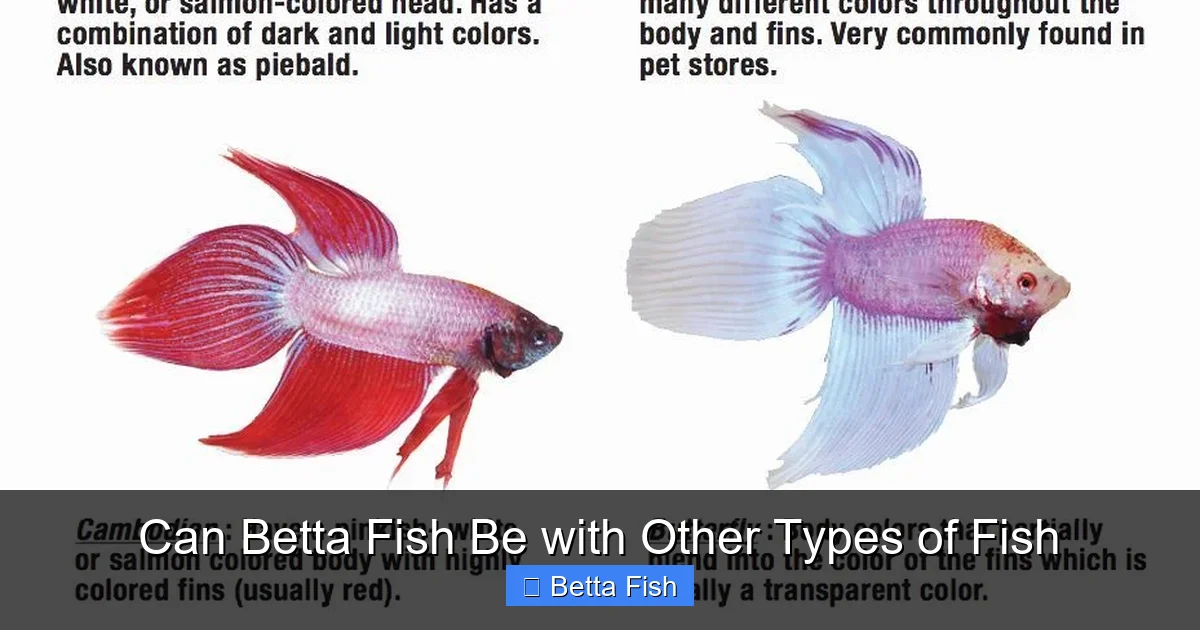
Betta fish, especially males, are natural defenders of their space. In the wild they guard small puddles and will flare their gills at anything that looks like an intruder. This instinct carries over to the aquarium, where a male may see a similarly colored fish as a rival.
Visual guide about Can Betta Fish Be with Other Types of Fish
Image source: i.pinimg.com
Gender differences
Females tend to be less aggressive and can sometimes live in groups known as sororities. However, they still need space and hiding spots to avoid stress. For this reason, the rule “male bettas are solitary” is safer for beginners, while females offer a little more flexibility.
Fin nipping and stress signals
When a betta feels threatened, it may bite or nip at the fins of other fish. Look for torn fins, faded colors, or a constantly “flared” betta as warning signs. Early detection lets you act before injuries become serious.
Choosing the Right Tank Size
Why bigger is better
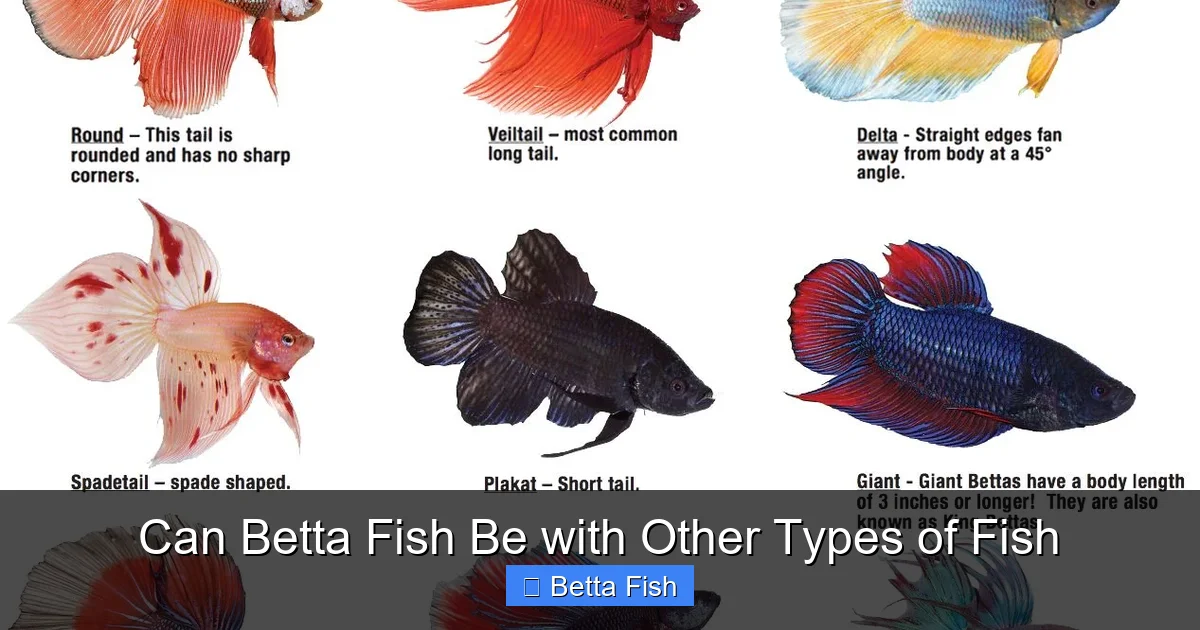
A cramped 5‑gallon tank forces a betta into close quarters with any roommates, raising the chance of conflict. A minimum of 20 gallons provides distinct zones, allowing each fish to claim its own corner.
Visual guide about Can Betta Fish Be with Other Types of Fish
Image source: i.pinimg.com
Layout matters
Use live or silk plants, driftwood, and smooth rocks to break sight lines. When a betta can’t see a potential rival at a distance, it’s less likely to flare and attack. Aim for at least three different “hiding” structures per species.
Best Tank Mates for Betta Fish
Fast‑moving, mid‑level swimmers
Species that dart around the upper and middle levels give a betta less reason to feel threatened. Good examples include:

Visual guide about Can Betta Fish Be with Other Types of Fish
Image source: i.pinimg.com
- Neon tetras
- Harlequin rasboras
- Guppies (male guppies only if the betta is female)
- Corydoras catfish (bottom dwellers that keep out of the betta’s line of sight)
Peaceful community fish
According to What Other Fish Can Live With Betta Fish, small peaceful fish that do not resemble a betta in color or shape are the safest choices. Avoid any fish with long, flowing fins that a betta might mistake for a rival.
Species to avoid
Do not keep your betta with:
- Other male bettas (see Can Betta Fish Be With Other Betta Fish)
- Fin‑nippers like tiger barbs
- Slow, bottom‑dwelling fish such as fancy goldfish
- Fish that are bright red or blue, which can trigger aggression
Setting Up a Community Tank
Water parameters that suit everyone
Betta fish thrive in water that is 76‑82 °F (24‑28 °C), slightly acidic to neutral (pH 6.5‑7.5). Most community fish listed above share these ranges, making it easier to keep a stable environment.
Filtration and flow
A gentle filter is essential. Too strong a current stresses bettas, who prefer calm water. Use a sponge filter or a hang‑on‑back unit with a spray bar aimed at the tank’s side rather than directly at the betta.
Lighting and plant choices
Low to moderate lighting mimics a betta’s natural habitat. Live plants like Java fern, Anubias, and Amazon swords provide natural cover. If live plants aren’t an option, high‑quality silk plants work just as well.
Introducing new fish
Always acclimate newcomers slowly. Use the “bag float” method for 15‑20 minutes, then drip‑acclimate over an hour. When adding the betta, place a divider in the tank for the first 24‑48 hours so they can see each other without direct contact.
Monitoring and Troubleshooting
Signs of a happy betta
A relaxed betta displays bright colors, flares its fins only occasionally, and swims without hiding constantly. If your betta is constantly at the surface or hiding, it may be stressed.
When aggression escalates
If you notice fin damage, constant flaring, or a betta that chases other fish, act quickly. Use a tank divider or a separate “hospital” tank to isolate the aggressor. In many cases, moving the betta to a larger tank or switching to a female betta solves the problem.
Health checks
Regular water tests (ammonia, nitrite, nitrate) keep the environment safe. A healthy betta also has an intact, flowing tail and clear eyes. Any signs of disease should be treated before adding new tank mates.
Conclusion: Making the Decision
So, can betta fish be with other types of fish? Yes—if you respect their territorial nature, choose compatible, fast‑moving companions, and provide a spacious, well‑planted tank. Female bettas give a bit more leeway, while male bettas require careful planning and vigilant observation.
Remember, the goal isn’t just to keep fish together; it’s to keep them thriving. By following the guidelines above, you can enjoy the vibrant colors of a betta alongside the lively schools of tetras or rasboras, creating a stunning, peaceful aquarium that becomes the centerpiece of any room.
Frequently Asked Questions
Can a male betta live with other fish?
Male bettas can share a tank, but only with fast, non‑aggressive species and in a tank of at least 20 gallons. Monitor for aggression and be ready to separate if needed.
Are female bettas better for community tanks?
Female bettas are generally less territorial than males, making them a safer choice for mixed species tanks. They can sometimes be kept in small groups called sororities.
What are the safest tank mates for a betta?
Small, quick swimmers like neon tetras, harlequin rasboras, and Corydoras catfish are among the safest options because they stay out of the betta’s direct line of sight.
How big should a community tank be for a betta?
At minimum, aim for 20 gallons. Larger tanks provide more territory and reduce the chance of conflict.
What should I do if my betta attacks another fish?
Immediately separate the aggressor using a tank divider or a temporary quarantine tank. Re‑evaluate tank size, hiding places, and the compatibility of the species involved.
Can bettas share a tank with shrimp or snails?
Yes, many bettas coexist peacefully with larger shrimp like Amano or ghost shrimp, and with snails such as nerite or mystery snails, as long as the betta isn’t overly aggressive.





One Comment