How Much Food Should I Feed My Betta Fish
Feeding your betta fish correctly is simple but critical. The golden rule is to feed an amount equivalent to the size of its eye, once or twice daily, and fast one day a week. Overfeeding is the #1 cause of betta health problems, leading to constipation, swim bladder issues, and toxic water conditions. Stick to high-quality, meat-based foods and remove any uneaten food immediately.
Key Takeaways
- Portion Size is Key: A betta’s stomach is roughly the size of its eye. Feed no more than this amount per meal to prevent life-threatening constipation and swim bladder disease.
- Frequency Matters: Feed adult bettas 1-2 times daily. Juveniles may need 2-3 feedings. A mandatory 24-hour fast once a week is essential for digestive health.
- Food Quality is Non-Negotiable: Always choose high-protein, meat-based pellets or frozen foods. Avoid fillers like wheat or soy as primary ingredients.
- Overfeeding Pollutes Water: Excess food decomposes quickly, creating toxic ammonia and nitrite spikes that can kill your betta. Remove all uneaten food within 2-3 minutes.
- Variety is the Spice of Life: Rotate between high-quality pellets, frozen brine shrimp, daphnia, and bloodworms to provide balanced nutrition and enrichment.
- Watch Your Betta, Not the Clock: Observe your fish’s body condition. A healthy betta has a gently rounded, not bulging, abdomen. Adjust portions if you see waste or bloating.
- Fasting is Therapeutic: A weekly fast helps clear the digestive system and is a natural treatment for mild constipation. Do not feed during this period.
📑 Table of Contents
- How Much Food Should I Feed My Betta Fish? The Definitive Guide
- The Golden Rule: The “Eye-Sized” Portion
- Feeding Frequency: How Many Meals Per Day?
- What to Feed: Choosing the Right Betta Food
- The Dangers of Overfeeding: It’s More Than a Fat Fish
- Special Considerations: Fasting, Troubleshooting, and Life Stages
- Conclusion: The Simple Path to a Healthy Betta
How Much Food Should I Feed My Betta Fish? The Definitive Guide
You’ve brought home a stunning betta fish with flowing fins and a vibrant personality. You’ve set up the perfect tank with a heater, filter, and plants. Now comes the daily ritual: feeding time. But a simple question plagues many new betta owners: how much food should I feed my betta fish? It seems trivial, yet it’s one of the most important aspects of betta care. Getting it wrong is the fastest track to serious health problems. This guide will cut through the confusion. We’ll talk about exact portion sizes, perfect feeding schedules, the best food choices, and why overfeeding is a silent tank-killer. By the end, you’ll know exactly how to keep your betta healthy, active, and beautiful for years.
Let’s start with the most common mistake: thinking a betta needs a lot of food. In reality, betta fish have tiny stomachs. Their digestive systems are designed for small, protein-rich meals in the wild, not all-you-can-eat buffets. The answer to how much food should I feed my betta fish is almost always “less than you think.” This isn’t about being stingy; it’s about mimicking nature and preventing the cascade of problems that come from a constantly full belly. Think of it as portion control for your aquatic friend.
The Golden Rule: The “Eye-Sized” Portion
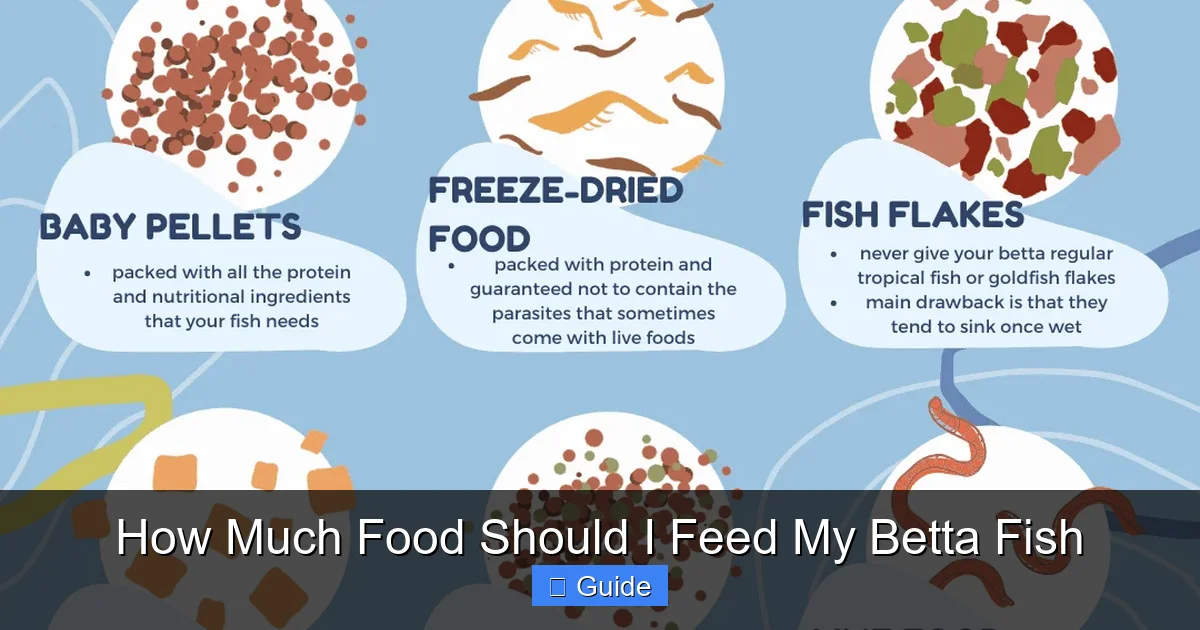
When someone asks how much food should I feed my betta fish, there is one visual rule that never fails. Look at your betta’s eye. Now, look at the food you’re about to give it. The total volume of food for one meal should not exceed the volume of your betta’s eyeball. That’s it. That’s the entire portion. For a standard adult betta, this is typically 2-3 high-quality pellets or a tiny pinch of frozen food.
Visual guide about How Much Food Should I Feed My Betta Fish
Image source: tankarium.com
Why is the eye such a good measure?
A betta’s stomach is approximately the size of its eye. This is a biological fact. Feeding more than this stretches the stomach unnaturally. Betta stomachs are not elastic like a human’s; they are simple sacs. Overfilling causes pressure on the swim bladder, the organ that controls buoyancy. This pressure leads to swim bladder disorder, a common condition where the fish floats upside down, sinks, or swims erratically. It’s painful and often fatal if not addressed. The eye-sized rule is a foolproof way to respect your betta’s anatomy.
Measuring Your Portion: Practical Tips
So, how do you actually measure this tiny amount?
- For Pellets: Take 2-3 pellets from the container. If your pellets are large, you may need to break one in half. Place them in the water. If they are high-quality, they will sink slowly. Your betta should consume them within 30 seconds to 2 minutes.
- For Frozen Foods (Brine Shrimp, Bloodworms): Thaw a small cube in a cup of tank water. Take a toothpick and dip it into the thawed food. You’ll get a tiny, wiggling clump on the end. That single toothpick-full is likely more than enough for one feeding. You can split one cube over several days.
- For Live Foods (Daphnia, Microworms): These are excellent but can be overfed easily. Use a dropper or small spoon to add a few dozen to the tank. Watch your betta hunt. Once it’s had its fill, the remaining food will sink and decay.
Remember: It is far better to underfeed by a tiny bit than to overfeed. A slightly hungry betta will be more active and alert. An overfed betta becomes lethargic and sick.
Feeding Frequency: How Many Meals Per Day?
Now that we know the portion, let’s establish the schedule. The answer to how often should I feed my betta fish depends on its age and activity level, but there are universal guidelines.
Visual guide about How Much Food Should I Feed My Betta Fish
Image source: tankarium.com
Adult Betta Fish (6 months and older)
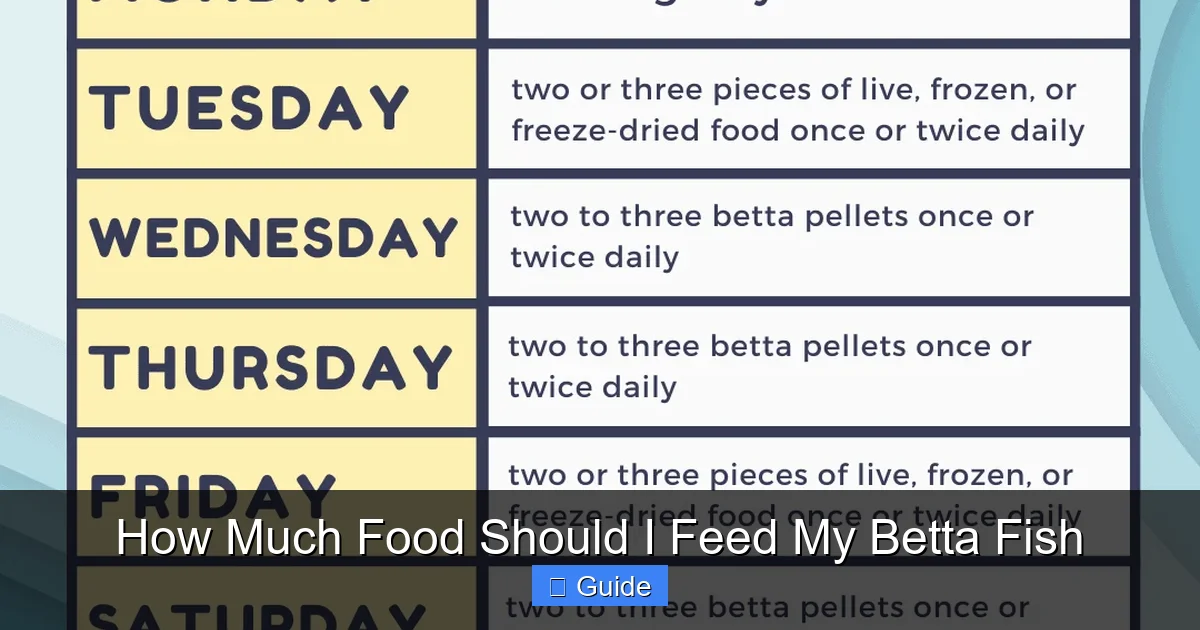
For a typical, healthy adult betta, the ideal schedule is once per day. This is sufficient for maintenance. Many experienced keepers successfully feed their adult bettas only 5-6 days a week, with one or two fast days. If you prefer to feed twice a day, you must halve the portion size for each meal. Two eye-sized portions in one day is a recipe for constipation. Stick to one small meal daily for simplicity and health.
Young Betta Fish (Fry and Juveniles)
Growing betta fry and juveniles have higher energy needs. They can be fed 2-3 times per day. However, the portion size for each feeding is still minuscule—think a few infusoria or newly hatched brine shrimp for fry, and a tiny pinch of crushed pellets for juveniles. Their stomachs are even smaller proportionally. Frequent, tiny meals support growth without polluting the water.
The Non-Negotiable: The Weekly Fast
This is the most critical part of the feeding schedule. You must fast your betta fish for one full 24-hour period every week. No food. No exceptions. Why?
- Digestive Rest: It gives the entire digestive tract a complete break, preventing buildup of waste material.
- Natural Constipation Cure: A fast is the first and best treatment for mild constipation, a common cause of swim bladder issues.
- Mimics Natural Scarcity: In the wild, bettas don’t find guaranteed meals every single day. A fast is biologically normal.
- Improves Water Quality: No food input means no additional waste for the filter to handle.
Choose a day that works for you—perhaps a busy Wednesday or a relaxing Sunday. Simply skip the feeding. Your betta will be fine and will actually benefit from it.
What to Feed: Choosing the Right Betta Food
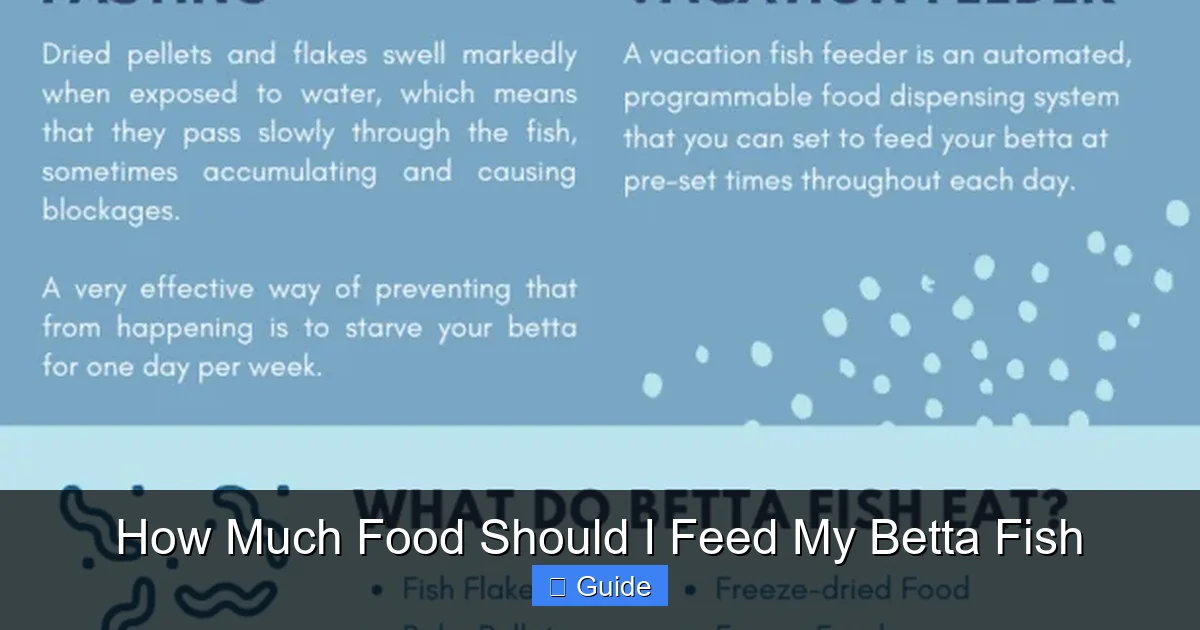
Knowing how much food to feed your betta fish is only half the battle. The type of food is equally important. Bettas are carnivores (insectivores, to be precise). Their diet in the wild consists of insects, larvae, and zooplankton. Your goal is to replicate this high-protein, low-fiber diet in captivity.
Visual guide about How Much Food Should I Feed My Betta Fish
Image source: tankarium.com
The Best Staple: High-Quality Pellets
A good pellet should be the foundation of your betta’s diet. Look for these criteria:
- First Ingredient is Whole Fish or Seafood: Avoid pellets where “wheat flour,” “soybean meal,” or “corn” are the first ingredient. The primary ingredient should be something like “whole salmon,” “krill,” or “shrimp meal.”
- Protein Content >40%: Check the guaranteed analysis. A quality betta pellet will have at least 40% crude protein, often 45% or more.
- Small, Sinking or Slow-Sinking Pellets: Bettas are surface and mid-level feeders. Pellets that sink too fast can be lost before the betta finds them. “Betta-specific” pellets are usually sized and formulated correctly.
Brands like New Life Spectrum OPTI-WORM, Fluval Bug Bites, and Hikari Betta Bio-Gold are excellent, reputable choices. Store pellets in a cool, dry place to prevent rancidity.
Essential Supplements: Frozen & Freeze-Dried Foods
Pellets are a complete diet, but variety is crucial for enrichment and optimal health. Use these as treats or meal replacements 1-2 times per week.
- Frozen Brine Shrimp: The gold standard. Rich in protein and carotenoids (which enhance color). Easy to digest.
- Frozen Daphnia: A natural laxative! It’s fantastic for preventing constipation. Its hard shell aids digestion.
- Frozen Bloodworms: A betta favorite, but use sparingly. They are very rich and can cause constipation if overused. Think of them as a dessert.
- Freeze-Dried Foods: These are convenient but should be re-hydrated in a cup of tank water before feeding. Feeding them dry can cause digestive blockages, as they expand in the betta’s stomach.
Rule: Always rinse frozen foods briefly in a net under cool water to remove any preservative liquid before adding to the tank.
Foods to AVOID
- Standard Tropical Fish Flakes: Most contain high levels of vegetable matter and fillers. Bettas will often ignore them or suffer from malnutrition.
- Human Food: No bits of ham, chicken, or bread. These are not appropriate and will foul the water instantly.
- Live Foods (except Daphnia): Avoid feeder guppies or goldfish. They carry parasites and diseases. Wild-caught live foods are a risk.
- Generic “Betta Pellets” with Poor Ingredients: If the ingredient list starts with “ground corn” or “wheat flour,” throw it away.
The Dangers of Overfeeding: It’s More Than a Fat Fish
We’ve hammered home the how much food should I feed my betta fish answer: a tiny amount. Now, let’s explore why this is so critical. Overfeeding is not just about a chubby fish. It sets off a chain reaction that can destroy your entire aquarium ecosystem.
1. Constipation and Swim Bladder Disorder
This is the most direct consequence. As discussed, an overfilled stomach presses on the swim bladder. Additionally, a diet too high in fatty foods (like too many bloodworms) or lacking in fiber can lead to impacted intestines. Symptoms include a visibly swollen, pinecone-like abdomen, difficulty maintaining depth, and erratic swimming. Treatment involves fasting, feeding a cooked pea (shelled), or feeding daphnia. Prevention is infinitely better: correct portions and a varied diet.
2. Water Quality Collapse
This is the silent, faster killer. Any food not eaten by your betta will decompose in the water. Decomposing food is organic waste. Your aquarium’s biological filter converts this waste into toxic ammonia (NH3/NH4+). Bacteria then convert ammonia to nitrite (NO2-), and another bacteria converts nitrite to nitrate (NO3-). While nitrate is less toxic, ammonia and nitrite are deadly even in small concentrations.
Overfeeding dumps a massive, sudden load of organic material into this cycle. The beneficial bacteria can’t keep up. Ammonia and nitrite spikes occur, poisoning your betta. You might see rapid breathing, lethargy, clamped fins, and death within hours. You’ll also see a foggy tank, surface scum, and a clogged filter. This is often misdiagnosed as “new tank syndrome,” but it’s actually “overfeeding syndrome.”
3. Obesity and Fatty Liver Disease
Yes, fish can get obese. A betta with a constantly rounded, bulging abdomen from overfeeding is not healthy. Excess fat can accumulate in the liver (hepatic lipidosis), impairing its function. This leads to a decline in health, color fading, and increased susceptibility to disease. A lean, active betta is a healthy betta.
4. Increased Aggression and Stress
A constantly full digestive system can make a betta feel sluggish and unwell. This can manifest as increased aggression (because it feels generally irritable) or as lethargy and hiding. A properly fed betta is alert, curious, and displays its beautiful fins actively.
Special Considerations: Fasting, Troubleshooting, and Life Stages
Mastering the basics of how much food should I feed my betta fish prepares you for most situations. But what about when things go wrong? Or when your betta is a baby or a senior?
When and How to Fast Your Betta
We’ve established the weekly fast. But you should also fast your betta if you observe any of these signs:
- A visibly swollen, constipated abdomen.
- Signs of swim bladder disorder (floating upside down, sinking).
- After a period of overfeeding (e.g., a vacation where a well-meaning friend overfed).
- Before or after a water change, to reduce immediate waste load.
How to fast: Simply do not feed for 24-48 hours. Bettas can easily go a week without food in an emergency. For constipation, after the fast, offer a small piece of skinned, cooked pea or a few daphnia. Resume normal, tiny portions the next day.
Troubleshooting: My Betta Won’t Eat!
This is a common concern. First, are you sure it’s not eating? Bettas are subtle eaters. They may take food and spit it out, or eat so quietly you miss it. Offer one pellet and watch closely for a quick gulp.
If your betta truly ignores food:
- Check Water Parameters: Poor water quality (high ammonia/nitrite) is the #1 appetite killer. Test your water immediately.
- Check Temperature: Bettas need warm water (78-80°F / 25.5-26.5°C). If the water is too cold, their metabolism slows, and they won’t digest food or feel hungry.
- Offer Different Food: Try a frozen food like brine shrimp. The movement often triggers a hunting instinct.
- Check for Illness: Look for clamped fins, spots, frayed fins, or lethargy. Illness suppresses appetite.
- Is it a New Betta? It can take a new betta 3-7 days to feel secure enough to eat. Offer food at the same time daily and be patient.
Feeding Betta Fry and Seniors
Fry (0-3 months): They need infusoria, vinegar eels, or microworms for the first few days of life, graduating to newly hatched brine shrimp. Feed 3-4 times daily, but only what they can consume in a few minutes. Water quality is paramount with fry—use a turkey baster to remove uneaten food.
Senior Betta (3+ years): Metabolism slows. They may do better on one small meal daily or every other day. Monitor body condition closely. Easily digestible foods like daphnia and high-quality, small pellets are best. Avoid fatty treats.
Conclusion: The Simple Path to a Healthy Betta
So, how much food should I feed my betta fish? The answer is beautifully simple: an amount no larger than its eye, once a day, with a weekly fast. Pair this with high-protein, meat-based foods and immediate removal of uneaten portions. This routine respects your betta’s tiny biology and protects its aquatic home.
Betta fish are captivating pets precisely because of their hardiness and personality. That personality shines brightest when your betta is healthy. A properly fed betta is a vibrant, active, and long-lived companion. It will flare at you, explore its plants, and display its glorious fins with energy. You will have peace of mind knowing you are providing the best possible care. Forget the complicated charts and conflicting advice. Return to the eye-sized portion, the weekly fast, and quality ingredients. This is the timeless, proven formula for betta success. Your stunning fish deserves nothing less.
Frequently Asked Questions
What is the absolute maximum I should ever feed my betta?
Never exceed an amount equal to the size of your betta’s eye in a single day. For most adults, this is 2-3 pellets or a tiny pinch of frozen food. Feeding more than this, even once, significantly increases the risk of constipation and swim bladder issues.
Can I feed my betta every single day without a fast?
While you can feed once daily, a 24-hour fast once a week is strongly recommended for all adult bettas. This weekly fast is crucial for digestive health, helps prevent constipation, and mimics natural feeding patterns. Skipping this fast increases long-term health risks.
My betta’s belly looks slightly rounded after feeding. Is that normal?
A very subtle rounding after a meal is normal. However, if the abdomen looks visibly swollen, distended, or feels hard to the touch, this is likely constipation from overfeeding. Implement a 48-hour fast and then offer a skinned, cooked pea or daphnia. Adjust future portions to be smaller.
Is it okay if my betta doesn’t eat all the food I give it?
No. You should always offer an amount your betta will consume within 2-3 minutes. If there is consistently uneaten food, you are overfeeding. Uneaten food decays instantly, polluting the water with toxic ammonia and causing dangerous water quality swings. Reduce your portion size at the next feeding.
Can I use regular fish flakes for my betta?
No. Standard tropical fish flakes are primarily vegetable-based and do not meet a betta’s high-protein, carnivorous nutritional needs. Over time, this can lead to malnutrition, poor color, and health problems. Always use a high-quality pellet formulated specifically for bettas or carnivorous fish.
My betta is spitting out its pellets. Why?
This is common and usually not a sign of illness. The pellet may be too large or hard for your betta to swallow easily. Try pre-soaking the pellet in tank water for 30 seconds to soften it, or switch to a smaller, softer pellet brand. It can also be a sign the food is stale or rancid. Always store pellets in a cool, dry place and discard if they smell off.