Why Do Betta Fish Hide
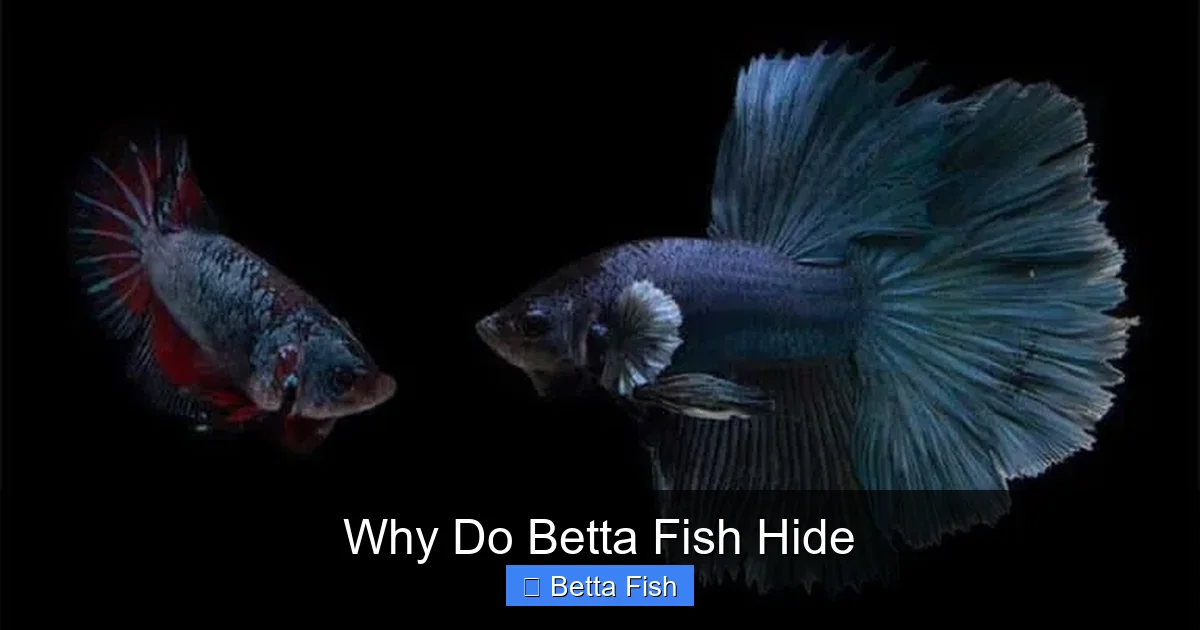
Betta fish hide for many reasons—from stress and illness to natural instincts and tank conditions. Understanding these cues helps you provide a healthier environment, keeping your finned friend active and vibrant.
Key Takeaways
- Stress is a top cause: Poor water quality, aggressive tank mates, and sudden changes can make bettas retreat.
- Health issues matter: Illness, parasites, or injuries often trigger hiding behavior.
- Natural instincts: In the wild bettas seek cover to avoid predators and conserve energy.
- Tank setup influences behavior: Hiding spots, plants, and proper lighting reduce stress.
- Observation is crucial: Regular checks help you spot problems early and act fast.
- Adjustments can help: Simple changes to water parameters, décor, and routine can encourage your betta to come out.
- Know when to seek help: Persistent hiding may signal serious health concerns that need a vet.
📑 Table of Contents
- Introduction: The Mystery Behind the Hiding Betta
- 1. Natural Instincts: The Wild Roots of Hiding
- 2. Stress Triggers: When the Tank Becomes a Threat
- 3. Health Concerns: Hiding as a Symptom
- 4. Tank Environment: Designing a Betta‑Friendly Space
- 5. Behavioral Clues: Reading the Hidden Signals
- 6. What to Do When Your Betta Hides
- Conclusion: Turning Hiding Into a Happy, Healthy Habit
Introduction: The Mystery Behind the Hiding Betta
Betta fish are famous for their dazzling fins and bold personalities. Yet, many owners are puzzled when their beautiful swimmers start to disappear behind plants, decorations, or the tank glass. If you’ve ever wondered “why do betta fish hide?” you’re not alone. The answer isn’t always simple, but it’s never hopeless.
In this guide we’ll explore the most common reasons bettas retreat, how to tell if hiding is normal or a warning sign, and what practical steps you can take to make your aquarium a safe, inviting home. Think of it as a friendly chat over a cup of tea—easy to follow, packed with useful tips, and free of jargon.
1. Natural Instincts: The Wild Roots of Hiding
1.1. Survival in the wild
In their native Southeast Asian rice paddies, wild bettas face predators like larger fish, birds, and even frogs. To stay safe, they learned to hide among floating leaves, roots, and dense vegetation. This instinct carries over to the home aquarium.
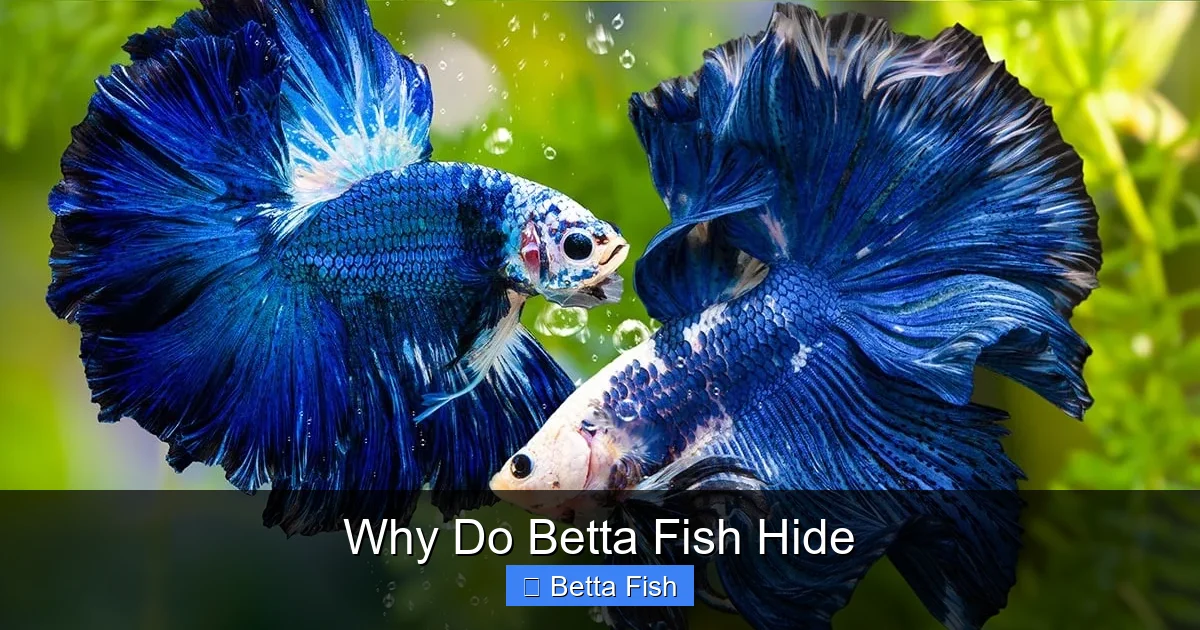
Visual guide about Why Do Betta Fish Hide
Image source: fishlab.com
1.2. Energy conservation
Betta fish are “labyrinth” fish, meaning they can breathe air from the surface. In the wild they often rest in shady spots to avoid overheating and conserve energy for hunting. A well‑placed leaf or plant in your tank mimics this natural refuge.
1.3. How to honor their instincts
Provide plenty of live or silk plants, driftwood, and caves. These not only give your betta places to hide but also help reduce stress by breaking up open spaces.
2. Stress Triggers: When the Tank Becomes a Threat
2.1. Water quality woes
Betta fish are sensitive to ammonia, nitrite, and high nitrate levels. A sudden spike can make them feel unsafe, prompting them to hide. Test your water weekly and perform 20‑30% water changes every 1‑2 weeks.
2.2. Aggressive tank mates
Even though bettas are often sold as “solo” fish, some can coexist with peaceful species. However, fast‑moving or fin‑nipping fish (like guppies or tetras) can stress a betta, causing it to retreat.
2.3. Lighting and temperature
Bright, direct lighting can be overwhelming. Aim for 8‑10 hours of dim, diffused light. Betta fish thrive at 76‑82°F (24‑28°C). Temperatures outside this range increase stress and hiding.
2.4. Sudden changes
Moving the tank, repotting plants, or adding new décor can shock a betta. Give your fish a few days to adjust before making additional changes.
2.5. Practical tip: Create a “stress‑free zone”
Place a small “cave” or a piece of PVC pipe near the surface and keep the back of the tank covered with a dark background. This gives your betta a secure spot to retreat when needed.
3. Health Concerns: Hiding as a Symptom
3.1. Common illnesses that cause hiding
Fin rot, velvet disease, ich, and internal parasites often make bettas less active. They may stay hidden to conserve energy while fighting infection.
3.2. Signs to watch for
- Clamped fins or pale coloration
- Loss of appetite or spitting out food
- White patches, black dots, or fuzzy growths
- Unusual swimming patterns, such as staying at the bottom
3.3. When to act
If hiding is accompanied by any of the above signs, isolate the fish in a hospital tank, improve water parameters, and consider a reputable aquarium medication. For a deeper dive on health topics, see our guide on how do you know if your betta fish is dying.
3.4. Preventive care
Quarantine new fish, maintain stable water, and feed a varied diet of high‑quality pellets, freeze‑dried bloodworms, and occasional brine shrimp.
4. Tank Environment: Designing a Betta‑Friendly Space
4.1. Size matters
While bettas can survive in small bowls, they thrive in at least 5‑gallon tanks with a lid. More space means less stress and more room to explore.
4.2. Substrate and décor
Fine sand or smooth gravel mimics riverbeds. Add silk plants, floating leaves, and a small cave. Avoid sharp ornaments that can tear delicate fins.
4.3. Filtration and flow
A gentle sponge filter provides clean water without creating strong currents that bettas dislike. Position the filter’s output to the side, not directly at the fish.
4.4. Lighting tricks
Use a timer to simulate sunrise and sunset. Dim the lights during the night to let your betta rest.
4.5. Practical example: A “starter tank” checklist
- 5‑gallon tank with lid
- Silk plants or live Java fern
- Small driftwood or PVC cave
- Gentle sponge filter
- Heater set to 78°F (25.5°C)
- Water test kit
5. Behavioral Clues: Reading the Hidden Signals
5.1. Normal vs. abnormal hiding
Occasional retreat into a plant is normal. Persistent, prolonged hiding (more than 12‑24 hours) often signals a problem.
5.2. Flare and bubble activity
Betta fish flare when they’re excited, territorial, or stressed. If you notice frequent flaring followed by hiding, consider possible aggression from nearby fish. Learn more about flaring in our article on why do betta fish flare.
5.3. Bubble nests and hiding
Male bettas build bubble nests as a sign of health and readiness to breed. A betta that hides and never builds a nest may be ill or stressed. Find out why they make bubble nests here.
5.4. Color changes
Betas often brighten when happy and dull when stressed. Sudden loss of color coupled with hiding is a red flag. Read more about color changes here.
6. What to Do When Your Betta Hides
6.1. Step‑by‑step troubleshooting
- Test water: Check ammonia, nitrite, nitrate, and pH. Adjust as needed.
- Observe behavior: Note any other symptoms—loss of appetite, fin damage, or strange swimming.
- Check tank mates: If you have other fish, ensure they’re not harassing the betta.
- Provide a hiding spot: Add a new plant or cave and watch if the betta uses it.
- Adjust lighting: Dim the lights for a few days and see if activity improves.
- Consider diet: Offer a high‑protein treat like a frozen bloodworm to stimulate appetite.
- Isolate if sick: Move the betta to a hospital tank with clean water and treat accordingly.
6.2. When to seek professional help
If after a week your betta is still hiding, appears lethargic, or shows physical signs of disease, consult an aquatic veterinarian or a knowledgeable fish store.
Conclusion: Turning Hiding Into a Happy, Healthy Habit
Betta fish hide for many reasons—some natural, some stressful, and some medical. By paying close attention to water quality, tank setup, and your fish’s behavior, you can quickly differentiate between normal hiding and a call for help. Simple adjustments—adding plants, fine‑tuning temperature, and providing a quiet corner—often coax even the shyest betta back into view.
Remember, a happy betta is an active betta. Keep the environment stable, watch for warning signs, and enjoy the brilliant colors and graceful fins that make these fish such beloved companions.
Frequently Asked Questions
Why does my betta fish hide after a water change?
Sudden changes in water chemistry or temperature can stress a betta. Give it a few minutes to adjust, then check the water parameters to ensure they are within the ideal range.
Can adding more plants reduce my betta’s hiding behavior?
Yes. Live or silk plants provide natural cover and make the tank feel safer, encouraging the betta to explore rather than stay hidden.
Is it normal for a betta to hide when it’s breeding?
During breeding, a male betta will often stay near his bubble nest and may hide while caring for the eggs. This is normal as long as he continues to eat and appears healthy.
What water parameters are most important for preventing stress?
Maintain temperature at 76‑82°F (24‑28°C), pH between 6.5‑7.5, ammonia and nitrite at 0 ppm, and nitrates below 20 ppm. Regular testing helps keep these levels stable.
How can I tell if my betta’s hiding is due to illness?
Look for additional signs such as clamped fins, loss of color, white spots, or loss of appetite. If any of these appear, isolate the fish and treat for potential disease.
Should I keep my betta with other fish to reduce hiding?
Betta fish are territorial and often do best alone. If you add tank mates, choose calm, non‑fin‑nipping species and provide plenty of visual barriers.