What Can I Feed a Betta Fish Besides Fish Food
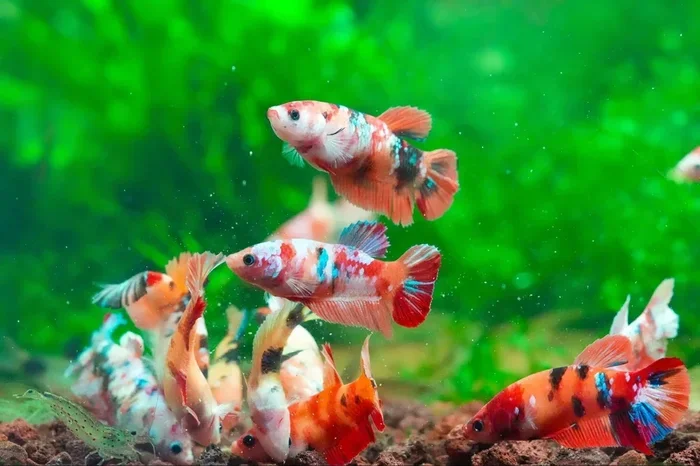
You can feed your betta fish more than just standard flakes and pellets. From blanched vegetables and live brine shrimp to tiny pieces of cooked shrimp and earthworms, there are plenty of betta fish alternative foods that boost nutrition and keep your fish happy. This guide covers the safest human foods, treats, and feeding tips to keep your betta healthy and thriving.
If you have a betta fish, you already know how beautiful and full of personality these little guys are. But let’s be honest — feeding them the same old flakes every single day can get boring. For you and your fish.
The good news is that what can i feed a betta fish besides fish food is a question with a really encouraging answer. There are plenty of safe, healthy, and budget-friendly alternatives that can spice up your betta’s diet. Think blanched peas, tiny pieces of cooked shrimp, live brine shrimp, and even some leafy greens.
Adding variety to your betta’s meals isn’t just fun — it’s important. A diverse betta fish diet supports better color, stronger immunity, and a longer lifespan. In this article, we’ll walk through every safe alternative you can try, foods to avoid, and simple tips to get started right away.
So whether you’re running low on pellets or just want to give your fish a treat, you’re in the right place. Let’s dive into the world of betta fish alternative foods and make mealtime exciting again.
Key Takeaways
- Variety is key: Adding different foods to your betta’s diet improves color, energy, and overall health.
- Safe vegetables like peas and lettuce make excellent fiber-rich supplements for digestion.
- Live and frozen foods such as brine shrimp and bloodworms are natural protein sources bettas love.
- Avoid bread, crackers, and processed human food as these can harm your fish.
- Feed treats in moderation — overfeeding is one of the most common betta fish mistakes.
- Always prepare food properly by cooking, peeling, or cutting it into tiny, betta-sized pieces.
- A balanced diet combines pellets with supplemental foods for the best long-term results.
📑 Table of Contents
Why Variety Matters for Your Betta Fish
In the wild, bettas don’t eat just one thing. They hunt for insects, larvae, tiny crustaceans, and whatever else they can find. That means their natural diet is varied and rich in different nutrients. But in a home tank, they often get the same pellet or flake food day after day.
Feeding your betta a varied betta diet helps fill nutritional gaps. Different foods provide different vitamins, minerals, and protein levels. For example, pellets are great for daily nutrition, but they might lack certain amino acids that live foods naturally contain.
Adding supplemental betta fish foods also stimulates natural hunting behavior. Your fish gets to forage, peck, and chase — just like it would in the wild. This reduces stress and keeps your betta mentally sharp and active.
Plus, let’s be real — watching your betta zoom over for a tasty treat is one of the best parts of fish keeping. It makes feeding time something to look forward to for both of you.
Safe Vegetables You Can Feed Your Betta
You might be surprised to learn that some vegetables are perfectly safe and even beneficial for bettas. Vegetables provide fiber, which helps with digestion and prevents constipation — a common issue in betta fish.
Peas (The Gold Standard)
Frozen or fresh peas are probably the most well-known betta fish vegetable treat. They’re packed with fiber and help clear out the digestive system. Here’s how to prepare them:
- Take a single green pea and remove the outer shell completely.
- Boil or microwave it for about 30 seconds until soft.
- Let it cool, then squish it into a tiny flat disc.
- Drop it into the tank and watch your betta gobble it up.
Feed peas once or twice a week. They make an excellent betta fish digestive aid and are gentle on the stomach.
Lettuce and Spinach
Soft leafy greens like lettuce and spinach work well too. Just rinse them thoroughly, blanch them briefly in hot water, and then soak them in cold water to cool. Pinch off a tiny piece and let it drift down to your betta.
Some keepers also swear by cucumber and zucchini slices. Just make sure to remove the seeds and peel the skin. Blanch them lightly so they sink and stay soft. These vegetables are low in calories but high in vitamins that support betta fish health.
Quick Tips for Feeding Vegetables
- Always remove uneaten vegetables after a few hours to keep the water clean.
- Start with small portions to see how your betta reacts.
- Never feed raw vegetables — they’re too tough for bettas to eat.
- Rotate different veggies to provide a range of nutrients.
Protein-Rich Foods Bettas Love
Bettas are carnivores by nature, so protein should always be a big part of their diet. While high-quality pellets provide the base, adding protein-rich betta treats from time to time makes a huge difference in energy and color.
Brine Shrimp (Live or Frozen)
Brine shrimp are one of the best live foods for betta fish. They’re loaded with protein and amino acids that boost color and growth. You can buy frozen brine shrimp cubes at most pet stores or hatch your own live cultures at home.
Feed a small cube or a handful of live brine shrimp once or twice a week. Your betta will chase them around the tank — it’s entertaining to watch and great exercise for your fish.
Bloodworms
Bloodworms are another favorite among betta keepers. You’ll find them freeze-dried, frozen, or live. They’re high in protein but should be treated as a supplement, not a staple. Overfeeding bloodworms can lead to betta fish digestive issues and constipation.
Feed one or two bloodworms at a time, and only a couple of times per week. They make excellent betta fish training treats too — your fish will learn to come to the surface quickly!
Daphnia
Daphnia are tiny freshwater crustaceans sometimes called “water fleas.” They’re a natural food source for bettas and are rich in protein and fiber. You can buy frozen daphnia cubes easily. They’re a great alternative to bloodworms if your betta needs a lighter, more digestive-friendly protein source.
Feeding Table: Protein Foods for Bettas
| Food | Type | Protein Level | Frequency |
|---|---|---|---|
| Brine Shrimp | Live or Frozen | High | 1-2 times per week |
| Bloodworms | Freeze-Dried or Frozen | High | 1-2 times per week |
| Daphnia | Frozen | Medium-High | 1-2 times per week |
| Mysis Shrimp | Frozen | High | 1 time per week |
| Mosquito Larvae | Live | Very High | Occasional treat |
If you’re interested in more details about specific protein sources, check out our article on Can I Feed A Betta Fish Piece Of Shrimp for more tips on feeding shrimp safely.
Human Foods That Are Safe for Bettas
You might be wondering about human food for betta fish. The truth is, some everyday foods from your kitchen are perfectly safe in small amounts. But the key word is some — not all human foods are created equal when it comes to fish health.
Cooked Chicken
Plain, unseasoned cooked chicken is a surprisingly good protein source for bettas. Make sure it’s fully cooked, has no oil or seasoning, and is cut into extremely tiny pieces. Offer a small bit once in a while as a protein boost.
Egg Yolk
A tiny bit of hard-boiled egg yolk can work as a nutritious treat. It’s rich in protein and healthy fats. Just be very careful with portion size — a little goes a long way, and uneaten yolk can foul the water quickly.
What NOT to Feed From Your Kitchen
Not all human foods are safe. Here’s what you should never feed your betta:
- Bread and bread crumbs — these expand in the stomach and cause serious digestive problems. If you want more details, check out Can I Feed A Betta Fish Bread.
- Crackers or chips — too much salt and artificial ingredients.
- Raw meat — can contain harmful bacteria.
- Processed or seasoned foods — garlic, onion, salt, and spices are toxic to fish.
- Peanut butter — too fatty and sticky for a betta to process.
When in doubt, stick to simple, unseasoned, and minimally processed foods. The cleaner the ingredient, the safer it is for your betta fish nutrition plan.
How Often Should You Feed These Alternatives?
Variety is great, but balance is even more important. Overfeeding — even with healthy foods — is one of the biggest mistakes betta keepers make. Excess food decays in the tank and pollutes the water, which can lead to health problems.
A good betta fish feeding schedule looks like this:
- Daily (2 times a day): High-quality betta pellets or flakes. Give only what your fish can eat in 2 minutes.
- 2-3 times per week: A single treat like a bloodworm, brine shrimp cube, or blanched pea.
- Once a week or less: Special treats like a tiny piece of cooked chicken or egg yolk.
Watch your betta’s belly. It should be slightly rounded but not bloated. If the belly looks too round or your fish seems sluggish after eating, you’re overfeeding. Cut back and give the tank a water change.
For more on this topic, our article Can You Feed A Betta Fish Too Much covers overfeeding signs and what to do if it happens.
Common Mistakes to Avoid When Feeding Alternatives
Even with the best intentions, it’s easy to make mistakes when introducing new foods to your betta. Here are the most common ones to watch out for:
Skipping the Prep Work
Vegetables need to be blanched and softened. Meat needs to be fully cooked and unseasoned. Frozen foods should be thawed before adding them to the tank. Skipping these steps can lead to uneaten food and water quality issues.
Feeding Too Much Variety at Once
It’s tempting to offer three different treats at once, but that’s a recipe for overfeeding. Introduce one new food at a time. Wait a day or two and see how your betta reacts before offering something else.
Ignoring Water Quality
Leftover food decomposes fast and spikes ammonia levels. Always remove uneaten food after 5 minutes. A clean tank supports a healthy betta fish immune system and appetite.
Replacing Pellets Entirely
Alternative foods should supplement the diet, not replace it. Pellets and flakes are formulated to provide complete nutrition. Think of treats as the cherry on top — they add enrichment and extra nutrients, but they shouldn’t be the main course.
Expert Tips for a Healthy Betta Diet
Want to take your betta feeding game to the next level? Here are some expert-backed tips that make a real difference:
- Fast your betta once a week. Skipping one day of feeding helps the digestive system reset and prevents constipation.
- Soak freeze-dried foods first. They expand in water and can cause bloating if swallowed dry.
- Watch for appetite changes. If your betta refuses food for more than two days, check the water temperature and quality — not just the food.
- Rotate foods regularly. Switching between different protein sources and vegetables keeps your betta interested and well-nourished.
- Keep a feeding log. Note what you fed and when. This helps you spot patterns and avoid overfeeding.
If you’re curious about other feeding options, you might also enjoy our guide on What To Feed Betta Fish Besides Fish Food for additional ideas and inspiration.
Remember, a well-fed betta is a happy betta. Taking the time to vary their diet shows you care about their well-being, and your fish will reward you with vibrant colors, active swimming, and a friendly personality.
Final Thoughts
So, what can i feed a betta fish besides fish food? The answer is a lot! From blanched peas and leafy greens to brine shrimp, bloodworms, and tiny pieces of cooked chicken, there are plenty of safe and nutritious options to explore.
The key is balance. Use pellets as the foundation, add supplemental betta foods a few times a week, and always keep portions small. Avoid harmful human foods like bread, crackers, and processed snacks. And never underestimate the power of a little variety — it keeps your betta healthy, colorful, and engaged.
Feeding your betta well doesn’t have to be complicated or expensive. With a little knowledge and some simple kitchen staples, you can turn every meal into a nutritious and exciting experience for your fish. Your betta will thank you with every flash of color and every playful splash at feeding time.
Start small, try one new food this week, and observe how your betta responds. You’ll be surprised at how much they enjoy the change — and how good it feels to give them something extra special.
Frequently Asked Questions
Can I feed my betta fish rice?
It’s best to avoid feeding rice to your betta. Rice offers no nutritional value and can expand in the stomach, causing digestive discomfort. Stick to protein-rich and vegetable-based alternatives instead.
How often should I give my betta treats besides pellets?
Treats like bloodworms, brine shrimp, or blanched vegetables should be given 2-3 times per week. Always keep portions small and never replace their regular pellet meal with treats.
Can betta fish eat lettuce?
Yes, bettas can eat small pieces of blanched lettuce. It provides fiber and is easy to digest when softened. Just rinse it well, blanch briefly, and offer a tiny piece at a time.
Is it safe to feed betta fish frozen food?
Absolutely. Frozen foods like brine shrimp, bloodworms, and daphnia are safe and nutritious. Just thaw them slightly before adding them to the tank, and feed in moderation.
What human foods are safe for betta fish?
Plain cooked chicken, a tiny bit of egg yolk, and blanched vegetables like peas and spinach are safe options. Always avoid seasoning, oil, and processed ingredients.
Can overfeeding hurt my betta fish?
Yes, overfeeding is one of the most common causes of health problems in bettas. It leads to bloating, constipation, and poor water quality. Feed small portions and remove any uneaten food after a few minutes.