How to Cure My Betta Fish Swim Bladder Disease
Swim bladder disease in betta fish is a common but often treatable condition, primarily caused by constipation or poor water quality. The first and most crucial step is a 24-48 hour fast, followed by a high-fiber diet like a cooked pea. Simultaneously, perform rigorous water changes to eliminate toxins and stress. If symptoms persist after initial treatment, bacterial or parasitic infections may be the culprit, requiring specific medications. With patience and consistent care, most bettas can recover fully and regain their graceful swimming.
Key Takeaways
- Constipation is the leading cause: Overfeeding, low-fiber diets, and dry foods are the primary triggers for swim bladder issues in bettas.
- Fasting is the critical first treatment: A 24-48 hour fast clears the digestive system and is often all that’s needed for a constipation-related episode.
- The “cooked pea” is a proven remedy: The fiber and laxative effect of a skinned, cooked pea can effectively relieve constipation and pressure on the swim bladder.
- Water quality is non-negotiable: Poor water conditions cause stress and can lead to or exacerbate infections; regular, large water changes are essential during treatment.
- Medication is for infections, not constipation: Antibiotics or antiparasitics are only necessary if an internal infection is suspected after initial dietary and water treatments fail.
- Prevention is easier than cure: A proper diet of high-quality, varied foods and impeccable tank maintenance is the best long-term strategy to prevent recurrence.
- Patience is required: Recovery can take several days to a week. Monitor your betta closely and avoid rushing treatments or changing protocols too quickly.
📑 Table of Contents
- Understanding Swim Bladder Disease in Bettas
- The Most Common Causes of Swim Bladder Issues
- How to Diagnose Swim Bladder Disease in Your Betta
- Step-by-Step Treatment Guide: How to Cure My Betta Fish
- Long-Term Prevention Strategies
- When Home Treatment Isn’t Enough: Seeking Professional Help
- Conclusion: Patience and Consistency Are Your Best Tools
Understanding Swim Bladder Disease in Bettas
Watching your beautiful betta fish, a creature known for its elegant, flowing fins and graceful movements, struggle to swim is a heart-stopping moment. You might see it listing to one side, swimming upside down, or sinking helplessly to the bottom. This distressing set of symptoms is commonly called “swim bladder disease” (SBD). The name itself is a bit of a misnomer, as it’s not a single disease but a syndrome—a sign that something is wrong with your fish’s internal buoyancy control. The good news is that in most cases, especially for betta fish, it is a treatable condition. Your first question, “how to cure my betta fish swim bladder disease?” is the right one, and the answer lies in understanding the causes and acting methodically.
What Is the Swim Bladder?
The swim bladder is a gas-filled organ, similar to a balloon, located in the belly of your betta. By adjusting the amount of gas inside it, your fish can effortlessly rise, sink, and hover in the water column. Think of it as their internal lift system. When this organ is compressed, inflamed, infected, or physically displaced, the fish loses its ability to control its buoyancy. This results in the classic symptoms: difficulty maintaining depth, floating uncontrollably, or sinking like a stone.
Why Is It So Common in Bettas?
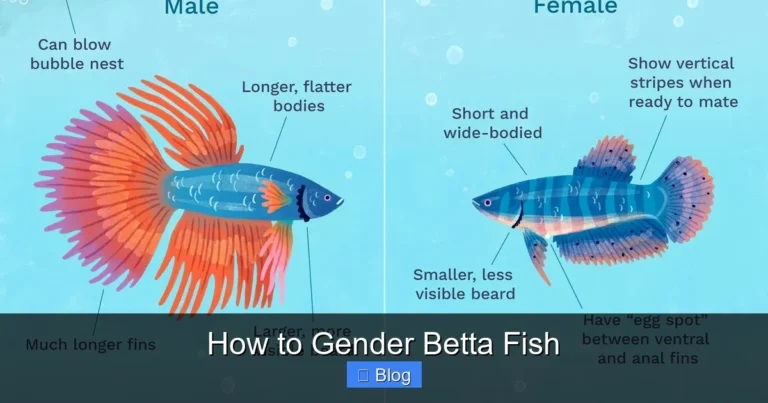
Betta fish, with their long, flowing fins and labyrinth organ (which allows them to breathe air), are particularly prone to swim bladder issues. Their anatomy makes them more susceptible to constipation because their digestive tract is short and compact. A single large, dry meal can easily cause a backup that presses directly against the swim bladder. Furthermore, their relatively poor swimming ability compared to other fish means any buoyancy problem is immediately obvious and severely limits their quality of life. Their popularity also means they are often kept in suboptimal conditions—small tanks, poor diets, and cold water—which sets the stage for SBD.
The Most Common Causes of Swim Bladder Issues
To effectively cure swim bladder disease, you must play detective and identify the root cause. Treatment for constipation is completely different from treatment for a bacterial infection. Here are the primary culprits, starting with the most frequent.
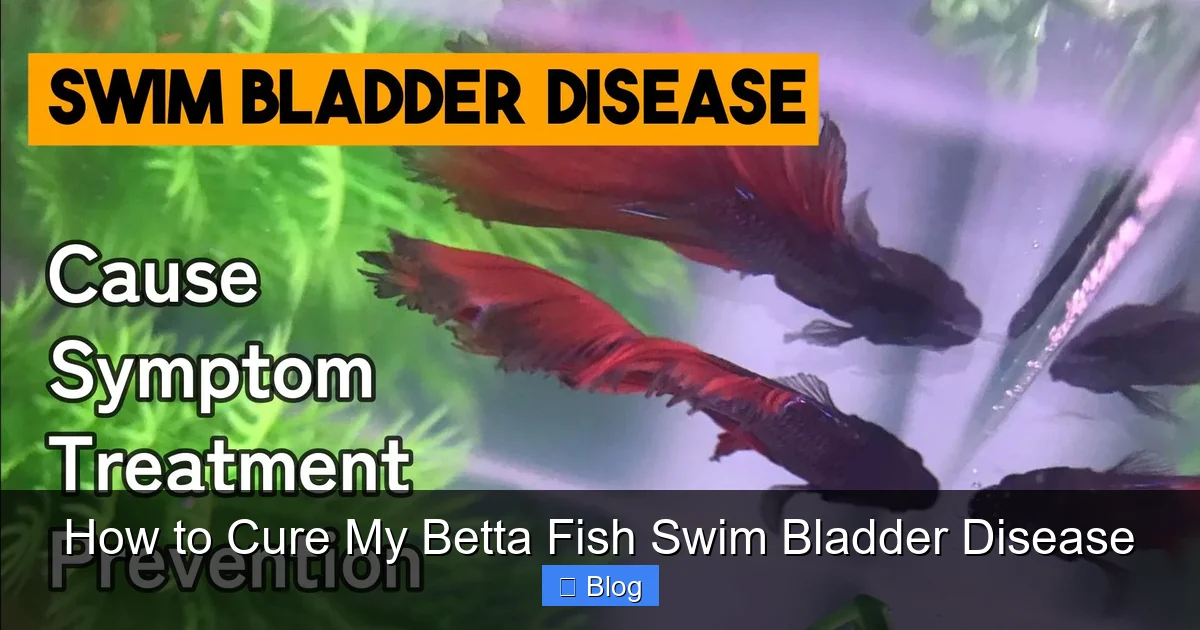
Visual guide about How to Cure My Betta Fish Swim Bladder Disease
Image source: tamilaquadiary.com
Constipation: The #1 Culprit
This is, by far, the most common cause of SBD in bettas. Their digestive systems are simple and easily blocked. A diet high in dry, processed foods (like many commercial betta pellets) that swell in the stomach, combined with overfeeding, is a recipe for disaster. The packed intestines physically push against the swim bladder, restricting its function. You might also notice your betta has a visibly swollen or bloated abdomen. Constipation-related SBD often appears suddenly after a large feeding.
Bacterial and Parasitic Infections
Internal infections can cause inflammation and fluid buildup around the swim bladder. These infections can originate from poor water quality, where bacteria like Aeromonas or Pseudomonas are present. Parasites, such as tapeworms or flukes, can also physically attach to or invade the digestive tract, causing similar blockages and inflammation. Infections often present more gradually and might be accompanied by other signs like lethargy, clamped fins, or loss of appetite even after fasting.
Physical Injury and Genetics
A hard bump against tank decor, a fall from a height, or even a aggressive tank mate can cause internal injury that displaces or damages the swim bladder. Some bettas, especially those with very deep bodies (like some halfmoon varieties), may have a genetically tighter abdominal cavity, making them more prone to compression from even minor constipation. In rare cases, tumors or cysts can develop and press on the organ.
Water Quality and Temperature Stress
Cold water slows a betta’s metabolism dramatically, making digestion sluggish and increasing the risk of constipation. More importantly, poor water quality—high ammonia or nitrite levels—causes immense stress and weakens the immune system. A stressed betta is far more susceptible to opportunistic bacterial infections that can lead to SBD. A sudden temperature drop can also shock the system.
How to Diagnose Swim Bladder Disease in Your Betta
Before you start treatment, you need to confidently identify the problem. Observe your betta carefully over a few hours in a quiet environment.
Visual guide about How to Cure My Betta Fish Swim Bladder Disease
Image source: koibettafish.com
Recognizing the Physical Symptoms
The telltale signs are behavioral and related to buoyancy. Look for:
- Listing: The fish is tilted, listing to one side, and cannot swim upright.
- Floating/Sinking: The fish floats uncontrollably to the top, often nose-down, or sinks and rests on the bottom, unable to rise.
- Erratic Swimming: Spiraling, corkscrewing, or frantic, unbalanced attempts to swim.
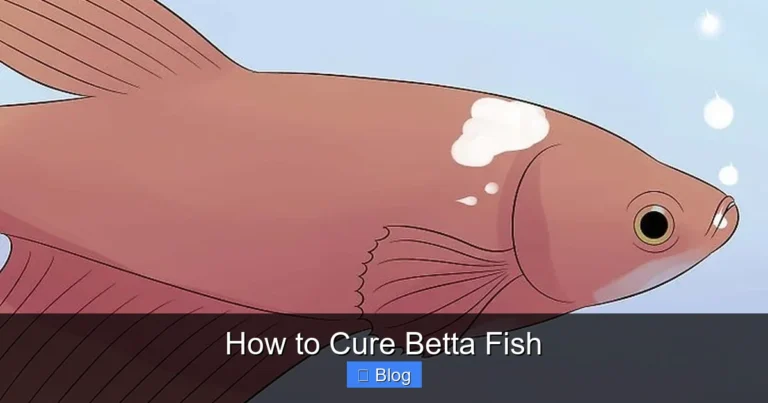
- Swollen Abdomen: A visibly bloated or puffy belly, which strongly points to constipation.
Observing Behavioral Changes
Symptomatic bettas will often show a loss of appetite, extreme lethargy, and will isolate themselves, usually resting on the tank bottom. They may gasp for air at the surface more frequently if the water quality is poor. Note if these symptoms came on suddenly (likely constipation) or developed slowly over days (possibly infection or injury).
Ruling Out Other Conditions
Sometimes, dropsy (a severe bacterial infection causing pinecone-like scales) or advanced velvet disease can cause similar swimming issues. However, these usually have other primary symptoms (raised scales, gold dust appearance). If your betta’s scales are smooth and the primary issue is purely buoyancy without external signs of disease, SBD is the likely diagnosis. The first treatment step—fasting—will also help rule out constipation as the cause.
Step-by-Step Treatment Guide: How to Cure My Betta Fish
Now, let’s get to the actionable plan. Follow these steps in order. Start immediately and be consistent for at least 5-7 days before deeming treatment a failure.
Visual guide about How to Cure My Betta Fish Swim Bladder Disease
Image source: thewittyfish.com
Step 1: The 24-48 Hour Fast (The Most Important Step)
This is non-negotiable and the single most effective step for the majority of cases. You must stop feeding your betta for 24 to 48 hours. Why? This gives the digestive system a complete rest and allows any impacted food to begin moving through. It reduces immediate pressure on the swim bladder. Do not worry about your betta “starving”—a healthy betta can easily go a week without food, and this short fast is crucial for recovery. During this time, ensure the water is warm (78-80°F/25.5-26.5°C) to keep its metabolism active.
Step 2: The Magic of the Cooked Pea
After the fast, it’s time for a powerful, natural laxative: the green pea. This is a classic remedy with proven success for constipation-induced SBD.
- Prepare: Use a frozen or fresh green pea. Thaw if frozen. Do NOT use canned peas (they contain salt and preservatives).
- Cook: Microwave or boil the pea for 1-2 minutes until it is soft. You want it mushy.
- Peel: Remove the outer skin. This is the most important part. The skin is tough and indigestible. You should be left with just the soft, green interior.
- Serve: Mash the pea slightly with your finger or a spoon. Drop a tiny, pea-sized amount (or even half a pea for a small betta) directly into the tank. Your betta may not eat it immediately. Be patient. You can use a pipette to place it near its mouth. If it doesn’t eat it within 30 minutes, remove the uneaten portion to prevent water quality issues.
- Repeat: Offer this cooked, skinned pea once a day for 2-3 days. You should see a significant improvement in buoyancy within 24 hours of the first pea if constipation was the cause. A healthy bowel movement is a very good sign!
Step 3: Optimizing Water Quality Immediately
During the fast and pea treatment, you must perform aggressive water changes. Poor water is a major stressor and potential cause/infection source.
- Daily 50% Water Changes: For the first 3-5 days of treatment, change 50% of the tank water every single day. Use a water conditioner to dechlorinate. Match the temperature of the new water to the tank water as closely as possible to avoid thermal shock.
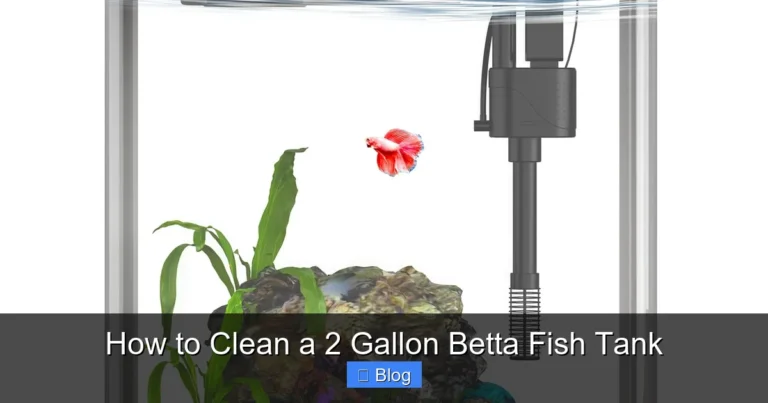
- Tank Size Matters: If your betta is in a tiny bowl or container (< 2 gallons), move it to a filtered, heated tank of at least 5 gallons immediately. A larger volume of clean water is easier to maintain and provides a more stable environment for recovery.
- Test Your Water: If you have a liquid test kit, check for ammonia and nitrite. Both should be at 0 ppm. Any detectable level is harmful and must be addressed with more frequent changes.
Step 4: Introducing Easy-to-Digest Foods
Once your betta has eaten the pea and shown signs of improvement (swimming better, more active), you can reintroduce food. But not just any food!
- First Foods: Offer daphnia (live or frozen) or a small amount of finely crushed, high-quality betta pellet that you soak in water for 5 minutes first to make it expand less in the stomach.
- Frozen Foods: Frozen brine shrimp or bloodworms are good options. Thaw a tiny piece.
- Avoid: For at least 2 weeks, avoid hard, dry pellets, freeze-dried foods (they expand), and any large or fatty foods like earthworms.
Step 5: When and How to Use Medications
If you have completed the fasting and pea protocol for 3-5 days with no improvement whatsoever, an internal infection becomes the primary suspect. At this point, you need to medicate.
- Antibiotics: Use a broad-spectrum antibiotic safe for internal use. Maracyn (erythromycin) or Kanamycin are common choices. Follow the dosage on the package precisely for the full course (usually 5-7 days), even if your betta seems better. Important: Remove any carbon from your filter, as it will absorb the medication.
- Antiparasitics: If you suspect parasites (may see stringy feces), use a medication like Praziquantel (found in products like General Cure).
- Methylene Blue: This is a safe, multi-purpose antifungal and antibacterial that can be used as a bath or in the tank. It’s a good first-line med if you’re unsure.
- Epsom Salt Bath: For suspected fluid retention or inflammation (swollen abdomen), a 30-minute bath in a separate container with 1 teaspoon of Epsom salt per gallon of treated water can help draw out fluid. Do not put Epsom salt in the main tank long-term.
Long-Term Prevention Strategies
Once your betta has recovered, your work isn’t done. Preventing a relapse is key to a long, healthy life. The best cure is a prevention plan that addresses the original causes.
Perfecting Your Betta’s Diet
This is the cornerstone of prevention. Feed a high-quality, varied diet.
- Quality Pellets: Choose a reputable brand where the first few ingredients are whole fish or shrimp meal, not wheat flour or fish meal. Soak them in tank water for 5 minutes before feeding to prevent swelling in the stomach.
- Fiber is Essential: Include a source of fiber 1-2 times per week. This can be the cooked pea, daphnia, or a small piece of deshelled, cooked zucchini.
- Fasting Day: Implement one “fasting day” per week where you feed nothing. This gives the digestive system a regular break and mimics a natural feeding cycle.
- Portion Control: Feed only what your betta can eat in 2-3 minutes, once or twice a day. A betta’s stomach is roughly the size of its eye. Overfeeding is the most common mistake.
Maintaining Impeccable Water Quality
There is no substitute for clean water.
- Tank Size: A minimum of 5 gallons for a single betta. Larger is always better.
- Filtration: Use a gentle filter (a sponge filter is ideal) that creates minimal current. Clean filter media in old tank water (not tap water) once a month to preserve beneficial bacteria.
- Water Changes: Perform a 25-30% water change weekly in a filtered, cycled tank. In an uncycled or smaller tank, do 50% twice a week.
- Heater: Maintain a constant temperature of 78-80°F (25.5-26.5°C) with a reliable, adjustable aquarium heater and a thermometer to verify.
Choosing the Right Tank and Tank Mates
Your betta’s environment can cause physical stress.
- No Sharp Decor: Avoid plastic plants with sharp edges or rough rockwork that could cause internal injury if your betta bumps into it. Use live plants (like java fern, anubias) or soft silk plants.
- Tank Mates: If you choose to add other fish, select peaceful, fast-swimming species from the bottom or top of the tank (like harlequin rasboras or corydoras catfish) that won’t nip at your betta’s long fins. Aggressive or faster fish can cause stress and potential physical injury.
When Home Treatment Isn’t Enough: Seeking Professional Help
Your dedication is admirable, but sometimes, the problem is beyond what you can handle at home. Knowing when to seek expert advice is a sign of a responsible owner.
Signs That Require a Vet Visit
Consult an aquatic veterinarian (yes, they exist!) or a highly experienced aquarium specialist if:
- There is absolutely no improvement after 7-10 days of consistent, correct treatment (fast, pea, water changes, possibly meds).
- Your betta is not eating at all for more than a week, even after treatment begins.
- You see signs of a severe external infection (sores, rapid breathing, clamped fins, cotton-like growths) alongside the SBD symptoms.
- The SBD symptoms are chronic and recurring despite perfect diet and water, suggesting a possible permanent physical deformity or tumor.
What to Expect at the Aquatic Vet
A vet can perform a more accurate diagnosis. They may use a microscope to examine a gill or scale clip for parasites, take a small sample for bacterial culture, or even use ultrasound (in advanced cases) to look at the swim bladder itself. They can prescribe targeted, prescription-strength medications that are not available over the counter. While this can be costly, for a beloved betta it can be the definitive cure you’ve been searching for.
Conclusion: Patience and Consistency Are Your Best Tools
So, how do you cure swim bladder disease in a betta fish? The answer is a combination of immediate, decisive action and long-term, preventive care. Start with the fast and the pea—this resolves the vast majority of cases caused by constipation. Pair this with rigorous water changes to eliminate environmental stress. If that fails, escalate to appropriate medications for infections. Once recovered, lock in success with a high-fiber diet, impeccable water quality, and a spacious, decorated tank. Your betta’s resilience is remarkable. By understanding its needs and responding with calm, informed care, you can help it return to its rightful place as the dazzling, flowing jewel of your aquatic world. Remember, you are not just treating a symptom; you are restoring the delicate balance of your fish’s internal ecosystem.
Frequently Asked Questions
Is swim bladder disease contagious to other fish?
No. The condition itself is not contagious. However, if the underlying cause is a bacterial or parasitic infection, that pathogen could spread to other fish in the same tank through the water. Isolating the affected betta during treatment is a wise precaution.
How long should I fast my betta for SBD?
Always fast for a minimum of 24 hours and up to 48 hours. Do not fast longer than 72 hours without consulting a vet, as this can weaken your fish. The fast is followed by the therapeutic cooked pea treatment.
Will a cooked pea always cure my betta?
A cooked, skinned pea is highly effective for constipation, which is the most common cause. However, it will not cure an internal bacterial or parasitic infection, a severe physical injury, or a tumor. If there’s no improvement after 3 days of pea treatment, consider other causes and medications.
How long does it take for a betta to recover from SBD?
Recovery time varies. For simple constipation, you may see improvement within 24 hours of the first pea and full recovery in 3-5 days. For infections treated with antibiotics, it can take 7-10 days to see significant improvement. Be patient and continue the full treatment course.
Can I prevent swim bladder disease entirely?
You can drastically reduce the risk by preventing constipation. This means feeding a high-quality diet, soaking dry foods, portioning correctly, offering fiber weekly, and implementing a weekly fasting day. Maintaining pristine, warm water and avoiding rough tank decor also prevents stress and injury-related causes.
When is it time to consider euthanasia for my betta with SBD?
3>This is a difficult personal decision. Consider humane euthanasia if your betta is experiencing chronic, unrelenting suffering with no quality of life—for example, if it is constantly sinking and struggling to breathe at the surface for more than a week despite all appropriate treatments, is emaciated, and shows no will to eat. Consult a vet for guidance on humane methods like clove oil overdose.