How Much Food to Feed Betta Fish
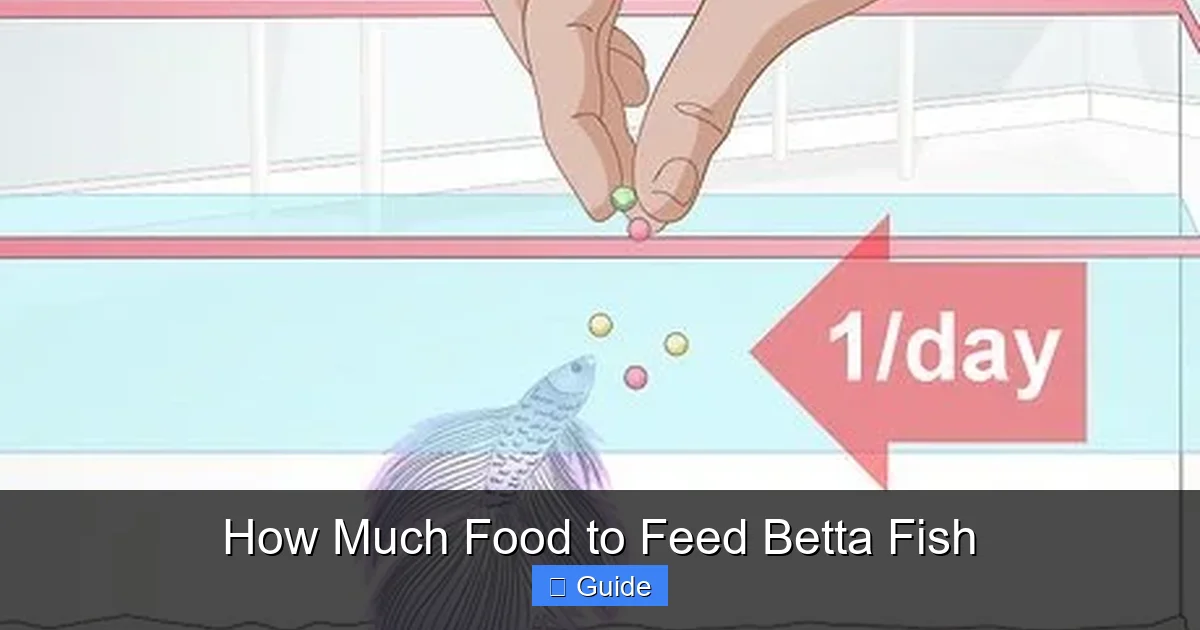
Feeding your betta fish correctly is one of the most critical aspects of its care, yet it’s commonly misunderstood. The cardinal rule is simple: feed an amount equivalent to the size of its eye, once or twice daily. Overfeeding is the leading cause of betta health problems like constipation, swim bladder disorder, and poor water quality. This guide breaks down the science, practical portioning techniques, ideal food types, and troubleshooting steps to ensure your betta thrives.
Key Takeaways
- Portion Size is Paramount: A betta’s stomach is roughly the size of its eye. Feed no more than this amount per meal, typically 2-3 pellets or a small pinch of flakes.
- Frequency Matters: Feed adult bettas once or twice a day. Juveniles may need 2-3 small meals. Consistency is key; avoid skipping days except for a planned weekly fast.
- Overfeeding is the #1 Problem: It leads to constipation, swim bladder issues, obesity, and rapidly fouls tank water due to uneaten food decaying.
- Fasting is Beneficial: Implementing one 24-hour fast per week aids digestion, prevents constipation, and mimics natural feeding patterns.
- Food Quality is Crucial: Use high-quality, betta-specific pellets or frozen foods as a staple. Avoid generic tropical fish flakes and human food.
- Observe and Adjust: Watch your betta eat. If food sinks uneaten, you’re feeding too much. A slightly plump but not bloated belly is ideal after a meal.
- Water Quality is Directly Linked: Uneaten food is the fastest way to spike ammonia and nitrite levels. Remove all excess within 2-3 minutes.
📑 Table of Contents
- The Critical Importance of Proper Betta Feeding
- Understanding Your Betta’s Unique Physiology
- The Golden Rule: “Less is More” – Decoding Portion Sizes
- Feeding Schedule and The Power of the Fast
- Choosing the Right Food: Quality Over Quantity
- Practical Feeding Techniques & Troubleshooting
- Special Considerations: Age, Health, and Environment
- Conclusion: The Foundation of a Thriving Betta
The Critical Importance of Proper Betta Feeding
So, you’ve set up the perfect betta tank. The heater is humming, the filter is bubbling gently, and your magnificent Siamese fighting fish is floating regally among the plants. You’ve got the water parameters dialed in, but there’s one variable that can make or break your betta’s health: food. The question of how much food to feed betta fish is deceptively simple, yet it’s the single most common point of failure for even experienced aquarists. Overfeeding isn’t just about an overweight fish; it’s a cascade that starts with digestive distress and ends with toxic water. Underfeeding, while less common, leads to malnutrition and a faded, lethargic fish. Getting this balance right is non-negotiable for long-term betta health. This guide will move beyond vague advice to give you precise, actionable strategies for feeding your betta correctly every single day.
Understanding Your Betta’s Unique Physiology
To understand how much food to feed betta fish, you must first understand the betta itself. Betta splendens is a labyrinth fish, meaning it breathes atmospheric air from the surface. This adaptation comes from its native shallow, warm, often stagnant waters in Southeast Asia. In the wild, its diet consists primarily of insects, insect larvae (like mosquitoe larvae), and small crustaceans that land on or near the water’s surface. This makes them natural surface feeders.

Visual guide about How Much Food to Feed Betta Fish
Image source: home.adelphi.edu
The Tiny Stomach Myth (and Truth)
You’ve likely heard the advice: “A betta’s stomach is the size of its eye.” This is an excellent, visual rule of thumb, but let’s clarify what it means. It’s not about the diameter of the eyeball, but rather the volume. Look at your betta’s eye. Imagine a sphere that size. That’s the maximum volume its stomach can comfortably hold without stretching. For a typical adult betta, this translates to about 2-4 high-quality micro-pellets or a minuscule pinch of flakes. Their digestive tracts are short and simple, designed for small, protein-rich meals, not large, bulky feedings.
Carnivores, Not Herbivores
Bettas are obligate carnivores. Their bodies are not designed to digest plant matter efficiently. A diet high in carbohydrates (from cheap flake foods filled with wheat and soy) leads to digestive issues, fatty liver disease, and swim bladder problems. This biological fact is the cornerstone of choosing the right food, which directly impacts how much you should feed. High-protein, easily digestible foods mean you feed less volume for greater nutritional benefit.
The Golden Rule: “Less is More” – Decoding Portion Sizes
Now, to the heart of the matter. The universal, evidence-based answer to how much food to feed betta fish is: less than you think. The “eye-sized” portion is the maximum. For most healthy adult bettas, this is 2-3 pellets. But “one size fits all” doesn’t apply. We must consider the fish’s size, age, and activity level.
Visual guide about How Much Food to Feed Betta Fish
Image source: m.media-amazon.com
How to Measure: The Pellet Count Method
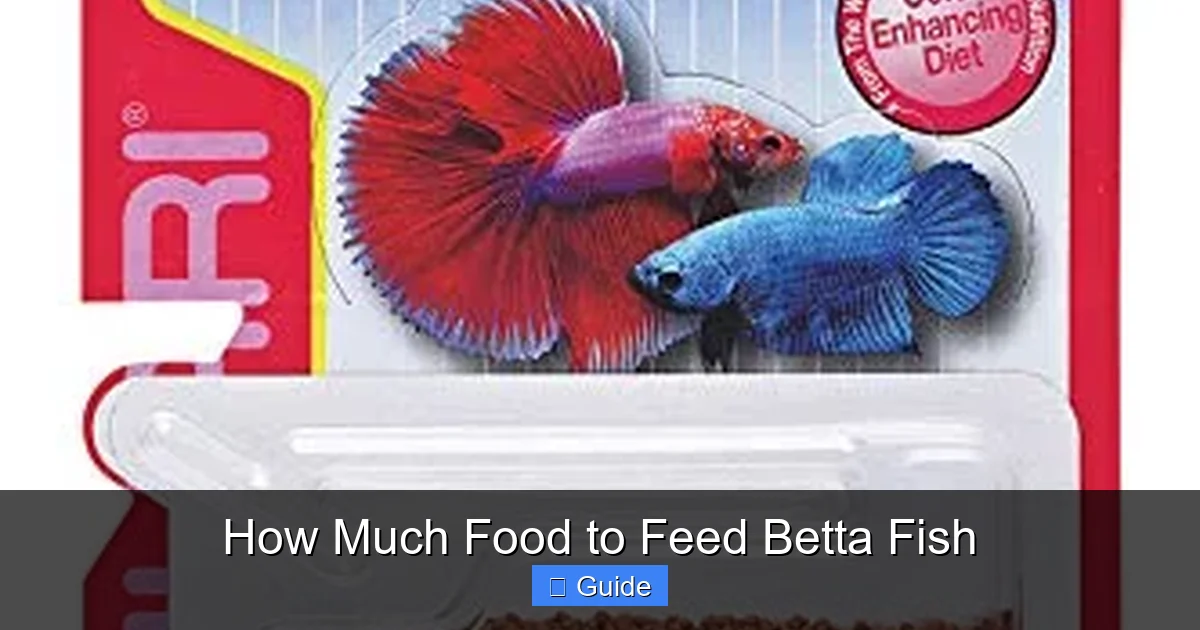
The most reliable method is using pre-soaked, high-quality betta pellets. Choose a brand where one pellet is roughly 1mm in diameter. For a standard, 2-3 inch adult betta:
- Small/Slim Betta (e.g., female, young male): Start with 2 pellets.
- Average Adult Male: 3 pellets is the standard maximum.
- Large, Active, or Older Betta: May tolerate 4 pellets, but monitor closely for bloating.
Critical Tip: Always pre-soak pellets in a small cup of tank water for 1-2 minutes before feeding. This prevents them from swelling in the betta’s stomach, which can cause dangerous constipation and bloating. Dry pellets absorb water and expand in the gut, often doubling in size.
The Flake Conundrum
If using flakes, the “pinch” must be tiny. Crush a small amount between your fingers over the tank. The goal is a cloud so fine that the betta can consume most of it before it sinks. You should barely see any flakes drift down. Flakes are less ideal than pellets because they are more likely to pollute the water if not eaten immediately and are often lower in quality. If you must use flakes, use a betta-specific formula and treat it as an occasional supplement, not a staple.
Frozen & Live Foods: Rich but Risky
Foods like daphnia, bloodworms, or brine shrimp are excellent treats. They are high in protein and moisture, aiding digestion. However, they are so rich that they should be fed in very small quantities—a few individual worms or a tiny scoop of daphnia. Think of them as a weekly “steak dinner,” not a daily meal. They should never exceed 10-15% of the total weekly diet. A common mistake is feeding a full scoop of frozen bloodworms, which is a recipe for constipation.
Feeding Schedule and The Power of the Fast
Frequency is just as important as portion size. A consistent schedule regulates your betta’s metabolism and digestive system.
Visual guide about How Much Food to Feed Betta Fish
Image source: m.media-amazon.com
Ideal Daily Schedules
For adult bettas (over 6 months old), once-daily feeding is perfectly adequate and often healthier. Many bettas thrive on a single, appropriately sized meal. This gives their digestive system a full 24 hours to process food. If your betta is very active, a breeding female, or a growing juvenile, you can split that same daily total into two smaller meals (morning and evening), spaced about 12 hours apart. The key is that the total daily volume does not exceed the single-meal recommendation.
Why You MUST Implement a Weekly Fast
This is a non-negotiable practice for responsible betta keepers. Once a week, typically on a weekend, do not feed your betta at all. A 24-hour fast is not cruel; it is biologically beneficial. It:
- Allows the digestive tract to fully empty, preventing the buildup of waste that causes constipation and swim bladder disorder.
- Mimics the natural feast-or-famine cycles bettas experience in the wild.
- Gives the liver and other organs a rest from constant digestion.
Your betta will be fine. In fact, it will likely be more active and alert on a fasting day as its system cleanses itself. This practice alone can solve many chronic digestive issues.
Sample Weekly Feeding Schedule
- Monday: 3 pre-soaked pellets (AM)
- Tuesday: 3 pre-soaked pellets (AM)
- Wednesday: 3 pre-soaked pellets (AM)
- Thursday: 3 pre-soaked pellets (AM)
- Friday: 3 pre-soaked pellets (AM)
- Saturday: 3 pre-soaked pellets (AM)
- Sunday: FASTING DAY (No food)
*(For a twice-daily schedule, split each day’s 3 pellets into 1 pellet AM and 2 pellets PM, or 2 and 1, still totaling 3).
Choosing the Right Food: Quality Over Quantity
You cannot discuss how much food to feed betta fish without discussing what you feed. Low-quality food forces you to feed more to meet nutritional needs, which increases waste. High-quality, betta-specific food is dense with nutrition, meaning less volume is required.
Staple Diet: Pellets Are King
Look for pellets where the first 3-5 ingredients are whole proteins like salmon, shrimp, krill, or squid. Avoid pellets with “fish meal” or “wheat flour” as the primary ingredient. Reputable brands like Hikari Betta Bio-Gold, New Life Spectrum Betta, or Fluval Bug Bites are excellent. These are formulated to be gut-loaded with nutrients and are the perfect size. They should constitute 80-90% of your betta’s diet.
Essential Supplements: Variety for Vitality
While pellets are the staple, adding variety 1-2 times per week provides essential nutrients and mental stimulation. This is where frozen or freeze-dried foods come in.
- Daphnia: The #1 recommended supplement. It’s a natural laxative, high in protein and carotenoids (which enhance color). Feed 2-3 times a week.
- Bloodworms: A rich treat. Feed a very small amount (2-3 worms) once a week max.
- Brine Shrimp (nauplii): Great for juveniles and as a occasional snack for adults.
Always soak freeze-dried foods in tank water for 5-10 minutes to rehydrate them. Feeding dry, rock-hard foods can cause serious internal damage as they expand in the stomach.
What to AVOID
- Generic Tropical Flakes: Too carby, messy, and nutritionally inadequate.
- Human Food: Bread, peas, etc., are not suitable. While some sources recommend a blanched pea for constipation, this is a last-resort treatment, not a food. Bettas cannot digest plant matter.
- Live Foods (from unknown sources): Can introduce parasites or diseases. Only use trusted cultures.
- “Betta Bites” or “Betta Bars” that are mostly fillers: Check the ingredient list.
Practical Feeding Techniques & Troubleshooting
Knowing what and how much to feed is one thing. Executing it cleanly is another. Proper technique prevents water contamination and ensures your betta actually eats.
The 3-Minute Rule & Observation
Drop the pre-soaked pellets into the tank. Watch your betta. A healthy betta will actively seek and consume the food within 30-60 seconds. If food is sinking to the bottom uneaten, you have fed too much. Use a net or turkey baster to remove any uneaten pellets after 2-3 minutes. This is a critical step to prevent ammonia spikes. If you consistently have leftover food, reduce the portion by one pellet at the next feeding.
Target Feeding for Shy or New Bettas
Some bettas, especially new to the tank or from stressful environments, may not eat readily. Use a pair of tweezers or a feeding pipette to hold a pellet just at the surface in front of the fish. Gently wiggle it. This mimics live prey and can trigger a feeding response. Be patient; it may take a few days for a new betta to feel secure enough to eat normally.
Spotting and Solving Common Problems
- Constipation (Stringy, white poop; bloated; lethargic): This is almost always from overfeeding or dry food. Implement a 3-day fast. Then, feed only daphnia for 2 days. Resume normal, reduced portions of pellets. Ensure pellets are pre-soaked.
- Swim Bladder Disorder (Floating upside down, sinking, inability to swim upright): A severe symptom of constipation or poor diet. Fast for 3-5 days. Then, offer a single, pre-soaked daphnia. Do not feed peas. If no improvement, water quality or a genetic issue may be the cause.
- Spitting Out Food: Could mean the pellets are too large/dry, the betta is stressed, or it’s simply not hungry. Try soaking pellets longer, offering a different food (like daphnia), or checking water parameters. A single skip in feeding is fine.
- Aggressive Refusal to Eat: Stress is the #1 cause. Check temperature (must be 78-80°F), water quality, tank mates, and flow. A quiet, warm tank with pristine water often resolves this.
Special Considerations: Age, Health, and Environment
Your feeding plan is not static. It must adapt to your betta’s life stage and health status.
Juveniles (Fry & Fingerlings)
Baby bettas have tiny mouths and high energy needs. They require 2-3 small meals daily of appropriately sized foods. Start with infusoria or commercial fry food, then graduate to microworms, newly hatched brine shrimp, and eventually crushed betta pellets. They can eat more frequently because they are growing rapidly, but portions at each meal must still be microscopic. Their stomachs are even smaller relative to body size.
Senior Bettas
Older bettas (3+ years) often become less active and their metabolism slows. They may do better on a single, small meal per day. Watch for weight loss. You may need to switch to a high-quality, easily digestible pellet and possibly supplement with a bit of daphnia to maintain condition without overburdening their system.
Breeding Bettas
Conditioning a pair for breeding involves a high-protein, high-fat diet to build energy and vigor. This means feeding twice daily with a mix of high-quality pellets and plenty of frozen foods (bloodworms, daphnia, brine shrimp). However, this is a temporary, intensive program (usually 2-4 weeks) and is not a long-term feeding strategy. After spawning, return to normal, lower-quantity feeding.
Water Temperature’s Role
Water temperature directly controls metabolism. At 78-80°F, a betta’s metabolism is optimal. If the water is too cold (< 76°F), digestion slows dramatically. Feeding a normal portion in cold water guarantees constipation and bloating. Always ensure your heater is maintaining a stable, warm temperature before feeding. In cooler water, reduce portions or stop feeding until temperature is corrected.
Conclusion: The Foundation of a Thriving Betta
Mastering how much food to feed betta fish is a simple equation of biology and discipline. It boils down to this: feed a tiny, high-protein meal once a day, pre-soaked, and fast weekly. This protocol respects the betta’s evolutionary design as a small, surface-feeding carnivore. By underfeeding slightly rather than overfeeding, you prevent the vast majority of digestive ailments. By choosing nutrient-dense pellets over filler-laden flakes, you provide complete nutrition in minimal volume. And by rigorously removing uneaten food, you protect the aquatic environment that sustains your fish.
Your betta’s health is reflected in its vibrant colors, active swimming, and eager (but not ravenous) response to feeding. A slightly slim but energetic fish is far healthier than a slightly plump, sluggish one. Trust the eye-sized rule. Embrace the fast. Choose quality food. Observe your fish daily. This mindful approach to feeding transforms it from a mundane chore into a powerful act of care, forming the bedrock of a long, beautiful life for your aquatic companion. Your betta will reward you with years of graceful movement and stunning display, all starting with that one, perfectly measured pinch of food.
Frequently Asked Questions
What is the exact number of pellets to feed my betta?
For a standard adult betta, feed 2-3 high-quality, micro-sized pellets per day, pre-soaked. This is the maximum. Start with 2 pellets and only increase to 3 if your betta remains active and lean. The “eye-sized” portion is the best visual guide.
Can I feed my betta once a day, or does it need two meals?
Once-daily feeding is perfectly sufficient and often healthier for adult bettas, as it gives the digestive system a full day to rest. Growing juveniles or very active adults can be fed twice a day, but the total daily amount should still not exceed the single-meal maximum (e.g., 1 pellet AM + 2 pellets PM = 3 total).
Is a weekly fast really necessary for my betta?
Yes, a 24-hour fast once a week is highly recommended. It prevents constipation, reduces the risk of swim bladder disorder, and mimics natural feeding patterns. Your betta will not starve and will benefit from the digestive rest. Simply skip one day of feeding each week.
My betta is bloated and constipated. What should I do?
Immediately stop feeding for 2-3 days. Then, offer a small portion of pre-soaked daphnia (frozen or live), which acts as a natural laxative. Do not feed peas or bread. Resume normal, reduced pellet portions once the bloating subsides and feces return to normal. Ensure all pellets are always pre-soaked.
Can bettas eat tropical fish flakes or human food?
No. Generic tropical flakes are too high in carbohydrates and fillers, leading to digestive problems and poor water quality. Human food like bread or peas is indigestible for bettas and can cause severe blockages. Stick to a diet of high-quality betta-specific pellets supplemented with appropriate frozen foods like daphnia.
How do I know if I’m overfeeding my betta?
Clear signs include: stringy white poop, a visibly swollen or pinecone-like belly, lethargy, clamped fins, and frequent gasping at the surface. The most immediate sign is food sinking to the bottom uneaten. If you see any leftover pellets after 2-3 minutes, you fed too much. Reduce the portion at the next feeding.