How to Decorate a Betta Fish Bowl
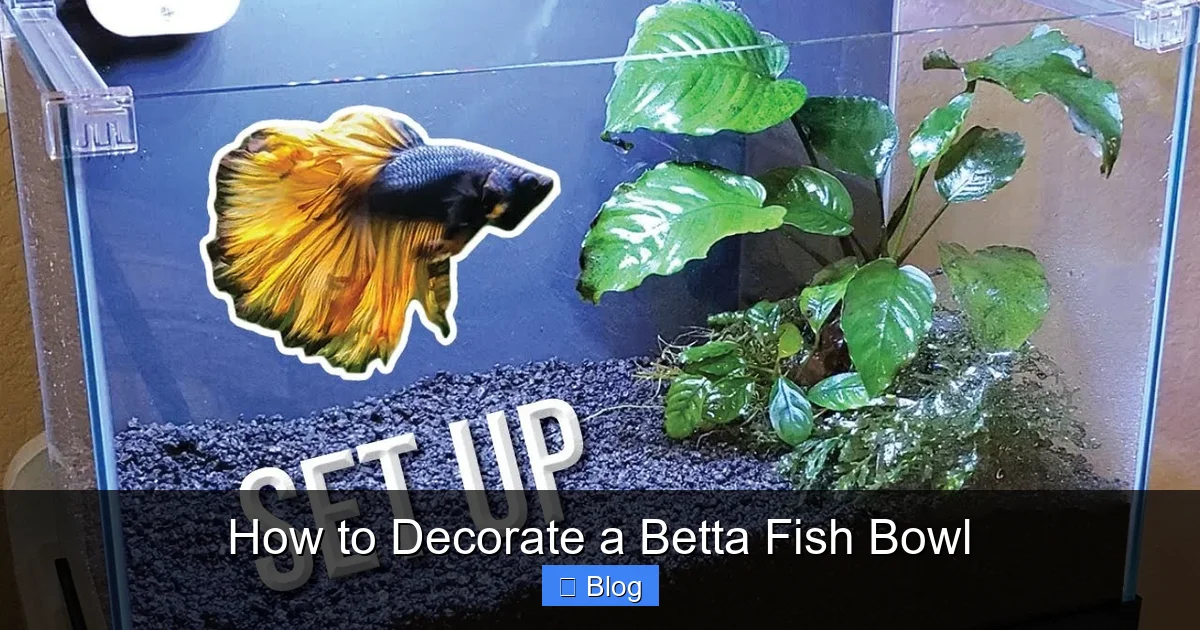
Decorating your betta’s home is about more than just looks—it’s essential for their health and happiness. A well-decorated bowl provides mental stimulation, reduces stress, and mimics their natural Southeast Asian habitat. The key is choosing safe, smooth materials that won’t harm their delicate fins, while creating a stimulating landscape of plants and hiding spots. By focusing on functionality first, you can build a stunning underwater world that your vibrant betta will truly thrive in.
You’ve brought home that stunning, flowing-finned betta fish. You’ve set up his bowl, conditioned the water, and maybe even picked out a name. Now comes the fun, creative part: figuring out how to decorate a betta fish bowl. But before you grab that glittery plastic castle from the pet store aisle, pause. Decorating a betta’s home isn’t just about making it look pretty for you. It’s about crafting a safe, stimulating, and healthy environment that caters to the unique needs of your Siamese fighting fish. A beautifully decorated bowl is a happy, healthy bowl. Let’s dive into everything you need to know to transform a simple tank into a betta paradise.
Key Takeaways
- Safety is Paramount: Avoid sharp edges, rough textures, and toxic materials. Betta fins are easily torn, so every decoration must be smooth and sanded.
- Prioritize Hiding Spots: Bettas are naturally shy and need secure places to retreat. Caves, dense plants, and decor with overhangs reduce stress significantly.
- Live Plants Offer Major Benefits: They improve water quality, provide natural grazing grounds, and offer superior texture for resting. Easy varieties like Anubias are perfect.
- Substrate Choice Matters: Sand is closest to their natural habitat and gentle on fins. Smooth, rounded gravel is acceptable if thoroughly rinsed. Never use sharp or dyed gravel.
- Less is Often More: A clutter-free bowl with open swimming space is better than overstuffing. Ensure your betta can easily reach the surface for air.
- Lighting Should Be Moderate: Bettas prefer dimmer environments. Avoid bright, direct lights that can cause stress and algae blooms. Use a gentle LED if needed.
- Function Over Flashy: Choose decor that serves a purpose—hiding, resting, exploring—rather than purely aesthetic items that may be unsafe or useless.
📑 Table of Contents
- Understanding Your Betta’s Needs: The Foundation of Good Decor
- Choosing the Perfect Substrate: The Floor of Their World
- Plants: The Heart of Betta Decor
- Essential Structures: Hides, Caves, and Resting Spots
- Lighting and Background: Setting the Mood
- What NOT to Add: Common Decorating Mistakes
- Putting It All Together: A Step-by-Step Decorating Plan
- Maintenance: Keeping Your Decorated Bowl Thriving
Understanding Your Betta’s Needs: The Foundation of Good Decor
Before we talk about specific items, we must understand what a betta actually needs. Bettas, or Betta splendens, hail from the shallow, slow-moving waters of rice paddies and streams in Thailand. Their natural world is filled with dense vegetation, leaf litter, and muted light. They are labyrinth fish, meaning they breathe air from the surface, so open water access is non-negotiable.
Why Decoration is Not Optional
In a bare, empty bowl, a betta has nothing to do. They become bored, stressed, and depressed. Stress weakens their immune system, making them susceptible to diseases like fin rot or dropsy. Proper decoration provides environmental enrichment. It gives them places to explore, hide, rest, and assert mild territorial dominance. A decorated tank mimics their wild instincts, leading to a more active, curious, and vibrant fish. You’ll see your betta flaring at his reflection in a leaf, resting on a broad plant leaf, or playfully darting in and out of a cave—all signs of a stimulated and content fish.
The Golden Rules of Betta-Safe Decor
There are two non-negotiable rules when you decorate a betta fish bowl. First, everything must be smooth. Run your finger over every surface. Any rough texture, sharp edge, or protruding plastic seam can easily snag and tear a betta’s magnificent, paper-thin fins. Second, everything must be non-toxic. Decor should be labeled safe for aquariums. Never use items not designed for fish tanks, as paints, glues, and materials can leach harmful chemicals into the water.
Choosing the Perfect Substrate: The Floor of Their World
The bottom of your bowl is the canvas for your decor. The substrate you choose affects water chemistry, cleanliness, and your betta’s comfort. There are three main options, each with pros and cons.
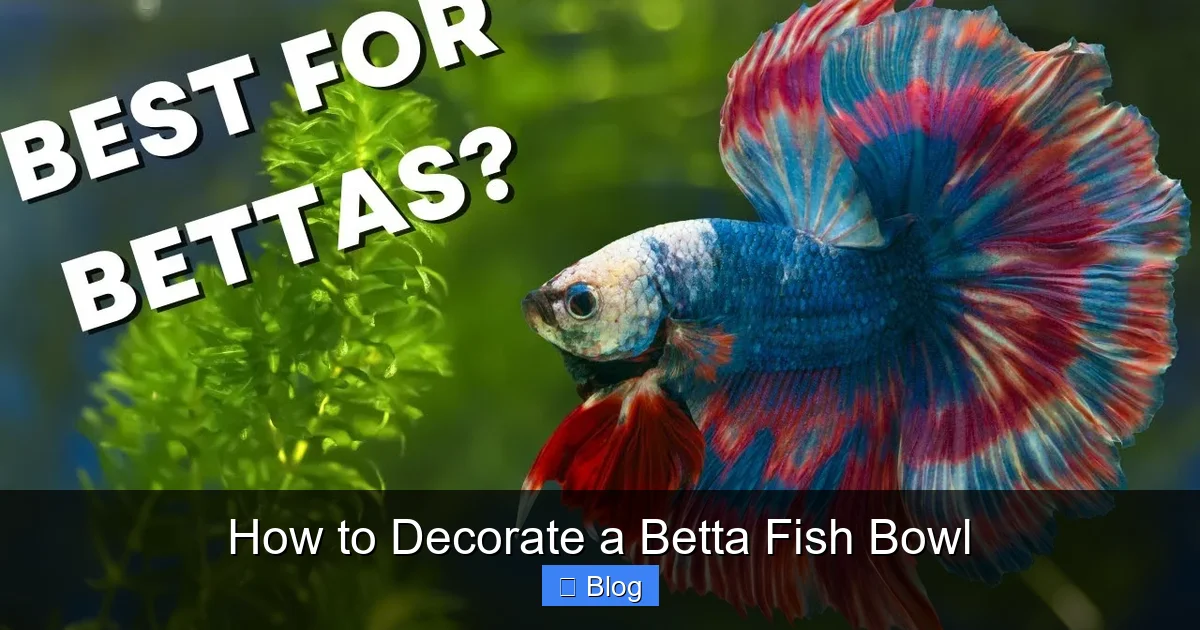
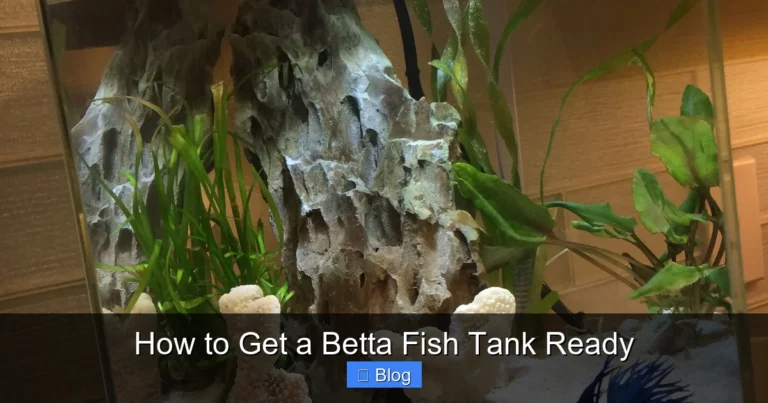
Visual guide about How to Decorate a Betta Fish Bowl
Image source: i.ytimg.com
Fine Sand: The Natural Choice
Sand is the closest match to a betta’s native muddy-bottomed habitat. It’s soft, gentle on fins, and allows for the rooting of live plants if you choose to go that route. However, sand can compact over time, potentially trapping gas bubbles that could harm your fish if not stirred occasionally. It also tends to cloud the water when first added and can get sucked into filters easily. Use a pre-washed aquarium sand and rinse it thoroughly before adding it to your bowl.
Smooth, Rounded Gravel: The Practical Pick
Standard aquarium gravel is a popular choice because it’s easy to clean and comes in many colors. The critical caveat: you must select gravel that is specifically smooth and rounded. Sharp, angular gravel is a fin-ripping hazard. Always rinse gravel meticulously in a bucket until the water runs clear to remove dust and debris. A layer 1-2 inches deep is sufficient.
What to Absolutely Avoid
Never use pebbles, marbles, or glass gems. These have large gaps that can trap your betta’s head or fins, causing injury or stress. Also avoid any substrate with sharp edges, dyes that may bleed (some colored gravels do this initially), or materials like river stones that haven’t been polished for aquarium use.
Plants: The Heart of Betta Decor
Plants are the single most important decorative element for a betta. They provide security, oxygen, and resting platforms. You have two paths: live plants or silk plants.
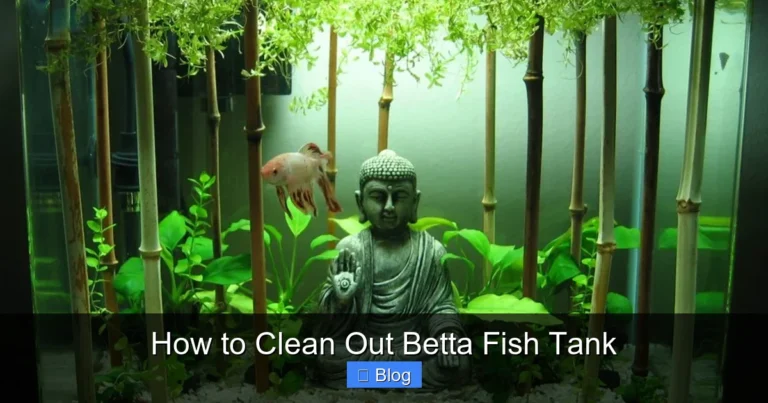
Visual guide about How to Decorate a Betta Fish Bowl
Image source: i.pinimg.com
The Live Plant Advantage
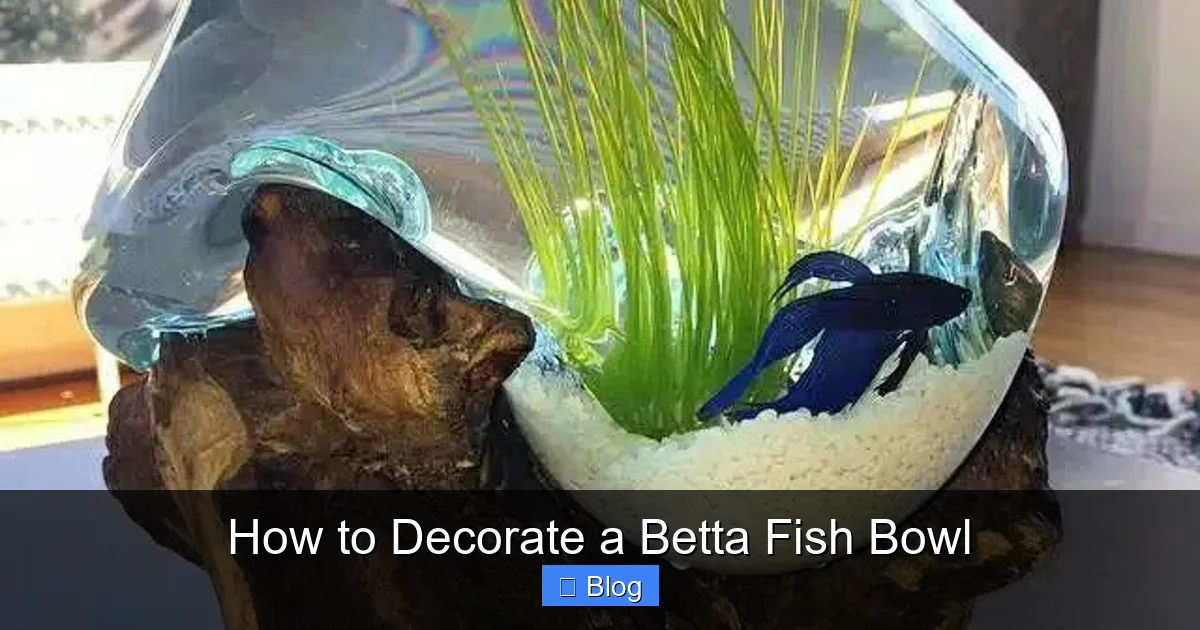
Live plants are the gold standard. They naturally absorb nitrates and other waste products, helping to maintain water quality. They offer incredibly soft, natural textures for your betta to rest on—a betta sleeping on a broad Anubias leaf is a classic, peaceful sight. They also grow and change, providing ongoing novelty. Don’t be intimidated! You don’t need a green thumb. Start with these bulletproof beginner plants:
- Anubias: Attach to driftwood or rock. Has thick, leathery leaves. Very low light.
- Java Fern: Similar to Anubias. Attach to decor, don’t bury rhizome. Thrives in low to medium light.
- Marimo Moss Balls: These are not plants but algae balls. They’re cute, unique, and help clean the water. They roll around, providing gentle movement.
- Java Moss: A tiny, fluffy moss that can be tied to rocks or left to form a carpet. A betta’s dream for making a bubble nest.
High-Quality Silk Plants: A Great Alternative
If you’re not ready for live plants, invest in high-quality silk plants. Cheap plastic plants from big-box stores are often stiff with sharp plastic seams—a definite no. Look for silk plants with soft, flexible stems and leaves that move naturally in the current. They should feel like fabric, not plastic. Good silk plants provide excellent resting spots and hiding places without the maintenance of live plants.
Plant Placement Strategy
Create zones. Place a tall, leafy plant (like a large Amazon Sword if your tank size allows, or a tall silk plant) in the back corner to create a “wall” of security. Scatter medium plants on the sides. Leave a wide-open swimming lane in the center front so your betta can parade and you can admire him. Always ensure there is at least one broad, sturdy leaf near the water’s surface where your betta can rest and easily gulp air.
Essential Structures: Hides, Caves, and Resting Spots
This is where personality comes in. Bettas need places to feel safe. A fish with nowhere to hide is a stressed fish.
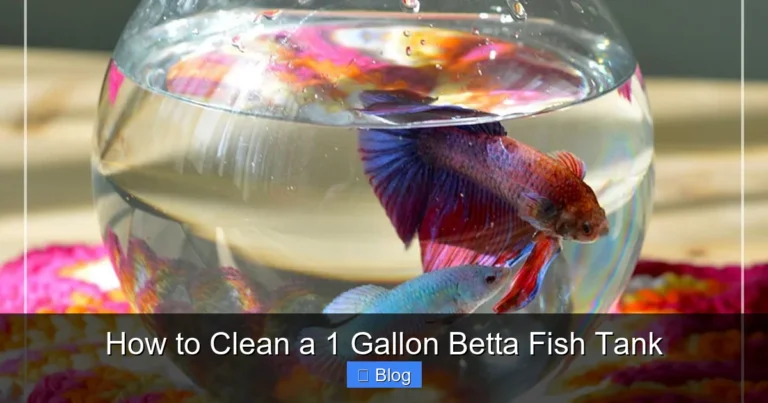
Visual guide about How to Decorate a Betta Fish Bowl
Image source: i.ytimg.com
Caves and Hiding Spots
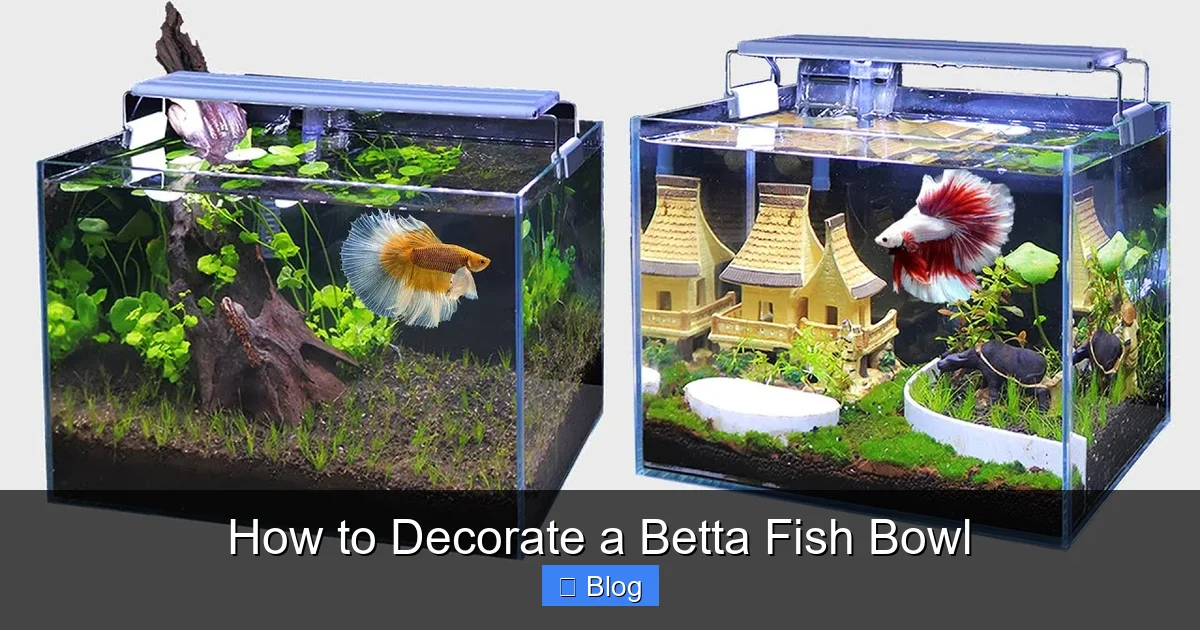
A simple ceramic or resin cave is a fantastic addition. Ensure the entrance is large enough for your betta to swim in and out comfortably and that the interior is smooth. You can also create a hide using a stack of smooth, flat stones (like slate) or a hollowed-out piece of untreated, aquarium-safe driftwood. The goal is a dark, enclosed space where your betta can go to sleep or escape perceived threats (like your hand reaching in).
The All-Important Resting Perch
Remember, bettas are labyrinth fish. They need to break the water’s surface to breathe. Providing a resting spot just below the surface is a game-changer. This conserves their energy. The best options are:
- Betta Leaf Hammock: A suction-cup leaf that attaches to the tank wall. A classic for a reason.
- A Broad Live Plant Leaf: As mentioned, Anubias or Banana Plant leaves are perfect.
- A Smooth Piece of Driftwood: Positioned so it breaks the surface.
- A Flat Stone: Placed on top of a pile of substrate to reach the surface.
Driftwood and Natural Elements
Driftwood adds a beautiful, natural aesthetic and creates interesting topography. It’s crucial to use only aquarium-safe driftwood sold for fish tanks. It must be properly cured (soaked and boiled) to remove tannins and prevent rotting. Malaysian Driftwood is a popular choice. It will release tannins, gently tinting the water brown (like blackwater conditions), which is actually beneficial and natural for bettas. Don’t use wood from the backyard—it could harbor parasites or rot.
Lighting and Background: Setting the Mood
Lighting: Keep It Gentle
Bettas prefer subdued lighting. Bright, harsh lights can stress them out and encourage excessive algae growth. If your bowl came with a bright LED light, consider dimming it or using it only for short viewing periods. A soft, ambient room light is often enough. If you have live plants, you’ll need a light that supports their growth, but a low to medium intensity LED aquarium light is sufficient for the hardy plants listed above. Avoid direct sunlight on the bowl, as it causes dangerous temperature spikes and algae blooms.
Background: The Secret to Depth
A plain glass bowl can feel endless and exposing. Adding a background—either a solid color (black or blue makes colors pop) or a nature scene—helps the fish feel more secure by blocking the “open” feel on three sides. It also adds visual depth to your aquascape. You can use an aquarium background sticker applied to the outside or a piece of waterproof foam board painted with non-toxic acrylic paint. It’s a simple trick that makes a huge difference in the overall look and your betta’s comfort.
What NOT to Add: Common Decorating Mistakes
This is just as important as what to add. Here’s a definitive list of items to avoid when you decorate a betta fish bowl:
- Mirrors: While a betta might flare at his reflection briefly, prolonged exposure causes extreme stress as he sees a permanent, un-winnable rival. It’s not an enriching toy; it’s a torture device.
- Anything with Holes or Crevices Too Small: If your finger can’t easily fit inside a cave or ornament, your betta’s fin might. This includes some popular “volcano” ornaments or detailed shipwrecks.
- Sharp or Rough Rocks: As mentioned, always inspect and smooth any natural stone you consider.
- Ceramic Figurines: Unless specifically labeled for aquariums, the glaze can contain lead or other heavy metals. Stick to decor from the aquarium aisle.
- Plastic Plants from the Toy Aisle: These are not made for water. They fade, leach chemicals, and have sharp edges.
- Overcrowding: It’s tempting to add every cool item. Resist. Leave plenty of open swimming space. A good rule: your betta should be able to swim in any direction without constant obstruction.
- Heavy Ornaments on Top of Substrate: If an item is too heavy, it can crush the substrate underneath, creating pockets of anaerobic gas that are toxic when disturbed.
Putting It All Together: A Step-by-Step Decorating Plan
Now, let’s build your bowl from the bottom up.
Step 1: The Foundation
Rinse your chosen substrate (sand or smooth gravel) thoroughly. Add a 1-2 inch layer to the bottom of your clean, filled, and cycled tank. Create a gentle slope from back to front for visual interest.
Step 2: Anchor Your Plants
If using live plants like Anubias or Java Fern, do not bury their rhizome (the thick base where leaves emerge). This will cause them to rot. Instead, use fishing line, cotton thread, or super glue (cyanoacrylate gel) to attach them to a piece of driftwood, a rock, or the tank wall. For rooted plants (like some swords), bury the roots in the substrate. Arrange your plants: taller ones in back and corners, medium in the sides, and leave the front center open.
Step 3: Add the Structures
Place your cave or hide. Position it so the entrance is not directly in the main swimming path, perhaps tucked behind a plant cluster. Add your driftwood piece, anchoring it securely if needed. Place your surface rest (leaf hammock or broad leaf) near a corner where it’s easy to access.
Step 4: Final Touches and Assessment
Step back. Look at the tank from the front and from above (if possible). Is there a clear path from the surface to the open water? Can your betta easily reach his rest spot? Are there sharp edges you missed? Is there too much clutter? Fill any gaps with a few more plants, but maintain open space. Turn on the light. Does it create harsh glares? Adjust as needed.
Step 5: Introduce Your Betta
Once the water parameters are stable and the decor is secure, it’s time for the grand reveal. Float your betta’s container in the tank for 15-20 minutes to equalize temperature. Then, gently add him to his new, decorated home. Watch his reaction. He will likely explore every nook and cranny over the next few hours—a sign of a job well done.
Maintenance: Keeping Your Decorated Bowl Thriving
A decorated bowl isn’t a set-and-forget project. Maintenance is key.
Cleaning Decor
During your weekly water change, use a soft algae pad (the kind for glass) to gently wipe down the inside walls of the bowl. For decorations, use a soft toothbrush dedicated solely to the aquarium. Never use soap or chemical cleaners. Simply scrub off any algae or detritus with tank water (not tap water, which can harm beneficial bacteria) and rinse. For silk plants, you can soak them in a bucket of old tank water and gently swish them.
Substrate Care
Use a gravel vacuum during water changes to siphon debris from the substrate. Push the vacuum gently into the sand or gravel, being careful not to disturb plants or hides too much. For sand, hover the vacuum just above the surface to avoid sucking up too much sand.
Plant Pruning and Care
Trim dead or dying leaves from live plants with aquarium-safe scissors. This prevents them from rotting and fouling the water. If a plant isn’t thriving, research its specific needs (light, nutrients). You may need a small dose of liquid fertilizer for live plants. Silk plants just need an occasional scrub.
By following these principles, you’ll create a stunning, safe, and enriching home for your betta. Remember, the best-decorated bowl is one where your fish is actively using all the elements you’ve provided. Watch, observe, and enjoy the beautiful, peaceful world you’ve built for your finned friend.
Frequently Asked Questions
Can I use rocks and stones from outside in my betta bowl?
No, you should never use untreated rocks or stones from your garden or yard. They can contain harmful minerals, metals, or parasites that will leach into the water and poison your betta. Always use rocks and stones specifically sold as aquarium-safe and pre-polished.
Is a filter necessary if I have a lot of plants?
Yes, a filter is still essential even in a heavily planted tank. While plants help absorb waste, a filter provides crucial mechanical and biological filtration, creates water movement (which bettas actually like if it’s gentle), and oxygenates the water. Choose a filter with an adjustable, gentle flow to not stress your betta.
How often should I clean the decorations in my betta bowl?
You should inspect and gently clean decorations during your weekly water change. Use a soft brush and old tank water to scrub off any algae or debris. Avoid using tap water, as chlorine can harm the beneficial bacteria that live on the decor. A deep clean of all decor is only needed if there’s a major algae bloom or disease outbreak.
My betta keeps hiding and won’t come out. Is my decor wrong?
Not necessarily. Some bettas are naturally shy. Ensure you have provided adequate hiding spots (caves, dense plants) so he feels secure. Also, check that the lighting isn’t too bright and that there are no sudden movements or vibrations near the tank. Give him time—a new betta can take a week or more to feel comfortable and start exploring.
Can I put a betta in a bowl with a lid or hood?
Yes, and it’s often recommended to prevent jumps (bettas are excellent jumpers). However, ensure the lid has adequate ventilation and that your surface rest (leaf hammock) is positioned so the betta can easily access it without hitting the lid. Never use a completely sealed, airtight lid.
What’s the single most important piece of decor I can get for my betta?
A broad, smooth leaf or surface for resting just below the waterline. This allows your betta to conserve energy by not having to constantly swim up for air. It directly mimics their natural behavior of perching on plant leaves and significantly reduces stress. A simple betta leaf hammock or a live Anubias leaf is the best starting point.