How to Euthanize a Betta Fish Humanely
Deciding to euthanize a betta fish is a final act of love and responsibility. This guide provides clear, step-by-step instructions for the most humane methods, prioritizing your fish’s comfort and minimizing stress. Always consult a veterinarian first, but if at-home euthanasia is necessary, clove oil is the universally recommended gold standard for a peaceful transition.
Key Takeaways
- Recognizing Suffering is Key: Euthanasia is a compassionate choice when a betta’s quality of life is irreversibly poor, characterized by chronic pain, inability to eat, or constant distress.
- Veterinary Guidance is Paramount: A vet can confirm suffering, offer professional euthanasia, and provide invaluable support, making it the first and best course of action.
- Clove Oil is the Gold Standard: For at-home use, a properly dosed clove oil emulsion is the most reliable, peaceful, and humane method to euthanize a betta fish.
- Some “Common” Methods Are Inhumane: Flushing, decapitation, and blunt force trauma are cruel, cause terror, and should never be used for a betta fish.
- Aftercare Matters: Properly handling your fish’s remains with respect, through burial or cremation, is a final important step in the process.
- Prevention Through Proper Care: The best way to avoid this difficult decision is through exceptional tank maintenance, a balanced diet, and early intervention at the first sign of illness.
📑 Table of Contents
- The Hardest Decision: Love’s Final Act
- Section 1: Recognizing When It’s Time – Signs of Suffering
- Section 2: The Essential First Step – Consult a Veterinarian
- Section 3: Humane At-Home Euthanasia Methods – What Works and What Doesn’t
- Section 4: Aftercare and Honoring Your Bond
- Section 5: Prevention – The Best Way to Avoid This Decision
- Conclusion: A Final Gift of Peace
The Hardest Decision: Love’s Final Act
As a betta fish owner, you’ve likely marveled at their vibrant fins, curious personalities, and the unique character they bring to your home. These small but mighty creatures form a bond. So, when they become seriously ill or injured, the heartache is real. The thought of having to euthanize a betta fish humanely is perhaps the most difficult and heavy decision you will ever make as a pet parent. It’s a decision born not of giving up, but of profound love—a choice to end suffering when there is no hope for recovery and pain is present.
This guide is written with a deep respect for that bond and the gravity of this moment. My goal is not to make this choice easier, but to make it clearer. We will walk through the emotional signs that indicate it may be time, explore the critical first step of consulting a professional, and then detail the only acceptable at-home methods, focusing on the one that is truly peaceful. This is about providing a dignified, calm, and painless exit for your beloved companion.
Section 1: Recognizing When It’s Time – Signs of Suffering
Knowing when to consider euthanasia is as important as knowing how. Betta fish are masters at hiding illness—a survival instinct from the wild. By the time they show obvious signs, they are often very unwell. Your role is to be a keen observer.
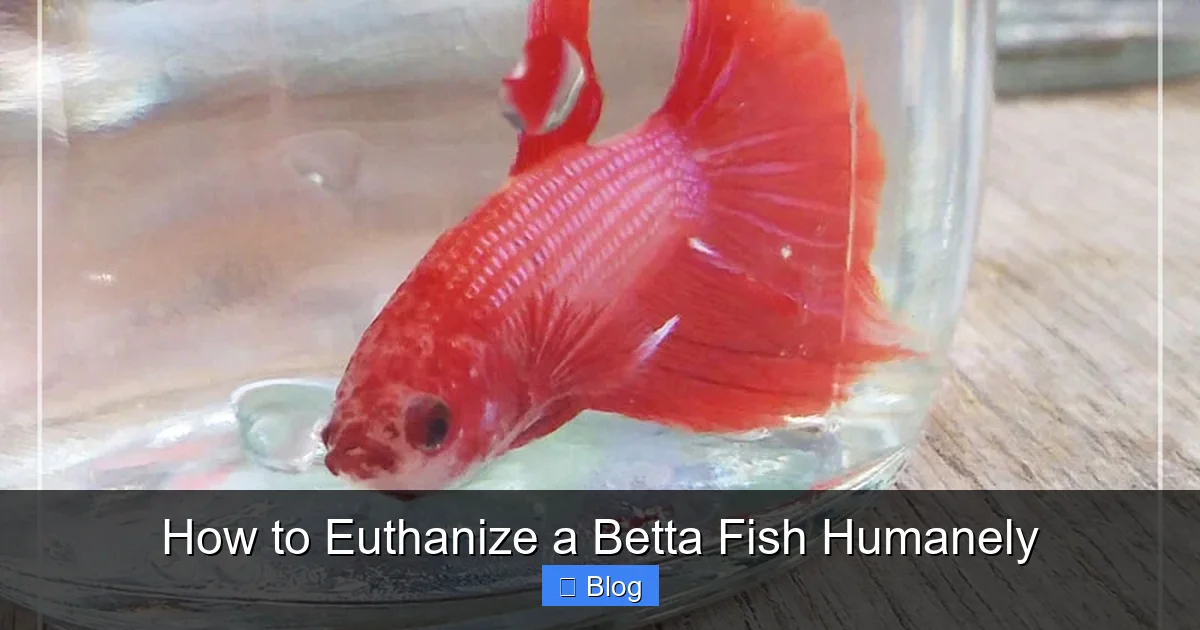
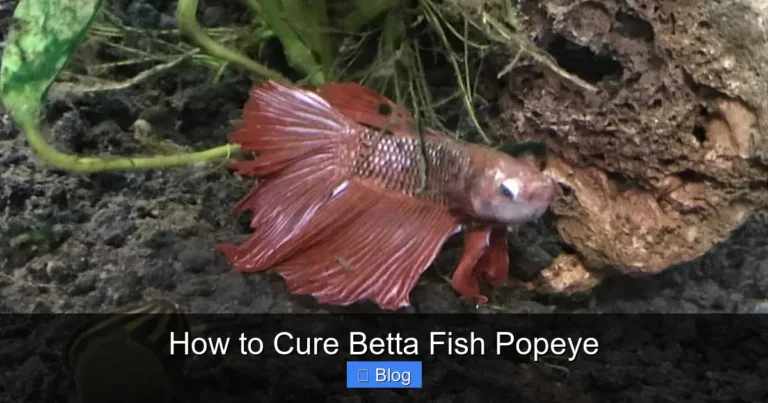
Visual guide about How to Euthanize a Betta Fish Humanely
Image source: smartaquariumguide.com
Physical Indicators of Irreversible Decline
Look for persistent, worsening symptoms despite proper treatment:
- Profound Lethargy: Not just resting, but lying on the bottom, unable to swim up for air, and unresponsive to your presence or food.
- Inability to Eat or Swallow: Complete refusal of food for a week or more, or spitting it out immediately, indicating a systemic failure.
- Severe, Progressive Physical Damage: Advanced fin rot that has destroyed most fins, a grossly swollen or decaying body (dropsy), large open tumors, or a spine that is clearly curved and impairs movement.
- Constant, Agonized Breathing: Gasping at the surface non-stop, with rapid, labored gill movements, even in well-oxygenated water.
- Uncontrollable Spasms or Erratic Swimming: Symptoms of severe neurological damage from diseases like advanced columnaris or organ failure.
A crucial note: A single bad day isn’t a reason. We are talking about a consistent, downward trajectory over several days where all interventions have failed and the fish is clearly in distress.
The Emotional and Ethical Consideration
This isn’t just about physical symptoms; it’s about quality of life. Ask yourself: Is my betta experiencing more bad moments than good? Can they swim, explore, and flare (even a little) without obvious pain? Are they curious about their world, or are they simply enduring? Choosing euthanasia is an act of mercy, not failure. It is the final responsibility you have to the creature you brought into your care. It stops the prolonged, inevitable suffering that a terminal illness or injury will cause.
Section 2: The Essential First Step – Consult a Veterinarian
Before you even consider an at-home method, contact a veterinarian. This is non-negotiable. A vet, preferably one experienced with fish or exotic pets, serves three vital purposes:
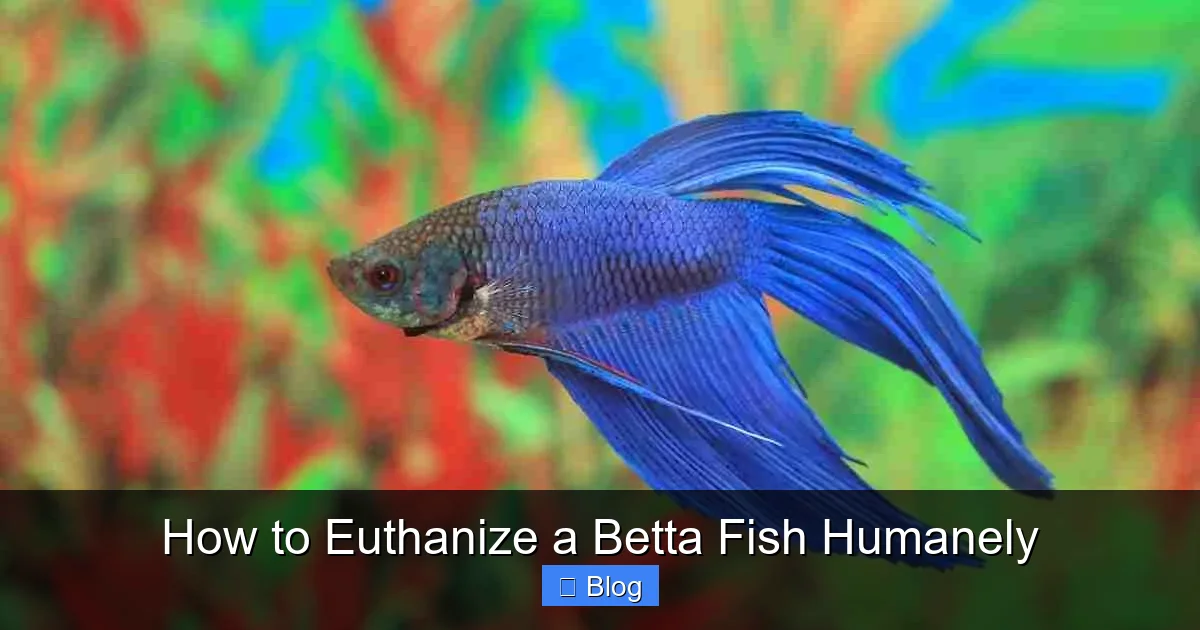
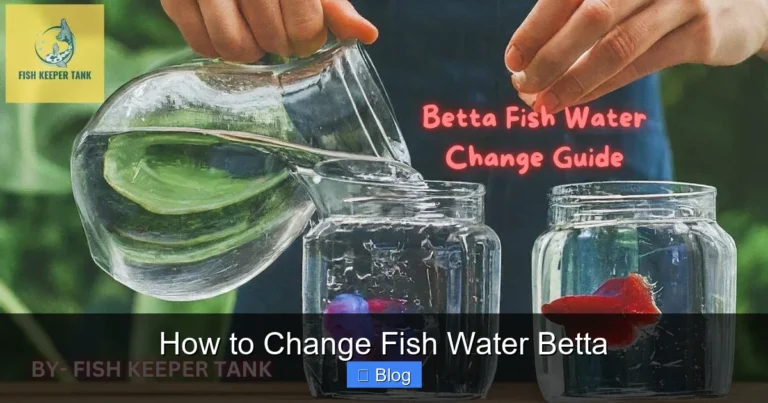
Visual guide about How to Euthanize a Betta Fish Humanely
Image source: fishkeepingwisdom.com
- Accurate Diagnosis & Prognosis: They can confirm if the condition is truly untreatable and painful. What looks like “dropsy” might be a treatable constipation issue you’ve misdiagnosed.
- Professional Euthanasia Service: Most vets will humanely euthanize a fish for a modest fee (often $20-$50). They use an overdose of a powerful anesthetic (like MS-222) that works instantly and peacefully. This is the ideal outcome—you remove the emotional and technical burden from yourself.
- Emotional Support & Validation: A good vet will listen and confirm that your decision is the compassionate one. They can help you navigate your grief, which is a very real and valid part of pet loss.
What to tell the vet: Be thorough. Describe all symptoms, how long they’ve lasted, what treatments you’ve tried (medications, water changes, etc.), and why you believe the fish is suffering. This helps them make a swift, informed judgment.
If a vet is truly unavailable (in a remote area, after hours, or cost-prohibitive), then and only then should you proceed with a careful, researched at-home method. Your vet is your most important resource.
Section 3: Humane At-Home Euthanasia Methods – What Works and What Doesn’t
If you must proceed at home, your choice of method is critical. The goal is a rapid loss of consciousness followed by cardiac arrest, with zero panic, pain, or distress. The following are ranked from most to least humane.
Visual guide about How to Euthanize a Betta Fish Humanely
Image source: fishkeepingacademy.com
Method 1: Clove Oil Emulsion (The Recommended Gold Standard)
Clove oil (eugenol) is a natural anesthetic. In a high concentration, it induces a deep, irreversible coma and stops the heart. When done correctly, it is the closest to a peaceful “sleep” a fish can experience.
Step-by-Step Guide:
- Prepare a Hospital Tank: Use a small, clean container (1-2 gallons) with water from the main tank at the same temperature and pH. This avoids shocking the fish. No filter or air stone is needed for the short procedure. Have a net ready.
- Create the Emulsion: Clove oil does not mix with water. You must create an emulsion first. In a small cup, mix:
- 1 part 100% pure clove oil (food-grade or pharmaceutical-grade)
- 4 parts 95%+ ethanol (high-proof vodka or Everclear works). Do not use rubbing alcohol (isopropyl), it is toxic and painful.
Shake vigorously until it becomes a milky liquid. This is your concentrated emulsion.
- Introduce the Fish: Gently net your betta and place it in the hospital tank. Let them settle for a minute.
- Administer the Emulsion: Start with a very small dose. Add 5 drops of your emulsion per 1 gallon of water in the hospital tank. Swirl the water gently to mix.
- Observe the Process: Within 5-10 minutes, the fish will become very lethargic, lose equilibrium, and begin to breathe slowly. Once breathing has completely stopped and the fish is unresponsive to a gentle touch (like a net tap), wait an additional 5-10 minutes to ensure cardiac arrest.
- Confirmation: Check for a completely still body, no gill movement, and no eye response when gently touched.
Pro-Tip: For a small container (like a 1-quart mason jar), start with just 1-2 drops of emulsion. It’s better to under-dose slightly and add more than to overdose too quickly, which can cause violent thrashing. The goal is a gentle slide into unconsciousness.
Method 2: The Freezing Method (For Very Small Fish or Fry)
This method works by rapidly lowering the fish’s body temperature to induce cardiac arrest. It is considered humane only if performed correctly—a slow chill is agonizing.
Correct Procedure:
- Place your betta in a small, sealed bag (like a Ziploc) with just enough tank water to cover them. Remove as much air as possible.
- Float this bag in your aquarium or a bucket of tank water for 5-10 minutes to equalize temperature. This step is critical to prevent thermal shock.
- Once the bag water is the same temp as the tank, immediately transfer the bag to the freezer. The rapid drop in temperature will cause the fish to become unconscious very quickly (within a minute or less) and then pass.
- Leave in the freezer for at least 30 minutes to ensure death.
Why this is tricky: Many sources incorrectly advise putting the fish directly into a cup of tank water in the freezer. This slow chill is extremely stressful and painful. The rapid-chill bag method is the only acceptable version of freezing.
Method 3: Overdose of Anesthetic (MS-222/Tricaine)
If you can obtain a fish anesthetic like MS-222 (Tricaine methanesulfonate) from a vet or specialty supplier, this is an excellent method. It works similarly to clove oil but is water-soluble and faster-acting.
- Create a solution in a hospital tank following package directions for an overdose (typically 3-5x the anesthetic dose).
- Place the fish in the solution. They should lose consciousness within 30-60 seconds and pass within 2-3 minutes.
This is a professional-grade method but requires access to the chemical.
Methods to NEVER Use (Cruel and Inhumane)
It is vital to explicitly state what not to do. These methods cause terror, pain, and prolonged suffering:
- Flushing Down the Toilet: This is a horrific death involving crushing, suffocation, and exposure to sewage chemicals. It is not euthanasia; it is disposal of a living animal.
- “Bloat and Drop” (Vodka/Boiling Water): Force-feeding alcohol or putting a live fish in boiling water are acts of torture. The alcohol burns and disorients; boiling is excruciating.
- Decapitation or Blunt Force: Without surgical precision and immediate brain destruction, these methods cause immense pain and shock. They are not suitable for a small, delicate fish and are traumatic for the owner.
- Slow Chlorine or Ammonia Exposure: Letting a fish suffocate in toxic water is a slow, agonizing death.
Remember: If a method sounds violent, quick-and-dirty, or causes you to wince imagining it, it is wrong. The standard must be peaceful and controlled.
Section 4: Aftercare and Honoring Your Bond
The act of euthanasia is complete, but your journey with your betta isn’t. How you handle their remains is a final, respectful act.
Immediate Steps After Passing
Once you are certain your fish has passed (no movement, no gill flare for 10+ minutes), you can handle their body. Use a soft net or paper towel. Many owners find a small, beautiful box or container for the body.
Options for Final Resting Place
- Home Burial: A small, deep burial in your garden (away from utility lines) is a peaceful option. You can mark the spot with a small stone or plant. Ensure the grave is deep enough to prevent disturbance by other animals (at least 12-18 inches).
- Aquarium Plant Fertilizer: A less common but natural option is to place the body in a compost bin specifically for organic/kitchen waste, where it will return nutrients to the soil. This may not be suitable for everyone emotionally.
- Cremation Services: Some veterinary clinics or pet crematories offer services for fish. This can provide a tangible urn or keepsake.
- Disposal (If Necessary): If burial/cremation isn’t possible, place the body in a sealed biodegradable bag and dispose of it in the trash. This is a practical last resort, but try to perform a small, private ritual first to acknowledge the loss.
What NOT to do: Do not flush the body. Do not leave it in the trash without a bag. Treat it with the dignity a living being deserves.
Grieving Your Betta
Do not minimize your loss. Betta fish are intelligent, interactive pets. It is okay to cry, to feel sad, and to miss their presence. Create a small memorial—a photo, the empty tank (cleaned and stored respectfully), or a planted garden stone. Acknowledge the love you gave them and the mercy you showed at the end. This was a profound act of care.
Section 5: Prevention – The Best Way to Avoid This Decision
While not all illnesses are preventable, excellent husbandry drastically reduces the risk of a painful, untreatable decline. The best euthanasia decision is the one you never have to make.
Foundational Tank Setup
A betta in a tiny, unheated, unfiltered bowl is on a fast track to suffering. A proper setup is the first and best medicine.
- Tank Size: Minimum 5 gallons. More space dilutes toxins and allows for stable parameters.
- Heater & Thermometer: Maintain a stable tropical temperature of 78-80°F (25.5-26.5°C). Temperature swings are a major stressor.
- Filter: A gentle sponge filter or adjustable hang-on-back filter is essential for biological filtration. Clean it in old tank water monthly, never under tap water.
- Water Changes: Perform 25% weekly water changes with dechlorinated, temperature-matched water. Test water parameters (Ammonia, Nitrite, Nitrate, pH) regularly.
Diet and Observation
Feed a high-quality pellet as a staple, supplemented with frozen or live foods (daphnia, brine shrimp) 2-3 times a week. Avoid overfeeding. Observe your betta daily during feeding. A change in appetite or enthusiasm is your earliest and most important warning sign.
Early Intervention Saves Lives
At the first sign of illness—clamped fins, white spots, loss of appetite—isolate the fish in a hospital tank. Research common betta diseases (Ich, Velvet, Fin Rot, Swim Bladder). Many are easily treatable in the early stages with water changes, salt baths, or appropriate medication. Acting quickly is the key to avoiding a terminal situation.
Conclusion: A Final Gift of Peace
To euthanize a betta fish humanely is to confront the hardest part of pet ownership with courage and compassion. It is not about giving up; it is about giving the ultimate gift: a release from pain. By consulting a veterinarian first, and if necessary, using the peaceful clove oil method, you can ensure your fish’s final moments are free of fear and distress. Handle their passing with the same love and respect you gave them in life. And in the quiet after, remember the joy they brought. The pain of their loss is a testament to the depth of the bond you shared. You did right by them, every single day, up to the very last.
Frequently Asked Questions
Is it cruel to let a betta fish die naturally?
In most cases, yes. A “natural death” from a painful, progressive disease like dropsy or advanced internal infection is often prolonged, distressing, and full of suffering. Euthanasia is a planned, peaceful intervention to prevent that agony. It is the kinder choice.
Can I use regular vodka instead of high-proof ethanol for the clove oil emulsion?
You can, but it is less effective. Standard vodka (40% alcohol) has too much water content to properly emulsify the clove oil, leading to inconsistent dosing and a longer, potentially stressful process. High-proof vodka (95%) or Everclear creates a stable emulsion that works reliably and quickly.
What is the one sign that means it’s definitely time to call the vet about euthanasia?
While many signs are important, the most definitive is the inability to eat or swallow combined with profound lethargy. If your betta shows no interest in food for 5-7 days, is too weak to swim to the surface, and is lying at the bottom gasping, it is a clear indicator of systemic failure and imminent, painful death without intervention.
Why is flushing a betta down the toilet so terrible? Isn’t it quick?
It is not quick. The plumbing system is a terrifying, violent environment. The fish is subjected to crushing forces, suffocation, exposure to harsh chemicals, and a terrifying ride before dying, if it dies at all. It is a cruel disposal method, not euthanasia.
How do I know if the clove oil method worked and my fish is truly gone?
After administering the clove oil, you will see the fish become limp, lose all equilibrium, and stop moving. Wait at least 10-15 minutes after the last visible gill movement. Then, gently touch the fish’s eye or body with a net tip. There should be absolutely no reaction—no flinch, no movement. The body will be completely still and may become slightly rigid.
How do I cope with the guilt of having to make this decision?
Guilt is a normal part of grief, but reframe your thinking. You are not causing death; you are preventing suffering. You are using your knowledge and love to provide a peaceful end. Talk to a supportive friend, a vet, or a pet loss support group. Creating a small memorial can help transform the memory from one of loss to one of a life well-cared for, until the very end.