How to Cure Bladder Disease in Betta Fish

Bladder disease in betta fish, often called Swim Bladder Disorder (SBD), is a common but treatable condition affecting buoyancy. It’s rarely a primary disease and usually stems from diet, water quality, or infection. Immediate action like fasting and water changes is critical. Long-term recovery requires dietary adjustments, pristine water conditions, and sometimes medication. With consistent, proper care, most bettas can fully recover and thrive.
Key Takeaways
- Bladder disease is a symptom, not a disease: It’s a sign of an underlying issue like constipation, poor water quality, or infection. Treat the root cause, not just the symptom.
- Fasting is the first and most crucial step: Withhold food for 24-72 hours to clear the digestive tract, which resolves most constipation-related cases.
- Water quality is non-negotiable: Ammonia, nitrite, and high nitrates are major stressors. Perform frequent, large water changes with properly conditioned, temperature-matched water.
- Dietary overhaul is essential for prevention: Switch to high-quality, easily digestible foods. Soak pellets, avoid overfeeding, and include fiber-rich options like daphnia.
- Observe and isolate: A sick betta is stressed and vulnerable. Move it to a bare, heated hospital tank to monitor closely and prevent bullying from tankmates.
- Medication is a last resort: Only use antibiotics or antiparasitics if you suspect a bacterial or parasitic infection after initial treatments fail. Always quarantine first.
- Patience is required: Recovery can take days to weeks. Maintain perfect water conditions and a careful diet throughout the process.
[FEATURED_IMAGE_PLACEHOLDER]
📑 Table of Contents
Understanding Bladder Disease in Betta Fish
Seeing your beautiful betta fish floating upside down, sinking to the bottom, or swimming erratically is a heart-stopping moment for any owner. Your first thought might be, “My fish is dying!” But take a deep breath. What you are witnessing is likely a classic sign of swim bladder disorder (SBD), often colloquially called “bladder disease.” The good news is that this is one of the most common and frequently treatable ailments in bettas. Understanding what’s happening inside your fish is the first step to becoming its healer.
The swim bladder is a gas-filled organ that acts like a floatation device. It allows your betta to effortlessly maintain its position in the water column. When this organ is damaged, inflamed, compressed, or infected, the fish loses its ability to control buoyancy. It’s important to know that “bladder disease” is almost always a symptom of another problem. The swim bladder itself rarely gets sick in isolation. Think of it like a car’s check engine light—it’s telling you something else is wrong. The most common culprits for bladder disease in betta fish are overfeeding leading to constipation, poor water quality causing internal stress and infection, physical injury, or internal parasites and bacteria.
The Anatomy of the Issue: Why Betta Fish Are Prone
Betta splendens have a unique anatomy that makes them particularly susceptible to buoyancy issues. Their swim bladder is a delicate, elongated structure located just behind the brain and above the digestive tract. This positioning is key. When a betta becomes constipated from eating too much, too many rich foods, or indigestible ingredients, a swollen intestine physically presses against the swim bladder, compressing it and disrupting its function. It’s like trying to inflate a balloon while someone is sitting on it—it just doesn’t work right. This is why dietary causes are the #1 reason for bladder disease in betta fish.
Furthermore, bettas are labyrinth fish, meaning they have a special organ to breathe air from the surface. This makes them frequent visitors to the top, and any buoyancy problem is immediately obvious. Their long, flowing fins also create drag and make swimming with an impaired bladder even more difficult and exhausting for the fish. All these factors combine to make SBD a very visible and common concern for betta keepers.
Immediate First Aid: The Critical First 72 Hours
When you first notice the symptoms, your actions in the next few days are the most important factor in your betta’s recovery. Do not panic and immediately reach for medication. The vast majority of cases, especially new ones, are caused by simple constipation or water quality issues. Your goal is to eliminate the most likely causes systematically and gently.
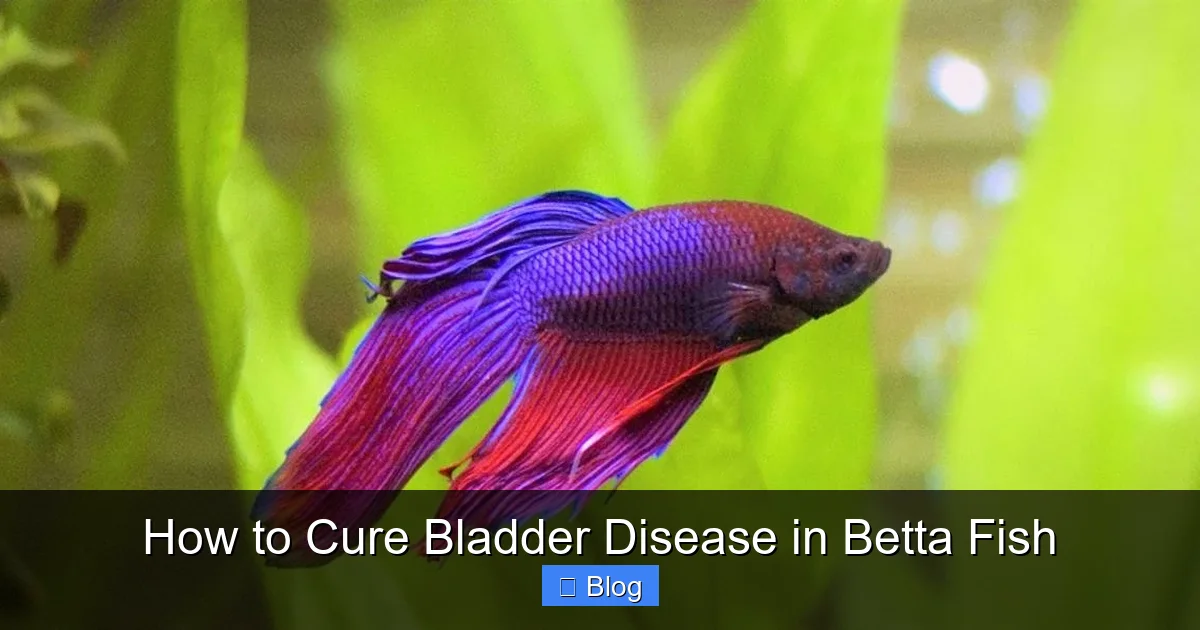
Visual guide about How to Cure Bladder Disease in Betta Fish
Image source: bestfishkeeping.com
Step 1: The Fast (The Most Important Step)
This is the non-negotiable first step for any betta showing signs of bladder disease. You must stop feeding your fish for a full 24 to 72 hours. This seems cruel, but it’s not. In the wild, a fish that can’t swim properly would not eat anyway. The purpose of the fast is to allow the digestive tract to completely empty. If constipation is the issue, giving the swollen gut a rest will allow the intestine to shrink back to normal size, relieving the pressure on the swim bladder. During this time, your betta will likely still have energy and may even try to eat if food is present. You must be strong and remove any leftover food immediately. For a fish that is already weak, forcing digestion is the worst thing you can do.
Step 2: The Hospital Tank Setup
While your betta is fasting, prepare a separate “hospital tank.” This should be a small, clean aquarium (1-5 gallons is perfect) with nothing but a heater, a gentle filter (like a sponge filter) or you will be doing daily water changes, and a few broad-leafed plants or a betta hammock for resting. Do not use gravel. A bare bottom is essential for easy observation and cleaning. The water must be pristine. Use a water conditioner to remove chlorine and chloramines. The temperature should be a steady 78-80°F (25.5-26.5°C), which aids digestion and immune function. Gently net your betta from its main tank and place it in this clean, stress-free environment. This removes it from any potential bullies, eliminates exposure to poor water conditions from the main tank, and allows you to treat the water parameters with laser focus.
Step 3: Aggressive Water Changes
In both the hospital tank and the main tank, you must perform water changes. For the hospital tank, do a 50% water change daily for the first few days. Use a gravel vacuum (if you have substrate in the main tank) and siphon out any visible debris from the bottom. Match the temperature and pH of the new water as closely as possible to prevent thermal shock. Clean water dilutes any ammonia, nitrite, or high nitrates that could be causing internal irritation or infection. It also reduces overall stress, which is critical for the immune system to function. Test your water parameters with a liquid test kit (strip tests are notoriously inaccurate). Ammonia and nitrite should be at 0 ppm, and nitrates should be below 20 ppm.
Long-Term Treatment & Dietary Rehabilitation
After the initial 24-72 hour fast, if your betta’s buoyancy has improved, you can begin the slow process of reintroducing food. If there is no improvement at all after 72 hours of fasting in clean water, you must move to the next phase of treatment, suspecting a deeper issue like infection or permanent damage. But for most cases, the fast has done its job.
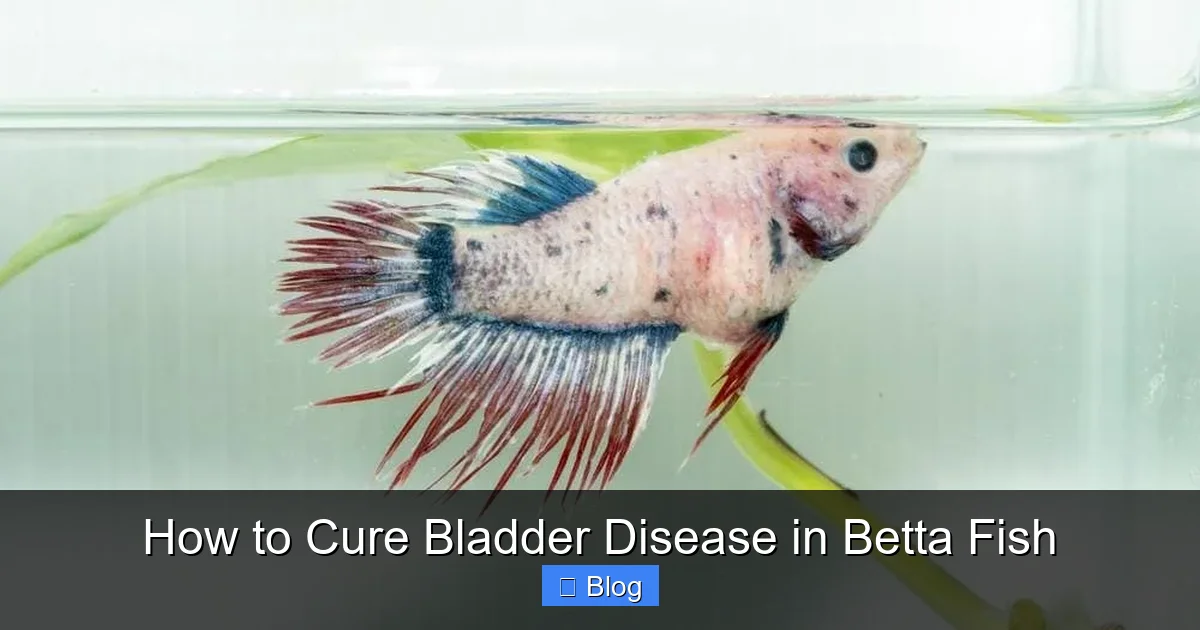
Visual guide about How to Cure Bladder Disease in Betta Fish
Image source: hepper.com
Reintroducing Food: The “Bland Diet” Protocol
Start with the easiest, most fiber-rich food possible. Your absolute best option is frozen or live daphnia. Daphnia is a natural laxative for fish and is packed with protein and roughage. Thaw a tiny amount of frozen daphnia (a few individuals for a small betta) and offer a single piece. If your betta eats it and keeps it down, wait 24 hours and offer another tiny portion. Continue this for 2-3 days. If daphnia is unavailable, you can use a blanched, skinned pea. This is a classic home remedy. Boil a frozen pea until soft, remove the skin, mash a tiny fraction of the inner pea, and offer that single pea fragment. The fiber is excellent for clearing the system. Do not use regular betta pellets at this stage. They are often too rich and dense and can cause a relapse.
Permanent Dietary Changes for Prevention
Once your betta is back to normal swimming and eating, you cannot revert to old feeding habits. This is the most common mistake owners make, leading to recurring SBD. You must implement a new, sustainable diet. First, soak all dry pellets in tank water for 5-10 minutes before feeding. This pre-hydrates the food, preventing it from expanding inside your betta’s stomach, which is a major cause of constipation. Second, feed high-quality pellets with a simple ingredient list (e.g., whole fish, shrimp, squid as the first few ingredients). Avoid pellets with fillers like wheat, soy, or potato. Third, practice strict portion control. A betta’s stomach is roughly the size of its eye. Feed only 2-3 pellets once per day, or two smaller feedings. You can supplement this staple diet with occasional treats of high-quality frozen foods (bloodworms, brine shrimp, daphnia) but no more than 1-2 times a week. A well-fed betta is a healthy betta, but an overfed betta is a constipated betta, and a constipated betta is a betta with bladder disease.
Addressing Other Potential Causes
If fasting and dietary changes do not resolve the issue within a week, or if your betta shows other symptoms like clamped fins, lethargy, spots, or frayed fins, you must consider other causes. The swim bladder can be affected by internal bacterial or parasitic infections, or physical injury.
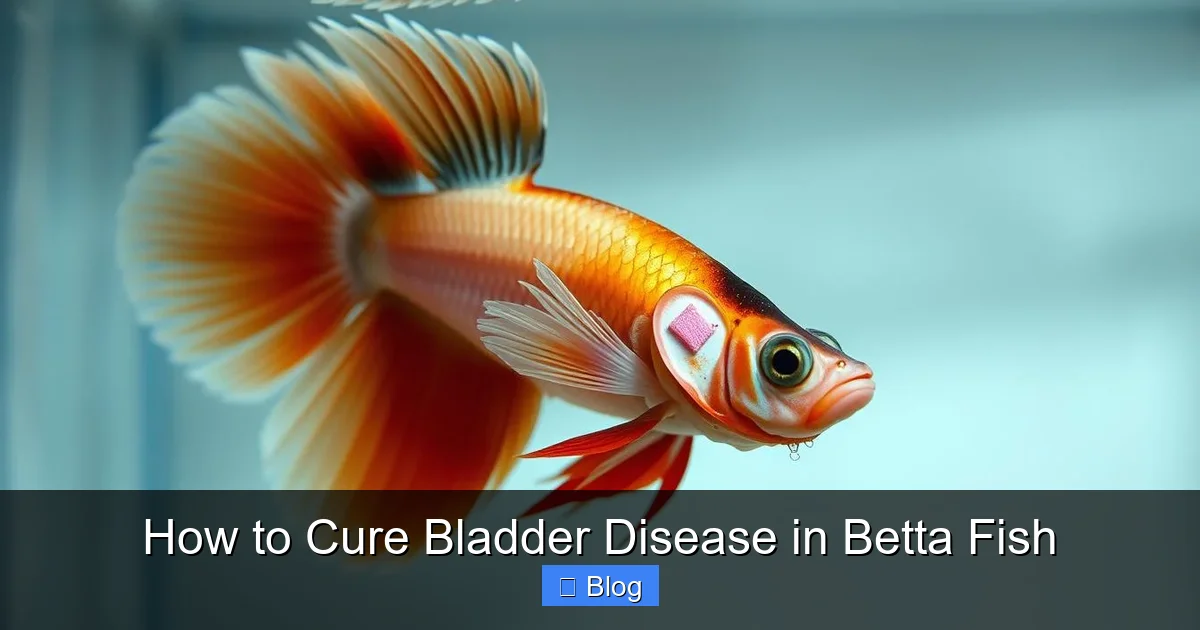
Visual guide about How to Cure Bladder Disease in Betta Fish
Image source: koibettafish.com
Bacterial Infections
Poor water quality is a gateway for opportunistic bacteria. These can infect the swim bladder or the digestive tract, causing inflammation and swelling. Signs to watch for include a bloated abdomen (not just constipated), cloudy eyes, red streaks on the body, or ragged fins. If you suspect a bacterial infection after ruling out constipation, you may need to use an antibiotic. Always medicate in a separate hospital tank. A good first-line treatment is a broad-spectrum antibiotic like Maracyn (erythromycin) or Kanamycin, which are effective against gram-positive and some gram-negative bacteria. Follow the dosing instructions on the package precisely, and complete the full course even if symptoms improve. Remove carbon from your filter during treatment, as it will absorb the medication.
Parasitic Infections
Internal parasites like Hexamita or Spironucleus can cause severe damage to the digestive tract and swim bladder. Symptoms often include wasting away (the fish becomes very thin despite eating), stringy white feces, and lethargy alongside buoyancy problems. Diagnosing parasites definitively requires a vet, but you can treat empirically. A common treatment is Metronidazole (Flagyl), which is effective against many flagellate parasites. This is often administered via food (soaking frozen food in a liquid suspension) or added to the water in a hospital tank. Again, this is a medication that should be used judiciously and ideally after consulting a vet or experienced aquarist.
Injury and Genetics
A hard bump against the tank glass, a fall, or an attack from a tankmate can cause physical trauma to the swim bladder. In this case, treatment is purely supportive: perfect water, high-quality food, and time. The organ may heal on its own. Some bettas, particularly those with very long, heavy fins like halfmoons, may have a slight, chronic buoyancy issue due to the physical weight of their fins. This is often manageable but not fully “curable.” Providing resting spots near the surface (a betta leaf hammock) can help them rest without exhausting themselves.
Prevention: The Best “Cure”
As the old adage goes, an ounce of prevention is worth a pound of cure. For bladder disease in betta fish, this is 100% true. Once a betta has suffered an episode, it is often prone to recurrence. Your goal must be to create an environment where SBD is virtually impossible.
The Pillars of Prevention: Water, Water, Water
I cannot stress this enough. Pristine water is the single most important factor in your betta’s overall health and its resistance to all diseases. A cycled tank with a working biological filter is essential. Test your water weekly. Perform regular water changes—25-50% weekly in a filtered tank, and 100% daily in an uncycled bowl (though a bowl is never recommended). Ammonia and nitrite are toxic and cause internal damage. Even low levels of nitrate over time can stress a fish’s systems. Use a quality dechlorinator. Keep the water temperature stable; sudden drops can shock the digestive system.
Perfect Feeding Practices
We’ve covered this, but it bears repeating as a prevention strategy. Soak pellets. Feed high-quality food. Feed sparingly. Think of your betta’s diet like your own: mostly lean, whole foods, with occasional treats. A varied diet of quality pellets supplemented with frozen or live foods (daphnia, brine shrimp) provides complete nutrition without the excess bulk that leads to constipation. Avoid freeze-dried foods as a staple, as they can also swell in the stomach.
Stress-Free Environment
Stress suppresses the immune system, making your betta vulnerable to all sorts of issues, including infections that can lead to SBD. Ensure your tank is appropriately sized (minimum 5 gallons), has a gentle filter (betta fins are delicate), and is heated. Provide plenty of hiding places with live or silk plants. Avoid aggressive or fast-moving tankmates. Keep the tank in a quiet area away from loud noises, vibrations, and direct sunlight. A stressed betta is a sick betta waiting to happen.
When to Seek Professional Help
You are a dedicated and proactive owner. You’ve fasted, you’ve changed water, you’ve tried the pea and daphnia. Your betta is still swimming sideways or sinking. Now what? It’s time to consider professional aquatic veterinary help. This is not a failure on your part; it’s the responsible next step.
Recognizing the Red Flags
Consult a vet (yes, there are veterinarians who specialize in fish) if:
- There is no improvement after 7-10 days of consistent, correct home treatment.
- The betta shows signs of a systemic infection: significant bloating (not just constipation), sores, ulcers, severe fin rot, cotton-like growths, or extreme lethargy.
- The fish is completely unable to reach the surface to breathe its labyrinth organ. This is an immediate emergency.
- You suspect internal parasites based on wasting and stringy feces.
- The condition recurs frequently despite perfect diet and water, suggesting a chronic or genetic issue that needs a formal diagnosis.
What to Expect from a Fish Vet
A qualified vet can perform a physical exam and may recommend diagnostic tests. This could include a fecal float to check for parasites, a radiograph (X-ray) to visualize the swim bladder and check for stones or severe swelling, or even a minor procedure to take a culture if a bacterial infection is suspected. Based on this, they can prescribe targeted medications—often stronger or more specific than over-the-counter options—and provide a definitive treatment plan. While it can be costly, for a beloved pet betta, a professional diagnosis can be the key to saving its life and understanding its long-term needs.
Conclusion: Hope, Patience, and Consistent Care
Watching your betta struggle with bladder disease is stressful, but it is a battle you can win. The path to recovery is almost always a combination of simple, diligent care. Remember the core principles: fast first, then fiber; clean water above all; feed sparingly and soak your food. Most cases of swim bladder disorder in betta fish are caused by constipation and are fully reversible with these steps. For cases that persist, consider infection or injury and treat supportively or with targeted medication. Prevention through impeccable tank maintenance and a proper diet is your most powerful tool to ensure this scare never happens again.
Your betta’s resilience is remarkable. With your attentive care, a clean environment, and a little patience, you can help your little friend regain its graceful, flaring dignity. You’ve got this. Now, go check your water parameters and maybe skip a feeding.
Frequently Asked Questions
Is bladder disease in betta fish contagious to other fish?
No, swim bladder disorder itself is not contagious. It’s a symptom of an internal issue like constipation or poor water quality. However, if the underlying cause is a bacterial or parasitic infection, that infection could spread to other fish in the same tank. This is why isolating a sick betta is so important for both treatment and prevention.
Can a betta fish recover from a severe swim bladder issue?
Yes, many bettas can recover even from severe episodes, but it depends on the cause and the extent of any permanent damage. Cases caused by constipation typically have a full recovery. If the swim bladder was damaged by infection or injury, there may be some lasting buoyancy issues, but the fish can often adapt and live a comfortable life with proper care.
How long does it take for a betta to recover from bladder disease?
Recovery time varies. For simple constipation, you may see improvement within 24-48 hours of fasting, with full recovery in 3-5 days. For cases involving infection or requiring medication, recovery can take 1-2 weeks or longer. Chronic cases may require lifelong dietary management. Patience and consistency with treatment are key.
Should I force-feed my betta if it’s not eating during treatment?
No, you should never force-feed a betta with bladder disease. The initial fast is critical. Forcing food into a constipated or stressed fish will worsen the problem. After the fast, offer tiny, appropriate foods like daphnia. If it doesn’t eat, remove the food and try again the next day. A healthy betta will not starve in a few days.
What is the best home remedy for a betta with swim bladder problems?
The single best home remedy is a strict fast followed by a high-fiber diet, specifically daphnia or a blanched, skinned pea. This directly addresses the most common cause: constipation. Coupled with daily 50% water changes in a clean hospital tank, this simple protocol resolves the majority of SBD cases without any medication.
Will my betta fish’s swim bladder problem come back?
It can, especially if you return to old feeding and maintenance habits. Betta fish that have had one episode are more prone to future ones. The best way to prevent recurrence is to permanently adopt the prevention strategies: soak all pellets, feed high-quality food in very small portions (2-3 pellets max per day), and maintain absolutely pristine water quality with regular water changes and testing.